What Is an F2 Seed? Understanding Its Role in Plant Breeding
An F2 seed is the second filial generation seed obtained by self-pollinating or crossing F1 hybrid plants. It is produced after the first offspring (F1) generation undergoes reproduction, and it shows greater genetic variation than the uniform F1 generation. This means F2 seeds can display a wide range of traits inherited from the parent plants.
Understanding F2 seeds is important in plant breeding because they help breeders identify and select desirable traits that may not be apparent in the more uniform F1 generation. The genetic diversity present in F2 seeds allows for the potential development of new stable varieties over subsequent generations.
This article will explore what defines F2 seeds, their characteristics, how they fit into breeding programs, and why they play a pivotal role in advancing plant genetics and crop improvement.
Basics of F2 Seeds in Plant Breeding

Definition and Origin of F2 Seeds
F2 seeds emerge when F1 hybrid plants self-pollinate or cross with another F1 hybrid from the same parental lines. The term 'F2' stands for the second filial generation, indicating the offspring after the initial hybrid generation (F1). Unlike F1 seeds, which are genetically uniform and predictable, F2 seeds possess a wider genetic mix.
This genetic segregation in F2 seeds leads to variations in traits like plant size, flower color, disease resistance, and yield potential. This variability is crucial for breeders trying to develop new cultivars or select individuals with specific desirable characteristics.
Characteristics of F2 Seeds
One major trait of F2 seeds is increased heterogeneity compared to F1 seeds. While F1 hybrids are generally uniform and consistent due to controlled crosses, F2 seeds display a broad spectrum of genotypes and phenotypes because of recombination and segregation during meiosis.
The wide range of traits among F2 plants can include both favorable and unfavorable variations, which requires careful selection by breeders to identify promising candidates for further breeding or commercial release.
- Greater genetic diversity than F1
- Unpredictable trait combinations
- Foundation for selection in breeding programs
Role of F2 Seeds in Plant Breeding Generations
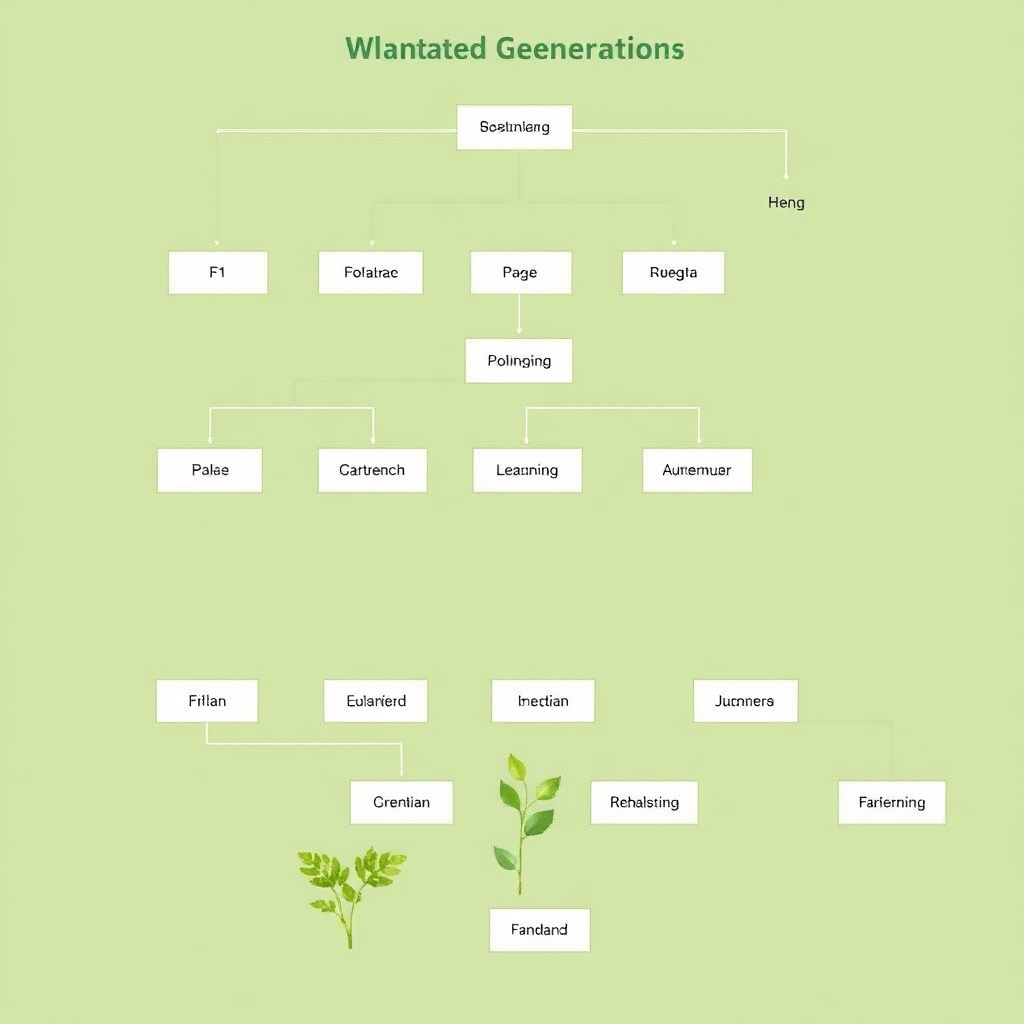
Comparison Between F1 and F2 Generations
F1 seeds result from crossing two genetically distinct pure lines, producing uniform hybrids with predictable traits, often superior in vigor and yield. F2 seeds, however, come from selfing or crossing F1 individuals and show segregation of traits, causing diversity in the population.
This contrast means while F1 seeds are used primarily for immediate commercial planting due to uniformity, F2 seeds serve more research and breeding purposes where trait recombination is needed to identify and fix desired traits.
For more on this, see our related guide: What Is a Hybrid Plant? Understanding Hybrid Plant Basics.
Importance of F2 Seeds in Selection and Stabilization
Breeders use populations derived from F2 seeds to select plants exhibiting favorable traits that can be bred into stable lines. The F2 generation is often the first step where genetic traits segregate and recombine, providing a rich genetic pool for trait evaluation.
By advancing selections from the F2 generation through successive inbreeding or backcrossing, breeders aim to develop stable, uniform cultivars exhibiting the best combination of traits discovered among the F2 plants.
Techniques for Managing F2 Seed Populations
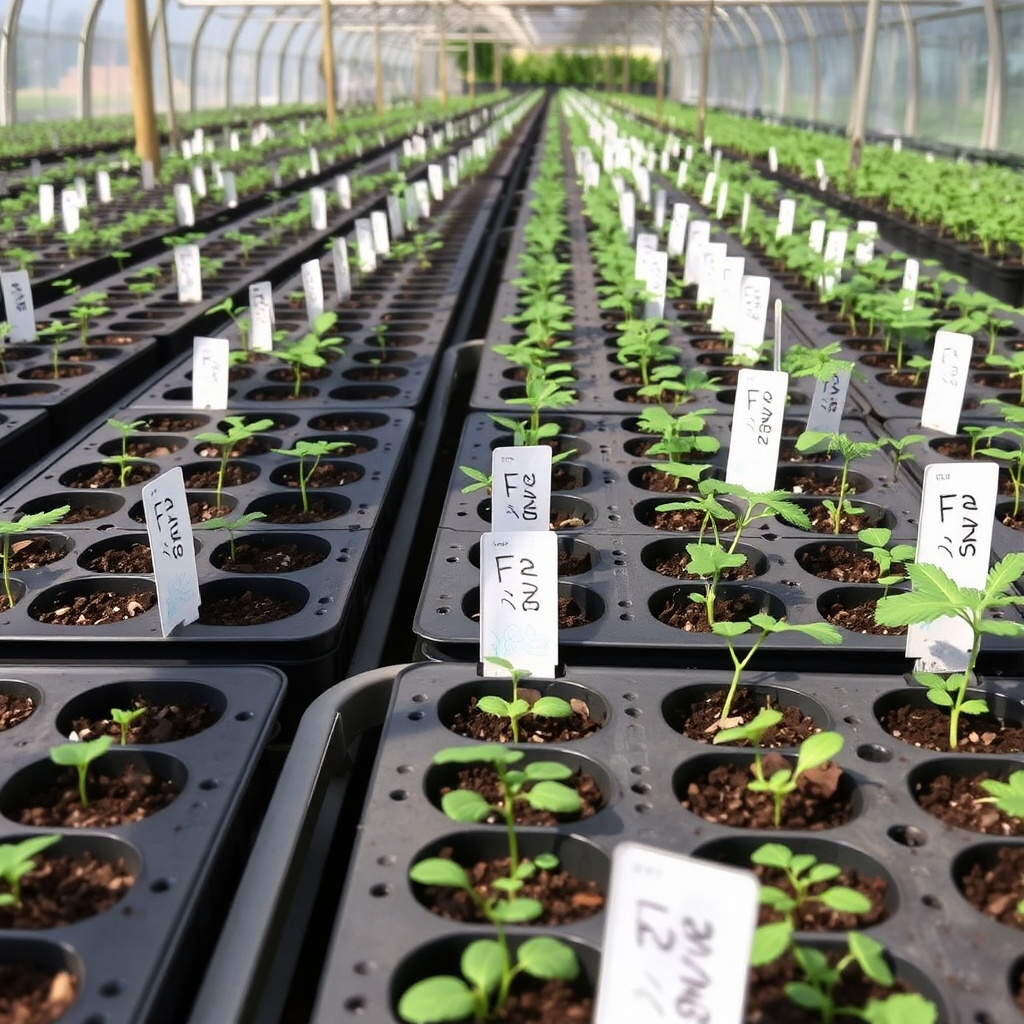
Controlled Pollination and Isolation
Managing F2 seed populations requires isolating plants to prevent unintended cross-pollination, especially in species sensitive to pollen from outside sources. Controlled pollination techniques include bagging flowers or hand-pollinating selected plants to maintain genetic integrity.
This control helps breeders identify true F2 individuals and maintain selection accuracy. Preventing contamination is essential to keep the genetic lines clean during the early generations of breeding.
- Flower bagging
- Hand-pollination
- Isolated breeding blocks
Phenotypic Selection in F2 Populations
Because F2 populations display wide trait variation, breeders rely heavily on phenotypic selection, observing plant characteristics such as height, leaf shape, fruit quality, or flower color to retain the best candidates for further breeding.
This visual selection is complemented by molecular markers or genetic tests in advanced programs, helping accelerate the breeding process by linking phenotype to genotype in the diverse F2 population.
Common Challenges with F2 Seeds
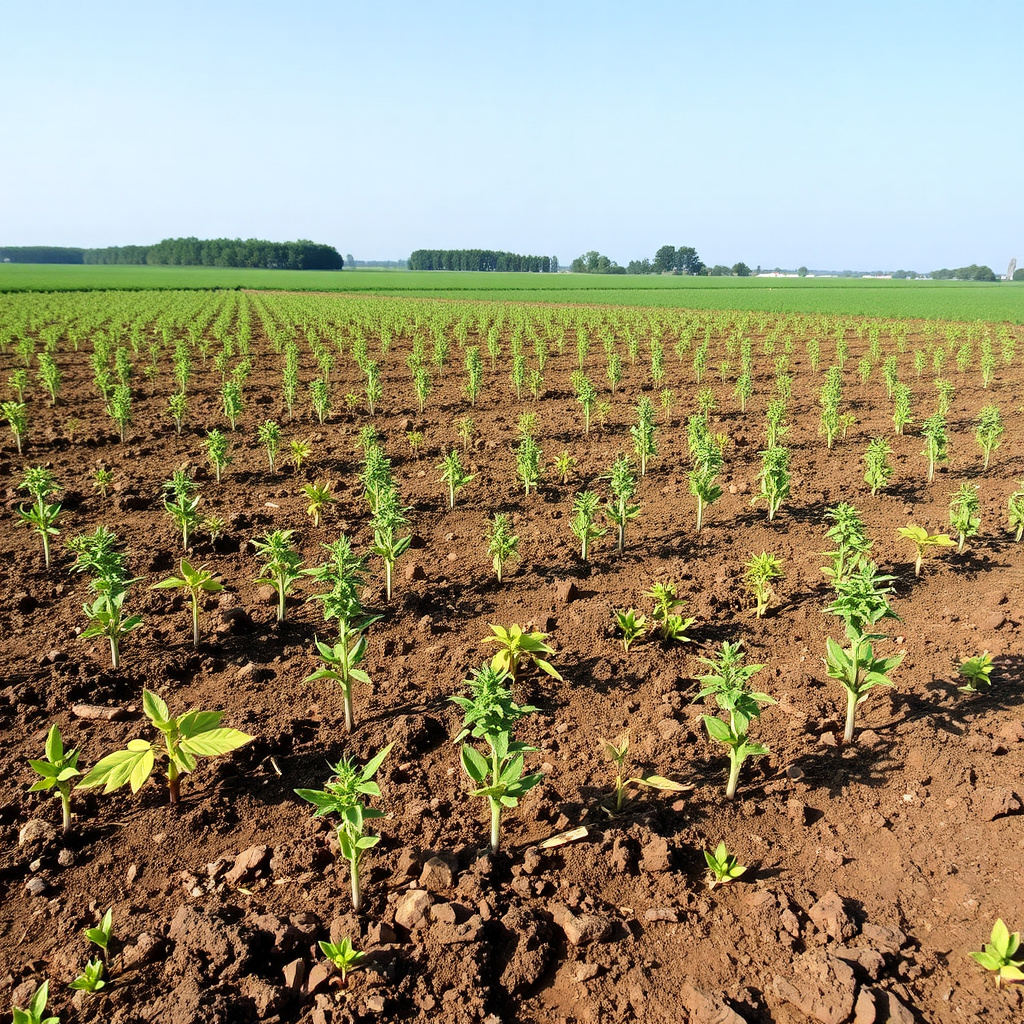
Unpredictability and Trait Segregation
The unpredictable nature of traits in F2 seeds means breeders must invest time and resources screening large populations to find useful plants amidst less desirable ones. Trait segregation can produce offspring with inferior or unwanted features.
This variability can complicate early-stage breeding and requires careful record-keeping and evaluation protocols to manage the genetic complexity effectively.
Maintaining Genetic Diversity Versus Uniformity
While genetic diversity in F2 seeds is advantageous for breeding, it contradicts the need for uniformity in commercial crops. Balancing these competing goals demands strategic breeding cycles, moving from diversity to uniformity gradually through subsequent generations.
Breeders must also guard against genetic bottlenecks or inbreeding depression as they select favorable lines from the F2 pool.
Practical Applications of F2 Seeds

Developing Improved Crop Varieties
F2 seeds serve as a genetic reservoir enabling breeders to combine desirable traits from parent lines and select plants that perform well under specific environmental conditions or disease pressures.
This process is fundamental in developing new crop varieties with enhanced yield, quality, stress tolerance, or resistance to pests and diseases.
- Yield improvement
- Abiotic stress tolerance
- Enhanced disease resistance
For a detailed scientific background on filial generations, including F2 seeds, see the Wikipedia article on filial generation in genetics. Filial generation in genetics.
Hybrid Breeding and Seed Production
In hybrid breeding, F2 populations can be evaluated to determine the stability and expression of particular traits, informing which parental lines to cross for optimal F1 hybrid seed production.
Though F1 seeds are used commercially, the F2 generation plays a critical role in breeding programs by providing the genetic insights needed to create superior hybrids.
F2 Seeds Compared to Other Plant Breeding Generations
The following table contrasts F2 seeds with other common plant breeding generations highlighting their key differences and uses.
| Generation | Genetic Variability | Uniformity | Common Use |
|---|---|---|---|
| P (Parent) | Low | Uniform within line | Source pure lines for crossing |
| F1 (First Filial) | Very low | Highly uniform | Commercial hybrids, predictable traits |
| F2 (Second Filial) | High | Low uniformity | Trait segregation and selection |
| F3 and Later | Moderate to low | Increasing uniformity | Stabilizing traits into cultivars |
Frequently Asked Questions
Why are F2 seeds more genetically diverse than F1 seeds?
F2 seeds result from selfing or crossing F1 plants, causing genetic traits to segregate and recombine during meiosis. This leads to a wider variety of trait combinations compared to the uniform genetic makeup of F1 hybrids.
Can F2 seeds be used directly for commercial planting?
Generally, F2 seeds are not planted commercially because their genetic variability leads to inconsistent crop traits. They are mainly used in breeding programs to select plants with desirable attributes for further development.
How do breeders select plants from an F2 population?
Breeders examine phenotypic traits such as size, yield, or resistance and may use genetic markers to identify plants with favorable genes. Selected individuals are then propagated and advanced through generations to stabilize traits.
What is the main difference between F1 and F2 seeds?
F1 seeds come from crossing two pure lines and are genetically uniform, while F2 seeds result from selfing or crossing F1 plants, exhibiting segregation and a broad range of traits.
Key Takeaways
- F2 seeds represent the second filial generation with high genetic variability.
- They exhibit trait segregation, unlike the uniform F1 hybrids.
- F2 populations are essential for selecting and stabilizing desirable plant traits.
- Managing F2 populations requires controlled pollination and careful selection.
Conclusion
Understanding F2 seeds is central to effective plant breeding. These seeds carry a wide genetic base, revealing numerous trait combinations from the parent lines. Breeders use F2 generations to filter and choose plants exhibiting optimal traits for crop improvement. While F1 hybrids provide uniformity and consistent performance, F2 seeds mark the first generation where genetic diversity can be harnessed to develop new cultivars.
For breeders aiming for quick and reliable crop uniformity, F1 seeds remain the go-to option. However, those focused on long-term genetic gain and innovation will find F2 seed populations invaluable due to their broader trait variability. Practical breeding commonly involves evaluating large numbers of F2 plants, selecting superior individuals, and then stabilizing traits through successive generations.
If you're involved in or interested in plant breeding, begin by understanding your goals—whether commercial uniformity or genetic exploration. Use F2 seeds to access genetic variability and perform thorough selection processes. This strategic approach will enhance your breeding outcomes and help bring improved plant varieties to market.