How to Grow Cannabis from Seed: A Practical Guide for Beginners
Growing cannabis from seed begins with understanding the germination process, selecting quality seeds, and providing the right environment for seedlings to thrive. Starting with seeds lets you control the genetics and health of your plants from the very beginning.
Knowing how to grow cannabis from seed matters because it gives cultivators full control over plant development, ensuring stronger, more resilient crops. Starting with seeds instead of clones also allows access to a wider variety of strains and eliminates potential disease transmitted through cuttings.
This guide will explain the essential steps for germinating cannabis seeds, setting up ideal growing conditions, nurturing seedlings through vegetative and flowering stages, and troubleshooting common issues to optimize your cannabis crop.
Choosing and Preparing Cannabis Seeds
Selecting High-Quality Seeds
Start with seeds from reputable breeders or seed banks to improve germination rates and ensure genetic stability. Seeds that are mature are dark brown with visible stripes and a hard shell, while immature seeds tend to be light-colored and soft.
Consider the strain type—indica, sativa, or hybrid—based on the desired plant characteristics and effects. Feminized seeds ensure mostly female plants, which are ideal for flower production, while regular seeds can produce male and female plants.
- Check seed age and storage conditions
- Look for visibly healthy, undamaged seeds
- Choose feminized seeds for consistent flower growers
Seed Storage and Handling
Store cannabis seeds in a cool, dark, and dry place to preserve viability. Ideal storage includes airtight containers kept in a refrigerator around 4°C (39°F). Avoid moisture and temperature fluctuations which reduce germination success.
Handle seeds gently and only expose them to light briefly since this can affect dormancy and germination rates. Avoid cleaning seeds with water or chemicals before germination as this may damage the seed coat.
Cannabis Seed Germination Process
Common Germination Techniques
The most reliable germination method involves placing seeds between moist paper towels kept warm (21-27°C / 70-80°F). Within 24 to 72 hours, seeds sprout a small white taproot, signaling readiness for planting.
Other effective methods include soaking seeds in water for 12-24 hours before towel placement or directly planting them in seedling starter cubes, which provide moisture and support simultaneously.
- Paper towel method
- Water soaking method
- Direct planting in starter medium
Troubleshooting Germination Issues
If seeds fail to sprout after a week, check moisture levels and temperature. Too much water can drown seeds, while dryness stalls germination. Ensure the environment is warm enough but not too hot.
Some seeds may be dormant or non-viable. Discard seeds that never crack or show mold signs. Starting with fresh, quality seeds reduces failed germination attempts.
Planting and Early Seedling Care
Planting Germinated Seeds
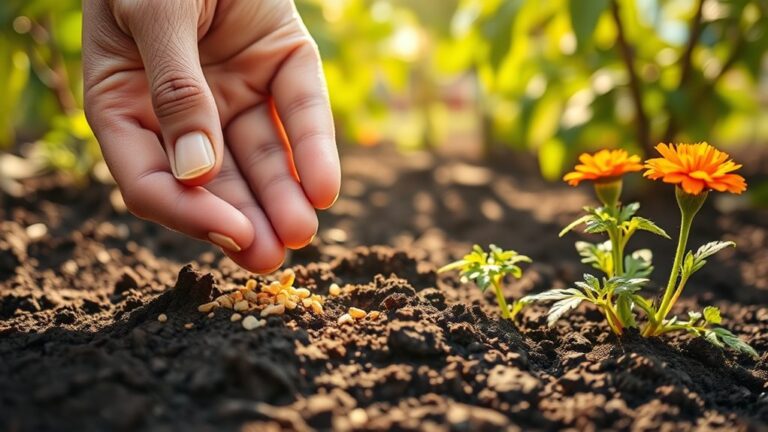
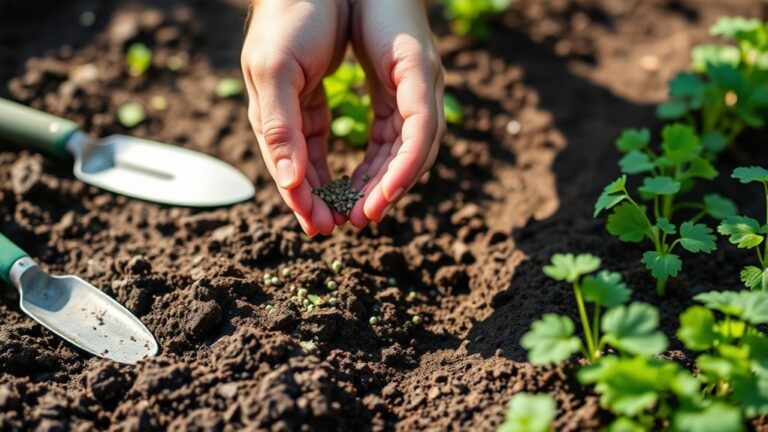
Once the taproot is about 1-2 cm long, gently plant the seed root downward about 1 cm deep in a light, well-draining seedling soil mix. Keeping a moist but not saturated environment helps delicate roots develop.
Avoid using heavy soils or overwatering at this stage since seedlings need oxygen at the root zone. Cover newly planted seeds loosely to keep humidity but allow fresh air circulation.
- Use sterile, light soil mixes
- Plant seed root downwards 1 cm deep
- Maintain consistent moisture without waterlogging
For more on this, see our related guide: How to Transplant Cannabis Seedlings: Step-by-Step Guide for Healthy Growth.
Seedling Environment Requirements
Provide about 18-24 hours of gentle light daily using fluorescent or LED grow lights set a few inches above the seedlings to prevent stretching.
Keep temperature between 20-25°C (68-77°F) and humidity levels around 60-70% initially, then gradually reduce humidity as seedlings mature to prevent fungal issues.
Vegetative Stage Growth
Optimizing Light and Nutrients
During vegetative growth, cannabis plants require 18-24 hours of bright light daily to encourage leaf and stem development. Using high-quality LED or HID lights close to the canopy promotes strong growth.
Apply balanced nutrients high in nitrogen suited for vegetative phases. Be cautious to avoid nutrient burn by following feeding schedules and monitoring plant response.
- 18-24 hours of bright light daily
- Nitrogen-rich nutrient feeding
- Regular observation to adjust water and nutrients
Training and Pruning Techniques
Techniques such as topping, low-stress training (LST), and pruning help shape plants for better light penetration and increased bud sites.
Removing lower shoots and damaged leaves focuses energy on main growth tips and improves airflow around the plant, reducing disease risks.
- Topping to encourage branching
- Low-stress training for canopy control
- Selective pruning to improve airflow
Flowering and Harvest
Inducing Flowering and Monitoring
Switch light cycles to 12 hours on and 12 hours off to trigger flowering in photoperiod strains. Monitor buds for trichome development and pistil color to determine maturity.
Ensure nutrition shifts to lower nitrogen and higher phosphorus and potassium levels to support bud growth and resin production.
For more on this, see our related guide: How to Germinate Cannabis Seeds: A Step-by-Step Guide for Successful Growth.
Harvesting and Drying
Harvest when trichomes shift from clear to milky white or amber depending on desired effects. Cut branches carefully and hang buds in a dark, ventilated space with 50-60% humidity to dry slowly.
Proper drying preserves cannabinoids and terpenes, avoiding mold or loss of potency.
- Check trichomes with magnification
- Dry in cool, dark, ventilated area
- Maintain humidity between 50-60%
Common Problems Growing Cannabis from Seed
Pests and Diseases
Watch for spider mites, aphids, and powdery mildew, which can stress young and mature plants. Early detection through regular inspection helps prompt treatment.
Organic pest control options include neem oil, insecticidal soaps, and introducing beneficial insects like ladybugs.
- Regularly check leaves and stems
- Apply organic treatments upon first signs
- Maintain clean growing environment
For more detailed scientific information, refer to Wikipedia’s section on the germination process of cannabis seeds. germination process of cannabis seeds.
Nutrient Deficiencies and Environmental Stress
Yellowing leaves or stunted growth often indicate nutrient imbalances or pH issues in the soil or water. Maintain pH between 6.0 and 7.0 and adjust feeding accordingly.
Temperature extremes and poor humidity control also negatively affect cannabis development and yield. Keep environment stable within recommended ranges throughout stages.
Cannabis Seed Types Comparison
This table compares regular, feminized, auto-flowering, and CBD-rich cannabis seeds highlighting their key traits to help choose based on growing goals.
| Seed Type | Flowering Time | Plant Sex | Yield Potential | Difficulty Level |
|---|---|---|---|---|
| Regular Seeds | 8-11 weeks | Male or Female | High | Moderate |
| Feminized Seeds | 8-11 weeks | Mostly Female | High | Easy |
| Auto-flowering Seeds | 6-9 weeks | Mostly Female | Moderate | Easy |
| CBD-rich Seeds | 8-11 weeks | Mostly Female | Moderate | Moderate |
Frequently Asked Questions
How long does it take for cannabis seeds to germinate?
Cannabis seeds typically germinate within 24 to 72 hours when kept moist and warm, though some seeds may take up to a week under less optimal conditions.
Can I germinate cannabis seeds directly in soil?
Yes, planting seeds directly into moist, light soil is effective, but germination may be slower and less controllable compared to the paper towel method.
What environmental conditions are best for cannabis seedling growth?
Seedlings thrive in temperatures between 20-25°C with 60-70% humidity and require 18-24 hours of gentle light for healthy development.
Should I use fertilizers during the seedling stage?
Generally, seedlings need very light or no fertilizer as their first leaves provide initial nutrients; overfeeding can damage tender roots.
How can I tell if my cannabis seed is viable?
A viable seed is typically dark-colored with stripes, firm to the touch, and will crack open to reveal a white taproot during germination.
Key Takeaways
- Start with quality seeds from reliable sources for best germination.
- Use the paper towel method or direct planting for germination.
- Maintain warm, humid, and well-lit environments for seedlings.
- Adjust nutrients and light cycles as plants progress through growth stages.
Conclusion
Deciding how to grow cannabis from seed involves understanding each growth phase and providing the right conditions for each stage. From selecting mature, quality seeds to nurturing seedlings and managing flowering, careful attention is essential to maximize plant health and yield.
For beginners seeking straightforward success, feminized seeds paired with the paper towel germination method and controlled indoor environments offer the most predictable results. Those with outdoor space or interest in faster cycles might explore auto-flowering seeds, while experienced growers can experiment with regular or CBD-specific genetics.
Starting your cannabis growing journey from seed is rewarding and educational. Begin by gathering high-grade seeds and preparing your germination setup, then monitor plants closely through all stages. This practical approach leads to healthy plants and satisfying harvests.