What Is Hemp Used For? Exploring the Versatile Applications of Hemp
Hemp is used in a diverse range of products spanning textiles, food, construction, paper, and even biofuel. Its strong fibers, nutritious seeds, and sustainability have made it a valuable plant for centuries. Today, hemp's applications have grown beyond traditional uses to include innovative industries.
Understanding what hemp is used for sheds light on its importance in eco-friendly manufacturing and wellness markets alike. Its ability to produce biodegradable materials and nutrient-rich products highlights why hemp is gaining renewed attention worldwide.
This article breaks down hemp's primary uses, focusing on its industrial, nutritional, and environmental roles. You'll learn how different parts of the hemp plant contribute to various products and which sectors benefit the most from hemp integration.
Hemp Fiber Uses in Textiles and Beyond
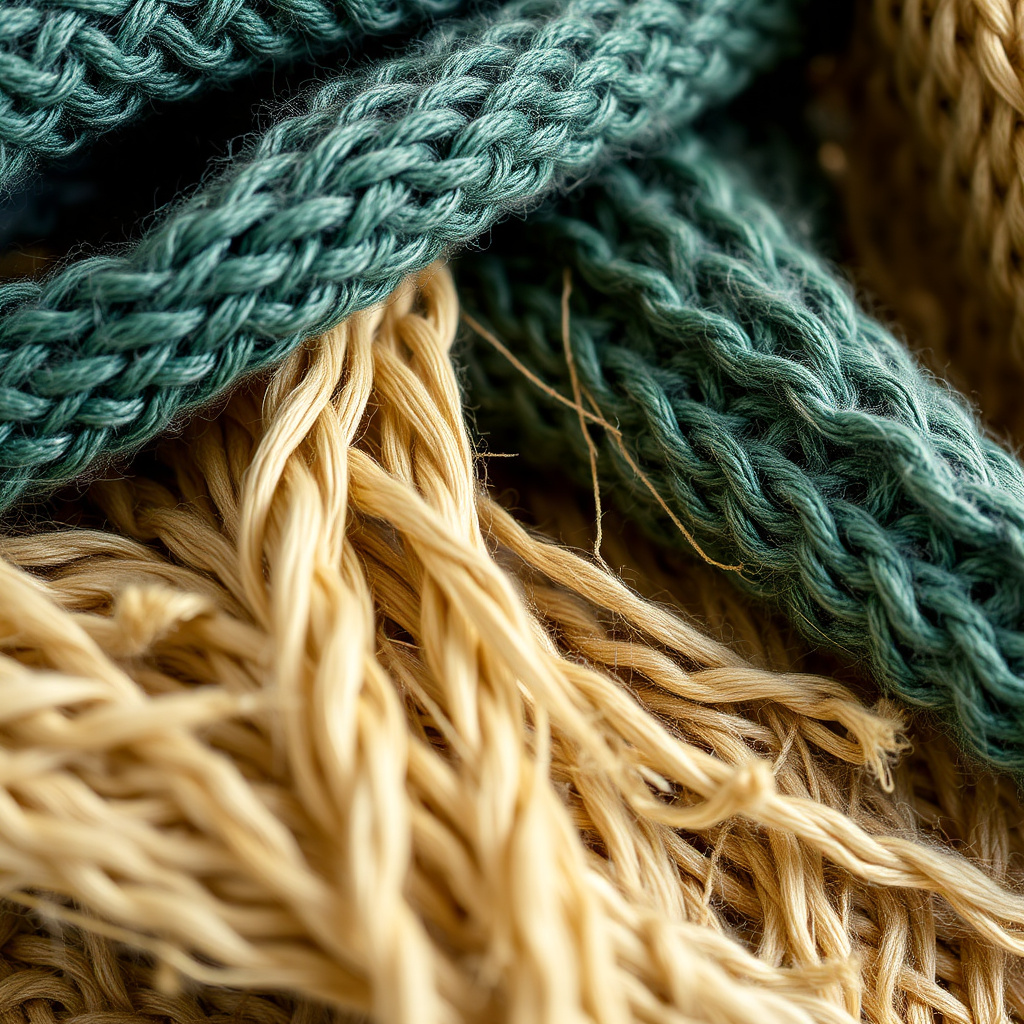
Hemp Fiber Applications in Clothing and Accessories
Hemp fibers are valued for their durability and breathability, making them ideal for textiles such as clothing, bags, and shoes. Often blended with cotton or synthetic fabrics, hemp enhances strength and longevity while offering a natural texture.
Clothing made from hemp tends to be resistant to UV light and mold, maintaining quality over time. The improved hemp fiber applications also promote sustainable fashion by reducing reliance on water-intensive cotton.
- Durable and breathable fiber
- Blends well with other materials
- UV and mold resistant
- Supports sustainable fashion
Industrial Uses of Hemp Fiber
Beyond textiles, hemp fibers are used in composite materials for automotive parts and construction. Hemp fiber panels provide lightweight strength and sound insulation, making them a popular choice in eco-conscious building projects.
The fibers also contribute to paper production, offering a faster-growing alternative to wood pulp. This reduces deforestation and production costs while maintaining quality paper standards.
- Car interior panels
- Insulating building materials
- Eco-friendly paper
- Lightweight construction composites
Nutritious and Culinary Uses of Hemp
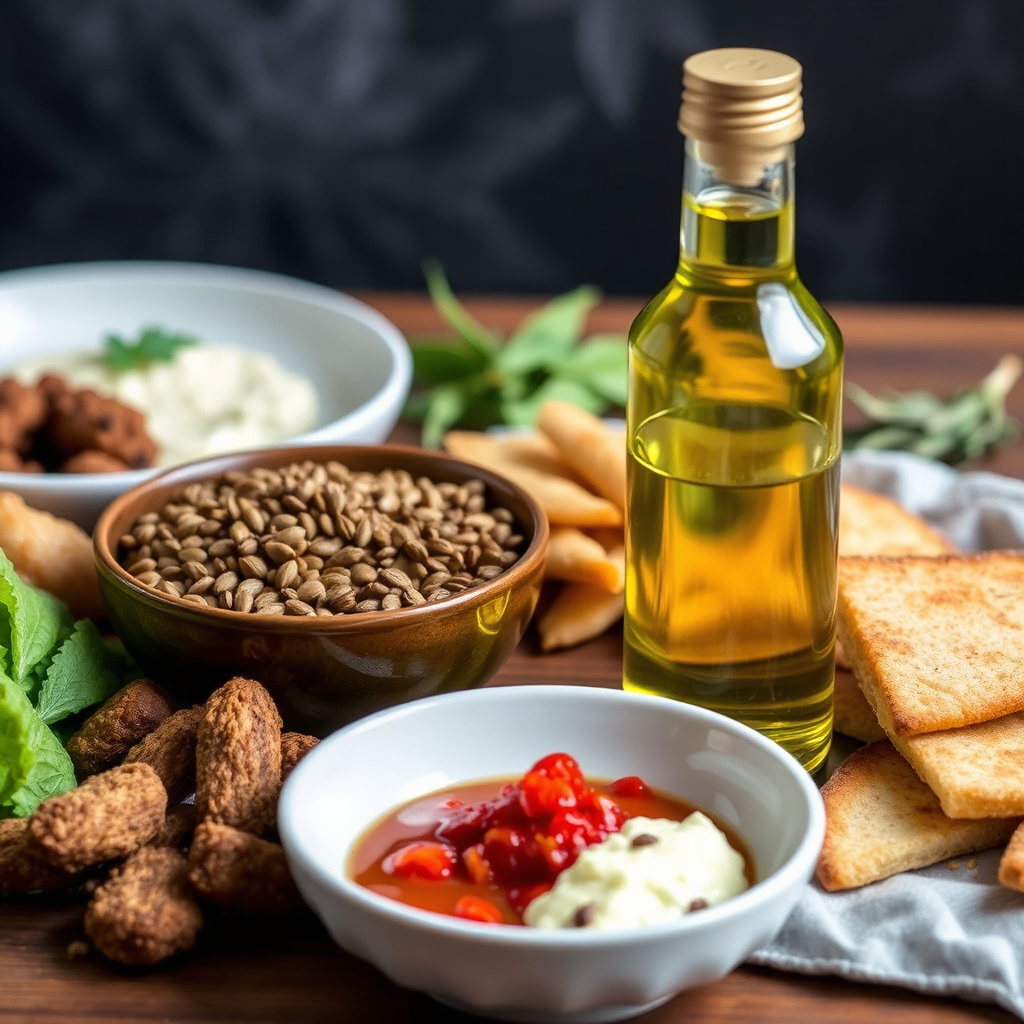
Hemp Seeds and Their Nutritional Value
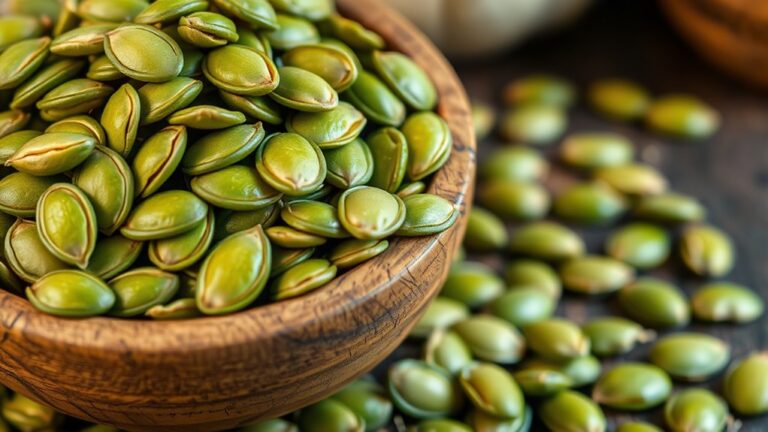
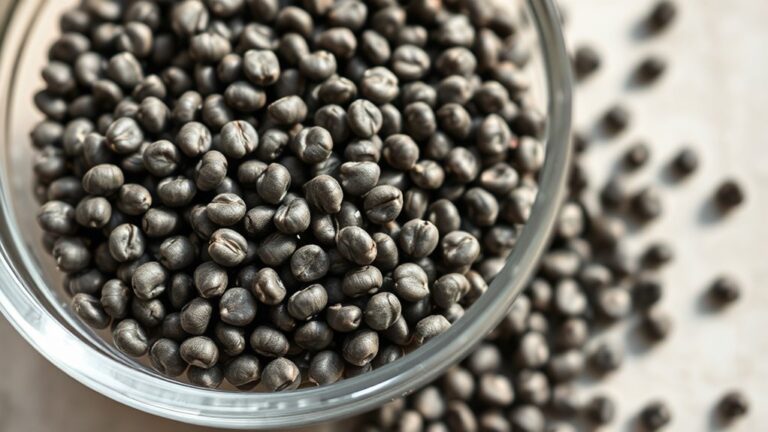
Hemp seeds are highly nutritious, packed with protein, essential fatty acids, and fiber. They are often consumed raw, sprouted, or as hemp seed oil, which is rich in omega-3 and omega-6 fatty acids vital for heart and brain health.
The seeds are also popular in health foods like granola bars, smoothies, and salad toppings, appreciated for their mild nutty flavor and versatility.
- High in plant-based protein
- Rich in essential fatty acids
- Good source of fiber
- Used in snacks and cooking
For more on this, see our related guide: What Are Hemp Seeds and Why Are They Popular?.
Using Hemp Oil for Cooking and Wellness
Cold-pressed hemp seed oil serves as a flavorful cooking oil or salad dressing due to its nutty taste and mild aroma. It is not suitable for high-heat cooking but shines in raw applications to preserve its nutrients.
In wellness, hemp oil is praised for skin hydration and anti-inflammatory properties when applied topically. Its balance of fatty acids makes it common in cosmetic and personal care products.
- Cold-pressed and nutrient-rich
- Used in dressings and dips
- Popular in skincare products
- Anti-inflammatory benefits
Hemp in Construction and Environmental Applications
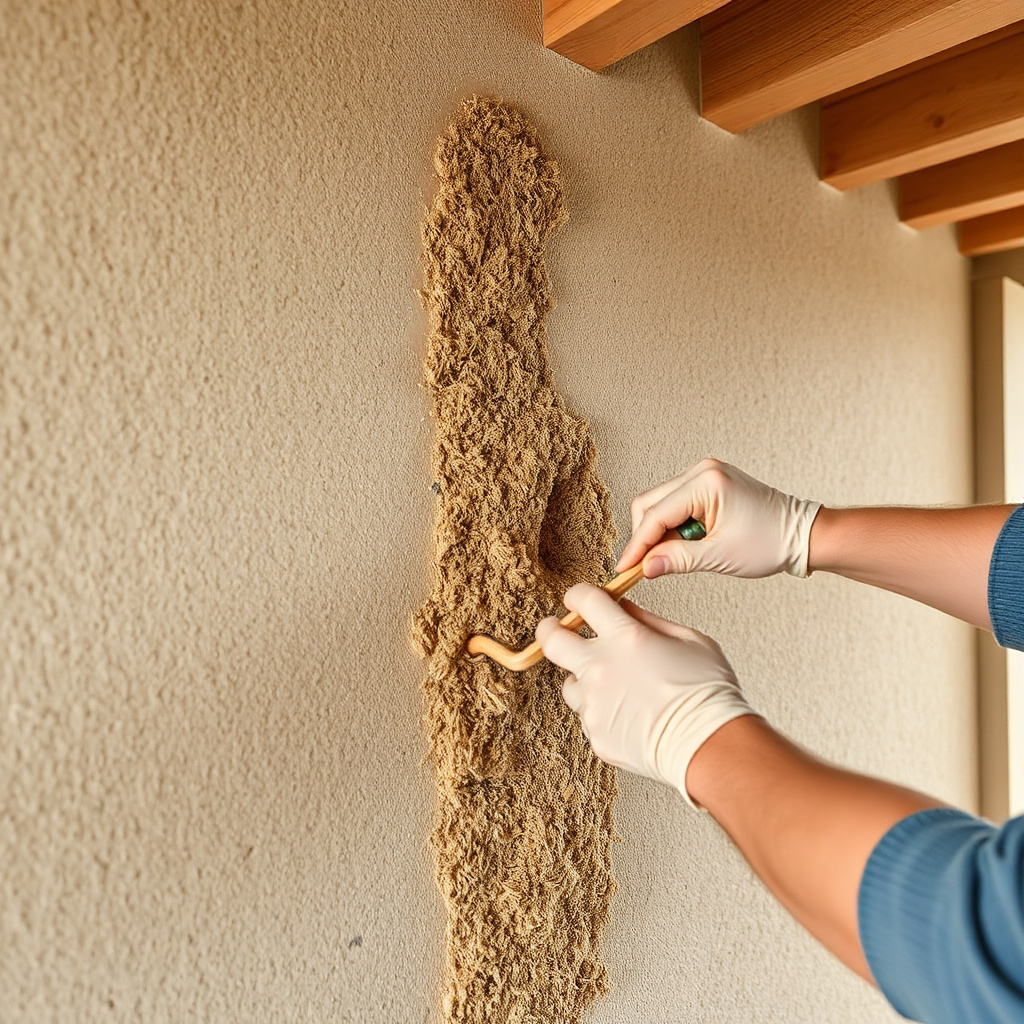
Hempcrete as a Sustainable Building Material
Hempcrete, made from hemp hurds mixed with lime, is an insulating, lightweight, and fire-resistant alternative to traditional concrete. It also sequesters carbon, helping reduce a building's overall carbon footprint.
Its breathability prevents moisture buildup while regulating indoor air quality, which contributes to healthier living environments.
- Environmentally friendly insulation
- Carbon-sequestering material
- Moisture regulation in buildings
- Fire-resistant and lightweight
Soil Remediation and Crop Rotation Benefits
Hemp plants help improve soil health by adding organic matter and suppressing weeds naturally, making them valuable in crop rotation systems. Hemp’s deep roots also break up compacted soil layers, enhancing aeration and water retention.
Because hemp requires fewer pesticides and herbicides, its cultivation lessens chemical runoff, supporting sustainable farming.
- Improves soil structure
- Reduces need for chemicals
- Supports sustainable agriculture
- Prevents soil erosion
Hemp-Based Products in Everyday Life
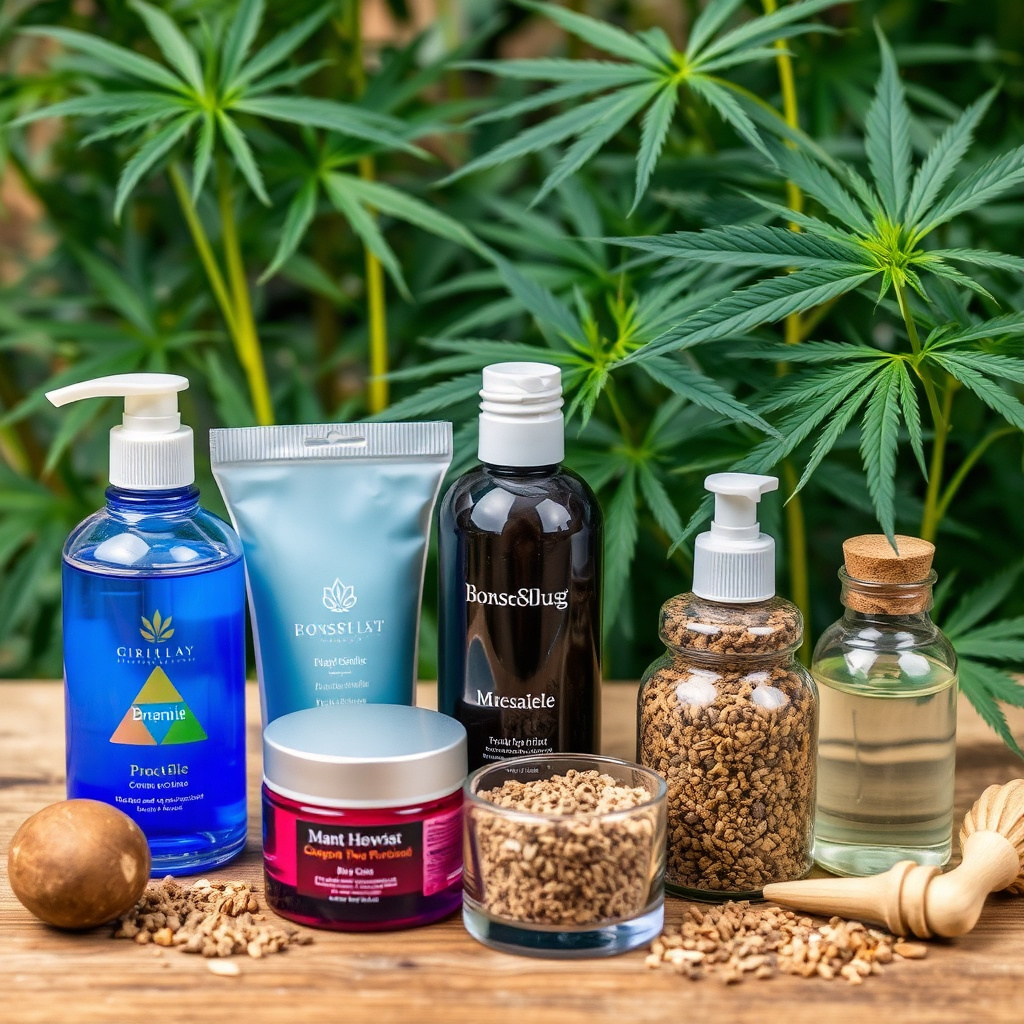
Hemp Paper and Packaging
Hemp offers a renewably sourced alternative to wood in paper production, with fibers that yield longer-lasting sheets free from yellowing. Nowadays, hemp paper appears in notebooks, currency, and even eco-friendly packaging materials.
Its fast growth cycle means hemp can be harvested multiple times per year, vastly improving supply sustainability.
- Durable, high-quality paper
- Used in notebooks and packaging
- Renewable resource
- Reduces deforestation
For more on this, see our related guide: What Are Hemp Seeds?.
Biodegradable Plastics and Hemp-Based Composites
Hemp fibers can be integrated into bioplastics and composites, providing biodegradable alternatives to petroleum-based plastics in products like containers, automotive parts, and consumer goods.
These products break down more readily in the environment, decreasing pollution while leveraging hemp's strength and flexibility.
- Reduces plastic pollution
- Strong and flexible composites
- Used in automotive and packaging
- Biodegradable end products
Legal and Industrial Challenges of Hemp Use
Regulatory Restrictions on Hemp Cultivation
Despite hemp's versatility, legal restrictions on cultivation still exist in many regions due to its association with cannabis. Regulations often limit THC levels and mandate licensing, complicating farming and product distribution.
These laws can affect the availability of hemp for textile, food, and industrial applications, influencing market growth and investment.
- THC content limits
- Licensing requirements
- Varied regional laws
- Impact on supply chain
For a comprehensive overview of hemp's history and uses, you can visit Hemp on Wikipedia. Hemp on Wikipedia.
Economic and Supply Chain Considerations
The hemp industry faces challenges including inconsistent quality standards, limited processing infrastructure, and fluctuating market demand. These factors can increase production costs and affect product availability.
Investment in supply chains and education about hemp’s benefits are gradually overcoming these obstacles, encouraging adoption across industries.
- Quality control issues
- Processing facility scarcity
- Variable consumer demand
- Growing industry awareness
Comparison of Major Hemp Product Categories
Below is a comparison of hemp’s prominent uses, highlighting their benefits, challenges, and typical applications.
| Category | Primary Use | Key Benefits | Common Challenges |
|---|---|---|---|
| Textiles | Clothing and accessories | Durability, breathability, sustainable | Processing costs, fabric blending |
| Nutrition | Food and oil products | High protein, essential fatty acids | Allergen concerns, short shelf life |
| Construction | Hempcrete and insulation | Eco-friendly, carbon-sequestering | Building code acceptance, supply limits |
| Paper & Packaging | Renewable paper products | Reduces deforestation, durable | Higher initial cost, limited mills |
| Bioplastics | Biodegradable composites | Reduces plastic pollution | Market competition, technology maturity |
Frequently Asked Questions
Can hemp be used to make durable clothing?
Yes, hemp fibers are strong and breathable, making them ideal for durable clothing that lasts longer and resists UV damage compared to some natural fibers.
Is hemp seed oil good for cooking?
Hemp seed oil is excellent for low-heat cooking and salad dressings due to its nutritional properties, but it is not recommended for high-temperature cooking because it can degrade easily.
What makes hempcrete different from regular concrete?
Hempcrete is lightweight, breathable, and carbon-sequestering. Unlike traditional concrete, it offers insulation and moisture regulation, though it does not have the same load-bearing strength.
Are there legal restrictions on growing hemp?
Yes, many countries regulate hemp cultivation by limiting THC content and requiring licenses to ensure compliance with laws differentiating hemp from psychoactive cannabis.
How does hemp help the environment?
Hemp improves soil health by reducing the need for pesticides and herbicides, prevents erosion with its strong roots, and offers biodegradable alternatives to synthetic materials.
Key Takeaways
- Hemp is utilized in textiles, food, construction, and more for its strength and sustainability.
- Nutritious hemp seeds and oil support health-conscious diets with essential nutrients.
- Eco-friendly hempcrete and fiber composites offer alternatives to conventional materials.
- Legal and market challenges affect hemp's widespread adoption but are improving.
Conclusion
Determining what hemp is used for reveals its broad potential across multiple industries, driven by its natural properties and eco-friendly profile. Choosing among hemp-based products involves considering factors like durability, nutritional benefits, and environmental impact, balanced against legal or economic hurdles. Evaluating your specific needs—from sustainable textiles to nutritious food or green building materials—can guide practical decisions.
If you are seeking durable clothing or eco-conscious fashion, hemp fiber applications offer a compelling option blended with cotton or synthetic fibers. For those interested in nutrition, hemp seeds and oils provide plant-based protein and valuable fatty acids. Meanwhile, hempcrete offers builders a sustainable and breathable alternative to concrete. Everyday consumers also encounter hemp in biodegradable plastics and specialty papers that reduce environmental footprints.
Ultimately, exploring hemp products actively supports a shift toward sustainable resources. Begin by researching products aligned with your priorities and local regulations. Accessing hemp items from reputable sources ensures quality, enabling you to benefit from this versatile plant's contributions to health, environment, and industry.