Essential Nutrients Seedlings Need for Healthy Growth
Seedlings need a specific set of nutrients to thrive during their early growth stages, with nitrogen, phosphorus, and potassium being the primary elements required. These macronutrients support leaf development, root growth, and overall plant energy. Without these key nutrients, seedlings may become weak, stunted, or fail to develop properly.
Healthy seedlings form the foundation for vigorous plants, so understanding their nutrient needs early on is important for gardeners and farmers alike. Nutrients influence everything from cell division to photosynthesis, directly impacting the plant's ability to survive and adapt as it matures.
This article will explore the major nutrients seedlings require, explain their roles, and provide guidance on how to supply these nutrients effectively. It also covers secondary and trace elements, nutrient absorption, and common nutrient deficiencies seen in young plants.
Understanding Primary Nutrients Seedlings Need
The Role of Nitrogen in Seedling Growth
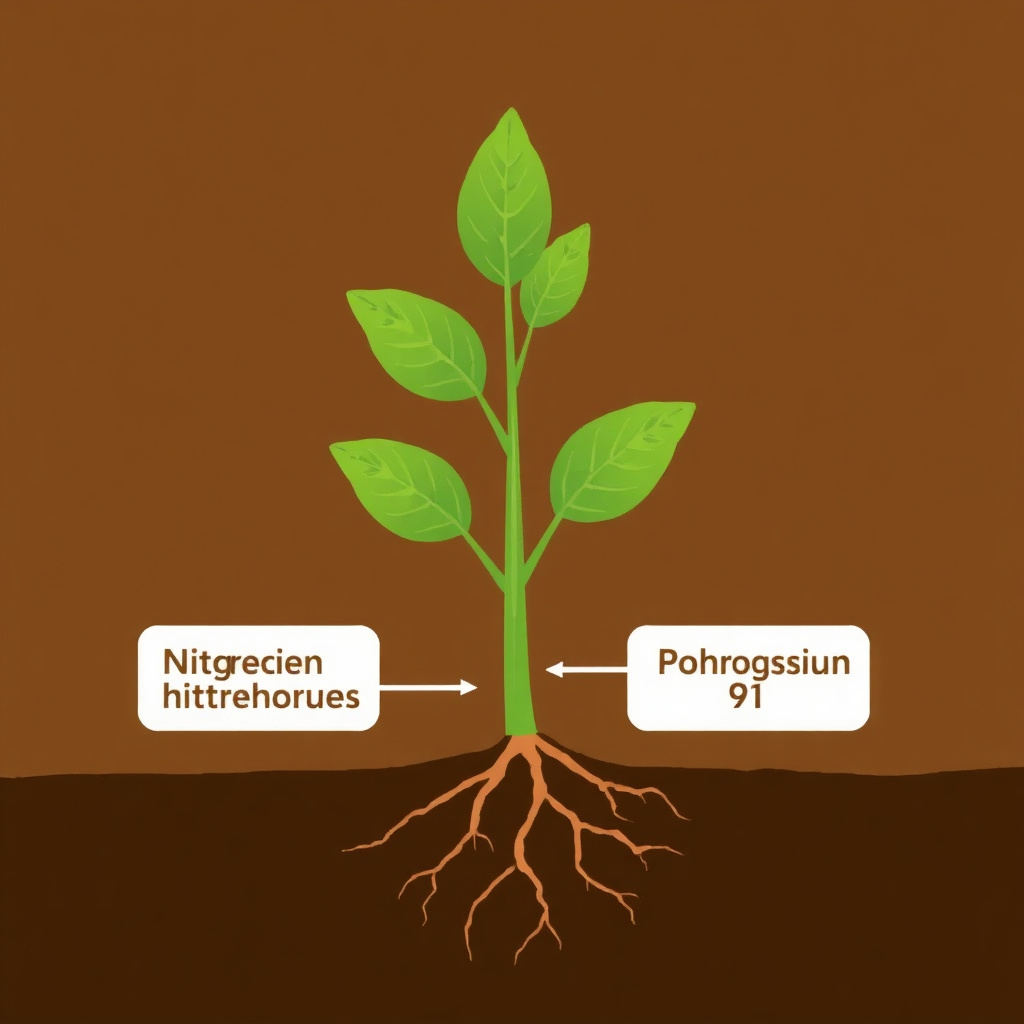
Nitrogen is vital for seedling growth as it is a major component of chlorophyll, the molecule responsible for photosynthesis. It also forms amino acids, the building blocks of proteins needed for cell division and tissue growth. An adequate nitrogen supply encourages lush, green foliage development in seedlings.
Without enough nitrogen, seedlings exhibit yellowing leaves and slow growth. However, excess nitrogen can lead to weak stems and increased susceptibility to disease, so balance is key during the seedling stage.
Phosphorus Encourages Strong Root Systems
Phosphorus supports energy transfer within seedlings through ATP, enabling efficient root growth and overall development. It plays a critical role in DNA and cell membrane formation, which are essential during rapid cell division in seedlings.
Deficient phosphorus can stunt root growth, resulting in poor nutrient uptake later in the plant’s life cycle. Applying phosphorus in the early stages helps establish a healthy root network capable of supporting the seedling as it matures.
Potassium and Its Importance for Seedling Health
How Potassium Supports Cell Function and Stress Resistance
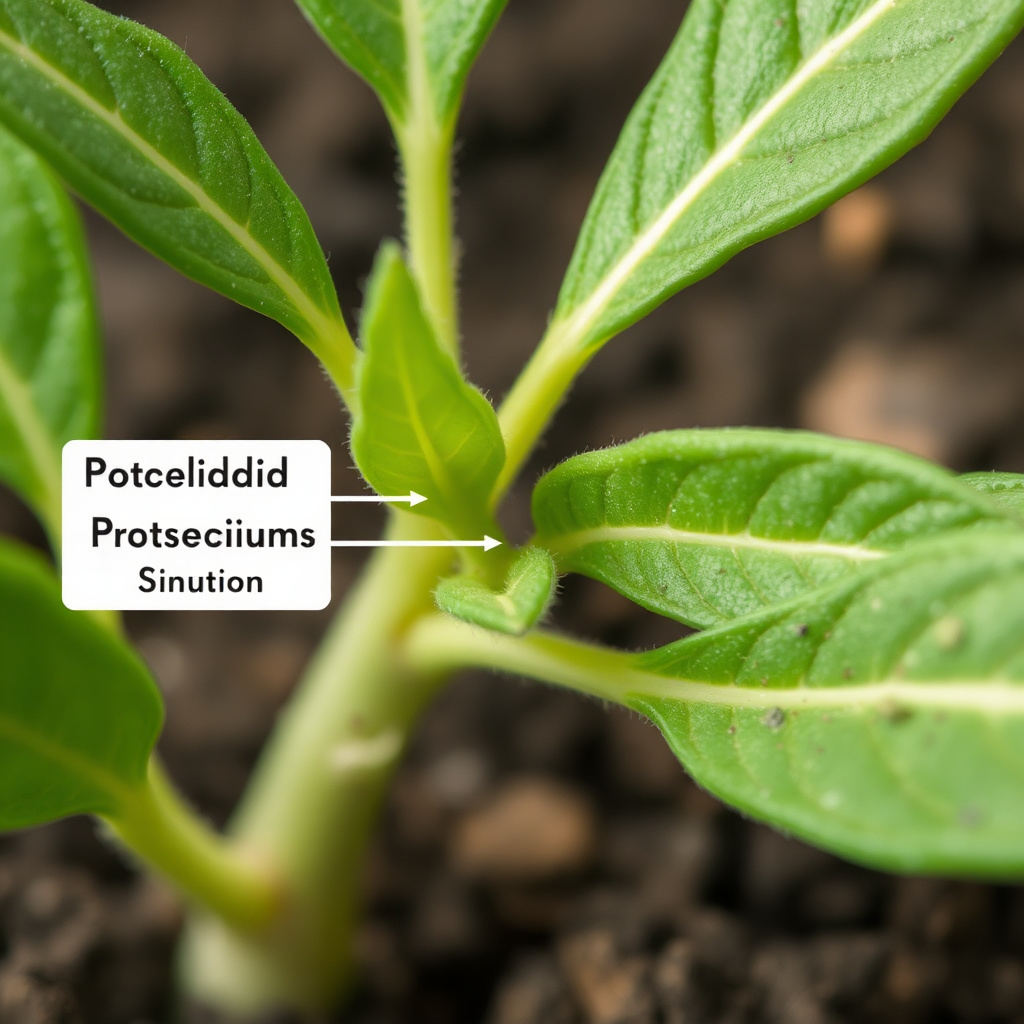
Potassium regulates water uptake and enzyme activation in seedlings, ensuring cells maintain proper turgor pressure which keeps leaves firm and upright. It also helps seedlings manage environmental stresses like drought and disease.
Lack of potassium leads to weak stems, leaf necrosis, and poor resilience. Balanced potassium levels enable seedlings to convert nutrients properly and develop a stronger foundation for growth.
Balancing Potassium with Other Nutrients
While potassium is essential, it must be balanced with nitrogen and phosphorus to avoid nutrient lockout, where excess of one nutrient interferes with absorption of others. Maintaining this balance ensures seedlings receive all the nutrient support needed during critical phases of growth.
Regular soil tests or nutrient solution adjustments can help gardeners maintain proper potassium levels relative to other primary nutrients.
Secondary Nutrients and Trace Elements in Seedling Development
Calcium and Magnesium: Supporting Cell Structure and Photosynthesis
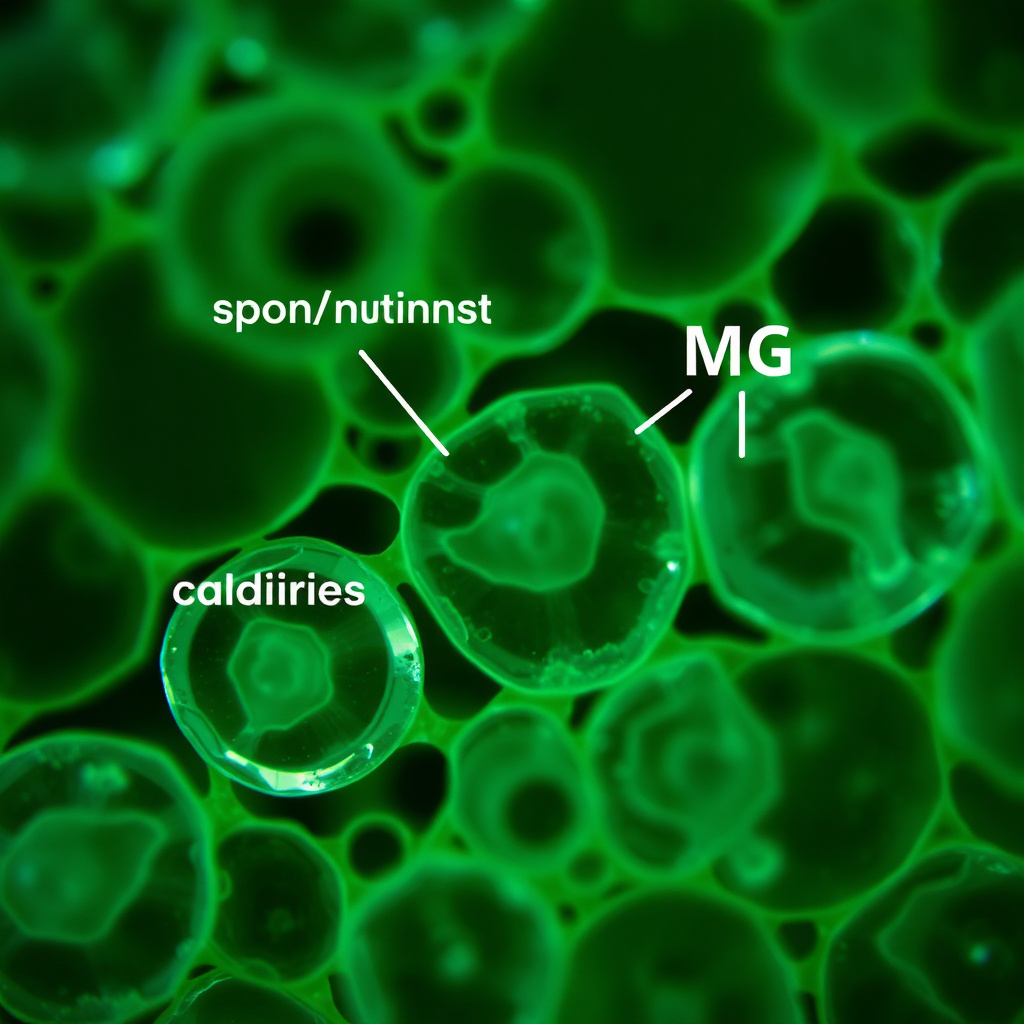
Calcium strengthens cell walls and supports signaling within seedlings, which is crucial during rapid growth phases for newly forming tissues. Magnesium is central to chlorophyll molecules and assists in photosynthesis.
Deficiencies in these secondary nutrients can lead to deformed leaves and slowed growth, highlighting their supportive but necessary role alongside the primary nutrients.
For more on this, see our related guide: How to Transplant Seedlings Without Stressing Your Plants.
The Role of Trace Elements Like Iron and Zinc
Trace elements such as iron and zinc are required in very small amounts but are essential for enzyme functions, hormone production, and chlorophyll synthesis. These micronutrients ensure metabolic processes proceed without interruption.
Though needed in tiny quantities, trace element deficiencies can severely affect seedling vigor if ignored, often showing as discoloration or stunted growth.
Nutrient Absorption and Delivery Methods for Seedlings
Soil-Based Nutrient Uptake Mechanisms
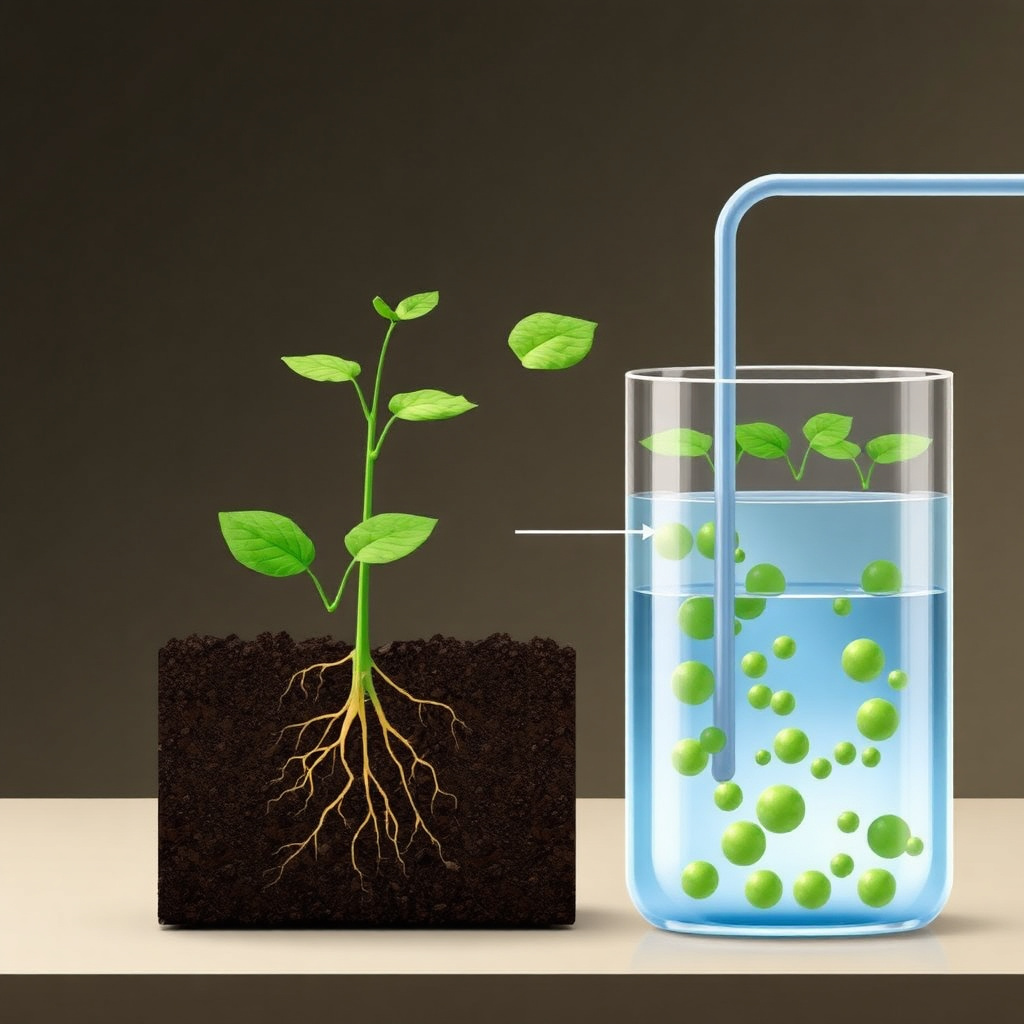
Seedlings absorb nutrients mainly through their root hairs, which take up dissolved minerals from the soil solution. Soil texture, pH, and moisture influence nutrient availability and uptake efficiency.
Maintaining properly balanced soil conditions including organic matter and moisture helps seedlings maximize nutrient absorption, impacting early growth positively.
Hydroponic and Foliar Feeding Techniques
Hydroponic systems deliver nutrients directly through water solutions, allowing precise control of seedling nutrient intake. Foliar feeding supplements nutrients through leaf sprays, offering a way to correct deficiencies quickly.
These methods are particularly useful in controlled environments or when rapid nutrient adjustment is needed, avoiding common soil-related uptake problems.
Common Nutrient Deficiencies in Seedlings and How to Address Them
Signs of Nitrogen, Phosphorus, and Potassium Deficiencies
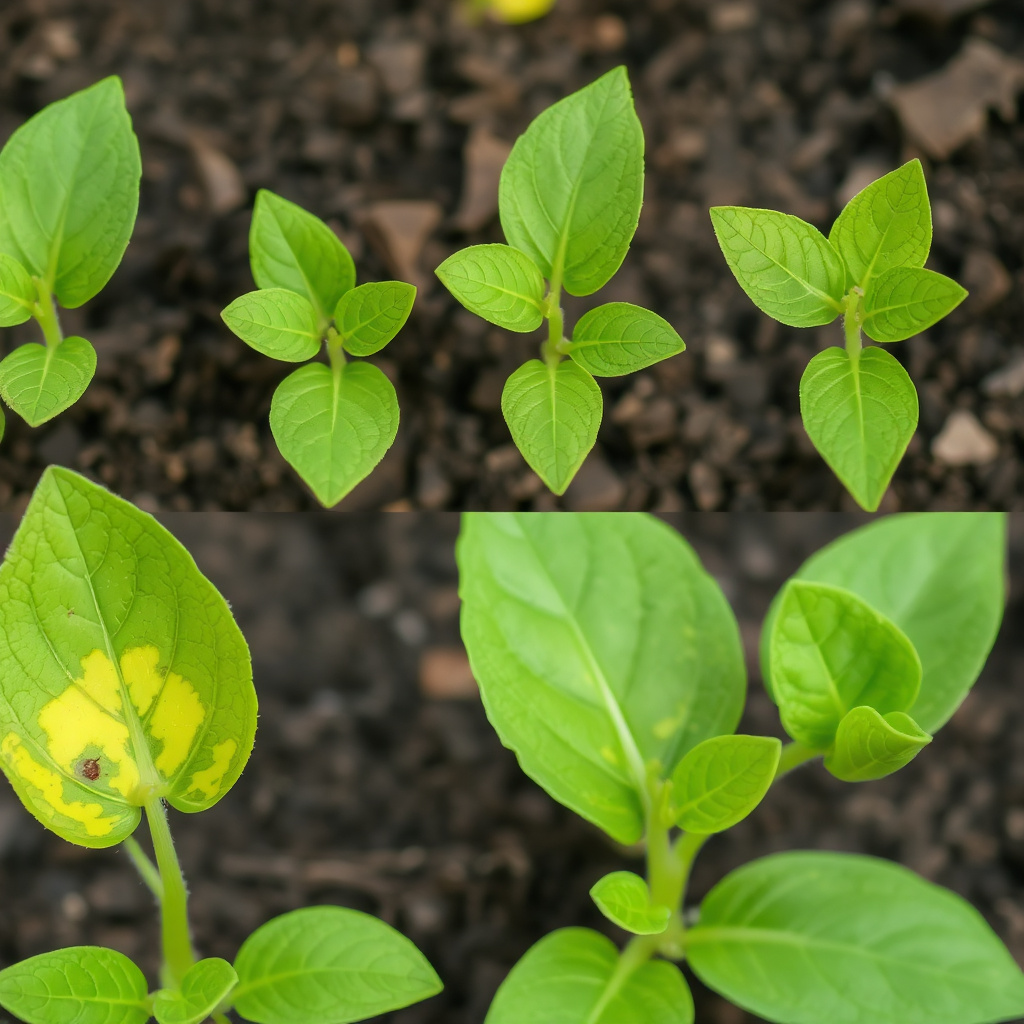
Nitrogen deficiency often appears as uniform yellowing or pale green leaves due to lack of chlorophyll. Phosphorus shortage usually results in purplish leaf discoloration and poor root growth. Potassium deficiency is characterized by browning leaf edges and weak stems.
Recognizing these symptoms early allows for targeted nutrient supplementation, aiding seedling recovery and healthy progression.
For more on this, see our related guide: Indoor vs Outdoor Cannabis Growing: Which Method Yields the Best Results?.
Addressing Secondary and Trace Nutrient Deficiencies
Calcium deficiencies lead to brittle or malformed leaves while magnesium shortage often causes interveinal chlorosis. Trace element shortages manifest as varied discolorations and growth abnormalities.
Appropriate use of micronutrient supplements or balanced fertilizers can correct these issues, but careful diagnosis is needed to avoid nutrient imbalances.
Monitoring and Adjusting Seedling Nutrient Needs Over Time
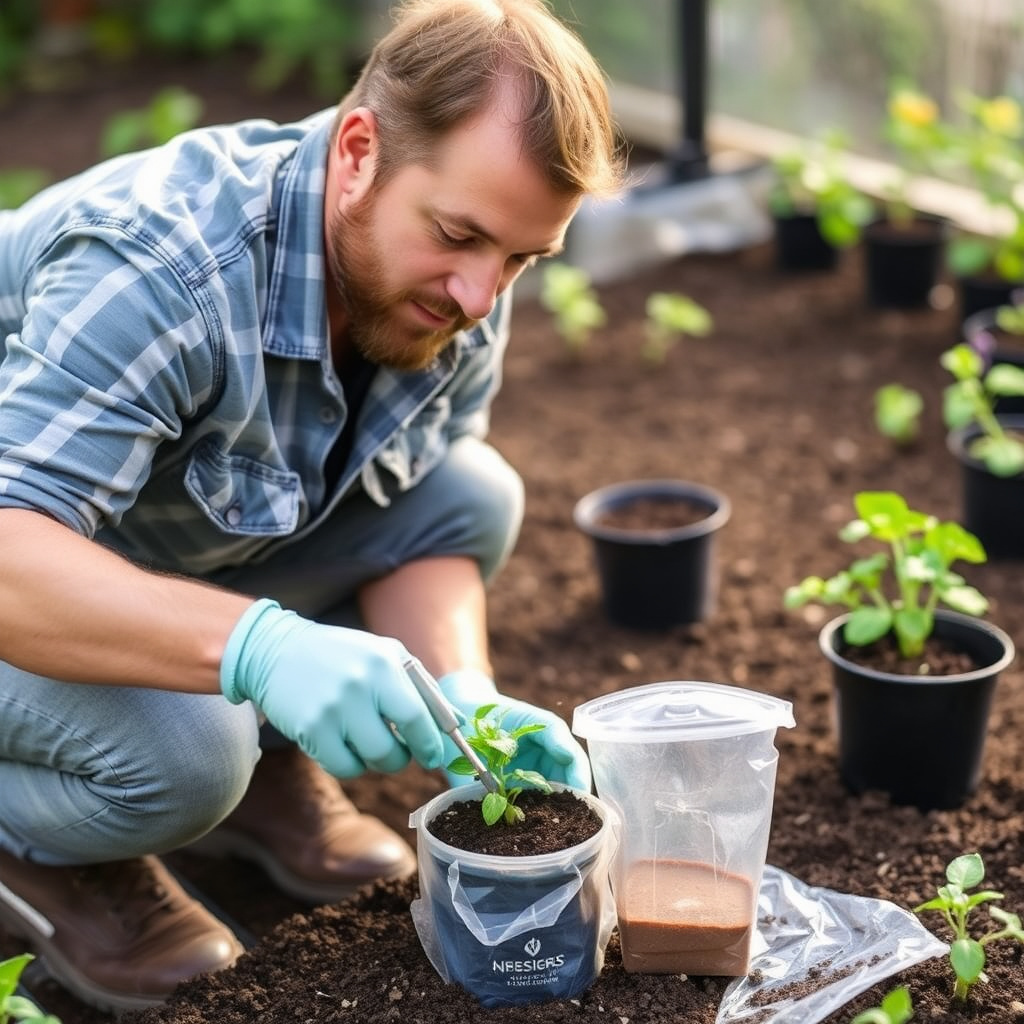
Using Soil and Tissue Testing for Nutrient Management
Regular soil and leaf tissue tests provide data on nutrient levels, allowing precise adjustments to fertilizer applications. These tests help maintain the right nutrient balance as seedlings transition through various growth stages.
Tracking these changes prevents over-fertilization and nutrient deficiencies that can slow or damage growth.
For those interested in a deeper scientific understanding, the Wikipedia page on plant nutrition offers comprehensive information. Plant nutrition on Wikipedia.
Adjusting Nutrient Supply as Seedlings Mature
Seedling nutrient requirements evolve, with early phases needing more phosphorus for root growth and later stages requiring increased nitrogen for leaf development. Adjusting nutrient supply accordingly supports strong growth transitions.
Following nutrient schedules specific to the plant species or growth system helps maintain consistent health and vigor throughout seedling development.
Comparison of Seedling Nutrient Delivery Methods
This table compares common methods of providing nutrients to seedlings based on ease, control, and suitability.
| Method | Control Level | Cost | Best For Seedling Stage |
|---|---|---|---|
| Soil Fertilization | Moderate | Low | Most seedlings in garden soil |
| Hydroponic Nutrient Solution | High | Moderate to High | Seedlings in controlled environments |
| Foliar Feeding | Rapid but Partial | Low to Moderate | Correcting nutrient deficiencies |
| Slow-Release Fertilizers | Low | Moderate | Long-term nutrient supply in soil beds |
Frequently Asked Questions
Why do seedlings need nitrogen?
Seedlings need nitrogen because it is essential for producing chlorophyll and proteins, which support photosynthesis and growth of leaves and stems.
Can seedlings grow without phosphorus?
Phosphorus is critical for root development and energy transfer, so seedlings cannot grow properly without sufficient phosphorus.
How do I know if my seedling has a potassium deficiency?
Common signs include browning or scorching on leaf edges, weak stems, and reduced stress tolerance in seedlings.
Is foliar feeding enough to meet seedling nutrient needs?
Foliar feeding supplements nutrient intake but is generally not sufficient alone; roots are the primary nutrient absorbers for seedlings.
When should I start fertilizing seedlings?
Fertilizing can begin once seedlings develop their first true leaves, usually about 1-2 weeks after germination.
Key Takeaways
- Nitrogen, phosphorus, and potassium are the primary nutrients needed by seedlings.
- Secondary nutrients and trace elements support cell structure and enzyme functions.
- Balanced nutrient supply and delivery method affect seedling health significantly.
- Monitoring for deficiencies and adjusting feeding helps seedlings develop strong roots and leaves.
Conclusion
Understanding what nutrients seedlings need is fundamental to supporting their healthy growth and ensuring strong plants later. The main nutrient trio—nitrogen, phosphorus, and potassium—work in concert to fuel the early stages of development by promoting leaf growth, root establishment, and physiological resilience. Together with secondary nutrients and trace elements, these provide a foundation for vigorous seedling growth. Paying attention to nutrient balance and delivery methods aligns with the natural uptake capacities of seedlings, preventing common problems that stunt progress.
For gardeners or growers, recognizing seedling nutrient requirements means tailoring fertilizer applications and delivery systems to the specific species and growth environment. Soil fertilization works well for garden seedlings, while hydroponics offers precise nutrient control for indoor or commercial settings. Complementary foliar feeding helps correct deficiencies rapidly. The balanced approach helps avoid nutrient imbalances or toxicities that can impair seedling health and future yield. Specific nutrient schedules matching seedling stages maximize the benefits of feeding and allow proactive adjustments based on observation and testing.
Starting with a clear nutrient plan for seedlings opens the door to successful plant development. Testing soil or nutrient solutions, observing seedling health regularly, and making adjustments according to nutrient uptake signals provide practical steps toward strong seedlings. Whether cultivating vegetables, flowers, or trees, supplying the essential nutrients thoughtfully prepares seedlings for transplantation and full maturation. Careful attention early on pays off in healthier, more productive plants later.