Understanding the Difference Between Hemp Seeds and Cannabis Seeds
Hemp seeds and cannabis seeds both come from plants in the Cannabis genus, but they serve distinct purposes and have different properties. Hemp seeds are primarily cultivated for industrial uses and nutritional benefits, containing negligible levels of THC, the psychoactive compound. In contrast, cannabis seeds are bred to grow plants with varying THC levels, often used for medicinal or recreational purposes.
The distinction matters because it affects legal status, cultivation methods, and end products. Hemp seeds are widely legal and used in food products, textiles, and supplements, while cannabis seeds are subject to stricter regulations due to their psychoactive potential. Recognizing these differences helps consumers and growers make informed choices and comply with regulations.
This article will explore how hemp and cannabis seeds differ in seed characteristics, chemical content, growth requirements, legality, and practical uses. We'll also compare categories to clarify how each type supports different industry and personal needs.
Botanical Differences Between Hemp Seeds and Cannabis Seeds
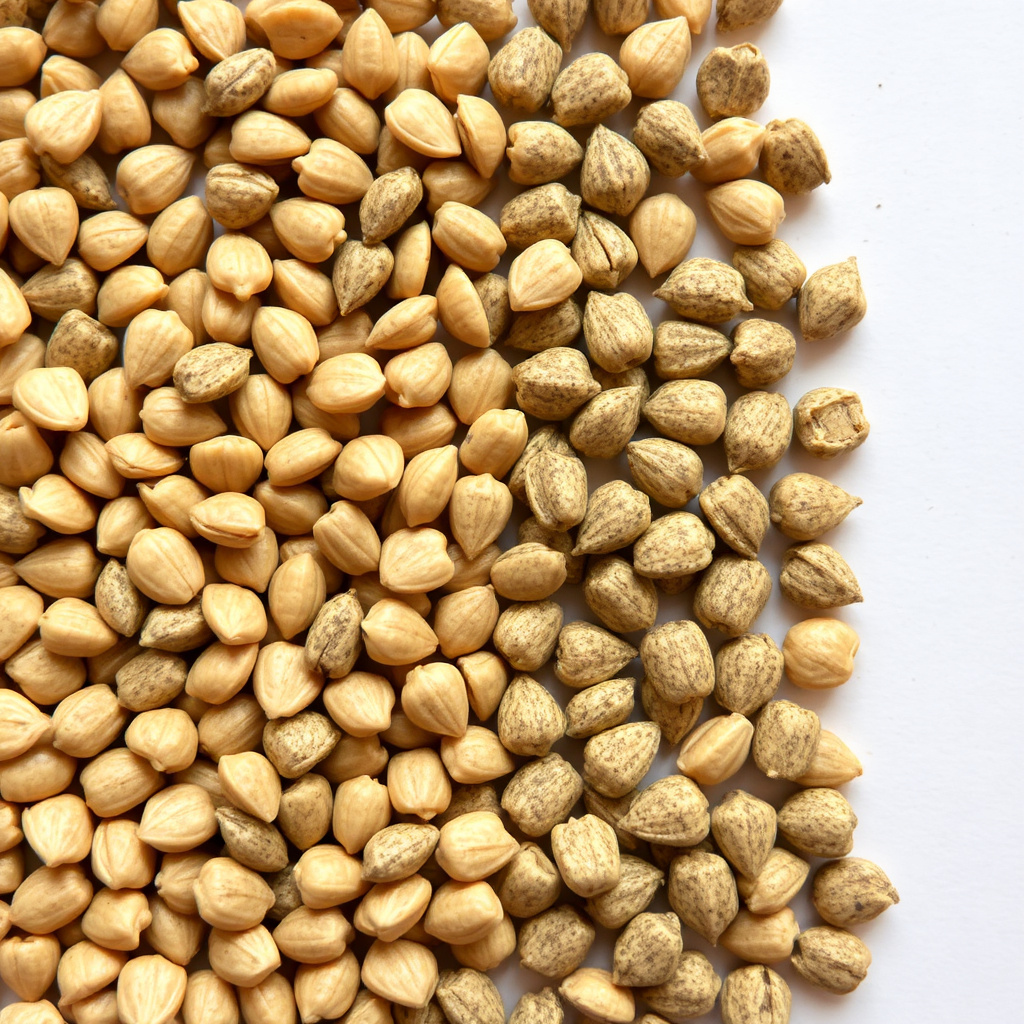
Physical Characteristics of Hemp Seeds
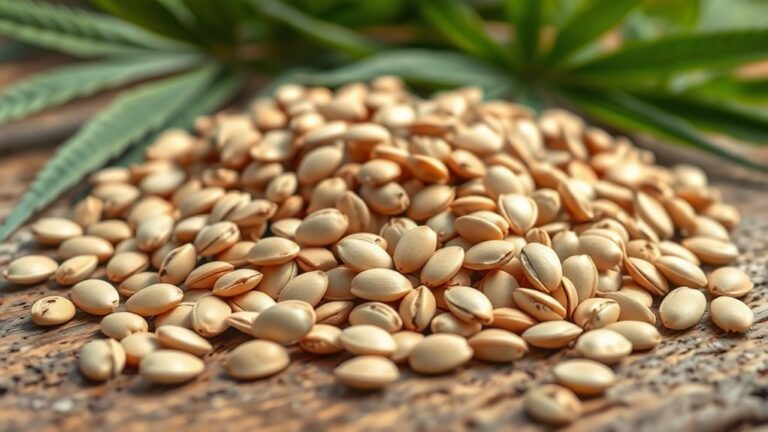
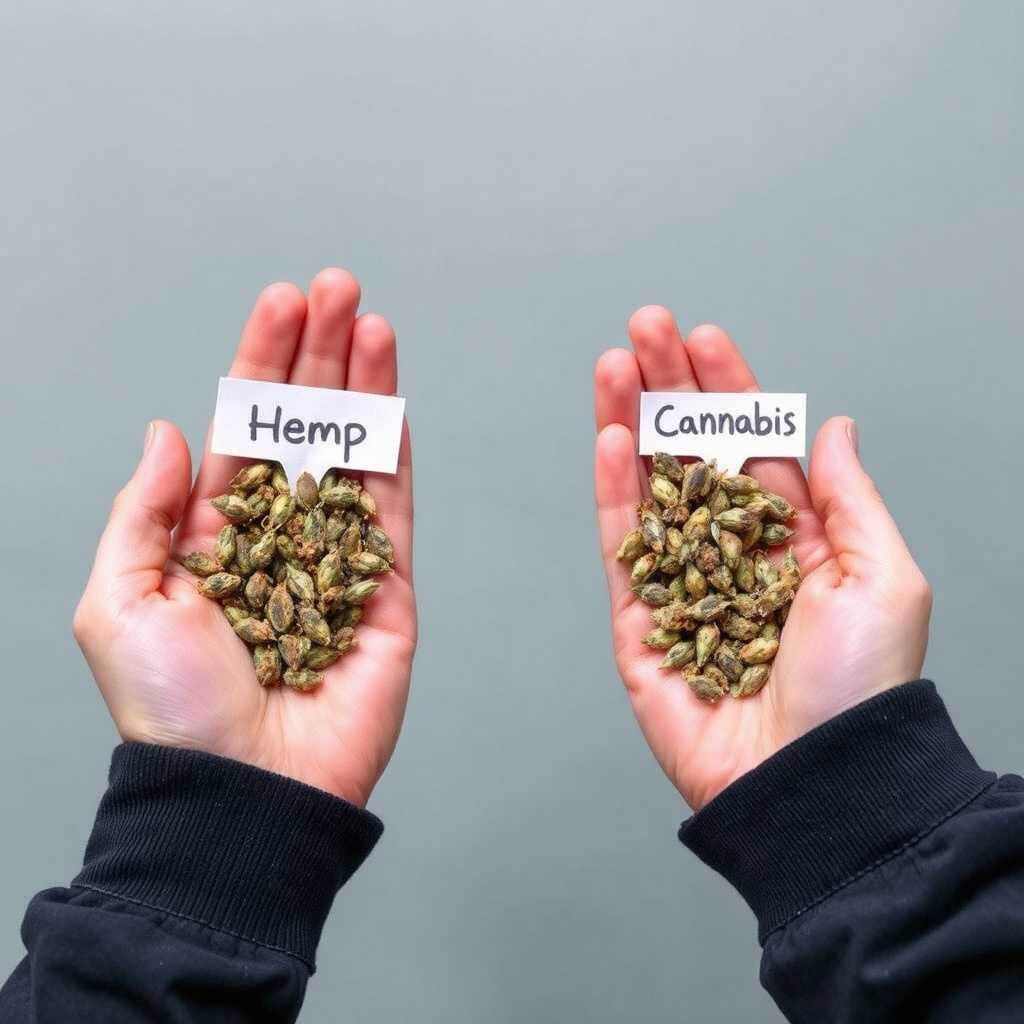
Hemp seeds are typically smaller, rounder, and have a smooth outer shell with a beige or light brown color. They lack the resinous coating found on cannabis seeds and are often used for their nutritional value rather than growing psychoactive plants.
These seeds have a hard outer shell that protects the nutritious inner core rich in protein, fatty acids, and fiber. Their uniform shape and mild flavor make them popular in health foods.
Physical Characteristics of Cannabis Seeds
Cannabis seeds vary more in size and coloration, often exhibiting mottled patterns with stripes or spots. They have a more resinous feel because they come from plants bred for higher cannabinoid content.
The seeds can be harder to identify by look alone, but breeders select them based on genetics for traits like THC levels, yield, and plant structure.
Chemical Composition and Psychoactive Properties
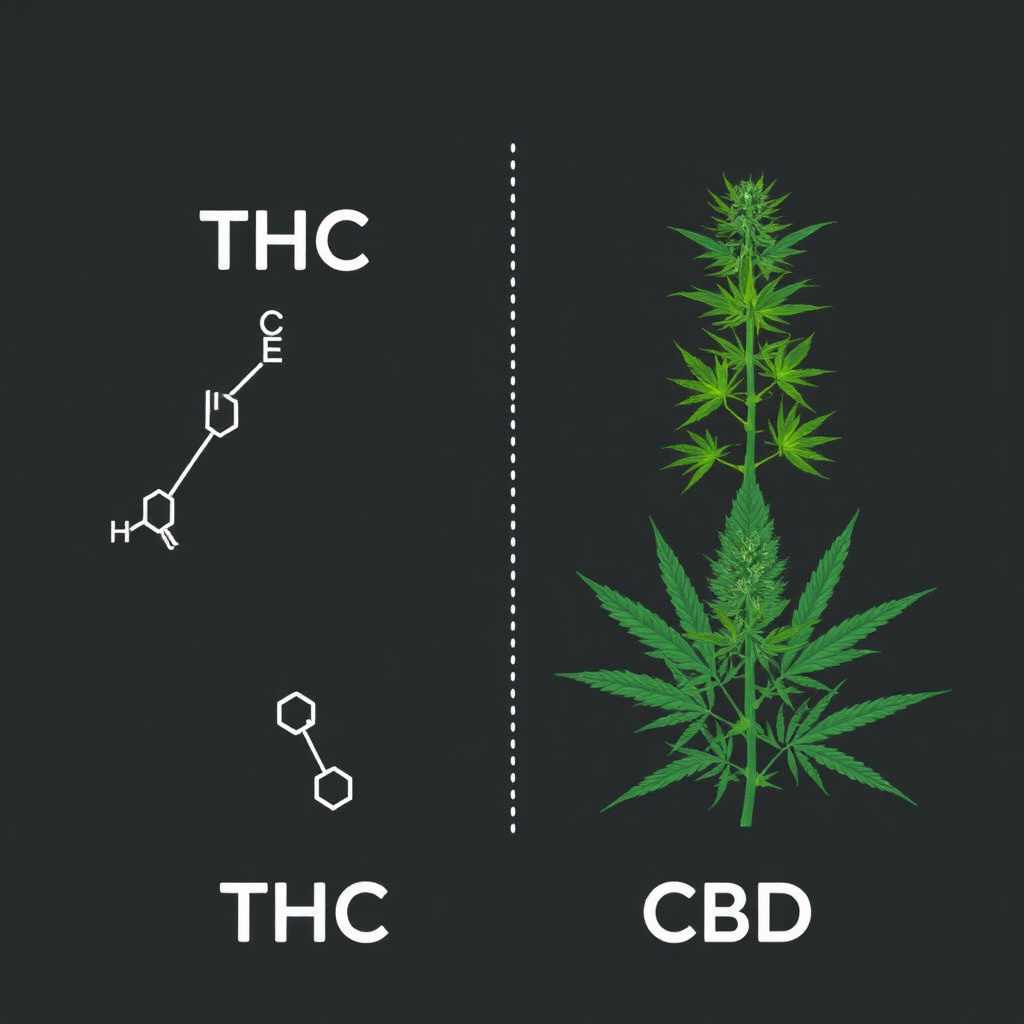
THC and CBD Levels in Hemp Seeds
Hemp seeds contain only trace amounts of THC, usually less than 0.3%, which is insufficient to produce any psychoactive effects. They are rich in cannabidiol (CBD), which is non-intoxicating and linked to various health benefits.
Because of their low THC content, hemp seeds are legal to consume and are often processed into oils, protein powders, and snacks without restrictions.
Cannabinoid Content in Cannabis Seeds
Cannabis seeds are cultivated from plants with varied THC concentrations, often exceeding 5% in psychoactive strains. These seeds carry genetics that enable the plant to produce significant THC levels.
CBD levels in cannabis can vary widely depending on the strain, with some bred specifically for high THC and others for balanced cannabinoid profiles.
Legal Status and Usage Regulations
Legal Aspects of Hemp Seeds
Hemp seeds and products derived from them are legal in many countries due to their low THC concentration. This allows for widespread use in food, cosmetics, and textiles with minimal regulatory hurdles.
Licensing requirements focus on maintaining the THC threshold below 0.3% during cultivation to distinguish hemp from regulated cannabis.
For more on this, see our related guide: Are Cannabis Seeds Legal in the USA? Understanding the Legal Landscape.
Legal Considerations for Cannabis Seeds
Cannabis seeds often face legal restrictions because they can germinate into plants producing psychoactive THC. Many countries regulate or prohibit their sale and possession unless authorized for medical or recreational use.
Users must comply with local laws and licensing if they intend to cultivate cannabis plants from these seeds.
Cultivation Differences
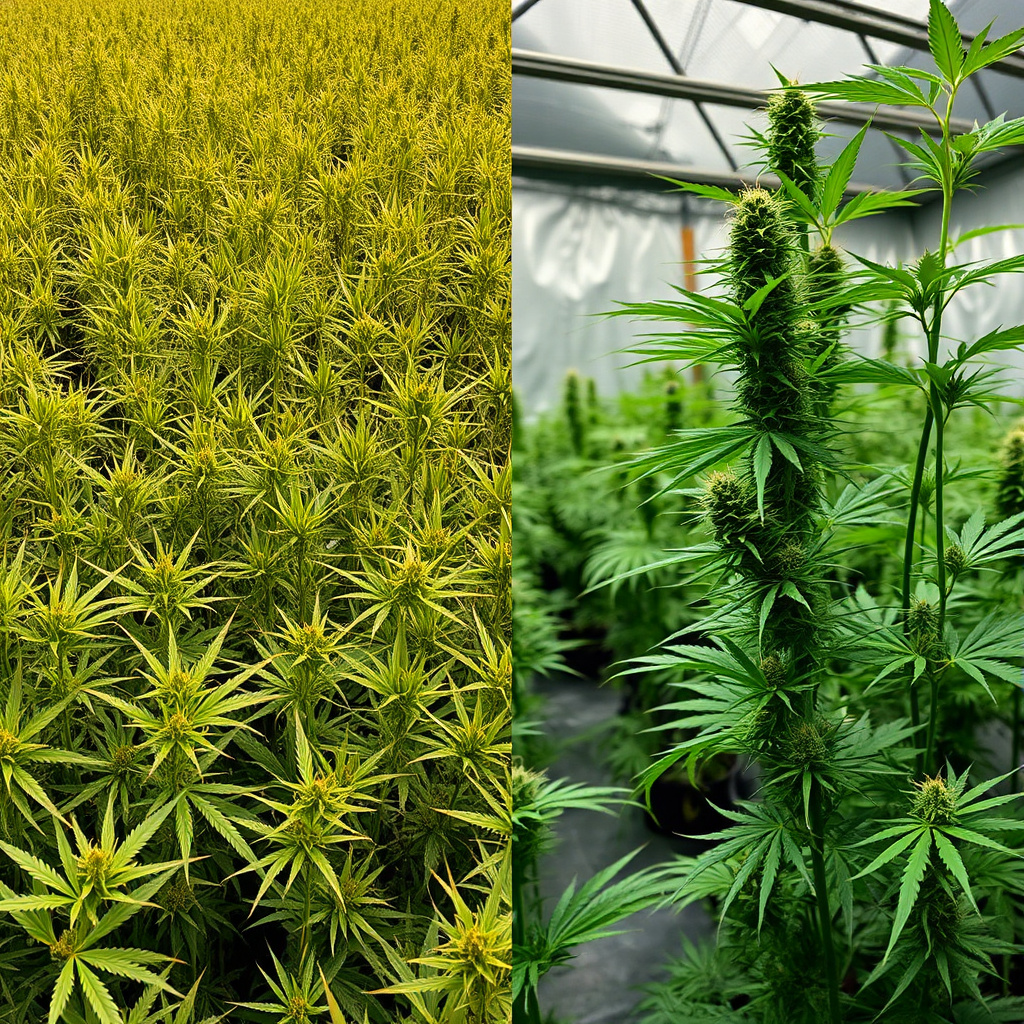
Growing Hemp From Hemp Seeds
Hemp seeds grow into plants that are typically taller, with thinner leaves and less density, optimized for fiber, seed, or CBD production. They thrive in a variety of climates and require less controlled environments.
Their cultivation focuses on maximizing yield of seeds or fibers and maintaining THC levels below legal limits, often in large open fields.
Growing Cannabis From Cannabis Seeds
Cannabis seeds germinate plants that usually demand controlled growing conditions such as indoor or greenhouse environments to optimize THC content and flowering cycles.
Growers monitor light, humidity, and nutrients carefully to produce high-quality flowers for medicinal or recreational markets.
Nutritional and Industrial Uses
Health Benefits of Hemp Seeds
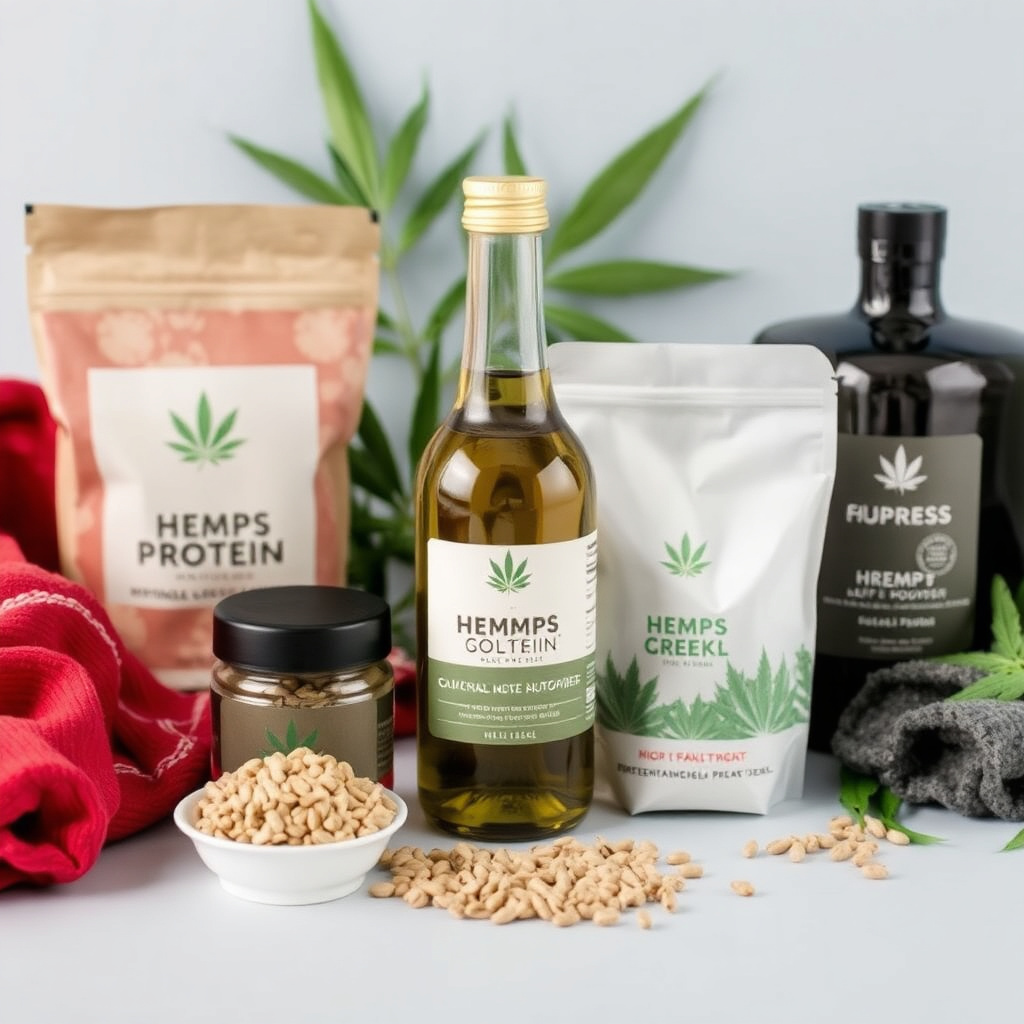
Hemp seeds are highly nutritious, providing complete protein, omega-3 and omega-6 fatty acids, and essential minerals. Their consumption supports heart health, skin condition, and immune function.
They are used in food products, supplements, and skincare, capitalizing on the ‘hemp seed benefits’ that have gained popularity.
- Rich source of plant-based protein
- High in essential fatty acids
- Contains fiber and antioxidants
For more on this, see our related guide: How to Choose High CBD Cannabis Seeds for Maximum Therapeutic Benefits.
Uses for Cannabis Seeds
Since cannabis seeds primarily serve as starter material for growing plants with psychoactive or medicinal properties, they are not commonly consumed or processed for nutrition.
Their main value is in breeding and cultivation for producing cannabis flowers or extracts.
Selecting Seeds for Your Needs
Choosing Hemp Seeds for Cultivation or Consumption
Opt for certified hemp seeds with verified low THC if you want to grow hemp for food, fiber, or CBD products. Seed type affects yield, climate adaptability, and seed nutritional profile.
For consumption, pick hulled or shelled hemp seeds that are ready to eat or add to recipes.
For more detailed botanical and legal information about hemp, consult the comprehensive resource available at Hemp on Wikipedia. Hemp on Wikipedia.
Selecting Cannabis Seeds Based on Desired Effects
When selecting cannabis seeds, focus on strain genetics to match your preference for THC potency, CBD content, flavor profile, and growth characteristics.
Seed banks offer various feminized or auto-flowering options tailored for both medicinal and recreational cultivation.
Comparison of Hemp Seeds and Cannabis Seeds
The table below summarizes the key differences between hemp seeds and cannabis seeds across several important factors.
| Feature | Hemp Seeds | Cannabis Seeds |
|---|---|---|
| THC Content | Less than 0.3% | Varies, often 5% or higher in psychoactive strains |
| Legal Status | Widely legal with few restrictions | Subject to strict regulations or prohibition |
| Primary Use | Nutritional products, fiber, CBD extraction | Psychoactive or medicinal plant cultivation |
| Physical Appearance | Small, round, smooth, beige/light brown | Varied sizes and colors, mottled patterns |
| Cultivation Environment | Outdoor fields, less controlled | Indoor/greenhouse, carefully managed |
| Consumption | Eaten raw or processed foods | Not typically eaten, mainly grown for flowers |
Frequently Asked Questions
Can you eat cannabis seeds like hemp seeds?
Cannabis seeds are generally not consumed like hemp seeds due to their low nutritional processing and potential legal issues. Hemp seeds are specifically grown and processed for safe nutritional use.
Are hemp seeds and cannabis seeds from different plants?
Both come from the Cannabis genus but different cultivars. Hemp seeds come from hemp plants with low THC, while cannabis seeds come from plants bred for higher THC content.
Do hemp seeds produce psychoactive effects?
No, hemp seeds contain negligible THC levels that cannot produce psychoactive effects, making them safe and legal for food and supplements.
How can I tell hemp seeds apart from cannabis seeds?
Hemp seeds tend to be smaller, smoother, and lighter in color, while cannabis seeds are often larger with mottled or striped patterns. However, visual identification is not always reliable.
Is growing hemp easier than growing cannabis?
Growing hemp is less labor-intensive and can be done outdoors in fields with minimal environmental control, while cannabis cultivation requires careful indoor or greenhouse management for optimal THC.
Key Takeaways
- Hemp seeds have low THC and high nutritional value, whereas cannabis seeds are bred for psychoactive effects.
- Legal status differs widely, with hemp seeds generally legal and cannabis seeds controlled.
- Hemp seeds are used in food and industrial products; cannabis seeds are primarily for cultivation of flowers.
- Physical and cultivation differences reflect their distinct uses and chemical profiles.
Conclusion
Deciding between hemp seeds and cannabis seeds starts with understanding your goals and legal context. Hemp seeds are the clear choice for nutrition, industrial uses, and CBD products due to their low THC content and widespread legality. Cannabis seeds, by contrast, are intended for growing plants with psychoactive or medicinal properties where legally permitted, requiring more controlled cultivation.
If your interest lies in incorporating nutrient-rich seeds into your diet or producing hemp-based products, select certified hemp seeds offering consistent low THC and quality nutrition. For growers looking to produce high-THC cannabis flowers, choose cannabis seeds tailored to desired cannabinoid profiles and ensure compliance with local regulations. The growth environment and maintenance also differ markedly between the two.
Ultimately, understanding the difference between hemp seeds and cannabis seeds lets you make informed decisions for health, agricultural, or commercial purposes. Whether you want the nutritional 'hemp seed benefits' or are cultivating cannabis for regulatory-endorsed medical use, selecting the appropriate seeds is the foundational step.