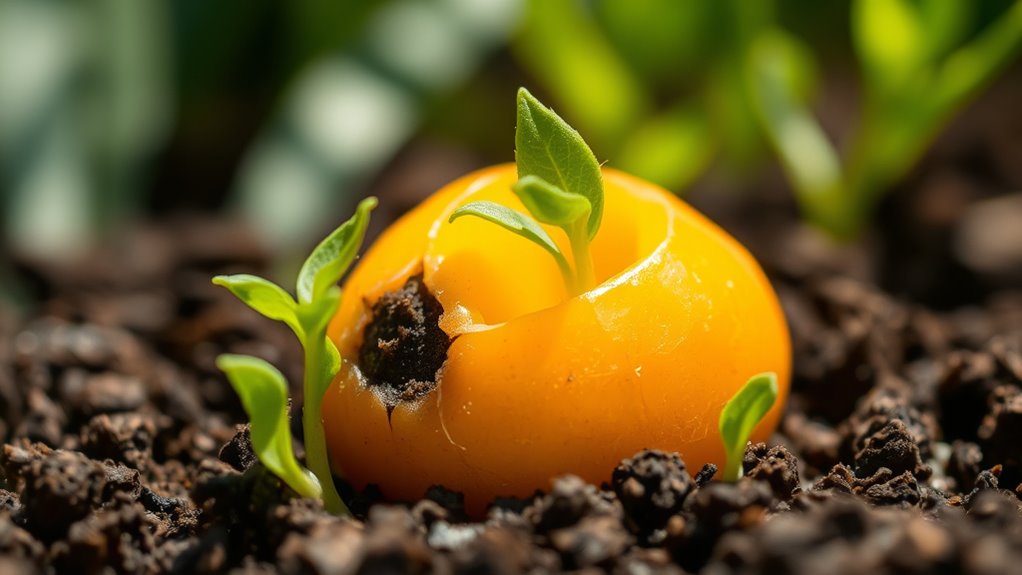
10 Simple Steps to Grow a Mango Tree From Seed
Many aspiring gardeners dream of growing their own delicious mangoes at home, but the process can seem overwhelming. You’re not alone—starting a mango tree from seed often feels tricky, especially if you’re new to gardening.
Don’t worry, though, because with a little guidance, you can turn that seed into a healthy young tree.
To grow a mango tree from seed, choose a fresh, healthy seed from a ripe mango and prepare it by removing the husk and cleaning it thoroughly.
Plant the seed in well-draining soil with good organic matter, keeping it warm and humid for germination.
Water carefully, provide at least 6 hours of sunlight daily, and protect it from pests.
Regular pruning and proper harvesting will guarantee healthy growth.
Keep exploring for detailed tips to succeed.
Key Takeaways
- Select a fresh, mature mango seed and carefully remove its husk before planting.
- Use well-draining, organic-rich soil and plant the seed in a warm, humid environment.
- Water regularly to keep the soil moist but not soggy, which helps with proper germination.
- Make sure the seed gets at least 6 hours of direct sunlight daily, and use balanced fertilizer for healthy growth.
- When the seedling is strong enough, transplant it into a bigger pot or into the ground, and prune it to promote good growth.
How to Select a Fresh Mango Seed for Planting
To guarantee successful growth, start by choosing a fresh mango seed that’s healthy and ripe. Proper mango seed selection is vital for planting success. Look for seeds from fully matured mangoes, as immature seeds won’t germinate well.
When inspecting the seed, check its size and firmness. A good seed is plump, firm, and free of cracks or mold. Seed quality factors include a smooth, intact shell and a weight that indicates healthy internal tissue.
Avoid seeds that are shriveled, discolored, or soft, as these suggest poor quality or disease. Freshness matters—choose seeds from ripe mangoes that haven’t been stored for too long, as older seeds lose viability.
How to Prepare Your Mango Seed for Better Germination
If you want your mango seed to sprout successfully, the first step is to pick a healthy, firm seed from a ripe mango. Make sure it’s not shriveled or soft, as that could mean it’s not viable. Once you’ve got your seed, gently clean off any leftover fruit flesh to prevent mold or rot from developing.
Taking the time to clean and select the right seed really helps set a solid foundation for your mango to sprout happily.
Selecting the Right Seed
Choosing the right mango seed is key to successful germination. Start by picking seeds from healthy, ripe fruits of trusted mango varieties.
Look for seeds that feel firm and plump. Avoid ones with cracks or mold, as these can lead to seedling diseases.
It’s best to choose seeds from fully mature fruits because immature seeds often struggle to germinate. Steer clear of shriveled or damaged seeds.
By selecting high-quality seeds, you’re giving your mango tree a great start. Healthy seeds have a better chance of growing into strong, vigorous seedlings.
Picking the right seeds also reduces the risk of seedling diseases and lays a solid foundation for your future mango tree.
Proper Seed Cleaning Methods
After selecting a healthy, ripe mango seed, proper cleaning helps remove any remaining fruit flesh and contaminants that could hinder germination. Start by gently washing the seed under lukewarm water to eliminate sticky residue.
Next, carefully remove the husk surrounding the seed using your fingers or a small tool, being cautious not to damage the seed inside. This husk removal allows for better moisture absorption and faster sprouting.
Rinse the seed again to make sure all debris is gone. Dry the seed thoroughly with a paper towel before planting.
Proper seed washing and husk removal are essential steps that improve germination success. Keep the seed clean and free of flesh so it’s primed for healthy sprouting and strong growth.
How to Plant Your Mango Seed in the Right Soil
Selecting the right soil is key for your mango seed to thrive. Mango trees prefer well-draining soil types like sandy loam or loamy soil, which stop water from pooling around the seed.
Avoid heavy clay soils because they hold too much moisture and can lead to root rot. Before planting, loosen the soil to improve aeration and drainage.
Mix in organic matter, such as compost, to boost the soil’s nutrients and support healthy growth. Make sure the planting spot has good drainage; you don’t want water sitting on the surface after heavy rain.
If your garden has heavy clay soil, consider creating a raised bed or planting in a large container with a suitable potting mix. Proper soil prep boosts germination chances and helps the seed develop strong roots.
What Are the Best Conditions for Mango Seed Germination?
To give your mango seed the best chance to sprout, creating the right environment is key. The ideal temperature for germination is between 80°F and 100°F (27°C to 38°C). Anything cooler or hotter can slow down or prevent sprouting.
Maintaining proper humidity levels is just as important; keep the seed in a warm, humid space to encourage growth. Covering the seed with a damp cloth or plastic wrap can help retain moisture and create a mini greenhouse effect.
Make sure the environment stays consistently moist but not soaked, as excess water can cause rot. Avoid drafts or sudden temperature changes, which can stress the seed.
Placing the seed in a warm, humid spot will give it the best conditions to crack open and sprout. Paying attention to these conditions increases your chances of successful germination and sets a solid foundation for your mango tree to grow.
How to Water and Care for Your Mango Seedling
To keep your mango seedling healthy, it’s important to water it just right and keep an eye on the soil moisture. You don’t want to overdo it, so make sure to check if the topsoil feels dry before watering again.
Also, try to protect your seedling from extreme weather conditions and pests. Keeping it safe from these will help it grow steadily and stay strong.
Proper Watering Techniques
Making sure proper watering is essential for your mango seedling’s growth and health. You should aim for consistent irrigation frequency, keeping the soil moist but not waterlogged. Overwatering can cause root rot, so make certain your soil drains well.
Check moisture levels regularly and adjust watering accordingly. To help you visualize, here’s a quick guide:
| Soil Condition | Action |
|---|---|
| Well-drained soil | Water when the top inch feels dry |
| Poor drainage | Water less often to prevent sogginess |
| Moist but not soggy | Maintain this balance for healthy roots |
Monitoring Soil Moisture
Monitoring soil moisture is a key part of caring for your mango seedling because it shows you when and how much to water.
Check the soil regularly by feeling the top inch; it should be slightly damp but not waterlogged. You can use your finger or a moisture meter for more accurate readings.
Keeping the right moisture level is important to avoid overwatering or underwatering, both of which can stress the seedling. If the soil feels dry, water gently until the moisture spreads evenly.
If it’s too wet, let the soil dry out a bit before watering again. Consistent monitoring helps keep your mango seedling healthy and encourages strong root growth.
Protecting Seedling Health
Proper watering is key to your mango seedling’s health. It helps build strong roots and reduces stress. Keep the soil moist but not soaked to encourage healthy growth and avoid transplant shock.
Use organic fertilizers to give your seedling the nutrients it needs. They help boost growth and make the plant more resistant to pests. Protect your seedling from harsh weather like extreme temperatures and strong winds, which can cause disease.
Regularly check moisture levels and adjust watering as needed to keep conditions just right. Here’s a quick guide:
| Environmental Factors | Watering Tips | Fertilizer & Care |
|---|---|---|
| Temperature swings | Keep soil moist | Use organic fertilizers for growth |
| Wind and pests | Cover or shield | Apply pest-resistant treatments |
| Soil drainage | Avoid overwatering | Maintain proper nutrients |
When and How to Transplant Your Young Mango Tree
Once your mango seedling has developed several true leaves and grown to about 12 to 24 inches tall, it’s time to think about transplanting it into a larger container or outdoors. The key is to get the timing right; wait until the weather warms up consistently and there’s no risk of frost. Usually, this means late spring or early summer.
Transplant techniques are pretty straightforward. Gently loosen the soil around the seedling’s roots without damaging them, then carefully lift the plant. If you’re moving it outdoors, pick a sunny spot with well-drained soil.
For container planting, choose a spacious pot with drainage holes and good quality soil. When you transplant, handle the seedling by the root ball, not the stem. Water thoroughly afterward to help the roots settle in.
Getting the timing right and using careful techniques will give your young mango tree the best chance to grow healthy and eventually bear fruit.
How to Ensure Proper Sunlight and Nutrients for Growth
Ensuring your mango tree gets enough sunlight and nutrients is key for healthy growth. Mango trees do best with plenty of sunlight, so place your plant where it can get at least 6 hours of direct sun each day. This helps the tree grow strong leaves and produce good fruit.
For nutrients, use organic compost or a balanced fertilizer rich in nitrogen, phosphorus, and potassium. These help with root growth, leafy development, and fruit production. Just be careful not to overdo it, as too much fertilizer can harm the tree or cause too many leaves.
Keep the soil moist but not waterlogged to help the tree absorb nutrients properly. Mulch around the base to keep moisture in and add organic matter to the soil. This makes nutrients more available to the tree.
Check your mango tree regularly for signs of nutrient deficiency, like yellowing leaves, and adjust your feeding routine if needed. With proper sunlight and nutrients, your mango tree will grow strong, healthy, and produce plenty of fruit.
Troubleshooting Common Challenges When Growing Mango Trees
When your mango tree starts acting up, it’s a good idea to keep an eye out for pests early on. Catching those problems quickly can save your tree from serious damage. You’ll also want to watch for signs of nutrient deficiencies, like poor growth or yellowing leaves.
Dealing with these issues as soon as they pop up is key to keeping your mango tree healthy and productive. The sooner you address the problems, the better your chances of enjoying a bountiful harvest!
Identifying Pest Problems
How can you tell if pests are attacking your mango tree? Look for signs like discolored, chewed, or sticky leaves, or see if insects are visible on the foliage. Recognizing these symptoms helps you identify common pests like scale, aphids, or mealybugs.
Early detection is key to preventing pest problems from worsening. For organic options, try introducing natural predators such as ladybugs or applying neem oil. Regularly inspecting your tree helps catch issues early and reduces the need for chemical treatments.
When pests are found, choose targeted treatments that focus on specific pests without harming beneficial insects. Proper pest management promotes healthy growth and better fruit production. Staying vigilant and using effective strategies keeps your mango tree thriving.
Managing Nutrient Deficiencies
Pest problems can often be spotted early through careful observation, but nutrient deficiencies might not be obvious until your mango tree shows signs of poor growth or fruit production.
To manage deficiencies, start by identifying specific symptoms like yellowing leaves or stunted growth. Providing the right nutrients with compost, organic matter, or balanced fertilizers can help fix these issues.
For example, a nitrogen deficiency causes pale leaves, while a magnesium deficiency results in leaf yellowing between veins.
Regularly monitor your tree and adjust fertilization as needed. Using soil tests can also help pinpoint missing nutrients.
Consistent feeding with appropriate nutrient sources keeps your mango tree healthy, productive, and more resilient against deficiencies that can hinder growth.
How to Prune and Maintain Your Mango Tree
Pruning your mango tree regularly helps promote healthy growth and abundant fruit production. Proper pruning techniques remove dead or diseased branches and shape the tree for better airflow and sunlight penetration. This encourages strong branch development and reduces the risk of disease.
Maintain your tree by trimming weak or crossing branches, which can cause damage over time. Always prune during the dry season to minimize exposure to diseases.
Here are some maintenance tips:
- Use clean, sharp tools to avoid damaging the tree
- Remove suckers from the base to focus energy on fruit-bearing branches
- Thin out crowded branches to let in more light
- Regularly check for pests and diseased areas, and prune as needed
When and How to Harvest Mangoes From Your Tree
Knowing the right time to harvest your mangoes ensures you enjoy them at their best flavor and freshness. Keep an eye out for ripeness indicators like a change in color, a slight softness, and a fruity aroma near the stem.
The best way to harvest is by carefully twisting or cutting the fruit. This helps prevent damage to the tree or the fruit itself.
Here’s a quick guide:
| Ripeness Indicator | What to Do |
|---|---|
| Color change (green to yellow/orange) | Harvest when the color is vivid but before fully ripe |
| Slight softness | Gently press; it should yield slightly |
| Fragrant aroma | Smell near the stem; ripe mangoes emit a sweet scent |
Frequently Asked Questions
How Long Does It Take for a Mango Seed to Sprout?
It typically takes 2 to 4 weeks for a mango seed to sprout if you follow proper seed preparation techniques and guarantee ideal germination conditions. Keep the seed warm, moist, and in indirect sunlight.
Using a damp paper towel or planting directly in soil helps maintain moisture. Patience is key, as consistent warmth and humidity encourage quicker sprouting.
Make sure to monitor conditions regularly for the best results. With some care, you’ll see that little sprout pop up sooner rather than later.
Can I Grow a Mango Tree Indoors?
You can definitely grow a mango tree indoors, especially with bright indoor lighting. It’s all about creating the right environment for it to thrive.
Use well-draining potting soil to mimic its natural setting and give your tree enough space to grow. Keep the soil moist but not soaked, and rotate the pot regularly for even light.
Growing a mango tree indoors can be rewarding, but it takes patience and consistent care. With time and attention, your indoor mango tree can flourish.
What Are Common Pests That Affect Mango Seedlings?
You might face pests like mango aphids and scale insects that target mango seedlings. Mango aphids gather on new growth, sucking sap and causing leaves to curl or turn yellow.
Scale insects look like small bumps on stems or leaves and weaken the plant. To keep your seedlings healthy, check them regularly for pests.
You can remove pests by hand or use insecticidal soap. Acting quickly helps prevent pests from spreading and ensures your mango seedlings grow strong.
How Often Should I Fertilize My Young Mango Tree?
You should fertilize your young mango tree every 4 to 6 weeks during the growing season. Use balanced fertilizers like 10-10-10 or organic options such as compost and manure.
Apply the fertilizer evenly around the base of the tree, making sure not to get it directly on the trunk. After applying, water thoroughly to help the nutrients absorb into the soil.
Adjust how often you fertilize based on your tree’s growth and the soil conditions in your area. This way, you’ll give your mango tree the best chance to thrive.
Is It Necessary to Remove the Seed Coat Before Planting?
You don’t need to remove the seed coat before planting because it usually falls away during germination. The seed coat protects the seed as it starts to grow, but it tends to crack open on its own once sprouting begins.
If the seed coat is stubborn, you can gently peel it back to help, but forcing it off isn’t necessary. Doing so might actually harm the seed. Just trust that nature will take care of it during the germination process.
Conclusion
Growing a mango tree from seed is like nurturing a tiny hope into a lush, fruitful marvel. With patience and care, you’ll watch it flourish, offering shade and sweet harvests for years to come.
Just remember, every step—like watering, pruning, and providing sunlight—is a small investment that pays off big. Stay dedicated, and soon you’ll enjoy the pride of harvesting your own delicious mangoes.
By growing a mango tree from seed, you can transform your backyard into a tropical paradise and enjoy the bounty of fresh, homegrown mangoes.