What Is Succession Planting and How to Use It in Your Garden
Succession planting is a gardening technique where you plant crops in intervals to maintain a continuous harvest throughout the growing season. By staggering your plantings, you avoid having all your crops mature at once, allowing fresh produce almost constantly.
This method matters because it maximizes garden space, extends the harvest period, and helps gardeners optimize yield from limited areas, especially in smaller urban gardens or short growing seasons.
This article will explain the basics of succession planting, explore different strategies and timing, advise on the best crops for multiple plantings, and discuss how succession planting fits into crop rotation and pest management.
Understanding Succession Planting Basics

Definition and Purpose of Succession Planting
Succession planting means sowing seeds or transplanting crops in timed intervals rather than all at once. The main goal is to keep fresh vegetables harvesting regularly by preventing large harvest surges and gaps.
This approach suits gardeners wanting continual access to their favorite crops and those with limited space aiming to boost productivity. It’s especially useful for fast-growing vegetables like lettuce, radishes, and beans.
Types of Succession Planting Techniques
There are three common succession planting methods: skip-row planting, block planting at intervals, and replanting directly after harvest. Each varies in timing and layout depending on crop growth habits.
Skip-row involves sowing seeds in every other row, then planting in the empty rows later. Block planting uses smaller spaced patches planted on a schedule. Replanting occurs when an early crop finishes to fill the space with another.
- Skip-row planting
- Block planting at intervals
- Replanting after harvest
Planning Your Succession Planting Schedule

Timing Intervals for Continuous Harvest
Determining when to plant each successive crop depends on the days to maturity for your chosen vegetables. For instance, if a crop takes 30 days, plant every 10-15 days to have staggered harvests.
Monitoring soil temperature and weather changes also guides precise scheduling. Early crops in spring must finish before later ones start, preventing overlap and competition. This gradual timing ensures you always have crops growing or ready soon.
Tools and Techniques for Tracking Planting Dates
Gardeners often use planners, spreadsheets, or garden apps to keep track of planting intervals. Labeling rows and beds with dates helps maintain organization and prevents forgetting when to plant next.
Visual aids like planting calendars customized to your zone make it simpler to follow intervals and adjust based on real weather or crop performance. This organization enhances the success of succession planting.
- Garden planners or journals
- Planting calendars
- Row and bed labels
Best Vegetables for Succession Planting

Fast-Growing Crops Ideal for Succession Planting
Vegetables that mature quickly and tolerate repeated sowing make excellent succession crops. Radishes can be ready in as little as 25 days, followed by lettuce and spinach which grow swiftly and thrive in cooler seasons.
Beans and peas, with their short maturity time and climbing nature, fit well in succession crops as well. Choosing the best crops for succession planting depends on growth rate, harvest period, and climate adaptability.
- Radishes
- Lettuce
- Spinach
- Bush beans
- Peas
Root and Leaf Crops for Staggered Harvests
Root crops like carrots and beets handle succession planting if planted every few weeks. Leafy greens, including kale and Swiss chard, also benefit from repeated sowings and can provide a near-constant supply.
These crops tolerate mild thinning and harvesting leaves early, allowing plants to keep producing. Alternating different types of root and leaf crops across beds enhances soil health along with succession benefits.
- Carrots
- Beets
- Kale
- Swiss chard
Integrating Succession Planting with Crop Rotation
How Succession Planting Supports Crop Rotation
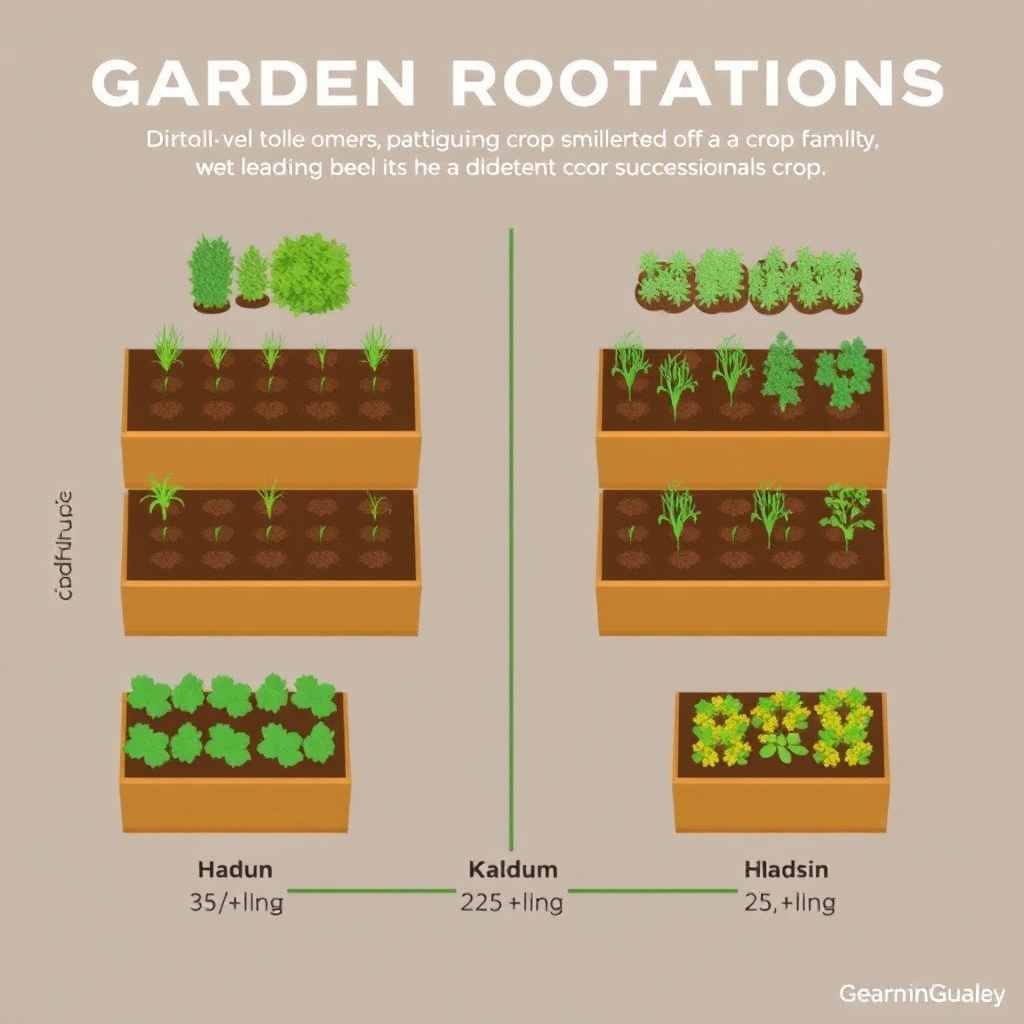
Succession planting encourages multiple plantings, which naturally fits into crop rotation plans by changing crops in the same space throughout the season to reduce pests and diseases.
Rotating crops after each harvest within succession schemes keeps soil nutrients balanced and breaks pest cycles. This synergy improves productivity and garden health over time.
Planning Rotations with Succession Intervals
Successful crop rotation with succession planting requires matching crop families and their nutrient needs to space and timing. For example, following leafy greens with legumes enriches soil nitrogen for a later crop of heavy feeders like tomatoes.
Detailed rotation plans with staggered plantings optimize garden output and maintain soil vitality by avoiding repeated planting of the same families in close succession.
- Rotate crop families
- Match nutrient needs
- Avoid continuous planting of same crops
Methods for Pest Management in Succession Planting
Using Plant Diversity to Deter Pests
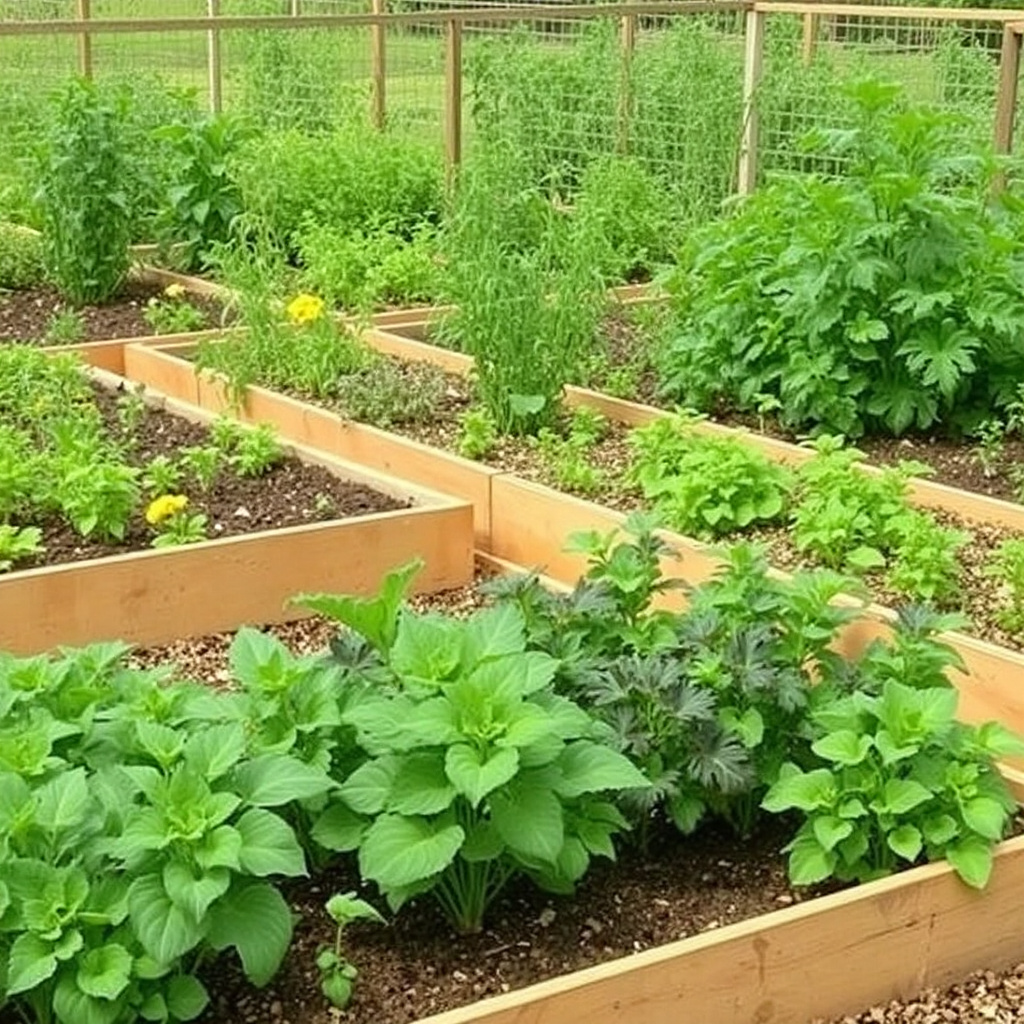
Succession planting often introduces various crops at intervals, increasing plant diversity that naturally confuses or repels pests. Companion planting with flowers or herbs further helps control pest populations without chemicals.
This biological pest management reduces reliance on pesticides and maintains a balanced garden ecosystem when crops are rotated and staggered thoughtfully.
- Companion planting
- Cover crops
- Attracting beneficial insects
Physical and Cultural Controls in Staggered Plantings
Physical barriers such as row covers protect young succession crops from insects. Timely planting also avoids peak pest periods by staggering vulnerable growth stages, reducing infestations.
Regular garden monitoring, removing infested plants, and maintaining clean beds lessen pest buildup and keep succession-planted garden beds healthy.
- Row covers
- Regular inspection
- Remove affected plants
Tools and Equipment to Support Succession Planting

Tools to Improve Succession Planting Efficiency
Seedling trays, precision seeders, and row markers aid in careful timing and orderly sowing for succession planting. These tools help gardeners space seeds precisely and avoid overcrowding.
Additional tools like soil thermometers and moisture meters can guide planting timing based on environmental conditions for better germination and crop success.
- Seedling trays
- Row markers
- Soil moisture meters
For additional technical details and history about succession planting, you can refer to succession planting on Wikipedia. succession planting on Wikipedia.
Storage and Labeling Solutions
Keeping packets sorted and labeling each planting batch prevents confusion and ensures accurate succession intervals. Waterproof labels and reusable tags on beds help track planting dates effectively.
Clear record-keeping supports harvesting planning and maintains timing consistency throughout the season, enhancing the reliability of succession planting schedules.
- Waterproof plant labels
- Seed storage organizers
- Garden journals
Succession Planting Crop Category Comparison
This table compares different categories of crops for succession planting based on growth time, space needs, and ideal planting intervals.
| Category | Typical Days to Maturity | Recommended Planting Interval | Space Requirements |
|---|---|---|---|
| Leafy Greens (e.g., lettuce, spinach) | 30-50 days | 10-14 days | Small to medium |
| Root Vegetables (e.g., carrots, radishes) | 25-70 days | 14-21 days | Medium |
| Legumes (e.g., bush beans, peas) | 50-60 days | 14-21 days | Medium to large |
| Brassicas (e.g., kale, cabbage) | 55-75 days | 21-28 days | Large |
| Herbs (e.g., basil, cilantro) | 30-60 days | 14-21 days | Small |
Frequently Asked Questions
Can succession planting be used in small garden spaces?
Yes, succession planting is ideal for small gardens since it maximizes crop yield by continuously using the same space for multiple plantings throughout the season.
How often should I replant crops when succession planting?
The replanting frequency varies by crop but generally ranges from every 10 to 21 days to maintain a steady harvest, depending on each plant’s maturity time.
Does succession planting require extra fertilizers or soil amendments?
Since succession planting involves growing multiple crops in the same space, regular soil amendments or organic fertilizers help maintain soil fertility and support continuous plant growth.
Is succession planting suitable for all types of vegetables?
Succession planting works best with fast-maturing and cool-season crops, but some warm-season vegetables can also fit into rotation schedules, depending on your climate and garden plan.
Key Takeaways
- Succession planting staggers crop plantings to provide continuous harvests.
- Fast-growing vegetables like leafy greens and radishes work best for succession planting.
- Planning intervals based on crop maturity days is essential for success.
- Succession planting pairs well with crop rotation to manage pests and soil health.
Conclusion
To decide how to use succession planting in your garden, start by considering the crops you want to grow and their maturity times. Effective planning with interval timing ensures you have a steady supply of fresh produce rather than one bulk harvest. Matching your planting schedule to your climate and space limitations is integral to making succession planting work well for you.
For gardeners aiming for continuous harvests of quick-growing crops, leafy greens such as lettuce and spinach, root vegetables like radishes, and legumes including bush beans are excellent choices. Incorporating these into a rotation scheme can further boost soil health and reduce pest pressure. Tools like garden planners and row markers assist in maintaining clear schedules, improving the reliability of your vegetable production.
A good next step is to map out your garden beds and create a planting calendar based on your chosen crops’ days to maturity. Begin with a simple sequence of plantings every two weeks, and adjust as you learn your garden's response. With attention to timing and crop selection, succession planting can transform your harvest experience by keeping fresh vegetables coming right to your table for months on end.