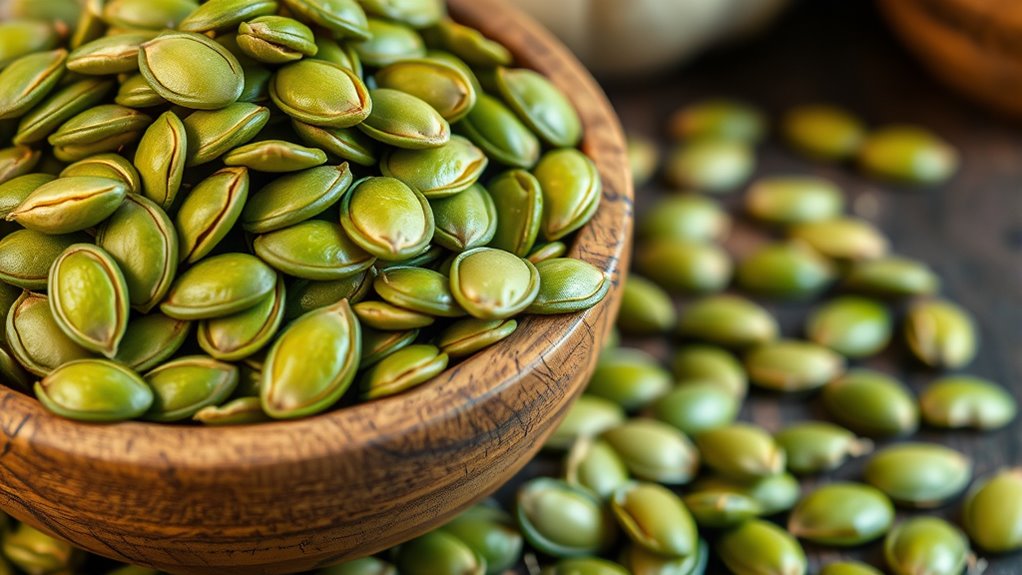
What You Should Know About Eating Whole Pumpkin Seeds
Many people struggle with finding healthy snacks that are both satisfying and good for their health. If you’re looking for a simple way to boost your nutrition, eating whole pumpkin seeds could be just what you need.
Eating whole pumpkin seeds is a great way to boost your intake of healthy fats, magnesium, zinc, and plant-based protein. They support your immune system, heart health, and digestion, but it’s important to watch portion sizes—about a quarter cup per day—to avoid weight gain or digestive discomfort.
For the best benefits, choose high-quality, unsalted seeds and store them properly.
Want to find easy ways to add more pumpkin seeds into your diet? Keep exploring to learn more.
Key Takeaways
- Whole pumpkin seeds are packed with nutrients like healthy fats, magnesium, zinc, and antioxidants that boost your overall health.
- Pick high-quality, organic seeds that look plump, dry, and have a uniform color for the freshest and most nutritious option.
- To prepare them properly, clean and dry the seeds, then roast at 350°F for 15-20 minutes for better flavor and safety.
- Aim to eat about 1 ounce or a quarter cup daily, but don’t overdo it to avoid gaining weight or having digestive issues.
- Keep seeds in airtight containers in a cool, dark place or freeze them to stay fresh longer and prevent spoilage.
What Are the Nutritional Benefits of Whole Pumpkin Seeds?
Whole pumpkin seeds are a nutrient-dense snack that offers numerous health benefits. Their high nutrient density means you get a lot of essential nutrients in a small serving.
These seeds are packed with magnesium, zinc, iron, and healthy fats, which support your immune system, improve heart health, and boost energy levels. They also contain antioxidants like vitamin E, helping to fight inflammation and protect your cells from damage.
Packed with magnesium, zinc, iron, and antioxidants like vitamin E for immune support and cell protection.
Eating pumpkin seeds regularly can promote better digestion thanks to their fiber content. Plus, they’re a good source of plant-based protein, making them ideal for vegetarians or anyone looking to increase their protein intake.
The combination of minerals and healthy fats not only supports overall wellness but also contributes to better sleep and mood. With their impressive nutrient profile, adding whole pumpkin seeds to your diet is an easy way to boost your health and enjoy a delicious, wholesome snack.
How to Choose High-Quality Pumpkin Seeds
How can you guarantee you’re selecting the best pumpkin seeds? Focus on organic sourcing to make sure you’re avoiding pesticides and additives. Look for seeds labeled as organic, which means they’re grown naturally.
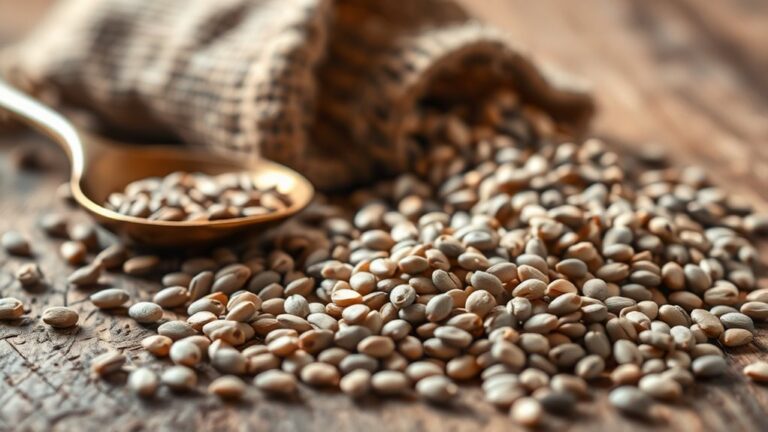
Next, check the texture. High-quality seeds should be plump, firm, and dry. Avoid those that are shriveled or moist. A good visual cue is a uniform color and shape, which reflects freshness.
Here’s a quick guide:
| Aspect | What to Look For | Why It Matters |
|---|---|---|
| Organic sourcing | Certified organic labels | Fewer chemicals and better flavor |
| Texture variety | Firm, plump, dry seeds | Indicates freshness and quality |
| Appearance | Uniform color and shape | Ensures even roasting and taste |
Easy Ways to Prepare and Roast Pumpkin Seeds
Roasting pumpkin seeds is a simple way to boost their flavor and turn them into a tasty snack. To get the most benefits from pumpkin seeds, try these easy roasting tips:
First, clean and dry the seeds thoroughly after removing them from the pumpkin. Removing excess moisture helps make them crisp.
Next, toss the seeds with a little oil and your favorite seasonings. This adds flavor and helps them roast evenly.
Spread the seeds in a single layer on a baking sheet. Proper spacing prevents steaming and keeps them crunchy.
Bake at 350°F (175°C) for 15-20 minutes, stirring occasionally until they turn golden brown. Keep an eye on them to prevent burning.
These simple techniques maximize flavor and nutrition, highlighting pumpkin seeds’ healthy fats and antioxidants. Once roasted, enjoy them as a nutritious snack or as a topping for salads and soups.
How to Add Pumpkin Seeds to Your Daily Meals
Want to give your breakfast a little extra something? Just sprinkle some pumpkin seeds over your yogurt or oatmeal—it’s an easy way to make your morning more nutritious and tasty.
And don’t stop there! Those seeds are great for adding a crunchy twist to salads or soups later in the day. Honestly, tossing pumpkin seeds into your meals is such a simple trick to boost flavor, texture, and nutrition all at once.
Incorporate Into Breakfast Dishes
Adding pumpkin seeds to your breakfast is an easy way to boost nutrition and flavor. They add crunch and healthy fats to a variety of dishes.
Here are some ideas:
- Sprinkle pumpkin seeds on breakfast bowls, oatmeal, or overnight oats for added texture.
- Use them as smoothie toppings to give your drink a nutty flavor.
- Mix pumpkin seeds into yogurt parfaits or granola clusters for extra crunch.
- Incorporate chopped seeds into egg scrambles or sprinkle on pancakes for a nutritious boost.
These simple additions make your morning meals more satisfying and nutrient-dense. Pumpkin seeds are versatile, so experiment with different dishes to find your favorite way to enjoy them at breakfast.
Use As Snack Topping
Sprinkling pumpkin seeds over your favorite meals is an easy way to boost flavor and nutrition throughout the day. As a snack topping, they add crunch and richness to various dishes.
You can sprinkle them on salads, yogurt, or soups for added texture and health benefits. For snack combos, try mixing pumpkin seeds with dried fruit or nuts to make a satisfying trail mix.
Use them as toppings for oatmeal or smoothie bowls to make your breakfast more delicious. They also work great in grain bowls or roasted veggie dishes.
Here’s a list of popular topping ideas:
| Meal | Snack Combinations | Topping Ideas |
|---|---|---|
| Breakfast | Yogurt with dried fruits | Sprinkled on oatmeal |
| Lunch/Dinner | Salad with mixed greens | Garnished on roasted veggies |
| Snacks | Trail mix with nuts and seeds | Added to popcorn |
Are There Any Risks or Side Effects of Eating Pumpkin Seeds?
Pumpkin seeds are usually a healthy snack, but it’s good to be aware of a few potential risks. For some folks, eating too many might cause allergic reactions or stomach upset. So, it’s best to enjoy them in moderation to avoid any unwanted side effects.
Possible Allergic Reactions
Although pumpkin seeds are generally safe to eat, some people may experience allergic reactions. If you have food allergies, be cautious because symptoms can range from mild to severe. Common signs include itching, swelling, hives, or difficulty breathing.
You should also be aware of cross-reactivity; if you’re allergic to other seeds or nuts, pumpkin seeds might trigger a reaction. Here are some points to keep in mind:
- Allergy symptoms can show up immediately or several hours after eating.
- Cross-reactivity may increase your risk if you’re allergic to related foods.
- People with pollen allergies might experience oral allergy syndrome.
Seek medical advice if you notice any reactions, especially if symptoms get worse. Always keep an eye on how your body responds when trying pumpkin seeds for the first time.
Excessive Intake Risks
Eating pumpkin seeds in moderation can be part of a healthy diet, but consuming them excessively might lead to unwanted side effects. Too much pumpkin seed intake can cause health issues like weight gain because they are high in calories or nutrient imbalances from overloading on minerals like zinc or magnesium.
Eating too many seeds may also result in your body absorbing excess fat, which could impact your heart health over time. If you already have kidney problems, large amounts of seeds might put extra strain on your kidneys.
While pumpkin seeds are nutritious, moderation is key. This helps you enjoy their benefits without risking your health.
Digestive Discomfort Potential
Consuming pumpkin seeds can sometimes cause digestive discomfort, especially if you eat a lot of them. Their high fiber content supports digestion, but too much can lead to bloating or constipation.
To avoid issues, keep these points in mind. First, moderation is key. Eating a handful at a time helps prevent overloading your digestive system.
Next, increase your fiber intake gradually. Going from little to a lot too quickly might cause gas or stomach upset. Staying hydrated is also important, as water helps fiber move smoothly through your digestive tract.
Finally, pay attention to how your body feels. If you notice discomfort, cut back and adjust your intake accordingly.
While pumpkin seeds are generally good for you, eating too much can cause digestive problems. Balance and mindful eating are the best ways to enjoy their benefits.
What Do Research and Experts Say About Pumpkin Seed Benefits?
Research and expert opinions consistently highlight the many health benefits of pumpkin seeds. These tiny snacks are packed with nutrients that support your overall well-being.
Experts point out their high magnesium content, which can help regulate blood sugar and promote heart health. They also emphasize the antioxidant properties that may reduce inflammation and protect your cells.
Plus, pumpkin seeds contain zinc, which is essential for immune function and healthy skin. Incorporating them into your diet is a simple way to boost your health, supported by solid research and expert advice.
| Benefit | Key Nutrients | Scientific Support |
|---|---|---|
| Heart health | Magnesium, healthy fats | Studies link magnesium intake to lower BP |
| Immune boost | Zinc, antioxidants | Experts highlight zinc’s role in immunity |
| Anti-inflammatory effects | Phytosterols, antioxidants | Research suggests reduced inflammation |
| Sleep improvement | Tryptophan, magnesium | Experts recommend for better rest |
How Much Pumpkin Seeds Should You Eat for Optimal Health?
To get the health benefits of pumpkin seeds without overdoing it, knowing the right amount to eat is important. A typical serving size is about 1 ounce, or roughly a quarter cup. This gives you enough nutrients to support your health without adding too many calories.
A 1-ounce serving of pumpkin seeds provides beneficial nutrients without excess calories.
Here are some tips to keep in mind:
- Stick to a 1-ounce serving daily to enjoy nutrients like magnesium and zinc.
- Adjust your portion size based on your overall diet, activity level, and health goals.
- Eating too many can lead to extra calories and fat, so moderation is key.
- You can snack on pumpkin seeds or add them to salads and yogurt for some variety.
Delicious Pumpkin Seed Recipes to Try at Home
You can quickly whip up some tasty pumpkin seed snacks right in your own kitchen. Just roast the seeds, and you’re good to go! Or, if you’re feeling a bit more adventurous, try tossing them with your favorite seasonings to add a pop of flavor.
Spices like cinnamon give them a sweet touch, while chili powder or garlic can add a nice kick. It’s really fun to experiment and see what combinations you like best. These simple recipes are super versatile, so you can enjoy pumpkin seeds in all kinds of new and exciting ways.
Simple Roasted Pumpkin Seeds
Making simple roasted pumpkin seeds is an easy and tasty way to enjoy this nutritious snack at home. To start, choose from various pumpkin seed varieties, like hulled or hulless seeds, to match your preference. Roasting boosts their flavor and keeps their health benefits intact.
Here’s how to make them: Rinse the seeds thoroughly to remove any pulp. Then, dry them completely with a towel. Toss the seeds with a little olive oil and salt or your favorite seasoning.
Spread the seeds evenly on a baking sheet and roast at 350°F (175°C) for 15-20 minutes, stirring halfway through. This simple process reveals their delicious crunch and maximizes health benefits like healthy fats, magnesium, and antioxidants.
Enjoy this tasty, nutritious snack anytime!
Flavorful Seasoned Variations
Once you’ve nailed the basics of roasting pumpkin seeds, trying out different seasonings can really boost their flavor and keep things interesting. It’s a fun way to make your snack rotation more exciting.
You can mix up seasonings to match any taste, whether you like savory, spicy, or sweet. For example, chili powder and cumin give a smoky, bold flavor, while cinnamon and sugar add a sweet twist.
Herbs like rosemary, thyme, or oregano lend a fresh, aromatic touch. You can also experiment with salty, tangy, or even sweet-and-tangy combos like soy sauce or honey glaze.
Customizing your seasonings lets you create unique, flavorful variations. This way, your pumpkin seeds become a versatile, irresistible treat tailored perfectly to your preferences.
Common Mistakes When Eating Pumpkin Seeds and How to Avoid Them
While pumpkin seeds are a healthy snack, there are common mistakes people often make that can reduce their benefits or cause discomfort. One mistake is ignoring portion control, which can lead to overeating and extra calories. To avoid this, stick to a small handful and measure your servings.
Second, choosing the wrong seeds can impact health benefits. Opt for unsalted, raw, or roasted seeds without added sugars or preservatives. Third, eating seeds too quickly can cause digestive issues like bloating or discomfort. Take your time and chew thoroughly.
Finally, neglecting to remove shells when needed can make eating less enjoyable and harder to digest. Be mindful of seed selection, control your portions, chew slowly, and pay attention to your digestion. Following these simple tips helps you enjoy pumpkin seeds without unwanted side effects and maximizes their health benefits.
How to Store Pumpkin Seeds to Keep Them Fresh
Storing pumpkin seeds properly is key to keeping them fresh and flavorful. Use airtight containers to protect them from air and humidity, which can cause spoilage.
Moisture control is important too; keep the seeds dry to prevent mold and rancidity. For longer storage, vacuum sealing is a great option because it removes excess air and preserves quality.
Keep pumpkin seeds dry and vacuum sealed to prevent mold, rancidity, and preserve freshness longer.
Temperature matters as well. Store your seeds in a cool, dark place, ideally between 50-60°F. If you want to keep them for months, freezing works well—just put them in a sealed, freezer-safe bag or container.
Make sure the seeds are completely dry before freezing to avoid ice formation. Proper storage prevents oxidation and keeps your pumpkin seeds crunchy and tasty for weeks or even months.
Finally, check your stored seeds regularly for signs of spoilage like an off smell or discoloration. That way, you’ll know they’re still good and at their best.
Frequently Asked Questions
Are Pumpkin Seeds Suitable for People With Nut Allergies?
Pumpkin seeds aren’t nut allergens, so they’re generally safe if you have nut allergies.
But allergy considerations are important because some people might be allergic to seeds or have cross-reactivity.
Pumpkin seed benefits include healthy fats, zinc, and magnesium, but always check for potential cross-contamination during processing.
To stay safe, check with your healthcare provider before adding pumpkin seeds to your diet, especially if you have other seed or nut sensitivities.
Can Pumpkin Seeds Help With Specific Health Conditions?
They say, “You are what you eat,” and pumpkin seeds can be a real boost for certain health conditions.
Rich in pumpkin seed benefits and nutritional content, they may support prostate health, improve sleep thanks to magnesium, and help heart health with healthy fats.
Incorporating them into your diet can make a positive difference, especially if you’re looking for natural ways to manage or support specific health concerns.
Are There Differences Between Raw and Roasted Pumpkin Seeds?
Raw pumpkin seeds keep more nutrients like healthy fats, magnesium, and zinc, offering better raw benefits. Roasted seeds, on the other hand, develop a richer flavor and crunch, depending on how you roast them.
Just keep in mind, roasting at high temperatures can reduce some nutrients. But it also makes seeds more enjoyable to eat. Choose what works best for your taste and nutritional goals, and enjoy the health benefits of pumpkin seeds.
How Do Pumpkin Seeds Compare to Other Snack Options?
They say “you are what you eat,” and pumpkin seeds pack a punch with their nutritional benefits, making them a smart snack alternative. Compared to chips or candy, they offer healthy fats, protein, and minerals, helping you stay energized longer.
Unlike many processed snacks, pumpkin seeds provide a satisfying crunch without empty calories. So, switching to them can boost your health while satisfying your snack cravings in a delicious, wholesome way.
What Is the Best Time of Day to Eat Pumpkin Seeds?
You should eat pumpkin seeds in the morning to enjoy their energy-boosting benefits, helping you start your day with focus and stamina.
Alternatively, they make a great evening snack since they contain magnesium, which promotes relaxation and better sleep.
Incorporating pumpkin seeds into your daily routine can support your health at any time, but morning benefits and evening snacks are especially ideal for maximizing their nutritional advantages.
Conclusion
Just like tending a garden, nourishing your body with pumpkin seeds requires care and attention. When you choose quality, prepare wisely, and enjoy in moderation, you’ll harvest the benefits of this tiny treasure.
Think of pumpkin seeds as small seeds of health—plant them into your daily routine, and watch your wellbeing blossom. With mindful choices, you’ll cultivate a vibrant, thriving life, one crunchy seed at a time.
Eating whole pumpkin seeds is a simple way to boost your nutrition. They’re packed with nutrients that support your overall health and energy levels.
So next time you snack, consider grabbing a handful of pumpkin seeds. They’re an easy, tasty addition to your diet that can make a big difference for your health.