What Do Chia Seeds Taste Like?
Are you tired of trying to add nutrition to your meals but struggling with flavors that just don’t sit right? You’re not alone—many people look for healthy ingredients that won’t compromise the taste of their dishes.
Chia seeds are a popular choice, but what do they actually taste like?
Chia seeds have a mild, neutral flavor with a faint nuttiness that blends well into many dishes. Their subtle taste doesn’t overpower other ingredients, making them quite versatile.
When soaked, they develop a gel-like texture that adds creaminess to smoothies and puddings. Flavored varieties like vanilla or chocolate offer a sweeter twist, but plain seeds remain neutral.
Want to learn more about how these tiny seeds can improve your meals? Keep exploring to find out!
Key Takeaways
- Chia seeds have a mild, neutral flavor that blends easily into different dishes.
- They have a faint nutty or earthy taste, depending on what they’re paired with.
- Flavored options like vanilla or chocolate give them a touch of sweetness and aroma.
- When soaked, they form a gel-like texture that slightly softens their flavor.
- Their subtle taste makes them very versatile for both sweet and savory recipes.
What Are Chia Seeds and Why Are They Popular?
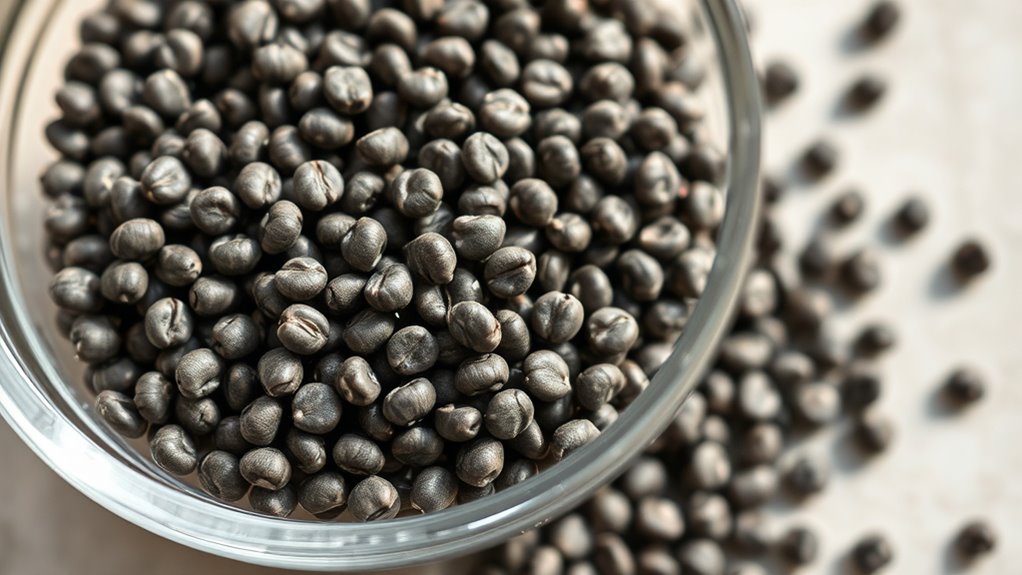
Chia seeds are tiny, nutrient-dense seeds from the Salvia hispanica plant, native to Central and South America. You might wonder why they’ve become so popular.
The answer is their impressive health benefits and nutritional value. These seeds pack fiber, omega-3 fatty acids, protein, vitamins, and minerals in small servings.
Chia seeds are packed with fiber, omega-3s, protein, vitamins, and minerals in tiny servings.
They help improve digestion, support heart health, and boost energy levels. Because they can absorb liquids and form a gel, chia seeds are versatile and easy to add to your diet.
People love them for their natural, plant-based nutrition and because they can be mixed into smoothies, oatmeal, or baked goods effortlessly. Their simplicity and health benefits make chia seeds a go-to for health-conscious folks looking for a nutritious boost.
What Do Plain Chia Seeds Taste Like?
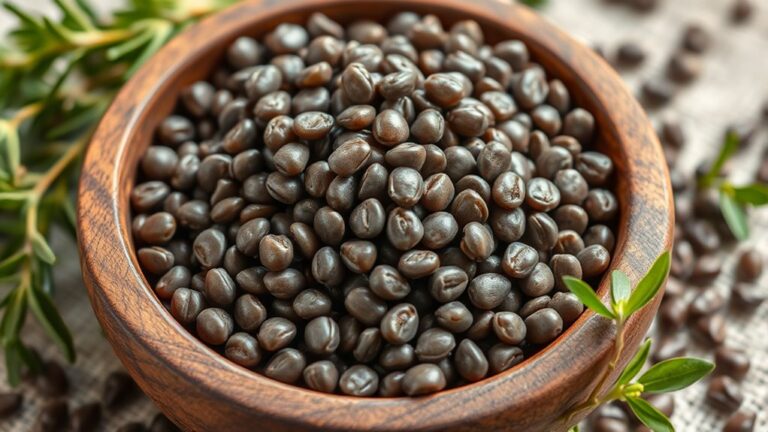
Despite their reputation for health benefits, plain chia seeds have a surprisingly mild and neutral flavor. Their subtle taste allows them to blend seamlessly into various dishes without overpowering other ingredients.
Chia seed origins trace back to Central America, where ancient civilizations valued their nutritional benefits. When eaten plain, you’ll notice a faint nuttiness, but it’s very subdued.
This mild flavor makes them versatile, perfect for smoothies, yogurt, or baked goods. You can add them to lots of dishes without changing the overall flavor.
| Flavor Profile | Usage Tips |
|---|---|
| Mild, nutty taste | Mix into recipes without changing flavor |
| Slight earthiness | Use as a thickening agent |
| Neutral palate | Combine with sweet or savory foods |
Ultimately, plain chia seeds are appreciated more for their health perks than their flavor, making them a popular choice for boosting nutrition effortlessly.
Are Chia Seeds Nutty, Earthy, or Mild in Flavor?
You might notice that chia seeds have a pretty mild flavor overall. Some people describe them as nutty, while others say they have an earthy taste. It really depends on how you’re using them and what you’re pairing them with.
In many recipes, they tend to complement other flavors without overpowering them. So, whether you think of their flavor as nutty, earthy, or just subtle, they’re quite versatile and can fit into all kinds of dishes depending on your preference.
Nutty Flavor Profile
When you taste chia seeds, you’ll notice their flavor is quite subtle and mild, making them versatile for various dishes. They don’t have an overpowering taste but do carry gentle nutty nuances that can enhance recipes.
Compared to other seeds, chia has a milder, less intense nutty flavor, which makes it easy to incorporate without overwhelming the dish’s overall profile. Their subtlety allows you to add chia to smoothies, oatmeal, or baked goods without changing the flavor much.
While not strongly nutty, their flavor has a delicate toasted undertone that adds a pleasant depth. Overall, chia seeds provide a mild, nutty accent that works well with many foods without overpowering other ingredients.
Earthy and Mild Notes
Chia seeds have an earthy and mild flavor that adds a subtle depth to dishes without overpowering other ingredients. This gentle taste makes them versatile for many culinary uses, from smoothies to baked goods.
Their earthy notes complement fruits, nuts, and grains, boosting nutritional benefits without taking over the flavor. The mildness makes it easy to enjoy chia seeds’ health perks like omega-3s, fiber, and antioxidants.
You can sprinkle them on yogurt, mix into oatmeal, or add them to energy bars. Their subtle earthiness creates a natural, wholesome flavor that works well with both sweet and savory dishes.
Whether used as a thickener or garnish, chia seeds’ earthy and mild notes make them a valuable part of your healthy eating routine.
How Do Chia Seeds Absorb Flavors in Recipes?
When you add chia seeds to a recipe, they start soaking up the flavors of whatever they’re in. It’s pretty neat because they basically take in the taste of liquids like milk, juice, or flavored water, which makes your dishes taste even better.
Knowing how this absorption works can really help you get the most out of your recipes. It’s like giving your chia seeds a little flavor makeover, so they blend seamlessly and add that extra richness to your dish.
Flavor Absorption Process
Because of their porous surface, chia seeds readily absorb surrounding liquids and flavors, making them a versatile ingredient in many recipes. As they soak, the seeds expand and develop a gel-like coating, which helps improve flavor intensity through absorption.
This process allows your dish to achieve better ingredient synergy, where flavors meld seamlessly. To get the most flavor absorption, try using flavorful liquids like coconut milk or fruit juices.
Let the seeds soak for at least 15 minutes, or overnight if you want a stronger flavor. You can also mix in spices or sweeteners during soaking for extra taste.
After soaking, combine the chia seeds with other ingredients immediately to keep the flavor infusion at its best. This absorption not only boosts flavor but also enhances the overall texture, making chia seeds a fun and useful addition to your recipes.
Enhancing Recipe Flavors
The key to enhancing recipe flavors with chia seeds is their ability to soak up liquids and seasonings effectively. This makes them great for boosting the flavor in chia seed smoothies, where they absorb fruit juices and flavorings to add texture and richness.
When used in chia seed dressings, they soak up herbs, spices, and vinegar, creating a thicker, more flavorful coating. Chia seed snacks also benefit from this, as they take on sweet or savory seasonings, which intensifies their taste.
Even in chia seed desserts, they soak up milk, honey, or fruit juices, enriching the overall flavor. By letting chia seeds absorb these liquids and seasonings, you can make more flavorful, textured recipes that highlight their natural taste-enhancing qualities.
What Is the Texture of Chia Seeds?
Chia seeds have a unique texture that sets them apart from other superfoods. When you bite into them, you’ll notice their distinctive chia seed consistency, which is both chewy and slightly crunchy. The chia seed crunch is subtle but adds an interesting element to any dish.
Once soaked, the seeds develop a gel-like coating that softens the texture, making them more palatable in smoothies or puddings. If you eat them dry, they’ll offer a satisfying crunch, but this can be intense for some.
Their texture makes them versatile—great in both crunchy and soft forms. They are slightly chewy with a gentle chia seed crunch and maintain a small, firm core after chewing. This adds a pleasant, textural contrast to dishes.
How Does Soaking or Cooking Change the Flavor of Chia Seeds?
Ever wondered how soaking or cooking chia seeds affects their flavor? The effects of soaking are subtle but noticeable. When you soak chia seeds in water or other liquids, they absorb the liquid, giving them a mild, nutty taste that’s often described as earthy.
The flavor becomes more mellow and less bitter, making them more enjoyable to eat. Cooking methods like simmering or adding chia seeds to recipes can also change their flavor. Heating can slightly boost the nutty notes while softening their texture.
Since chia seeds are quite neutral, cooking doesn’t drastically alter their natural taste. Instead, it helps them blend more seamlessly into dishes. Whether you soak or cook them, chia seeds tend to develop a balanced, subdued flavor that complements other ingredients without overpowering them.
Do Flavored Chia Seeds Have a Different Taste?
Flavored chia seeds actually come in a bunch of different options, ranging from sweet to savory. Because of these added ingredients, they tend to taste quite different from plain chia seeds. You might notice some flavors are more subtle, while others are more pronounced, depending on what’s been added. Getting familiar with these variation can really help you pick the best type for your recipes or snacks.
Flavor Variations Available
Many people wonder if adding different flavors to chia seeds really changes how they taste. Flavored chia seeds come in various options, offering unique flavor profiles that can boost your cooking.
These variations include natural infusions or added seasonings, making them versatile for different dishes. Some popular choices are lemon or lime for a tangy kick, vanilla or cinnamon for a touch of sweetness, berry or chocolate for a richer treat, and spiced blends for warmth.
With these flavored options, you can easily experiment by adding chia seeds to smoothies, yogurt, or baked goods. Keep in mind, the flavors can subtly enhance the overall taste, making chia seeds more enjoyable in your recipes.
Taste Differences Noted
While adding flavorings to chia seeds can subtly influence their taste, the core nutritional and textural qualities usually stay the same.
You might notice some taste perception shifts with flavored varieties, as added ingredients can bring out different flavor nuances.
For example, vanilla or berry-flavored chia seeds often have a slightly sweeter or fruitier profile, which can make your experience more enjoyable.
These flavor differences are usually mild but can stand out depending on your palate.
Keep in mind that the natural nutty taste of plain chia seeds remains consistent and acts as a neutral base.
If you’re sensitive to taste nuances, flavored chia seeds might feel a bit more lively, but they still keep their fundamental flavor.
How Do Chia Seeds Taste in Smoothies, Puddings, and Baked Goods?
Ever wonder how chia seeds influence the taste of your favorite treats? When added to smoothies, they give a subtle crunch and a mild, nutty flavor that blends well with fruits like berries, bananas, and mangoes.
In pudding variations, chia seeds create a creamy texture without overpowering the dessert’s natural sweetness. They tend to absorb liquid, making your treats more filling while adding a slight earthiness.
Here’s what you can expect:
Expect a subtle nutty flavor and smooth, gel-like texture that enhances your treats without overpowering.
- Slight nutty flavor that improves but doesn’t dominate
- Mild, neutral taste blending seamlessly with fruits and flavors
- Texture change from crunchy to gel-like in puddings
- Subtle earthiness in baked goods, adding depth
Best Ways to Incorporate Chia Seeds Into Your Diet
Incorporating chia seeds into your diet is simple and versatile. You can add them to smoothies for a nutritious boost, blending them with fruits, yogurt, or milk. The seeds absorb liquid quickly, creating a thick, satisfying texture that makes your drink more filling.
Chia seed salads are another easy option. Just sprinkle them over greens, vegetables, or grains to add fiber and omega-3s. They work well in both cold and warm salads, giving a subtle crunch and nutty flavor.
You can also soak chia seeds overnight in water or milk to make a gel. This gel is great as a thickener for puddings or as a topping for oatmeal or yogurt. These methods are quick, require minimal prep, and make it easy to include chia seeds daily.
Whether in smoothies or salads, chia seeds are a convenient way to boost your nutrition without changing the flavor too much.
Pairing Chia Seeds With Other Flavors and Ingredients
Pairing chia seeds with other flavors and ingredients can boost their natural nuttiness and create delicious, balanced dishes. When exploring flavor combinations, think about contrasting textures and tastes that complement chia’s mild flavor. You can improve your recipes with ingredient pairings that add sweetness, acidity, or richness.
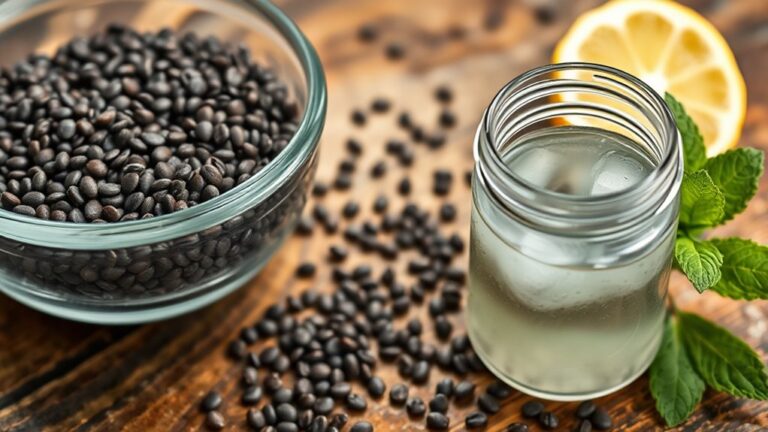
Try these effective pairings: fresh berries and honey for a sweet, tangy combo; coconut milk and mango for a tropical flavor; Greek yogurt and honey for a creamy, mildly sweet taste; lemon juice and mint for an invigorating twist.
These flavor combinations showcase chia seeds’ versatility, making them great for breakfast bowls, smoothies, or puddings. Experimenting with different ingredients helps you find new favorite dishes while highlighting chia’s subtle flavor.
Keep in mind that balance is key. Choose ingredients that enhance without overpowering. This way, you create delicious, nutritious meals that highlight chia seeds’ unique taste.
Frequently Asked Questions
Do Different Colors of Chia Seeds Have Distinct Flavors?
No, different colors of chia seeds don’t have distinct flavors. The color variations, like black, white, or gray, mainly affect how they look, not how they taste.
You’ll find that the flavor profiles are pretty similar across all colors—mild, nutty, and slightly earthy. So, whether you pick black or white chia seeds, you can expect the same subtle flavor.
This makes them versatile for a variety of recipes without changing the taste.
Can Chia Seeds Taste Different Based on Their Origin or Brand?
Chia seeds can taste slightly different depending on their origin factors and brand influence. You might notice subtle variations in flavor based on where they’re grown, as soil and climate affect taste.
Furthermore, different brands may process or package their seeds in a distinctive manner, which can influence flavor intensity. However, overall, chia seeds have a mild, nutty taste that remains fairly consistent regardless of origin or brand, making them versatile for various recipes.
Are Flavored Chia Seeds Artificially Enhanced in Taste?
Flavored chia seeds often have artificial improvements to boost their taste, though some brands use natural flavoring to keep them healthier.
These additions can make the seeds taste sweeter or more appealing, but they might reduce the natural flavoring and nutritional benefits.
If you prefer a more natural option, look for brands that emphasize natural flavoring and minimal processing.
This way, you can enjoy the nutritional benefits without unwanted additives.
How Does Roasting or Toasting Affect Chia Seeds’ Flavor?
Roasting or toasting chia seeds really brings out their flavor profiles, giving them a nutty, warm aroma that’s hard to miss. You might find that the heat also causes texture changes, making the seeds crunchier and more appealing.
It’s a win-win situation because you improve the taste while adding a delightful texture. Just keep an eye on them to avoid burning, as the flavor can turn bitter if overdone.
Do Chia Seeds Have a Bitter or Unpleasant Taste When Spoiled?
Yes, spoiled chia seeds can have a bitter, unpleasant taste. You’ll notice spoilage indicators like a sour smell, mold, or clumping.
To avoid this, store your seeds properly. Keep them in an airtight container in a cool, dark place, and refrigerate after opening.
If the seeds taste off or show signs of spoilage, it’s best to discard them. This helps prevent any health issues.
Conclusion
Incorporating chia seeds into your diet is like adding tiny drops of nourishment to your daily canvas. Their mild, adaptable flavor acts as a gentle whisper, blending seamlessly into smoothies, puddings, or baked treats.
As you explore their subtle taste, you’ll find that these little seeds are more than just a nutritious addition. They’re a delicate brushstroke, enriching your meals with a hint of earthiness and a splash of versatility.
When it comes to flavor, chia seeds taste mild and nutty, with a faint hint of earthiness. They’re not overpowering, making them easy to incorporate into many dishes.
Overall, chia seeds have a subtle, nutty flavor that complements various foods without overwhelming them. Their taste is gentle, allowing the other ingredients to shine while adding a touch of earthiness.