What Is Deep Water Culture? Understanding This Popular Hydroponic Method
Deep water culture (DWC) is a hydroponic growing method where plant roots are suspended directly in a nutrient-rich, oxygenated water solution. Instead of soil, plants rely on this water environment to access nutrients and oxygen, encouraging rapid growth and high yields under controlled conditions.
This technique matters because it provides a steady supply of oxygen to roots, reduces transplant shock, and allows for efficient nutrient uptake. As a result, growers can often see faster plant development compared to traditional soil growing, making it popular among both hobbyists and commercial cultivators.
In the following sections, we’ll explore how deep water culture systems work, the equipment involved, benefits and challenges, plant suitability, maintenance tips, and comparisons with other hydroponic growing systems, helping you decide if DWC is right for your needs.
How Deep Water Culture Works

Basic Principles of DWC
In deep water culture, plant roots dangle freely in a reservoir filled with a mixture of water and dissolved nutrients. The key is providing ample oxygen to prevent root suffocation, usually achieved by air stones connected to an air pump. This ensures roots receive oxygen while absorbing nutrients directly.
The constant access to oxygen and nutrients allows plants to focus energy on rapid growth. Because roots never dry out, water stress is minimized, and nutrient availability can be precisely controlled, leading to higher uniformity and faster harvests.
Essential Components of a DWC System
A typical DWC setup includes a reservoir to hold the nutrient solution, net pots to support plants, an air pump connected to air stones to oxygenate the water, and growing medium like clay pellets or rockwool for stability. Monitoring pH and nutrient levels is critical to keep the solution balanced.
Growers often employ insulation or use opaque reservoirs to prevent algae growth. Depending on scale, reservoirs can be small buckets for home gardens or large tanks in commercial operations. Proper sealing around pot rims prevents roots from drying out.
Advantages and Challenges of Deep Water Culture

Benefits of DWC for Plant Growth
Deep water culture promotes rapid plant growth by delivering high oxygen and nutrients directly to roots. This often results in shorter growing cycles and larger yields than soil-based methods. The simplicity of the system also makes it beginner-friendly and relatively low-maintenance.
Moreover, reduced soil-borne diseases and pests make it appealing for growers wanting to avoid chemical pesticides. DWC systems generally consume less water than traditional agriculture, making them more environmentally sustainable when set up efficiently.
- Faster growth rates
- Increased oxygen availability
- Reduced risk of soil pests
- Lower water usage
Common Challenges to Manage
Despite its advantages, DWC requires careful oxygenation because roots submerged without air can drown quickly. Pumps and air stones must run continuously and be checked regularly to avoid system failure. Nutrient imbalances are also a risk, so frequent monitoring is necessary.
Additionally, temperature control of the nutrient solution is critical since water that gets too warm can reduce oxygen capacity and encourage pathogens like root rot. Light-blocking reservoirs and cooling measures help mitigate these problems.
- Pump and oxygenation dependency
- Nutrient and pH monitoring
- Temperature sensitivity
- Risk of root diseases
Best Plants for Deep Water Culture
Ideal Crops for DWC Systems
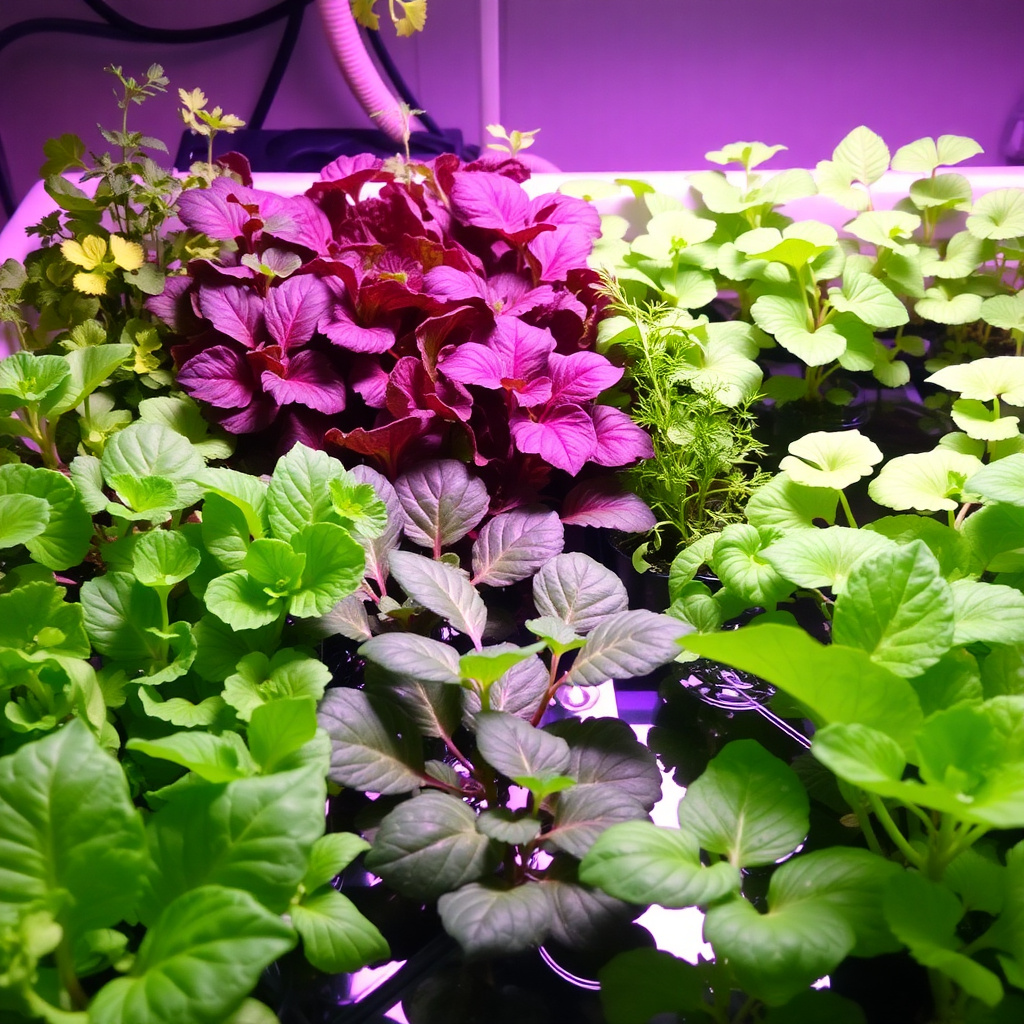
Leafy greens like lettuce, spinach, and kale excel in deep water culture due to their relatively short growth cycles and sensitivity to soil conditions. Herbs such as basil, mint, and cilantro also thrive because they benefit from consistent water and nutrient availability.
Vegetables with larger root systems, like tomatoes or peppers, can be grown using DWC but often require more maintenance and space. For beginners, leafy greens and herbs are the best starting point to experience success with hydroponic growing systems including deep water culture.
- Lettuce
- Spinach
- Basil
- Mint
For more on this, see our related guide: What Makes Watermelon Seeds Good for You?.
Plants Less Suited for DWC
Root crops such as carrots and potatoes are impractical for deep water culture since their development requires soil structure for support. Similarly, plants with extensive root systems or those prone to fungal diseases may struggle without careful management of oxygen and nutrient levels.
While some fruiting plants can grow in DWC, they usually need additional support and more precise environmental controls, making them a challenge for beginners or small-scale hobby growers.
- Carrots
- Potatoes
- Strawberries (without special care)
Setting Up and Maintaining a Deep Water Culture System

Initial Setup Steps
Setting up a deep water culture system starts with choosing an appropriately sized reservoir and ensuring it blocks light exposure. Installing net pots filled with a stable growing medium will support seedlings or clones. Filling the reservoir with a balanced nutrient solution comes next, followed by connecting an air pump to provide oxygen.
Monitoring pH and electrical conductivity (EC) levels as you introduce plants ensures conditions remain optimal. The system should be tested a day before transplanting to confirm oxygenation and nutrient balance.
Routine Maintenance and Troubleshooting
Daily checks of air pump operation, water temperature, and nutrient levels help maintain a healthy environment. Changing the nutrient solution every one to two weeks and cleaning components prevent buildup and pathogens. Watch for signs of stress, like yellowing leaves which may indicate nutrient issues.
If root rot or algae appears, increasing oxygen delivery, shading the reservoir, or adjusting temperatures can help. Backup power options keep pumps running during outages to protect plants.
Comparing Deep Water Culture to Other Hydroponic Methods

DWC vs. Nutrient Film Technique (NFT)
While deep water culture suspends roots in a static reservoir, nutrient film technique circulates a thin film of nutrient solution over roots in angled channels. NFT provides continuous nutrient flow but requires careful slope and flow rate management to avoid dry spots.
DWC is simpler to set up and maintain but can face oxygen limits if air pumps fail. NFT uses less water overall but is less forgiving of blockages, making DWC more beginner-friendly.
For more on this, see our related guide: Do You Swallow Pomegranate Seeds Safely?.
DWC vs. Drip Hydroponics
Drip hydroponics delivers nutrient solution drop by drop directly to the base of each plant, allowing for precise water control and suitability for larger or fruiting crops. However, it requires more complex plumbing and frequent maintenance.
DWC offers a tank-based environment that is easier for leafy greens, with fewer components to monitor. Drip systems excel when crop diversity and precise irrigation timing are priorities.
Environmental and Economic Considerations

Sustainability Benefits of Deep Water Culture
Deep water culture uses up to 90% less water than traditional soil farming because the closed reservoir recirculates nutrients and draws little from fresh supplies. Its controlled environment reduces pesticide needs and can utilize renewable energy for pumps and lighting, lowering environmental impact.
Urban growers leverage DWC to produce fresh food locally while cutting transportation emissions. The efficient use of space and resources supports sustainable food systems in water-scarce or limited-land areas.
For more technical background and historical context, the Deep water culture on Wikipedia offers detailed insights. Deep water culture on Wikipedia.
Cost Factors and Economic Feasibility
Initial investment for a DWC system includes reservoirs, pumps, pots, and nutrient solutions. While starting costs are generally moderate, ongoing electricity for air pumps and nutrient replenishments contribute to expenses.
Commercial growers benefit from higher yields and faster crop turnover, offsetting costs. Hobbyists should weigh system scale against budget and potential plant output to find a cost-effective solution.
Deep Water Culture vs. Other Hydroponic Growing Systems
This comparison highlights key differences among popular hydroponic methods, helping you select the best system for your growing goals.
| Hydroponic System | Water Usage | Complexity | Best For | Typical Crop Types |
|---|---|---|---|---|
| Deep Water Culture | Low (recirculates water) | Low | Leafy greens and herbs | Lettuce, basil, spinach |
| Nutrient Film Technique | Very Low | Medium | Small plants with steady water needs | Lettuce, strawberries |
| Drip Hydroponics | Medium | High | Wide range, including fruiting plants | Tomatoes, peppers, herbs |
| Aeroponics | Very Low | Very High | Research and high-value crops | Leafy greens, herbs |
| Flood and Drain (Ebb and Flow) | Medium | Medium | Various vegetables | Leafy greens, tomatoes, cucumbers |
Frequently Asked Questions
How often should I change the nutrient solution in a deep water culture system?
It is recommended to change the nutrient solution every one to two weeks to maintain optimal nutrient levels and prevent buildup of salts or pathogens.
Can deep water culture systems be used indoors?
Yes, deep water culture systems are well-suited for indoor gardening since they require minimal space and provide controlled growing environments.
What happens if the air pump in a DWC system fails?
Without oxygen supplied by the air pump, plant roots can quickly suffocate and die. It’s important to have regular checks and possibly backup systems to prevent this.
Is deep water culture suitable for beginners?
DWC is considered beginner-friendly because of its simple design and relatively low maintenance compared to other hydroponic systems.
What pH level is ideal for deep water culture nutrient solutions?
The ideal pH range for DWC nutrient solutions is typically between 5.5 and 6.5 to maximize nutrient availability and prevent deficiencies.
Key Takeaways
- Deep water culture suspends plant roots in oxygenated nutrient solutions for fast growth.
- Ideal for leafy greens and herbs, offering simpler setup compared to other hydroponic systems.
- Requires continuous oxygen supply and nutrient monitoring to avoid root issues.
- Uses water efficiently, making it an eco-friendly hydroponic growing system.
Conclusion
When deciding whether to adopt deep water culture, focus on understanding your plant choices, system scale, and maintenance capacity. This method excels by providing direct oxygen and nutrients to roots, speeding plant growth while using water efficiently. However, its success hinges on consistent oxygenation and nutrient balance, so familiarity with monitoring techniques is helpful.
For most hobbyists and small growers, starting with leafy greens and herbs in a simple DWC setup offers rewarding results and manageable upkeep. Larger or more complex crops, including many fruiting vegetables, might require alternative hydroponic growing systems, such as drip or nutrient film technique, which provide tailored irrigation and nutrient delivery. Choosing a system that fits your environment and goals will maximize your hydroponic gardening success.
To begin, set up a basic DWC system with quality components, regularly check air pumps and solution parameters, and select crops well-matched to this method. Learning through hands-on experience and adjusting nutrient solutions gradually will provide insights into your plants’ needs. Deep water culture can unlock fast, productive growth in a compact footprint, making it a strong choice for contemporary gardening.