What Makes Watermelon Seeds Good for You?
Many people struggle with finding healthy snacks that actually boost their well-being without adding extra calories or unhealthy ingredients. If you’re looking for a tasty, nutritious option, watermelon seeds might be just what you need.
Watermelon seeds are a nutritious snack packed with healthy fats, protein, magnesium, zinc, and antioxidants that support your heart, boost your immune system, and improve digestion. They help reduce inflammation, lower bad cholesterol, and regulate blood pressure, promoting overall health.
Plus, their high fiber and protein content keep you full longer, aiding in weight management.
Uncover how to incorporate them into your diet and stay safe with simple tips if you keep exploring.
Key Takeaways
- Rich in healthy fats, protein, magnesium, zinc, and iron that support overall health and energy levels. These nutrients help keep your body running smoothly.
- Contain antioxidants that fight oxidative stress and reduce inflammation, which can help protect your cells from damage.
- Promote heart health by lowering bad cholesterol and improving how blood vessels work, keeping your heart happy.
- Support immune function through their high zinc content and help your body absorb essential nutrients.
- Aid digestion and weight management with their high fiber and nutrients that keep you feeling full longer.
What Are Watermelon Seeds and Why Are They Nutritional Powerhouses?
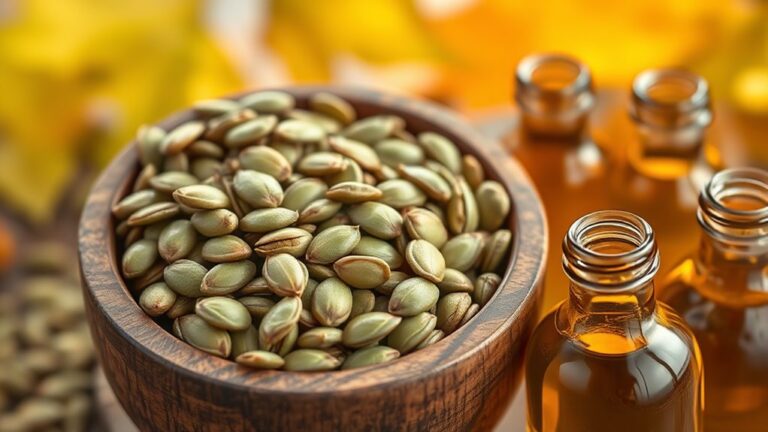
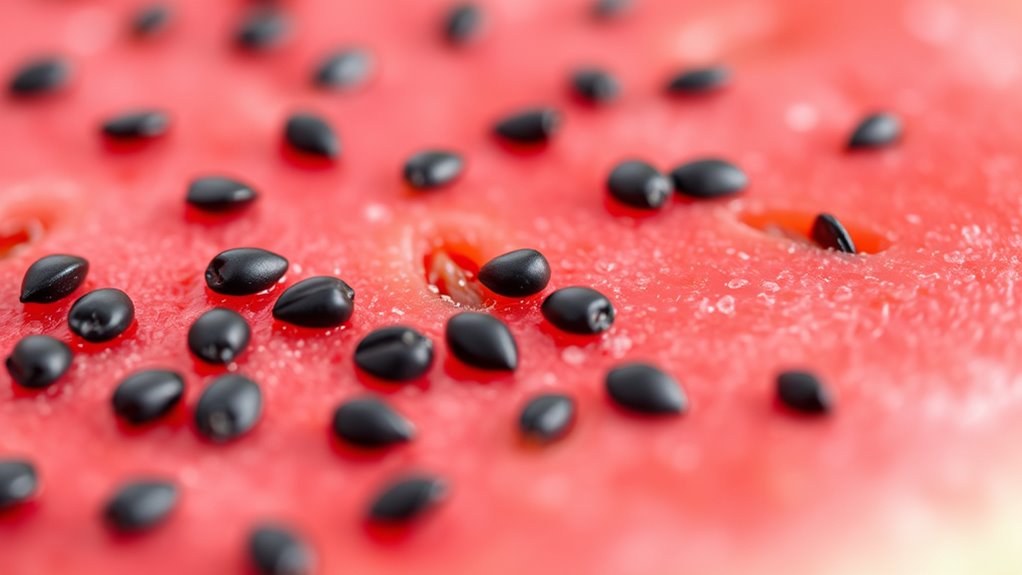
Although they’re often discarded, watermelon seeds are actually packed with nutrients that can boost your health. You might think all seed varieties are the same, but watermelon seeds stand out for their rich nutritional profile.
They contain healthy fats, protein, magnesium, zinc, and iron, making them a true powerhouse. Despite popular health myths that label them as merely waste, these seeds offer numerous benefits when consumed properly.
Watermelon seeds are easy to incorporate into your diet—roasted, sprouted, or raw—and provide essential minerals that support energy, immunity, and overall well-being. Some believe they’re just empty calories or difficult to digest, but that’s not true if prepared correctly.
Knowing the different seed varieties helps you appreciate their unique qualities, and understanding the facts dispels common misconceptions. So, instead of tossing them aside, recognize watermelon seeds as a nutritious addition to your health routine.
What Nutrients Are Inside Watermelon Seeds?
Watermelon seeds are tiny nutritional powerhouses packed with essential nutrients that support your overall health. Their nutrient profile includes healthy fats, protein, magnesium, zinc, iron, and antioxidants.
These nutrients contribute to various health benefits, such as boosting your immune system, improving digestion, and supporting cell repair. The healthy fats, mainly monounsaturated and polyunsaturated fats, help maintain good cholesterol levels.
These nutrients support immune health, digestion, and cell repair, while healthy fats help maintain balanced cholesterol levels.
Protein in watermelon seeds aids muscle repair and growth. Magnesium supports bone health and energy production, while zinc improves immune function. Iron is crucial for oxygen transport in your blood.
Moreover, antioxidants like phytosterols help combat oxidative stress. Consuming watermelon seeds can be a simple way to naturally boost your nutrient intake.
How Do Watermelon Seeds Support Heart Health?
Because they contain healthy fats like monounsaturated and polyunsaturated fats, watermelon seeds can play a big role in supporting your heart health. These fats help lower bad cholesterol levels (LDL), which reduces your risk of heart problems.
Eating watermelon seeds may also help improve blood vessel function and promote better circulation, giving your overall cardiovascular health a boost. The seeds are rich in magnesium, a mineral that helps keep blood pressure in check and your heart rhythm steady.
They also contain phytosterols, plant compounds that can block cholesterol absorption in your gut, offering extra protection for your heart. Adding watermelon seeds to your diet regularly can provide these heart health benefits and support a healthier cardiovascular system.
Can Watermelon Seeds Help Reduce Inflammation?
The healthy fats and antioxidants found in watermelon seeds not only support heart health but may also help fight inflammation in your body. These seeds contain compounds with strong anti-inflammatory properties that can reduce swelling and discomfort caused by chronic inflammation.
Watermelon seeds’ healthy fats and antioxidants help reduce inflammation and support overall heart health.
When you eat watermelon seeds, seed extraction processes help preserve these beneficial nutrients, making them easier for your body to absorb. The antioxidants in the seeds, like magnesium and zinc, battle free radicals that contribute to inflammation.
Regularly including watermelon seeds in your diet may help lower issues related to inflammation, such as joint pain and skin irritations. You can add them to smoothies or enjoy them roasted—it’s a simple way to get their anti-inflammatory benefits.
Choosing quality seed extraction methods ensures you get the most nutrients that support your body’s fight against inflammation. Overall, incorporating watermelon seeds can promote better health and wellness.
How Watermelon Seeds Boost Your Immune System?
Consuming watermelon seeds can strengthen your immune system thanks to their rich nutrient profile. They contain essential minerals and antioxidants that help improve your immune response and enhance nutrient absorption.
When you eat seeds, imagine:
- A surge of zinc supporting your immune cells, making them more efficient at fighting off germs.
- Magnesium helping your body create energy to sustain immune activity throughout the day.
- Healthy fats and phytochemicals working together to reduce oxidative stress, keeping your immune defenses strong.
These nutrients work together to boost your body’s ability to respond quickly to infections. As your immune system becomes more efficient, you’ll notice your overall resilience increases.
Plus, the nutrients in watermelon seeds help your body absorb crucial vitamins better, ensuring you get the most out of your diet. Incorporating these seeds into your routine is a natural way to support lasting immune health.
Do Watermelon Seeds Improve Digestion and Gut Health?
Watermelon seeds can play a beneficial role in improving digestion and gut health because they contain dietary fiber and bioactive compounds that support a healthy digestive system. The fiber adds bulk to your stool, helping prevent constipation and promoting regularity.
Furthermore, the bioactive compounds in watermelon seeds can improve digestion by reducing inflammation and soothing the stomach lining. Consuming seeds may also positively influence your gut microbiome, which is the community of beneficial bacteria that aid digestion and nutrient absorption.
A balanced gut microbiome is essential for overall gut health, and the nutrients in watermelon seeds can nourish these good bacteria. Including watermelon seeds in your diet can contribute to a more effective digestive system, reducing discomfort and supporting long-term gut health.
Can Watermelon Seeds Make Your Skin and Hair Healthier?
Imagine this:
- Your skin glowing with a natural radiance, thanks to the vitamins in the seeds.
- Your hair growing thicker and stronger, fueled by essential fatty acids.
- Your scalp feeling healthier, less prone to dryness or dandruff.
Eating watermelon seeds can help your skin look smoother and more youthful. It can also give your hair added strength and shine. These nutrients work together to boost your overall appearance, making watermelon seeds a simple, natural beauty booster.
Do Watermelon Seeds Help You Feel Full and Manage Weight?
Have you ever wondered if eating watermelon seeds can help curb your appetite? The answer is yes, to some extent. Watermelon seeds contain protein, healthy fats, and fiber, which can promote satiety signals in your body.
When you consume these seeds, they help you feel full longer, reducing the urge to snack unnecessarily. This can support your weight management efforts by curbing overeating and controlling portion sizes.
Furthermore, the fiber in watermelon seeds slows digestion, helping you stay satisfied throughout the day. The healthy fats contribute to feeling full and provide sustained energy.
Incorporating watermelon seeds into your diet, in moderation, can be a simple way to support your weight management goals. While they’re not a magic solution, their nutrient profile can help you manage hunger better and maintain a balanced diet.
How to Easily Add Watermelon Seeds to Your Diet?
Looking to add more watermelon seeds to your diet? It’s pretty simple! You can throw them into your smoothies for a little crunch and a boost of nutrients. Or, if you’re a salad fan, sprinkle some on top — it’s an easy way to make your meal more interesting.
They’re also great mixed into baked goods. Imagine adding them to muffins or bread — it’s a small change that can make a big difference. Just try out these easy tips and enjoy the health benefits without any hassle!
Incorporate Into Smoothies
Adding watermelon seeds to your smoothies is an easy way to boost their nutritional value. Just blend a handful of seeds into your favorite recipes, and you’ll enhance both texture and health benefits.
To incorporate them seamlessly, start by choosing ripe fruit like watermelon, berries, or bananas to pair well with the seeds.
Add a tablespoon of watermelon seeds into the blender before mixing everything up.
Feel free to experiment with flavor combos—try adding mint, lime, or coconut for a refreshing twist.
Watermelon seeds bring a nutty flavor and crunch that can really elevate your smoothies. They’re great for balancing flavors and adding protein and healthy fats.
With a little practice, adding seeds will become second nature, making your smoothies more nutritious and satisfying.
Sprinkle On Salads
Sprinkling watermelon seeds onto salads is an easy way to boost their crunch and nutrition. These seeds add texture and make your salad more flavorful while offering essential nutrients. Just sprinkle a handful over your greens, and you’re good to go.
They’re packed with magnesium, zinc, and healthy fats, making your meal more nourishing. To see their benefits at a glance, check out the table below:
| Nutritional Benefit | Why It Matters | How to Use |
|---|---|---|
| Magnesium | Supports muscle function | Sprinkle directly |
| Zinc | Boosts immune health | Toss with greens |
| Healthy Fats | Promotes heart health | Add as topping |
| Fiber | Aids digestion | Mix into salad |
Adding watermelon seeds as a salad topping is quick, tasty, and a simple way to boost your diet’s nutritional value.
Mix In Baked Goods
Incorporating watermelon seeds into baked goods is an easy way to boost their nutritional profile without changing the flavor much. You can add these seed snacks directly into recipes like muffins, bread, or cookies.
Imagine sprinkling a handful of seeds into your batter before baking, creating a crunchy, nutrient-rich topping. Or mixing seeds into dough for muffins or bread, adding texture and a subtle nutty flavor.
You can also use ground watermelon seeds as a flour substitute or supplement to boost protein and healthy fats. These simple steps turn ordinary baked goods into power-packed snacks.
You get the benefits of watermelon seeds effortlessly, making it easy to enjoy their health perks every day. Plus, the seeds add a satisfying crunch to your favorite treats.
Are Watermelon Seeds Safe to Eat? Risks and Precautions?
While watermelon seeds are generally safe to eat, it’s good to be aware of potential risks and take some precautions. Some people might have seed allergies, which can cause allergic reactions.
Raw seeds also contain compounds that can be tough to digest, so proper preparation is recommended. Roasting or sprouting the seeds can help reduce these concerns and make them safer to enjoy.
| Risk | Precaution | Notes |
|---|---|---|
| Seed allergies | Avoid if allergic | Watch for allergy symptoms |
| Digestive issues | Use proper preparation methods | Roasting or sprouting helps digestion |
| Contamination | Buy from reputable sources | Wash seeds thoroughly |
Frequently Asked Questions
Can Watermelon Seeds Aid in Muscle Recovery and Athletic Performance?
Yes, watermelon seeds can help with muscle recovery and boost athletic performance. They’re packed with magnesium and protein, which are great for repairing muscles and reducing soreness after exercise.
Eating watermelon seeds can also improve your endurance by supplying essential nutrients that keep your energy levels up and fight fatigue. Adding these seeds to your diet is a smart way to support faster recovery and perform better overall.
Are There Any Specific Vitamins in Watermelon Seeds That Improve Eye Health?
Like tiny guardians, watermelon seeds contain vitamin E and zinc, which help protect your eyes. These nutrients support overall eye wellness and can help shield your vision from damage.
Their rich vitamin content acts as a shield against oxidative stress, keeping your eyesight sharp and clear. Including them in your diet nourishes your eyes from within.
This way, you can help ensure your vision stays vibrant and resilient over time.
How Do Watermelon Seeds Compare to Other Seed Snacks Nutritionally?
Watermelon seeds are a nutritious snack alternative, offering a good mix of seed nutrition like healthy fats, protein, and minerals.
Compared to other seed snacks, they’re often lower in calories and fat but still provide essential nutrients. You benefit from their magnesium, zinc, and iron content, making them a wholesome choice.
Incorporating watermelon seeds into your diet adds variety and valuable nutrients, making them a smart, tasty snack alternative.
Are There Cultural or Traditional Uses of Watermelon Seeds Around the World?
Watermelon seeds are deeply rooted in various cultures, showcasing their cultural significance and use in traditional remedies. In parts of Africa and Asia, people roast and eat them as a snack or use them in folk medicine to boost health.
Their cultural importance often reflects ancient practices, symbolizing fertility or prosperity. You might find that sharing watermelon seeds connects you to a rich heritage, where each seed tells a story of tradition and wellness.
What Are the Best Ways to Store Watermelon Seeds to Maintain Freshness?
To keep your watermelon seeds fresh, store them in an airtight container or resealable bag. Make sure there’s minimal exposure to air and moisture.
Keep the container in a cool, dark place like a pantry or cupboard. This helps prevent mold or spoilage.
Follow these seed storage tips to maintain their viability for planting or snacking. When done right, your seeds stay fresh and flavorful for months.
Conclusion
So, next time you enjoy a juicy watermelon, remember those tiny seeds hold unexpected benefits. It’s funny how something so small can pack such a nutritional punch, supporting your heart, boosting immunity, and even enhancing your skin.
By adding these seeds to your diet, you’re not just savoring summer’s sweetness—you’re embracing a simple, natural way to nourish your body. Who knew that a little seed could make such a big difference in your health?
Watermelon seeds are a great source of healthy fats, magnesium, and antioxidants. Including them in your snacks can help improve your overall wellness in a tasty way.
So, don’t toss those seeds away. Instead, enjoy their health benefits and make the most of nature’s tiny superfood.