Are Seed Oils Bad for Your Health?
Are you trying to make healthier choices but feel overwhelmed by the options? Many people struggle with understanding which oils are best for their health. If you’re concerned about inflammation and long-term wellness, you’re not alone.
Seed oils, like soybean, corn, and sunflower oil, are highly processed and often contain high levels of omega-6 fats that can promote inflammation if you consume too much.
This inflammation may contribute to chronic diseases such as heart disease, Alzheimer’s, and cancer over time.
While they’re widely used, reducing your intake and choosing healthier oils like unrefined, monounsaturated options can improve your health.
If you want to understand how these oils affect your body, there’s more to uncover.
Key Takeaways
- Processing methods like hydrogenation can create trans fats, which increase the risk of heart disease.
- High omega-6 fatty acid content might promote inflammation and damage blood vessels.
- Refining removes antioxidants and nutrients, so seed oils lose many of their health benefits.
- Eating too much seed oil has been linked to chronic diseases like heart problems and inflammation.
- Choosing unrefined oils and balancing your fat sources can help support better health.
What Are Seed Oils and How Are They Made?
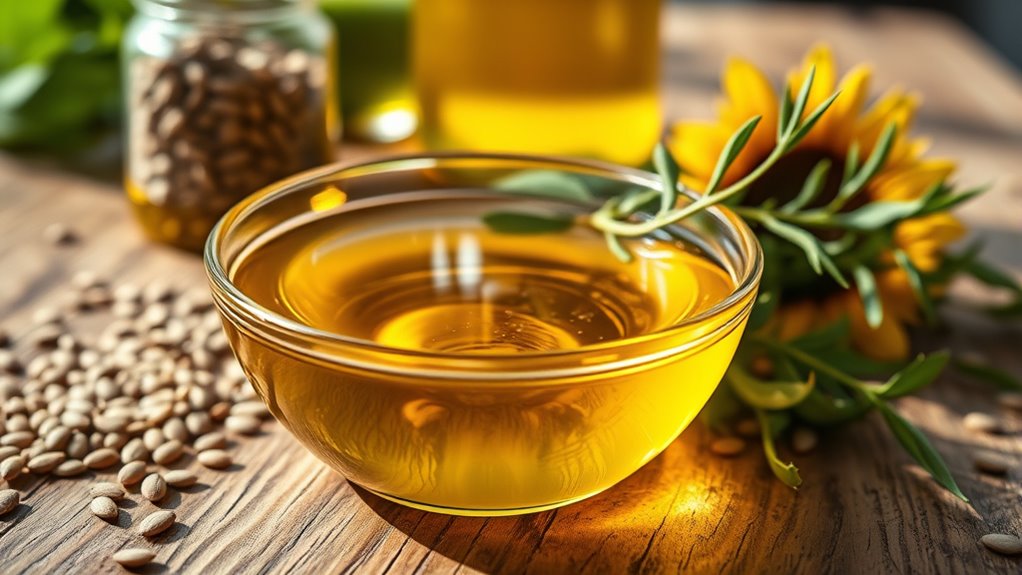
Seed oils are plant-based oils extracted from the seeds of various crops, such as soybeans, corn, sunflower, and canola. These oils come in different types, each with unique flavors and uses.
Seed oils are plant-based extracts from crops like soybeans, corn, sunflower, and canola, each with unique flavors and uses.
To produce them, manufacturers use specific extraction methods. The most common is cold pressing, where seeds are mechanically pressed without heat to preserve nutrients.
Another popular technique is solvent extraction, which uses chemicals like hexane to maximize oil yield. This method is more efficient but often requires refining afterward.
Some producers also employ expeller pressing, a high-pressure process that generates heat to extract oil.
Regardless of the method, the goal is to get the oil out while maintaining quality. Each process impacts the oil’s composition and purity and ultimately influences its health effects and culinary uses.
Understanding these methods helps you see how different seed oils are made and how processing can affect their properties.
How Processing Changes Seed Oil Quality
When seed oils go through processing, a lot of their original nutrients can get stripped away, which means they might not be as healthy as they originally were. You know, hydrogenation is a common process where liquid oils are turned into solid fats, but it can also create trans fats. And we’ve all heard that trans fats aren’t great for your health—they can increase bad cholesterol and raise your risk of heart disease.
Plus, the high heat used during processing can change the oil’s natural makeup. This can lead to the formation of some harmful compounds that weren’t there before. So, all in all, the way seed oils are processed can really impact their quality and health benefits.
Refining Removes Nutrients
Processing seed oils through refining greatly alters their nutritional profile by removing many beneficial compounds. This nutrient loss can have serious health implications, as you miss out on crucial antioxidants, vitamins, and phytochemicals that support your well-being. When nutrients are stripped away, your body receives fewer protective elements, increasing vulnerability to inflammation and disease.
Consider these points:
- You lose antioxidants that fight oxidative stress.
- Essential vitamins are removed, weakening your immune system.
- The refined oil’s reduced nutrient content can impair overall health.
Refining turns nutrient-rich oils into processed products that lack the natural compounds your body needs for peak function. This process leaves you with a less nourishing, less protective oil—potentially impacting your health long-term.
Hydrogenation Creates Trans Fats
Hydrogenation is a chemical process that turns liquid oils into solid fats, but it also creates harmful trans fats in the process. During hydrogenation, hydrogen atoms are added to unsaturated fats, which causes trans fats to form.
These trans fats aren’t naturally occurring and are linked to higher risks of heart disease, stroke, and inflammation. When you eat them, trans fats can raise bad LDL cholesterol and lower good HDL cholesterol, hurting your heart health.
Because of these health risks, many health authorities warn against eating foods high in trans fats. Processed seed oils often go through hydrogenation to boost shelf life and texture, but this adds trans fats that can be bad for your long-term health.
Reducing your intake of hydrogenated oils is a smart move for better health and well-being.
Heat Alters Oil Composition
Heat plays a big role in changing the composition of seed oils during processing, often reducing their nutritional quality. When you cook with seed oils, high temperatures can make the oil less stable and speed up oxidation, which might produce harmful compounds.
As the smoke point drops, nutrients like antioxidants and omega fats are lost. This not only affects the flavor but also has health implications, potentially increasing inflammation and disease risk.
Think about how heat can cause you to lose essential nutrients that support your health. It can also lead to the formation of harmful oxidation products that threaten your well-being.
Understanding how heat impacts seed oils helps you make smarter cooking choices aligned with your health goals.
What’s in Seed Oils and Why It Matters
Understanding what’s in seed oils can really help you get a better sense of how they might impact your health. These oils are made up of fats, and some of those fats can cause inflammation or other problems if you eat too much of them. When you know what’s inside, it’s easier to make smarter choices about what you put in your body.
Composition of Seed Oils
Seed oils are mostly made up of fats called triglycerides, which include different fatty acids. These fatty acids affect nutrient density, how stable they are when heated, and their flavor profiles, influencing how you cook with them.
Knowing what’s in seed oils helps you understand their uses in cooking and their environmental impact. For example, some have lots of polyunsaturated fats, making them less stable at high heat. Others are known for their mild flavors and regional uses.
Seed oils have long been valued for their versatility and perceived health benefits, but their composition can vary a lot. Recognizing these differences can shape your feelings about food choices and health.
Whether you’re thinking about how to cook or caring about sustainability, knowing what’s in seed oils really matters.
Impact on Health
The specific types of fatty acids in seed oils directly influence how they affect your health. They contain high levels of polyunsaturated fats, which can impact metabolic processes and are often debated in health discussions.
People have different views on seed oils. Some see them as healthy, while others question whether they’re safe to consume regularly. Dietary guidelines now focus on differences in quality and nutritional value.
Scientific studies suggest that eating too much seed oil might promote inflammation and increase the risk of chronic diseases. This can have serious public health implications.
Culinary uses often favor seed oils for their neutral flavor. But how they’re processed and their historical use can change their effects on health. Here’s a quick comparison of the key factors:
| Aspect | Benefits | Risks |
|---|---|---|
| Nutritional | Contains essential fatty acids | Risk of oxidation |
| Quality Differences | Cold-pressed versus refined oils | Additives used in processing |
| Metabolic Effects | May support heart health | Could promote inflammation |
How Seed Oils Compare to Other Cooking Fats
When comparing seed oils to other cooking fats, you’ll notice differences in their composition, stability, and health effects. Seed oils often have high polyunsaturated fat content, which can influence your cooking techniques and nutritional benefits. They are versatile and fit into many culinary applications, especially for frying and sautéing, thanks to their stability at high temperatures. In contrast, options like butter or lard offer richer flavor profiles and are preferred in certain baked goods or traditional recipes.
Consider these points:
Seed oils are often promoted by health trends for their omega-6 content, but overuse may impact inflammation.
Other fat sources like olive oil provide monounsaturated fats with proven health benefits.
Oil varieties like coconut oil offer different culinary applications and flavor profiles, aligning with diverse dietary preferences.
Choosing the right fat depends on your health goals, cooking style, and taste preferences.
How Seed Oils Impact Inflammation and Heart Health
While seed oils are popular for their affordability and versatility, emerging research suggests they may influence inflammation and heart health in complex ways. Consuming seed oils high in omega-6 fatty acids could promote an inflammatory response, which plays a key role in heart disease development.
Heightened inflammation can damage blood vessels, leading to plaque buildup and increasing your risk of cardiovascular events. Some studies suggest that a high intake of seed oils might disrupt the balance between omega-6 and omega-3 fats, creating a pro-inflammatory environment.
However, the impact varies depending on your overall diet and individual health factors. Not all seed oils have the same effects, and moderation is key. Reducing excess seed oil consumption and increasing omega-3 rich foods could help manage inflammation and support heart health.
Ultimately, paying attention to your sources of dietary fats is important for maintaining cardiovascular well-being.
Are Seed Oils Linked to Chronic Diseases?
Research increasingly links high consumption of seed oils to the development of various chronic diseases. The connection suggests that eating a lot of seed oils regularly may contribute to issues like type 2 diabetes, Alzheimer’s, and certain cancers.
Consider these alarming facts:
- You might unknowingly raise your risk of heart disease and inflammation with daily seed oil intake.
- Long-term seed oil consumption could be silently damaging your brain and increasing your chances of Alzheimer’s.
- Eating too many seed oils may speed up cellular damage and make you more prone to cancer.
These risks show that seed oil consumption isn’t just about calories. It’s about the potential for serious health problems. As research grows, it’s clear that your choice to include or limit seed oils can seriously affect your long-term health.
Knowing the link between seed oils and chronic diseases helps you make smarter decisions. This knowledge empowers you to take control and choose a healthier future.
Do You Need to Cut Back on Seed Oils?
You might be asking yourself if cutting back on seed oils is something you should consider for your health. It’s a good question because these oils can affect inflammation and oxidation in your body, and both of those are linked to chronic diseases over time.
Finding the right balance of fats in your diet is really important, so it’s worth thinking about how reducing seed oils might fit into your overall eating habits.
Impact on Heart Health
The debate over seed oils and heart health has gotten more intense as new studies question their safety. Eating a lot of certain fats from seed oils might affect your risk for heart problems.
These fats can raise your bad cholesterol and lower the good kind, which impacts your overall heart health. They might also cause inflammation that damages blood vessels over time. Plus, your body’s ability to process fats could be slowed down.
Here are 3 reasons to think twice about seed oils:
- They can boost cholesterol levels, increasing your risk of heart disease.
- Their fats may lead to inflammation, a major factor in cardiovascular issues.
- Relying mainly on seed oils for fat could harm your heart health in the long run.
Inflammation and Oxidation
Because seed oils are high in omega-6 fatty acids, they can promote inflammation and oxidation in your body, especially if you consume a lot of them. These sources of inflammation can trigger your immune response, raising inflammatory markers and increasing oxidative stress.
The oxidation process can cause cellular damage, which is linked to chronic conditions like heart disease and arthritis. Eating too much seed oil can raise your health risks by fueling inflammation and oxidative damage.
This ongoing inflammation can weaken your immune system and contribute to long-term health problems. Understanding how seed oils affect inflammation and oxidation can help you make smarter choices to protect your health.
Balancing Fat Intake
While seed oils can contribute to inflammation and oxidative stress, managing your overall fat intake is key to supporting better health.
Achieving a dietary balance means prioritizing healthy fats and reducing reliance on processed seed oils.
Here’s what you can do:
- Incorporate more omega-3-rich foods like fatty fish and walnuts to support brain and heart health.
- Choose whole foods and natural fats over processed snacks loaded with seed oils.
- Limit processed foods that often contain hidden seed oils, helping reduce inflammation and oxidative stress.
How to Choose Better Oils and Reduce Seed Oil Intake
| Aspect | Seed Oils | Better Alternatives | Tips |
|---|---|---|---|
| Fats | High in omega-6 and processed | Monounsaturated, unrefined oils | Use less and diversify your sources |
| Cooking Methods | Usually deep-fried or cooked at high heat | Sauté, baking, steaming | Match the oil to the cooking method |
| Storage | Light and heat can cause spoilage | Keep in a cool, dark place | Store airtight to preserve quality |
| Flavor Profiles | Usually neutral or bland | Rich, distinctive flavors | Experiment with herbs and spices to add taste |
What Experts Say About Seed Oils and Your Health
What do health experts really say about seed oils and their impact on your wellbeing? Many dismiss the health myths suggesting seed oils are inherently harmful. Experts acknowledge their widespread culinary uses, noting they’re popular for frying, baking, and dressings because of their neutral flavor and affordability. However, some researchers raise concerns about processed seed oils’ high omega-6 fatty acid content, which may promote inflammation if consumed excessively.
Experts see seed oils as useful but recommend moderation and balance to support overall health.
Here are three key points experts emphasize:
- Moderation is essential—overdoing seed oils could contribute to health issues, but they’re not universally dangerous.
- Balance matters—pairing seed oils with omega-3-rich foods helps maintain healthy fats.
- Whole foods are better—relying on minimally processed oils and natural ingredients supports overall wellbeing.
Ultimately, health professionals suggest informed, balanced use of seed oils rather than complete avoidance, dispelling some common health myths.
Making Informed Choices About Seed Oils in Your Diet
Making informed choices about seed oils means understanding how they fit into your overall diet and being aware of their benefits and potential risks. To do this, consider your nutritional alternatives and how seed oils are used in cooking.
Some oils, like olive or avocado, offer healthier fats, while others may have higher omega-6 fatty acids. Knowing these differences helps you make smarter decisions.
| Nutritional Alternatives | Culinary Applications |
|---|---|
| Olive oil, avocado oil | Drizzling, salad dressings |
| Coconut oil, butter | Baking, sautéing |
| Flaxseed oil | Finishing dishes, smoothies |
| Canola oil, sunflower oil | Frying, deep-frying |
This table shows options that can replace seed oils based on your needs. Picking the right oil depends on your health goals and cooking style, helping you enjoy flavorful meals without sacrificing your health.
Frequently Asked Questions
Are There Any Benefits to Consuming Seed Oils?
Yes, there are benefits to consuming seed oils. They can support nutrient absorption by providing essential fatty acids your body needs.
Some seed oils also contain antioxidants that may help reduce inflammation, which is good for overall health. When used in moderation, seed oils can be part of a balanced diet.
They can help your body’s functions and may even lower the risk of chronic diseases linked to inflammation.
Which Seed Oils Are Considered the Healthiest Options?
You’ll find that extra virgin olive oil and avocado oil are among the healthiest seed oils. Their favorable nutritional profiles feature high monounsaturated fats and antioxidants, which support heart health.
Unlike oils with less balanced fatty acid composition, these options offer anti-inflammatory benefits. You get the best of both worlds: tasty, versatile oils that nourish your body.
They provide essential nutrients without excess omega-6s that could tip the balance toward inflammation.
Can Seed Oils Be Safely Used in Cooking at High Temperatures?
Yes, you can safely use seed oils in cooking at high temperatures if you choose oils with a high smoke point and good oxidative stability.
Oils like avocado or refined sunflower oil handle heat better without breaking down or releasing harmful compounds. Always keep an eye on the smoke point during cooking and avoid overheating.
This helps prevent oxidation and keeps the oil quality intact. By doing this, you minimize health risks and enjoy your dishes safely.
How Do Seed Oils Affect Different Age Groups or Populations?
Seed oils can influence different age groups differently. For infants, limited intake supports healthy development, as their delicate systems may be sensitive to certain fats.
For the elderly, eating nutrient-rich, balanced fats helps maintain mobility and mental sharpness. You should consider age-specific needs and use seed oils wisely.
Proper portioning promotes overall health, helping you nurture infants and support your own well-being at every stage.
Are Organic or Non-Gmo Seed Oils Better for Health?
Organic seed oils are generally better for your health because they’re made without synthetic pesticides and fertilizers, which can carry health risks. Organic certification guarantees higher quality and fewer contaminants.
Nutritional comparisons show that organic oils may retain more nutrients and antioxidants. Choosing organic or non-GMO seed oils can reduce exposure to harmful chemicals, making them a healthier option for your diet and overall well-being.
Conclusion
Ultimately, understanding what’s in your seed oils helps you make smarter choices. Just like you wouldn’t judge a book by its cover, don’t judge oils by their marketing.
Instead, look for minimally processed, nutrient-rich options that support your health. Remember, the road to wellness is a journey—small steps add up.
As the saying goes, “A picture is worth a thousand words,” so choose oils that truly reflect your health goals and nourish your body. Considering whether seed oils are bad for your health can help you make better decisions about what you put into your body.