What Should You Know About Eating Grape Seeds?
Many people struggle with finding simple ways to boost their health naturally. If you’re looking for an easy addition to your diet, eating grape seeds might be just what you need.
Eating grape seeds can boost your health because they’re packed with antioxidants, healthy fats, and dietary fiber that combat oxidative stress and inflammation. They may help lower your risk of chronic illnesses and support digestion.
You can enjoy them by adding crushed seeds to smoothies or sprinkling them on foods. However, be cautious about potential allergies or interactions with medications, and stick to recommended amounts.
Keep going to uncover more insights about safely incorporating grape seeds into your diet.
Key Takeaways
- Grape seeds are packed with antioxidants, healthy fats, and dietary fiber, giving you lots of health perks.
- They can help lower inflammation and fight oxidative stress, which supports your overall health.
- Try adding crushed grape seeds to smoothies, yogurt, or salads to include them in your diet.
- Grape seed extracts offer concentrated antioxidants, while whole seeds provide extra nutrients and fiber.
- Just remember to eat them in moderation, be mindful of allergies, and check with your doctor if you’re on blood-thinning meds.
What Are Grape Seeds and Why Do They Matter?
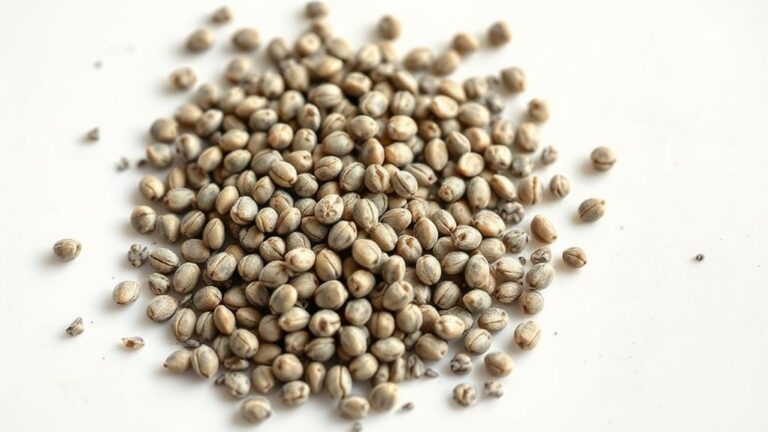
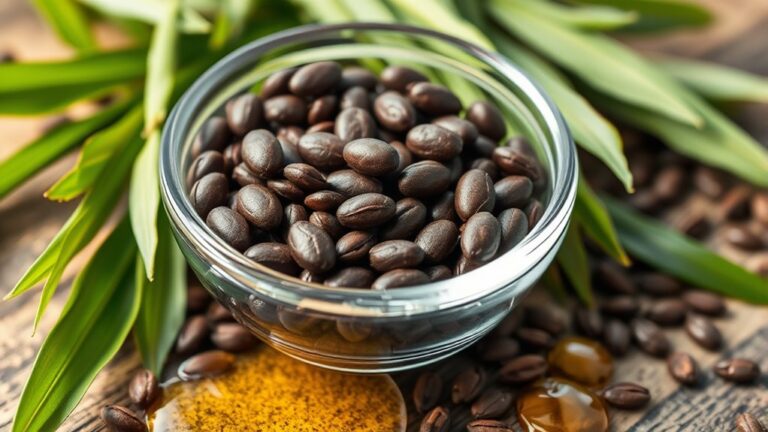
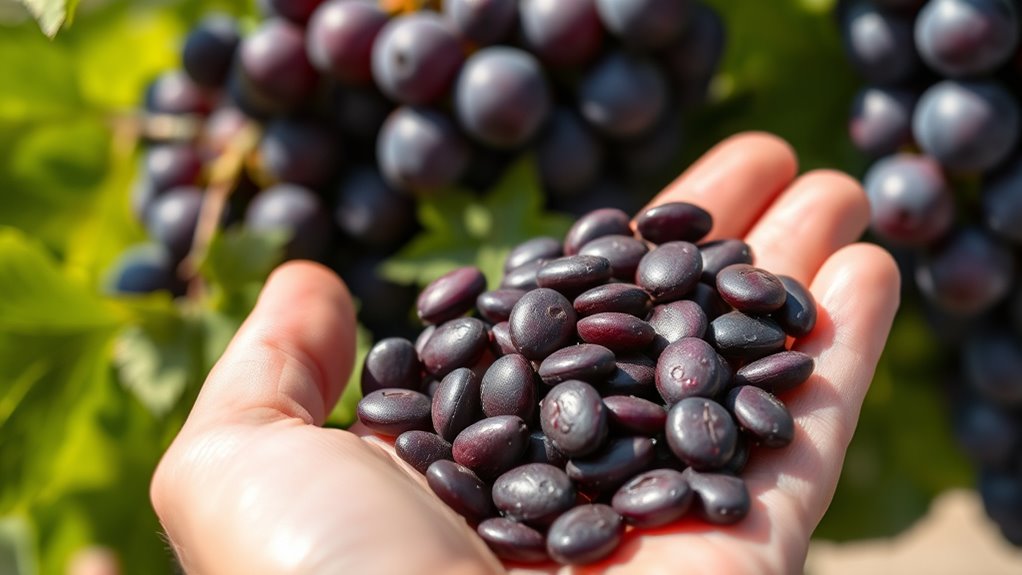
Grape seeds are small, hard kernels found inside grapes, often discarded during wine or juice production. Their history goes back thousands of years, as ancient civilizations valued grapes for their nutritional and medicinal qualities.
Grape seed history shows that these tiny seeds have long been recognized for their health benefits and culinary potential. Today, many people overlook their value because they’re usually removed during processing, but they actually contain powerful antioxidants and nutrients.
Grape seeds are rich in antioxidants and nutrients, yet often discarded during processing despite their health and culinary potential.
Culinary uses of grape seeds include adding crushed seeds to smoothies, baking recipes, or making grape seed oil. This oil is prized for its flavor and health benefits. Some cultures have used grape seeds in traditional remedies, highlighting their importance beyond just the fruit.
Understanding what grape seeds are and why they matter helps you appreciate their potential, whether in cooking or health routines. Their rich history and versatile culinary uses make them more than just waste byproducts.
Are Grape Seeds Safe to Eat? Risks You Should Know
Grape seeds are usually safe to eat, but it’s good to keep in mind that some people might have allergic reactions or experience some stomach discomfort. If you’re allergic to grapes or have a sensitive stomach, it’s a smart idea to be cautious before including grape seeds in your diet. Being aware of these potential risks can help you decide whether eating grape seeds is a good choice for you.
Potential Allergic Reactions
Although grape seeds are generally safe for most people, some individuals may experience allergic reactions. If you’re allergic to grapes or other fruits, you might notice allergy symptoms like itching, swelling, or difficulty breathing after consuming grape seeds.
It’s important to be aware of cross-reactivity risks, especially if you have allergies to related foods such as nuts or seeds. These reactions can range from mild to severe, so pay close attention to how your body responds.
If you experience any allergy symptoms, seek medical help immediately. While rare, allergic reactions to grape seeds are possible, so it’s wise to start with small amounts if you’re trying them for the first time.
Always consult with a healthcare professional if you’re unsure about potential allergies.
Risk of Digestive Issues
Even if you’re not allergic, eating grape seeds can sometimes lead to digestive issues. Consuming too many seeds may cause discomfort, especially if you’re sensitive to high fiber intake.
Grape seeds contain fiber, which is beneficial in moderation. But eating too much can overwhelm your digestive system, leading to bloating, gas, or stomach cramps.
The effect of fiber varies from person to person. Some might tolerate it well, while others could experience discomfort.
If you notice any problems after eating grape seeds, consider cutting back on your intake. It’s important to listen to your body and not overdo it.
Moderation is key to enjoying the potential health benefits without risking digestive upset.
What’s Inside Grape Seeds? Key Nutritional Components
Inside grape seeds, you’ll find some pretty amazing stuff—powerful antioxidants that help fight off free radicals and give your health a boost. These antioxidants are like tiny warriors working to keep your cells healthy and protect you from damage.
They also pack in healthy fats, which can give your energy a little lift and support overall wellness. Plus, there’s dietary fiber in there that helps keep your digestion running smoothly. Knowing what’s inside grape seeds really helps you see why they’re more than just a crunchy snack—they’re actually good for you!
Rich in Antioxidants
Grape seeds are packed with powerful antioxidants that help protect your body from oxidative stress and free radical damage. These antioxidants support your overall health by neutralizing harmful molecules that can cause cell damage and aging.
The antioxidant effects in grape seeds help reduce inflammation and lower the risk of chronic illnesses like heart disease and cancer. Including grape seeds in your diet can boost your body’s natural defenses and promote better cellular health.
Their rich antioxidant content offers real health benefits, making them a valuable addition to a balanced diet. Remember, the more antioxidants you consume, the better equipped your body is to fight oxidative damage and stay healthy.
Contains Healthy Fats
While grape seeds are small, they pack a punch with healthy fats that support your overall well-being. These fats, including omega acids, are great for your heart, help reduce inflammation, and boost brain health.
Grape seeds are rich in polyunsaturated fats, which are beneficial for your body’s functions. Incorporating them into your diet is an easy way to get these essential nutrients naturally.
Packed With Dietary Fiber
Building on the benefits of healthy fats, grape seeds also provide a good amount of dietary fiber, which is important for your digestive health.
The fiber in grape seeds helps regulate bowel movements, prevent constipation, and support overall gut function. Eating fiber-rich foods like grape seeds can also make you feel full, helping with weight management.
Insoluble fiber adds bulk to your stool, speeding up waste through your digestive system. Soluble fiber can help stabilize blood sugar levels and lower cholesterol.
Adding grape seeds to your diet is a natural way to boost your fiber intake and support your digestive health. Just remember, moderation is key to getting the benefits without overdoing it.
How Do Grape Seeds Fight Free Radicals and Boost Antioxidants?
Grape seeds are packed with powerful antioxidants that help neutralize harmful free radicals in your body. These antioxidants, like proanthocyanidins and oligomeric proanthocyanidins, give grape seeds their strong defense against free radicals.
When free radicals build up, they can damage cells, speed up aging, and contribute to chronic illnesses. Eating grape seeds supplies your body with these potent compounds, boosting your overall antioxidant levels.
This makes your body better equipped to fight oxidative stress caused by pollution, stress, and unhealthy habits. The antioxidants in grape seeds work by donating electrons to free radicals, stabilizing them and preventing cellular damage.
Regularly taking grape seed extracts or seeds can strengthen your natural defenses, helping keep your cells healthy and functioning well. To sum up, grape seeds are a great natural way to improve your free radical defense and support long-term health.
Can Grape Seeds Help Reduce Inflammation Naturally?
Have you ever wondered if grape seeds can naturally help reduce inflammation in your body? The answer is yes. Grape seeds contain compounds with strong anti-inflammatory properties, making them a promising natural remedy for inflammation-related issues.
These seeds are packed with antioxidants like proanthocyanidins, which help fight oxidative stress that triggers inflammation. Regularly consuming grape seeds or extracts may help lower markers of inflammation and ease symptoms of conditions like arthritis or chronic pain.
Unlike synthetic anti-inflammatory drugs, grape seeds offer a natural approach with fewer side effects. Adding grape seeds into your diet or choosing supplements can support your body’s ability to fight inflammation naturally.
Keep in mind that results can vary from person to person. It’s always a good idea to check with a healthcare professional before making big changes. Overall, grape seeds show promise as a natural way to reduce inflammation and boost overall health.
How to Incorporate Grape Seeds Into Your Diet: Tips and Methods
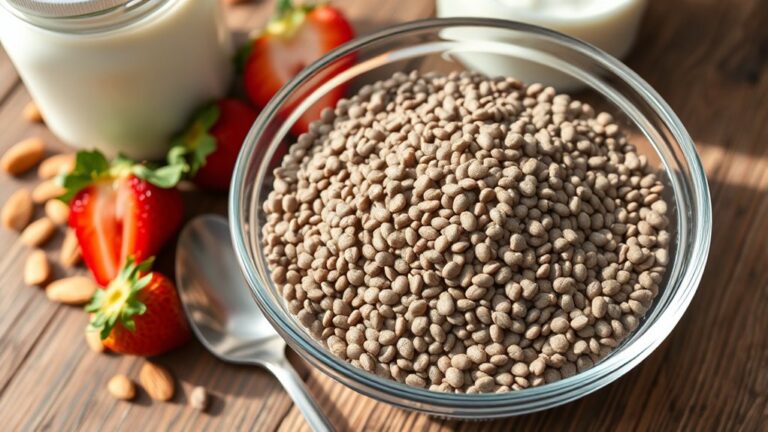
Incorporating grape seeds into your diet is an easy way to enjoy their health benefits, especially if you’re aiming to reduce inflammation naturally. One simple method is adding crushed or ground grape seeds to smoothies.
They blend well with fruits like berries, bananas, or apples, giving your drink an extra nutritional boost. You can also sprinkle whole or chopped grape seeds over yogurt, oatmeal, or salads as a crunchy topping.
For a healthy snack, try roasting grape seeds lightly and seasoning them with salt or spices to make a tasty trail mix. Alternatively, mix powdered grape seeds into homemade energy bars or protein balls for a convenient on-the-go snack.
If you prefer, you can blend grape seed powder into juices or teas. Experimenting with these ideas makes it easy to include grape seeds in your daily routine and enjoy their health benefits without much effort.
Grape Seed Extract or Whole Seeds: Which Is Better for Your Health?
When you’re trying to decide between grape seed extract and whole seeds, think about what your body might get the most out of. Extracts are usually pretty concentrated, so they can give you a higher dose of certain beneficial compounds. On the other hand, whole seeds come with the added bonus of fiber and other nutrients that you might not get from just an extract.
It really depends on your health goals and how your body absorbs these forms. If you’re looking for a quick, potent boost of specific antioxidants, extracts might be the way to go. But if you want to support your digestion and get more overall nutrition, incorporating whole seeds into your diet could be better. Knowing the differences can help you choose what’s best for your health.
Nutritional Content Comparison
Choosing between grape seed extract and whole seeds depends on what health benefits you’re after, since each has different nutritional perks. Whole seeds pack a punch with more nutrients, including fiber, healthy fats, and antioxidants, making them a comprehensive choice.
Grape seed extract, meanwhile, concentrates specific compounds like proanthocyanidins, giving you powerful antioxidant support in just a small amount. When comparing their health benefits, keep these points in mind:
- Whole seeds offer fiber, healthy fats, and antioxidants all in one.
- Extracts focus on concentrated polyphenols for targeted antioxidant effects.
- Nutrient density varies, with whole seeds providing a broader range of nutrients.
Understanding these differences helps you make smarter choices based on your nutritional goals.
Absorption and Bioavailability
While both grape seed extract and whole seeds offer health benefits, their absorption and bioavailability can differ quite a bit. Factors like particle size and processing methods influence how well your body absorbs the helpful compounds.
Grape seed extract is often more concentrated and processed to boost absorption, so your body can quickly access antioxidants like proanthocyanidins. Whole seeds contain fiber and other parts that may slow down absorption, making it less immediate.
But whole seeds might give a sustained release of nutrients over time. Overall, extract provides higher bioavailability for specific compounds, while whole seeds support your digestive health.
Your choice depends on whether you want rapid absorption or a broader nutritional profile.
Potential Health Benefits
Both grape seed extract and whole seeds offer unique health benefits, but choosing which is better for your overall well-being depends on your goals.
Grape seeds are packed with antioxidants, especially proanthocyanidins, which support heart health and can help reduce inflammation. They also provide important nutrients like vitamin E, flavonoids, and polyphenols that boost your immune system.
When deciding between the two, consider this:
- Grape seed extract gives you concentrated antioxidants for specific health benefits.
- Whole seeds supply fiber and other nutrients that help with digestion and gut health.
- Using both together can help you get the most nutritional value and health benefits overall.
Your choice really depends on whether you want a potent supplement or prefer the added fiber and nutrients found in whole seeds.
Are There Side Effects or Interactions With Grape Seeds?
Are there any side effects or interactions you should be aware of when consuming grape seeds? While they’re generally safe for most people, grape seed interactions with certain medications can happen.
For example, grape seeds have mild blood-thinning effects, which might enhance the action of anticoagulants like warfarin. If you’re on blood pressure meds or blood thinners, it’s a good idea to talk to your healthcare provider before adding grape seeds to your diet.
Some people might experience digestive issues, such as nausea or upset stomach, especially if they eat a lot at once. Allergic reactions are rare but possible if you’re sensitive to plant-based products.
When it comes to health precautions, moderation is key. Start with small amounts to see how your body reacts, and check with a medical professional if you’re pregnant, nursing, or have underlying health conditions.
Being aware of these factors can help you enjoy grape seeds safely.
How Much Grape Seed Should You Eat for Maximum Benefits?
Determining the ideal amount of grape seed to consume is key to maximizing its health benefits without risking side effects. The recommended serving varies depending on the form—powder, extract, or whole seeds—but generally, aiming for a suitable dosage guarantees you gain benefits safely.
Here are some guidelines:
- For grape seed extract, a common recommended serving ranges from 100 to 300 milligrams daily.
- If you’re eating whole grape seeds, about 1 to 2 teaspoons of crushed seeds per day is enough.
- Always follow product-specific instructions, as concentrations can differ.
Sticking to these amounts helps you enjoy the antioxidant and cardiovascular benefits without overdoing it. Remember, more isn’t always better. Sticking to the recommended servings ensures safe and effective intake.
If you’re unsure, consulting with a healthcare professional can help you find the best dosage for your health needs.
What Do Experts Say About Adding Grape Seeds to Your Diet?
Experts generally agree that adding grape seeds to your diet can offer meaningful health benefits thanks to their high antioxidant content.
Grape seed benefits include improved cardiovascular health, reduced inflammation, and antioxidant protection against free radicals. Many health professionals recommend incorporating grape seeds in moderation, either as supplements or added to foods, to maximize these benefits.
While scientific evidence supports their positive effects, experts advise following dietary recommendations to avoid overconsumption. It’s important to note that grape seeds shouldn’t replace other healthy habits like eating a balanced diet and exercising regularly.
If you’re considering adding grape seeds, consult with a healthcare professional to determine the right amount for your needs. Overall, including grape seeds can be a simple way to boost your antioxidant intake and support overall health, as long as it’s part of a balanced diet.
Frequently Asked Questions
Can Grape Seeds Cause Allergic Reactions in Some Individuals?
Grape seeds can cause allergic reactions in some people, especially if they already have allergies to grapes or other fruits.
If you have a history of food allergies, be cautious. Although rare, grape seed allergies can trigger symptoms like itching, swelling, or trouble breathing.
If you notice any allergic reactions after eating grape seeds, get medical help right away. It’s a good idea to start with small amounts to see how your body reacts.
Are Dried or Roasted Grape Seeds Safer to Consume Than Raw?
Dried or roasted grape seeds are generally safer to eat than raw because roasting or drying helps reduce moisture and potential microbial contamination.
Roasting also makes them taste better, so they’re more enjoyable to snack on. Just be sure they’re prepared properly without any harmful ingredients added.
If you have allergies or sensitivities, start with small amounts to see how your body reacts. Always buy from reputable sources.
How Long Does It Take to See Health Benefits From Eating Grape Seeds?
You’ll likely see health benefits from eating grape seeds within a few weeks, but it varies based on your absorption rates. Consistent consumption allows antioxidants and nutrients to build up, improving your overall health.
Keep in mind, patience is key—your body needs time to absorb these compounds effectively. Regular intake boosts your chances of experiencing benefits like improved circulation, skin health, and reduced inflammation.
Results can differ for everyone, so stay consistent and give your body time to respond.
Can Children Safely Eat Grape Seeds or Grape Seed Supplements?
Children can safely eat grape seeds or take grape seed supplements if you ensure they are prepared properly. Always check with a pediatrician before adding any supplements to your child’s diet, as too much can cause problems.
Introduce grape seeds into your child’s nutrition carefully, considering their age and health. It’s better to choose natural sources rather than concentrated supplements whenever possible.
Keep an eye out for any adverse reactions, and prioritize safety to help support your child’s overall health and well-being.
Do Organic Grape Seeds Contain More Beneficial Nutrients Than Non-Organic Ones?
Organic grape seeds may offer more organic benefits, but nutrient comparison shows they generally contain similar levels of antioxidants and healthy fats as non-organic seeds.
Choosing organic might reduce exposure to pesticides and chemicals, which is valuable for your health. However, both options provide beneficial nutrients.
Focus on quality, freshness, and sourcing from reputable providers to maximize the health benefits of grape seeds, whether organic or not.
Conclusion
Incorporating grape seeds into your diet can boost antioxidants and reduce inflammation, but moderation is key. Studies show that consuming around 100-300 mg of grape seed extract daily may offer health benefits.
Remember, always check for possible interactions if you’re on medication. With their rich nutrient profile, grape seeds can be a smart addition—just be sure to enjoy them responsibly to maximize your health gains.
When it comes to eating grape seeds, moderation is important. Including them thoughtfully can help you get the benefits without overdoing it.