How to Read a Seed Label: A Clear Guide to Understanding Seed Information
A seed label provides essential details that help you choose the right seeds for planting. It typically includes the seed variety, lot number, purity, germination rate, and sometimes treatment or inoculants. Knowing how to read a seed label can save you time and ensure successful growth.
Understanding what each part of the label means is vital because it tells you exactly what you’re buying and how viable the seeds are. A clear interpretation helps avoid wasting seeds that may have low germination or unwanted mixtures.
This article breaks down the main sections of a seed label, explains the technical terms you’ll find, and guides you through comparing seed packets. You’ll also find useful tips for verifying seed quality and safety.
Breaking Down the Seed Label Components

Understanding Seed Variety and Lot Number
The seed variety is usually the first and most prominent piece of information on the label. It tells you the plant species and sometimes a specific cultivar or hybrid name. This information is crucial to know what type of plant you are growing and its characteristics.
The lot number identifies the specific batch of seeds produced and is essential for tracking seed quality and any recalls. When buying seeds, the lot number can help you report issues or verify with the supplier if needed.
Reading Purity and Germination Rates
Purity percentage indicates how much of the seed batch is the desired species versus other materials like weed seeds or inert matter. A high purity percentage (usually above 90%) suggests clean, quality seeds.
The germination rate estimates the percentage of seeds expected to successfully sprout under ideal conditions. Higher rates, generally above 80%, mean more reliable growth. These rates decline as seeds age, so always check the packaging date.
- Purity percentage
- Germination percentage
- Other crop seeds
- Weed seeds
Seed Treatments and Safety Information
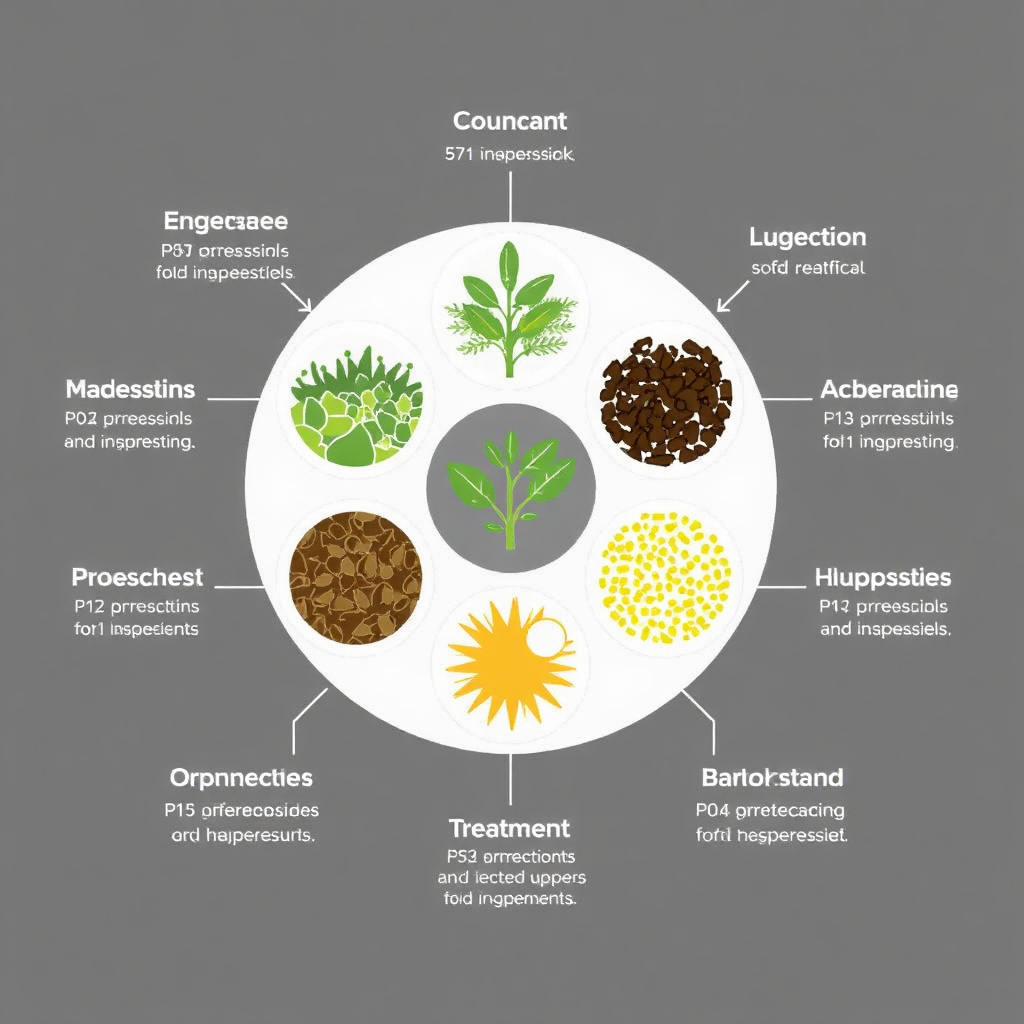
Identifying Seed Treatments on the Label
Some seed packets indicate treatments such as fungicides, insecticides, or coating materials. These treatments protect seeds during early growth stages but may require handling precautions.
Look for phrases like “treated seed” or symbols denoting treatments. Following safety instructions on the label is crucial to avoid health risks, especially for edible crops.
- Fungicide treatment
- Insecticide application
- Coating materials
Checking for Certification and Regulatory Compliance
Certified seed labels meet certain standards set by agricultural authorities or seed certification agencies. This certification often guarantees a minimum purity and germination level.
Regulations on seed labeling differ by region but generally include required information on origin, treatment, and quality. Certification logos or numbers offer an additional layer of confidence when purchasing.
Dates and Storage Instructions Explained

Interpreting Packaging and Testing Dates
Most seed labels show a packaging or testing date which tells when the seed quality was last evaluated. This date is key to estimating seed viability and storage life but isn't an expiration date.
Seeds generally stay viable for one to five years depending on the species and storage conditions. Knowing the date helps avoid planting older seeds that might have reduced germination.
For more on this, see our related guide: How to Read a Seed Catalog: A Complete Guide for Gardeners.
Best Practices for Seed Storage
Labels may recommend storing seeds in cool, dry places away from direct sunlight or moisture. Proper storage extends seed life and maintains germination rates.
Some packets suggest refrigeration for long-term storage, especially for sensitive species. Always keep seeds sealed and check periodically for signs of decay or pests.
What Seed Packet Information Means for Your Garden

Deciding Which Seed to Buy Based on Label Data
By analyzing seed packet information like purity and germination, gardeners can select seeds best suited for their climate and garden goals. Seeds with high germination rates maximize your chances of a successful crop.
If you need uniform plants or specific traits, focus on labeled varieties and certified seeds. Clear labels help anticipate plant behavior and yield potential.
Using Seed Packet Details to Plan Planting Timelines
Seed labels often include planting depth and spacing recommendations, relating directly to seed size and growing requirements. This info allows precise planning for bed layout and timing.
Understanding germination rates lets you plan for possible replanting if the initial batch underperforms, a vital step to maintain continuity in your garden.
Common Label Terms and Their Practical Meanings

Glossary of Seed Label Terms
Seed labels include terms like inert matter, hard seeds, and other crop seeds. Inert matter consists of non-living debris that doesn't grow. Hard seeds refer to seeds with tough coats that germinate slowly.
Other crop seeds indicate different species present in the batch, usually unwanted. Understanding these terms avoids confusion when comparing packets.
- Inert matter
- Hard seeds
- Other crop seeds
- Noxious weed seeds
For more on this, see our related guide: How to Store Seeds Long Term for Maximum Viability and Freshness.
How to Spot Potential Issues from Label Information
A low purity percentage or presence of noxious weed seeds on the label signals caution. These can reduce yield or introduce unwanted plants into your garden.
Labels lacking clear germination data or treatment details may indicate lesser-known sources or lower quality seeds. Prioritize seed packets with complete labeling for best outcomes.
Secondary Keyword: Understanding Seed Packet Information for Effective Gardening

Why Seed Packet Information Matters for Garden Success
Seed packet information helps you select seeds that align with your gardening zone, growing season, and soil type. Using trustworthy data from labels improves germination success.
Clear seed packet information also enables gardeners to avoid buying low-quality or contaminated seeds, preventing waste and disappointment.
For more detailed technical information about seed anatomy and storage, refer to the comprehensive seed label information available on Wikipedia. Seed label information on Wikipedia.
Tips for Using Seed Packet Information to Maximize Yield
Pay attention to recommended planting instructions and adjust your practices according to seed source quality. Higher germination rates reduce the need to overplant.
Keep records from seed packet information to track performance over seasons, pinpointing which seed sources produce the best results for your garden.
Seed Label Categories Comparison
Here's a comparison of common seed label categories to help you evaluate and choose seeds effectively based on key quality indicators.
| Category | Purity (%) | Germination Rate (%) | Seed Treatment Indicated | Certification Status |
|---|---|---|---|---|
| Certified Vegetable Seeds | 98 | 90-95 | Often yes | Certified |
| Heirloom Seeds | 85-95 | 75-90 | Rarely | Sometimes uncertified |
| Hybrid Seeds | 90-97 | 85-95 | Frequently yes | Often certified |
| Organic Seeds | 90-95 | 80-90 | Rarely | Certified organic |
| Bulk Garden Seeds | 80-90 | 70-85 | Usually no | Rarely certified |
Frequently Asked Questions
What does germination percentage mean on a seed label?
Germination percentage shows the estimated portion of seeds likely to sprout under ideal conditions. A higher percentage means the seeds are more viable for planting.
Why is seed purity important?
Seed purity indicates how free the seed batch is from other seeds, debris, or weed seeds. Higher purity means you’ll get mostly the desired plant seeds, leading to a cleaner crop.
What should I look for if the seed label says 'treated'?
Treated seeds have been coated with chemicals like fungicides or insecticides. Check the label for safety instructions, especially if you handle seeds manually or plant edible crops.
Can I plant seeds after the packaging date on the label?
Yes, but germination rates may decline over time. It’s best to plant seeds within a few years of packaging unless they have been stored properly in cool, dry conditions.
How do I verify if seed certification is genuine?
Look for certification logos and compare the lot number with official certification agency databases or contact the supplier. Certified seeds meet standardized quality benchmarks.
Key Takeaways
- Seed labels provide vital details like variety, purity, and germination rates
- Reading seed packet information helps avoid low-quality or contaminated seeds
- Seed treatments and certifications offer clues about seed safety and quality
- Properly interpreting label dates and storage instructions ensures better seed viability
Conclusion
Understanding how to read a seed label equips gardeners with the knowledge to make informed choices about the seeds they purchase. The information on variety, purity, germination rate, and any treatments directly impacts planting success and crop yield. By examining these details carefully, you can select seeds that fit your gardening needs and climate conditions, saving money and avoiding frustration caused by poor seed performance.
When comparing seeds, pay close attention to labels indicating certified vegetable seeds for reliable purity and germination, or choose organic seeds if chemical treatments are a concern. Heirloom seeds offer unique traits but may have lower germination rates. Reviewing seed packet information and planting instructions guides timely sowing and proper care, improving overall garden productivity. Seed treatments noted on the label can protect young plants but require handling caution and awareness of edible crop implications.
Start each planting season by reading seed labels closely, noting packaging dates and storage advice to maintain viability. Keep track of which seed sources provide the best results to refine your gardening approach over time. With these steps, reading a seed label becomes not just a necessity, but a useful tool that helps cultivate a thriving garden season after season.