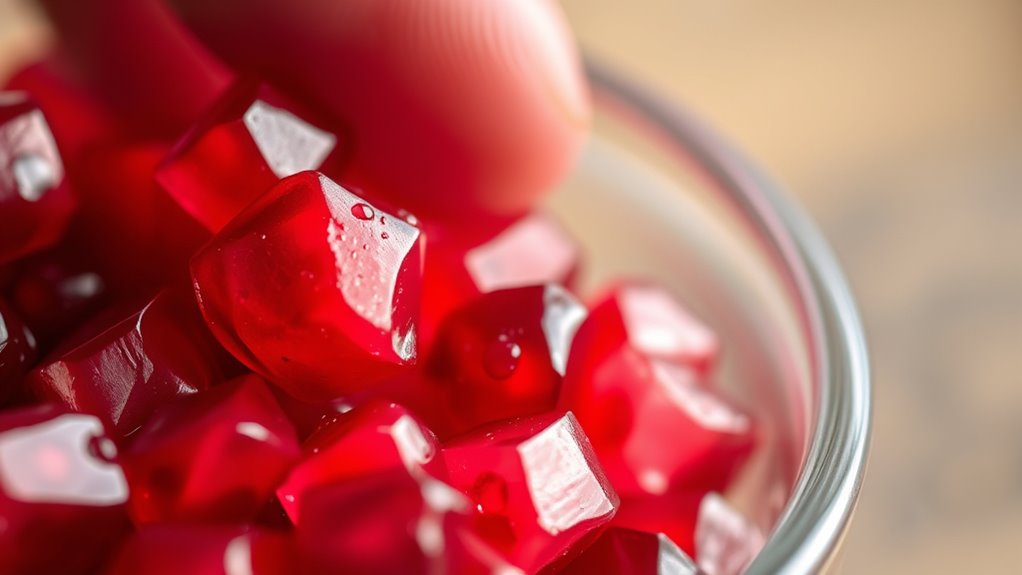
Do You Swallow Pomegranate Seeds Safely?
Are you tired of avoiding pomegranate seeds because you’re worried about choking or digestive issues? You’re not alone—many people struggle with how to enjoy this juicy, nutritious fruit safely.
The good news is, with a few simple tips, you can savor pomegranate seeds without any worries.
Swallowing pomegranate seeds is generally safe when you chew them well and swallow them with plenty of water. Proper techniques help prevent choking or digestive issues.
Be cautious if you have dental or digestive problems, and avoid swallowing large chunks or seeds whole. If you’re unsure or have sensitivities, consult a healthcare professional.
To uncover more tips on enjoying pomegranate seeds safely and effectively, keep exploring the information below.
Key Takeaways
- Swallowing pomegranate seeds is generally safe when you chew them thoroughly and drink enough water.
- Try not to swallow large seeds whole to avoid choking and digestive issues.
- Rinse the seeds well to wash away any residues or pesticides before eating.
- Remember to enjoy in moderation, especially if you have digestive or dental problems.
- If you’re giving seeds to children or sensitive people, it’s best to check with a healthcare professional first.
Is Swallowing Pomegranate Seeds Safe for Most People?
Is swallowing pomegranate seeds safe for most people? For the majority, yes. Swallowing seeds is generally safe and doesn’t cause health issues.
Swallowing pomegranate seeds is generally safe and unlikely to cause health problems for most people.
When you use proper swallowing techniques, you reduce the risk of choking or discomfort. This makes the process simple and straightforward.
Pomegranate seed nutrition offers benefits like fiber, antioxidants, and vitamins. You can access these even when swallowing the seeds whole.
However, some people with digestive conditions or dental problems might find it difficult or uncomfortable to ingest seeds.
If you prefer to swallow seeds, just make sure they’re chewed gently or swallowed whole depending on what feels best for you.
The key is moderation and listening to your body. While seed nutrition can boost your health, avoid eating too many at once to prevent digestive upset.
What Are the Health Benefits of Pomegranate Seeds?
Pomegranate seeds pack a powerful punch of health benefits that can boost your overall well-being. They are rich in antioxidants, which help protect your cells from damage and may reduce the effects of aging. Eating these seeds can support heart health by improving cholesterol levels and lowering blood pressure.
Their anti-inflammatory effects may help reduce the risk of chronic diseases and ease joint pain. Plus, the vitamin-rich content in pomegranate seeds promotes immune function and healthy skin.
Some key benefits include boosting antioxidant properties for overall protection, supporting heart health, and reducing cardiovascular risks. They also provide anti-inflammatory effects to help fight chronic conditions and can aid in weight management because they are low in calories but nutrient-dense.
Adding pomegranate seeds to your diet can even help with cancer prevention thanks to their bioactive compounds. Overall, these seeds are a nutritious and tasty way to support a healthy lifestyle.
Can Swallowing Pomegranate Seeds Cause Digestive Problems or Choking?
While the health benefits of pomegranate seeds are well-known, it’s important to consider potential digestive issues or choking risks from swallowing them whole.
If you don’t use proper swallowing techniques, large seeds can be a choking hazard, especially if they get stuck in your throat.
Swallowing seeds without breaking them down might also slow digestion, leading to discomfort or gastrointestinal problems.
To reduce these risks, it’s best to chew the seeds thoroughly or swallow them with plenty of water.
Proper swallowing techniques help ensure the seeds pass smoothly through your esophagus and into your stomach.
Keep in mind that swallowing seeds whole, especially large or hard ones, increases the chance of choking or digestive discomfort.
Taking care with seed digestion not only minimizes risks but also lets you enjoy pomegranate seeds safely and comfortably.
How Do Pomegranate Seeds Impact Digestion and Gut Health?
Pomegranate seeds are full of fiber, which can really help keep your digestion running smoothly and regularly. When you include them in your diet, they can make it easier for your body to process food without any trouble.
Plus, they support your digestive enzymes, which are like little helpers that break down what you eat. And because they’re rich in nutrients, they also promote a healthy gut microbiome — that’s the community of good bacteria in your gut that’s super important for overall digestion and health.
Fiber Content Benefits
The high fiber content in pomegranate seeds is great for supporting healthy digestion and gut function. Fiber works like a natural cleaner, helping to regulate bowel movements and prevent constipation.
Pomegranate seeds are a fantastic source of fiber that can boost your digestive health by encouraging regularity and comfort in your gut. Including them in your diet can also help you maintain a healthy weight and stabilize blood sugar levels.
To get the most benefits, consider these points:
- Increase your overall fiber intake naturally
- Support smooth digestion
- Promote diversity of gut bacteria
- Help prevent digestive discomfort
Digestive Enzyme Support
Consuming pomegranate seeds can actively support your digestion by providing natural compounds that help improve enzyme activity in your gut. These seeds contain antioxidants and polyphenols that may enhance the efficiency of digestive enzymes, helping break down food more effectively.
Better enzyme activity promotes smoother digestion and can help prevent discomfort like bloating or indigestion. Pomegranate seeds also support overall digestive health by aiding the natural processes that protect your gut lining.
Including these seeds in your diet can help your body better absorb nutrients, making digestion more efficient. While they’re not a cure-all, their natural properties give your digestive system a gentle boost.
They help you maintain a healthy gut and optimize nutrient uptake, making them a tasty and beneficial addition to your routine.
Gut Microbiome Balance
Building on how pomegranate seeds support digestive enzyme activity, they also help shape your gut microbiome. Eating seeds can boost microbiome diversity, which is key for overall gut health.
The fiber and polyphenols in pomegranate seeds promote probiotic effects by nourishing beneficial bacteria. This can help improve digestion and reduce inflammation.
To get the most out of these benefits, keep these points in mind:
- Seeds encourage the growth of probiotic bacteria
- They support a balanced microbiome, lowering harmful bacteria
- Increased diversity helps with nutrient absorption
- Regular eating can strengthen gut resilience
Should You Chew or Swallow Pomegranate Seeds Whole?
Have you ever wondered whether you should chew or swallow pomegranate seeds whole? There’s no strict rule about chewing, but your choice affects digestion and flavor.
Chewing seeds releases antioxidants and nutrients more effectively, helping your body absorb their benefits. Some people prefer to swallow seeds whole to avoid the slight bitterness from the seed coat.
Be mindful of swallowing risks—chewing thoroughly reduces the chance of choking, especially if the seeds are large or tough. Swallowing seeds whole might seem easier, but it can pose a choking hazard or cause discomfort if not chewed properly.
If you decide to swallow seeds whole, do so with caution and make sure they’re small enough to pass smoothly through your throat. Ultimately, your best approach balances enjoyment and safety, making sure you’re comfortable and reducing potential risks while savoring the fruit.
Are There Risks for Children or People With Digestive Conditions?
Thinking about giving pomegranate seeds to kids or someone with digestive problems? It’s a good idea to be careful. For young children, those seeds can be a choking hazard, so you want to make sure they’re safe to eat.
Also, if someone has certain digestive conditions, the seeds might make their symptoms worse. It’s always best to chat with a healthcare professional first to see if it’s okay for their specific situation. Better safe than sorry!
Pomegranate Seeds and Children
Young children and individuals with certain digestive conditions should be careful when eating pomegranate seeds. While pomegranate is generally safe for healthy kids, the seeds can be a choking risk or cause discomfort for sensitive stomachs.
Seeds might be hard for young children to chew completely. Swallowing whole seeds could lead to choking. Plus, the fiber in seeds might upset sensitive stomachs.
Always watch young children while they are eating fruit. If your child has a known digestive issue, it’s best to check with a healthcare professional before giving them pomegranate seeds.
In moderation and with proper supervision, pomegranate seeds can be part of a healthy diet. Just remember, caution is key.
Digestive Conditions and Risks
People with certain digestive conditions should be cautious when eating pomegranate seeds because the high fiber content can make their symptoms worse.
If you have digestive sensitivity, the tough seed coats might be hard to digest, which can cause discomfort or bloating.
For those with conditions like irritable bowel syndrome or inflammatory bowel disease, eating seeds can trigger flare-ups or make symptoms worse.
Even if your digestion is normally fine, eating large amounts of seeds could lead to constipation or abdominal pain.
It’s important to pay attention to how your body reacts to seed consumption. If you’re unsure, talk to a healthcare professional to see if swallowing pomegranate seeds is safe for your digestive health.
How to Enjoy Pomegranate Seeds Safely in Your Diet
Wondering how to enjoy pomegranate seeds safely in your diet? Start by exploring different pomegranate varieties since some might have thicker skins or different seed textures.
To ensure safe seed consumption, proper preparation is key. Always rinse the seeds thoroughly to remove any residues or pesticides before eating.
Rinse pomegranate seeds thoroughly to remove residues and pesticides before enjoying.
If you prefer, you can carefully deseed the fruit, removing seeds from the membrane to avoid choking hazards or indigestion.
Here are some tips to enjoy pomegranate seeds safely:
- Choose ripe, high-quality pomegranates to reduce the risk of spoilage.
- Use a spoon or your fingers to gently separate seeds during seed prep.
- Avoid eating large quantities at once if you’re prone to digestive issues.
- Consider lightly crushing or blending seeds into smoothies to make them easier to digest.
What Do Nutrition Experts Say About Eating Pomegranate Seeds?
Nutrition experts often talk about how pomegranate seeds are full of antioxidants and nutrients that are great for your health. They really emphasize the benefits of including these seeds in your diet.
That said, they also point out that eating too many seeds at once might lead to some digestive discomfort for certain people. So, it’s best to enjoy them in moderation and pay attention to how your body reacts. Overall, moderation is key!
Nutritional Benefits of Seeds
Experts agree that pomegranate seeds are a nutrient-dense addition to your diet, packed with antioxidants, fiber, and vitamins. Their seed nutrition offers a powerhouse of health benefits, mainly thanks to their antioxidant properties that help fight free radicals.
Eating the seeds can support your immune system, improve heart health, and promote healthy digestion. The seeds contain high levels of vitamin C and K, dietary fiber for digestion, polyphenols with strong antioxidant effects, and essential minerals like potassium and magnesium.
All these components work together to boost your overall wellness. Whether you eat pomegranate seeds directly or add them to dishes, they’re a natural, flavorful way to increase your nutrient intake. Their seed nutrition makes them a valuable part of a balanced diet.
Potential Digestive Concerns
While pomegranate seeds offer many health benefits, some nutrition experts warn that eating too many might cause digestive discomfort. The seeds contain fiber that helps with digestion, but too much can overwhelm your system.
You might experience bloating, gas, or even mild stomach cramps when digesting a lot of seeds. To understand the risks, here’s a quick overview:
| Effect | Symptoms | Advice |
|---|---|---|
| Digestive issues | Bloating, gas, cramps | Eat in moderation |
| Seed digestion | Difficult swallowing | Chew thoroughly or remove seeds |
| Excess intake | Discomfort or constipation | Limit your daily amount |
Being mindful of how many seeds you eat helps prevent discomfort while still enjoying the health benefits of pomegranates.
Expert Recommendations on Consumption
Many health professionals agree that enjoying pomegranate seeds can be part of a balanced diet, but moderation is key. Nutrition experts recommend choosing seed varieties that are fresh and ripe for maximum health benefits.
Regarding consumption tips, they emphasize moderation to avoid digestive discomfort and maximize antioxidants.
- Opt for seeds from reputable sources.
- Chew thoroughly to help digestion.
- Incorporate seeds gradually into your diet.
- Avoid eating too much to prevent potential issues.
Experts note that eating seeds is generally safe, but individual tolerance varies. The seed variety matters—some are softer and easier to digest, while others are tougher.
Following these tips ensures you enjoy pomegranate seeds safely and get the most nutritional benefits.
Common Myths About Pomegranate Seeds Debunked
Despite common beliefs, swallowing pomegranate seeds is generally safe and doesn’t usually cause health problems. Many myths about seed safety float around, often leading to unnecessary worries.
One popular myth is that seeds can cause digestive blockages, but your body can handle them easily. In fact, pomegranate seeds are rich in fiber, which actually helps with digestion rather than hindering it.
Some folks think swallowing seeds might cause choking or damage, but there’s no solid evidence for that. The seed’s outer layer is edible and packed with antioxidants and vitamins.
Additionally, myths about seeds carrying harmful bacteria are unfounded if you wash or prepare pomegranates properly. Overall, seed safety is well established, so you can enjoy pomegranate seeds without fear.
Knowing these facts helps you fully enjoy the fruit and clears up unnecessary concerns about eating the seeds.
Tips for Eating Pomegranate Seeds Without Discomfort
Eating pomegranate seeds can sometimes cause discomfort, but simple tips can help you enjoy the fruit without issues. Start with proper pomegranate preparation tips to reduce mess and make it easier to eat.
To avoid choking or digestive discomfort, consider removing seeds from the membrane before eating. This makes them easier to chew and digest. For the best serving options, try freezing the seeds slightly or blending them into smoothies—these methods can make eating more comfortable.
Removing seeds from the membrane and trying freezing or blending can make eating pomegranate seeds more comfortable.
Eating smaller portions at a time helps prevent overloading your stomach. Be mindful of seed size and seed-to-pulp ratio, as larger seeds may cause more discomfort. Always chew thoroughly to release juice and aid digestion.
Patience with pomegranate preparation pays off, making the experience more enjoyable and less uncomfortable. By following these simple tips, you can savor the seeds safely and comfortably every time.
Frequently Asked Questions
Are Pomegranate Seeds Safe for Individuals With Nut Allergies?
If you have a nut allergy, pomegranate seeds are generally safe, but be cautious. Some people with nut allergies might experience cross-reactivity, which can cause symptoms like itching or swelling.
Always check labels and talk to your allergist before trying new foods. While pomegranate seeds rarely cause reactions, everyone’s sensitivities are different.
If you notice any symptoms, seek medical help immediately. Avoid eating seeds if you’re unsure about possible cross-reactivity.
Can Swallowing Seeds Cause Dental Damage?
Swallowing pomegranate seeds can potentially harm your dental health, especially if you have sensitive teeth or weak enamel. The seed texture, being somewhat hard, might cause minor damage or wear down your teeth over time if you chew them aggressively.
To protect your teeth, it’s best to avoid biting into the seeds too forcefully. Consider spitting out the seeds instead of swallowing them, especially if you’re worried about dental health.
Do Seeds Contain Any Harmful Toxins or Pesticides?
Did you know that studies show many fruits, including pomegranates, can have pesticide residues? Pomegranate seeds may contain some toxins if grown with pesticides, but washing thoroughly reduces this risk considerably.
Most seeds don’t naturally contain harmful toxins. To stay safe, choose organic when possible and rinse the seeds well before eating.
This way, you enjoy the health benefits without worrying about pesticide residues or toxins presence.
How Many Seeds Can Be Safely Eaten Daily?
You can safely eat about 1 to 2 cups of pomegranate seeds daily, which offers lots of health benefits like antioxidants and vitamin C. Eating this amount helps support your immune system and heart health.
Be mindful of how it might affect your digestion, as eating too much could cause discomfort or bloating. Moderation is key to enjoying the health benefits without overloading your digestive system.
Are There Cultural or Traditional Uses of Pomegranate Seeds?
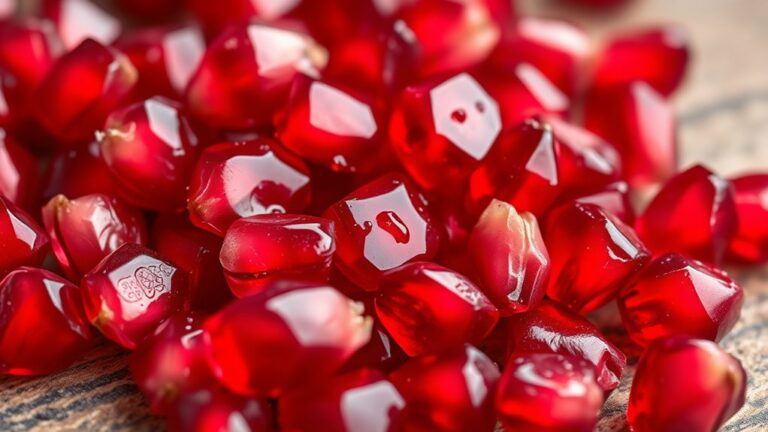
Pomegranate seeds are like tiny jewels in many cultures, rich in symbolism and tradition. You’ll find them woven into culinary traditions across the Mediterranean, Middle East, and India, often symbolizing fertility, abundance, and prosperity.
In some cultures, they’re used in rituals or offered during celebrations. These seeds carry more than flavor—they’re a vivid reminder of the deep cultural significance and pomegranate symbolism that spans centuries and continents.
Conclusion
Think of pomegranate seeds as tiny treasures—each one bursting with nature’s goodness. Swallow them with confidence, knowing they’re safe for most people, but always listen to your body’s signals.
Whether you chew or swallow, these seeds symbolize health and vitality. They’re a gift from nature’s orchard, nourishing your gut and brightening your days.
Feel free to enjoy them fully. Pomegranate seeds are safe to eat, and they can be a wellness boost in your life story. So go ahead—embrace this nutritious delight!