What is CBD? A Clear Guide to Cannabidiol and Its Uses
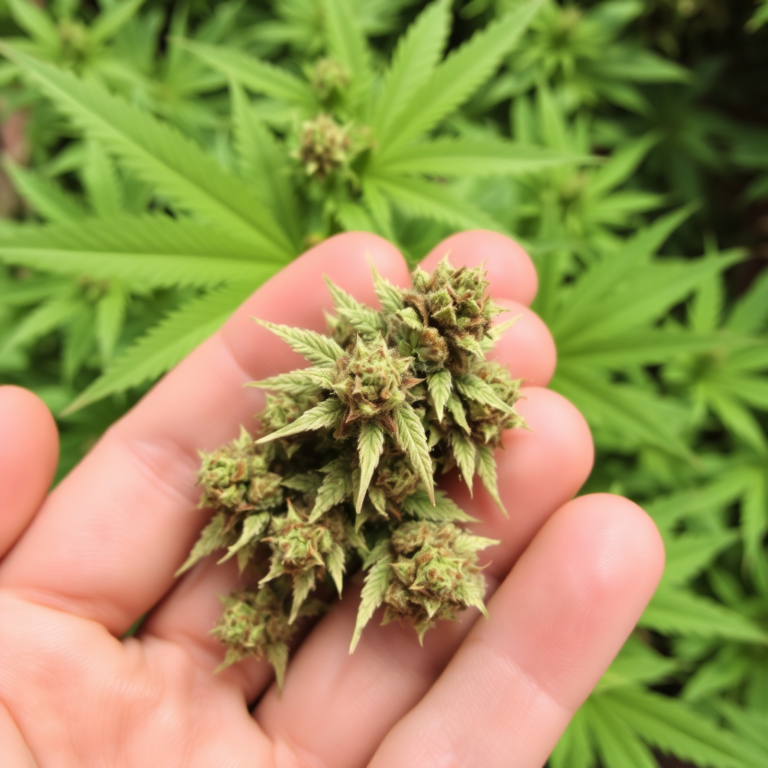
CBD, short for cannabidiol, is a natural compound found in the cannabis plant. Unlike THC, CBD is non-psychoactive, meaning it does not cause a 'high.' Many people use CBD for its potential therapeutic effects, including pain relief, anxiety reduction, and anti-inflammatory properties.
Understanding what CBD is matters because it's become a popular ingredient in supplements and health products worldwide. As more research emerges, users seek clarity on its benefits, safety, and how it interacts with the body’s systems.
This article covers what CBD is, how it's extracted and used, the different types of products available, legal considerations, and what scientific research says. You'll also find a comparison of common CBD categories and answers to frequent questions.
Understanding CBD and Its Origins
What is Cannabidiol?
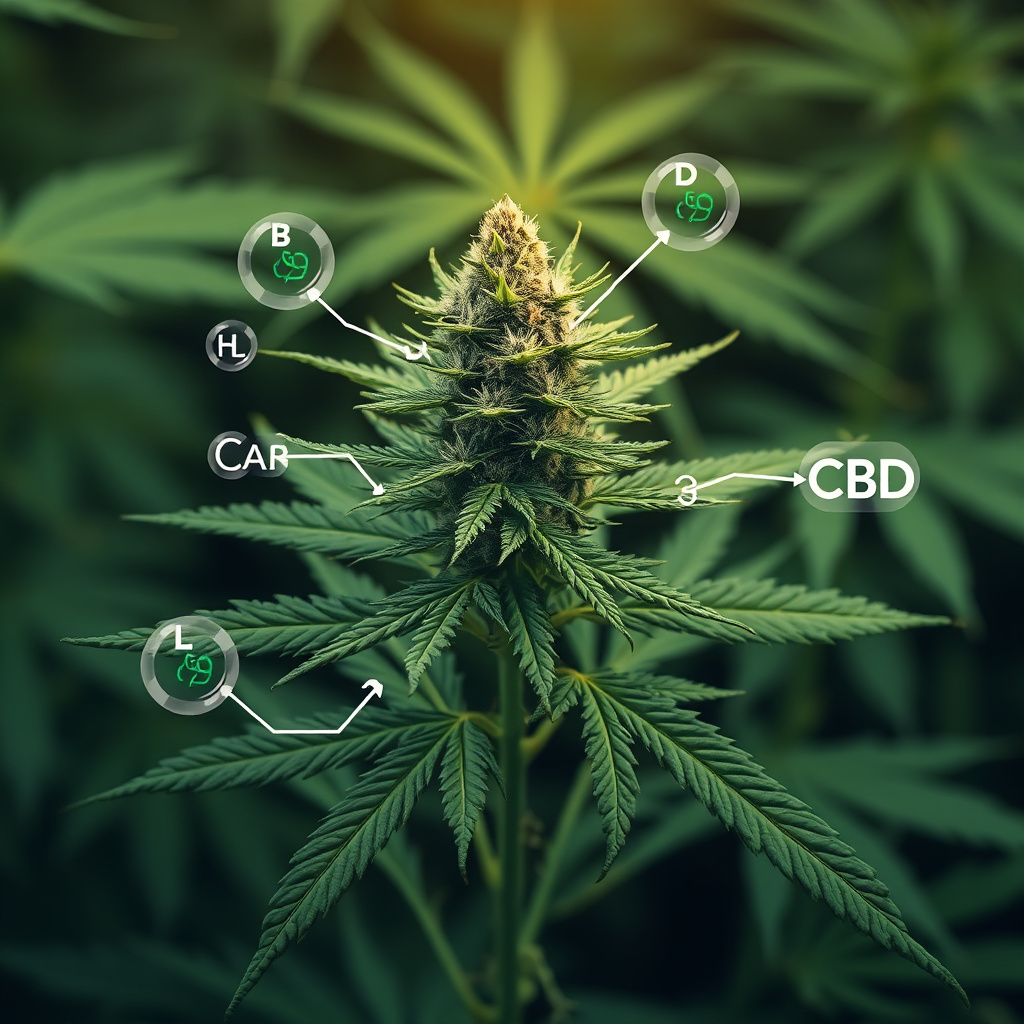
Cannabidiol (CBD) is one of over 100 cannabinoids identified in cannabis. It is not psychoactive, contrasting with tetrahydrocannabinol (THC), which produces mind-altering effects. CBD interacts with the body's endocannabinoid system to help regulate various functions.
CBD's molecular structure allows it to influence receptors involved in pain, mood, and immune response, without altering consciousness. This makes it a candidate for managing symptoms without intoxication.
Extraction and Production Methods
CBD is commonly extracted from hemp, a cannabis strain low in THC and rich in CBD. Extraction can use methods like CO2 supercritical fluid extraction, which is efficient and preserves purity, or solvent extraction using ethanol or hydrocarbons.
After extraction, further refinement removes impurities and leftover solvents, producing CBD oils or isolates. The choice of extraction affects potency, flavor, and safety of the final product.
- CO2 supercritical extraction: clean, preserves volatile compounds
- Ethanol extraction: good for large-scale, but may alter taste
- Hydrocarbon extraction: efficient but requires careful solvent removal
How CBD Works Within the Body

Interaction with the Endocannabinoid System
CBD primarily interacts with the endocannabinoid system (ECS), which maintains homeostasis in the body. It indirectly influences CB1 and CB2 receptors alongside modulating other receptor systems, like serotonin and vanilloid receptors.
Through these mechanisms, CBD may affect pain perception, mood regulation, appetite, and immune response without binding strongly to cannabinoid receptors like THC does.
Potential Effects and Mechanisms
Research suggests CBD has antioxidant, anti-inflammatory, anxiolytic, and neuroprotective properties. It might reduce anxiety by acting on serotonin receptors and decrease inflammation by influencing immune cell activity.
The precise effects depend on dosage, form of CBD, user biochemistry, and condition targeted. Ongoing clinical trials aim to clarify these mechanisms further.
Exploring Different CBD Products

Popular Forms of CBD
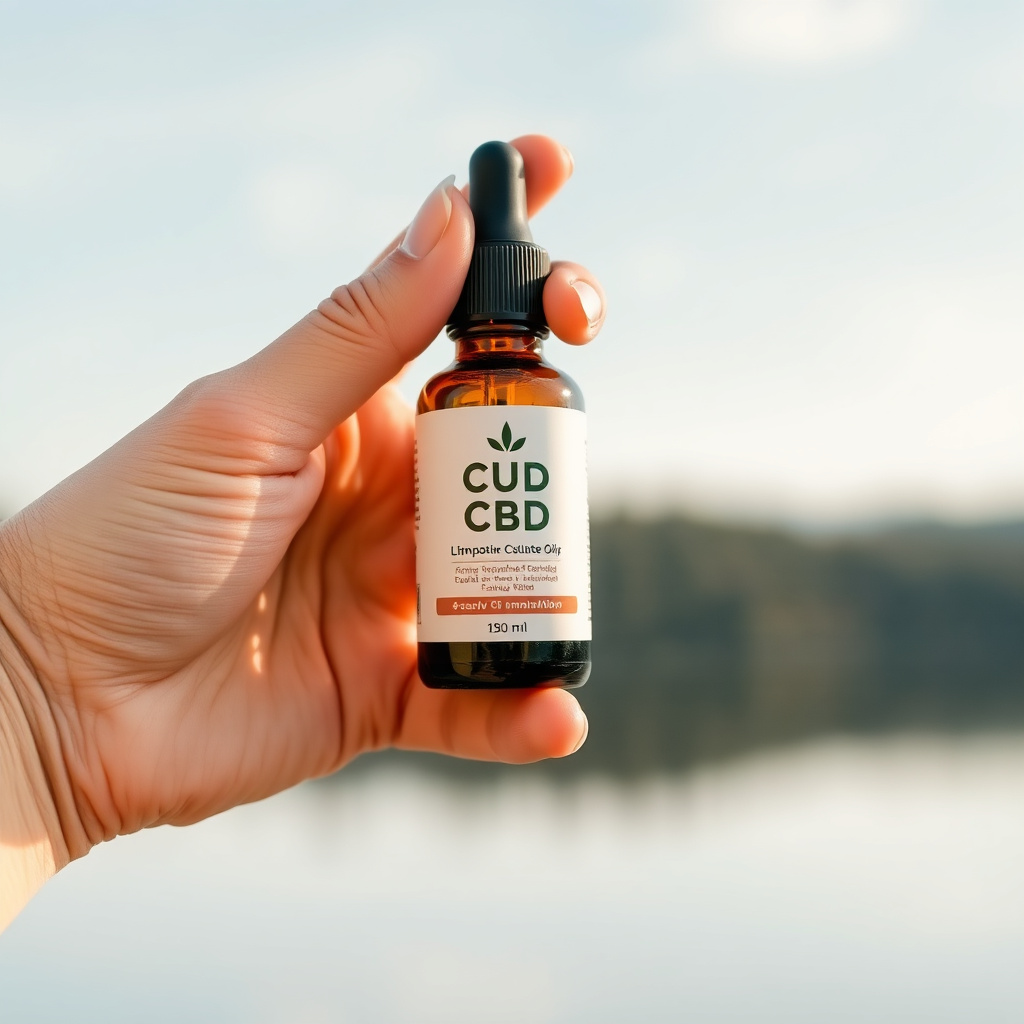
CBD is available in many formats including oils, tinctures, capsules, edibles, topicals, and vape liquids. Oils and tinctures are commonly used sublingually for rapid absorption, while capsules offer a convenient, familiar form.
Topicals like creams and balms deliver CBD directly to the skin for localized relief. Edibles and gummies provide a tasty option though absorption is slower, while vaping offers quick effects but involves inhalation risks.
- Oils/tinctures: sublingual use, fast onset
- Capsules: discrete, consistent dosing
- Topicals: target local areas of pain/inflammation
- Edibles/gummies: longer-lasting effects
For more on this, see our related guide: How to Choose High CBD Cannabis Seeds for Maximum Therapeutic Benefits.
Full-Spectrum vs Isolate CBD
Full-spectrum CBD includes all cannabinoids, terpenes, and trace THC from the plant, which can create the 'entourage effect' enhancing benefits. Broad-spectrum contains all except THC, useful for those avoiding the psychoactive compound.
CBD isolate is pure cannabidiol without other compounds, favored by those wanting no THC or flavor. The choice depends on personal preference, legal restrictions, and desired effect.
Legal Status and Safety Considerations

Current Legal Landscape of CBD
CBD's legal status varies widely. In many countries and U.S. states, hemp-derived CBD with less than 0.3% THC is legal. However, regulations differ based on the source, THC content, and intended use (medical vs recreational).
It’s vital for consumers to know local laws to avoid legal issues. Some regions require prescriptions for CBD products, while others allow over-the-counter sales.
Safety, Side Effects, and Interactions
CBD is generally well tolerated, but side effects can include dry mouth, dizziness, and changes in appetite. It may also interact with medications metabolized by liver enzymes, potentially altering their effectiveness.
Consulting with healthcare providers before starting CBD is advisable, especially if other medications are involved or if there are underlying health conditions.
- Potential mild side effects
- Interactions with blood thinners or antiepileptics
- Need for dosage adjustment in some cases
CBD Oil Benefits and Popular Uses
Common Therapeutic Applications
People use CBD oil to address anxiety, chronic pain, sleep disturbances, and inflammation. Some studies support its use for epilepsy, with FDA-approved medications containing CBD for seizure control.
While evidence supports several benefits, ongoing research continues to explore its full therapeutic potential and optimal dosages for various conditions.
For more on this, see our related guide: What Is THCA? Understanding This Cannabinoid and Its Effects.
Choosing the Right CBD Product for Your Needs
Selecting CBD products depends on your health goals, product form preference, and budget. Oils offer flexibility in dosing, topicals suit localized issues, and gummies provide convenience for daily use.
Quality matters—look for third-party testing, clear labeling, and reputable brands to ensure safety and efficacy.
- Consider product form and absorption rate
- Check for lab test certificates
- Start with low dosage and increase gradually
Understanding Dosage and Administration

Determining Effective CBD Dosage
There’s no universal CBD dosage; it varies by individual weight, metabolism, condition, and product concentration. Often users begin with a low dose and increase gradually while monitoring effects.
Accurate dosing is easier with tinctures since the concentration is labeled per milliliter, allowing precise measurement according to personal needs.
For a detailed scientific overview, visit the Cannabidiol (CBD) information on Wikipedia. Cannabidiol (CBD) information on Wikipedia.
Tips for Safe and Consistent Use
Consistency helps in assessing how CBD affects you. Taking CBD at the same time daily enhances predictability of benefits. Also, keeping a log of dosage and effects can guide dosage adjustments.
Avoid mixing with alcohol or other substances without professional advice, and discontinue if adverse reactions occur.
CBD Product Types Comparison
Here is a comparison of popular CBD product types, highlighting differences in use, onset time, and concentration.
| Category | Typical Onset Time | Duration of Effects | Common Uses | Ease of Dosage |
|---|---|---|---|---|
| CBD Oil/Tincture | 15-30 minutes | 4-6 hours | General wellness, anxiety, pain | High |
| Capsules | 30-60 minutes | 6-8 hours | Long-term management, convenience | Medium |
| Edibles/Gummies | 30-90 minutes | 6-8 hours | Discreet dosing, sleep support | Medium |
| Topicals | 5-15 minutes | 2-4 hours | Localized pain, skin conditions | Low |
| Vape | Immediate | 1-3 hours | Rapid relief for anxiety, pain | High |
Frequently Asked Questions
Is CBD legal everywhere?
CBD legality depends on local laws. Hemp-derived CBD with low THC is legal in many places, but some regions restrict its use or require prescriptions.
Can CBD get you high?
No, CBD is non-psychoactive and does not produce a 'high' like THC does. It affects the body differently and does not alter mental state.
How do I know what dosage of CBD to take?
Start with a low dose and observe how you feel. Dosage depends on weight, condition, and product concentration. Consulting a healthcare provider is recommended.
What are the common side effects of CBD?
Side effects can include dry mouth, dizziness, and appetite changes. CBD may also interact with certain medications, so monitoring is important.
Will CBD show up on a drug test?
Most drug tests look for THC, but some full-spectrum CBD products contain trace THC which could result in positive tests. Use THC-free isolates if this is a concern.
Key Takeaways
- CBD is a non-intoxicating compound with potential therapeutic effects.
- It works by interacting with the body's endocannabinoid system.
- CBD products vary widely in form, potency, and use.
- Always consider legal status, product quality, and dosage carefully.
Conclusion
Understanding what CBD is and how it works helps in making an informed choice about its use. The decision to use CBD should involve evaluating personal health goals, preferences for product types, and awareness of legalities. Since CBD interacts with various body systems, paying attention to product quality and recommended dosages ensures safer use.
For those seeking anxiety relief or managing chronic pain, full-spectrum CBD oils offer the 'entourage effect' that may enhance benefits. If avoiding THC is preferable, broad-spectrum or CBD isolate products provide alternatives. Topicals suit users targeting localized discomfort, while capsules and edibles offer convenience for steady dosing. Each product type has unique characteristics that match different needs.
Begin with small doses and track how your body responds over time. Consulting medical professionals can clarify interactions and optimize usage. Selecting a reputable brand with third-party testing is crucial to obtain genuine, safe CBD. Ultimately, the best path is a mindful approach that balances benefits, legal considerations, and individual health.