What Is a Cannabis Bud? Understanding the Essential Flower of the Plant
A cannabis bud is the flowering part of the cannabis plant where cannabinoids and terpenes concentrate, making it the primary component used for consumption. These buds are harvested, dried, and cured for use in smoking, vaping, or extraction into oils and edibles.
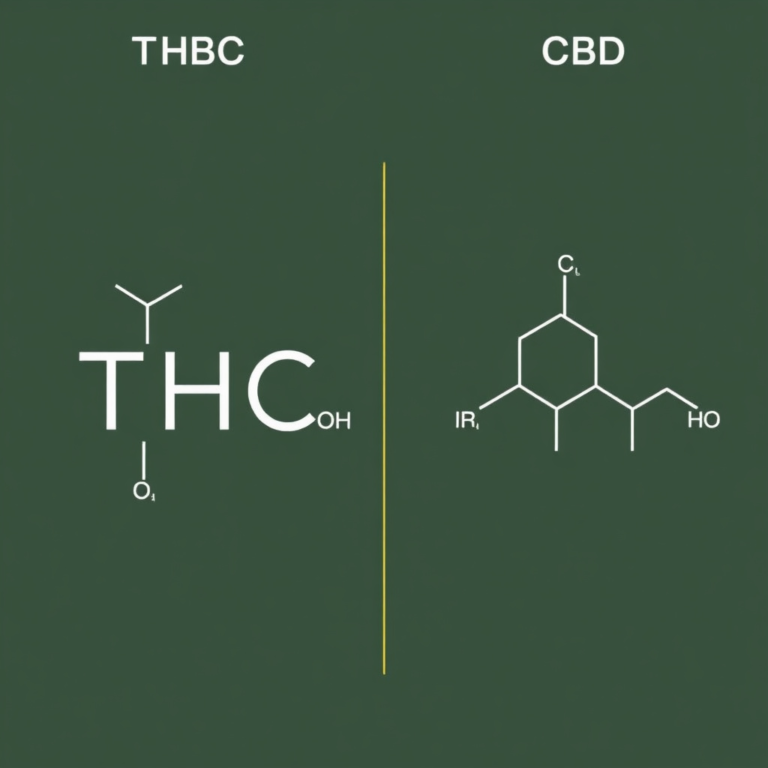
The importance of cannabis buds lies in their dense concentration of active compounds such as THC and CBD, which determine the plant's effects and medicinal properties. The buds form at the top of female cannabis plants during the flowering stage and feature structures like trichomes that produce these potent chemicals.
This article will explore the biology of cannabis buds, their physical and chemical traits, how they’re cultivated and harvested, various forms they take for consumption, and factors influencing quality and potency.
Anatomy and Biology of Cannabis Buds

Structure of the Cannabis Bud
Cannabis buds consist mainly of calyxes, which are small, tear-shaped nodules that cluster tightly and house the reproductive organs of the female plant. Surrounding these calyxes are sugar leaves coated with trichomes, the tiny, crystal-like glands responsible for producing cannabinoids and terpenes.
Trichomes are critical because they contain the sticky resin loaded with compounds like THC and CBD. The appearance of pistils—hair-like structures—indicates the maturity and health of the bud, changing color as the plant flowers to signal readiness for harvesting.
How Buds Develop During Flowering
Buds form in response to changes in light cycles, typically when the plant receives less daylight in the flowering stage. Hormones trigger the development of female flowers packed with resinous trichomes that protect and support seed production.
The flowering stage usually lasts 6 to 10 weeks, during which the buds increase in size and potency. Environmental factors such as temperature, humidity, and nutrient availability directly influence bud formation and final quality.
Cannabis Bud Characteristics and Potency
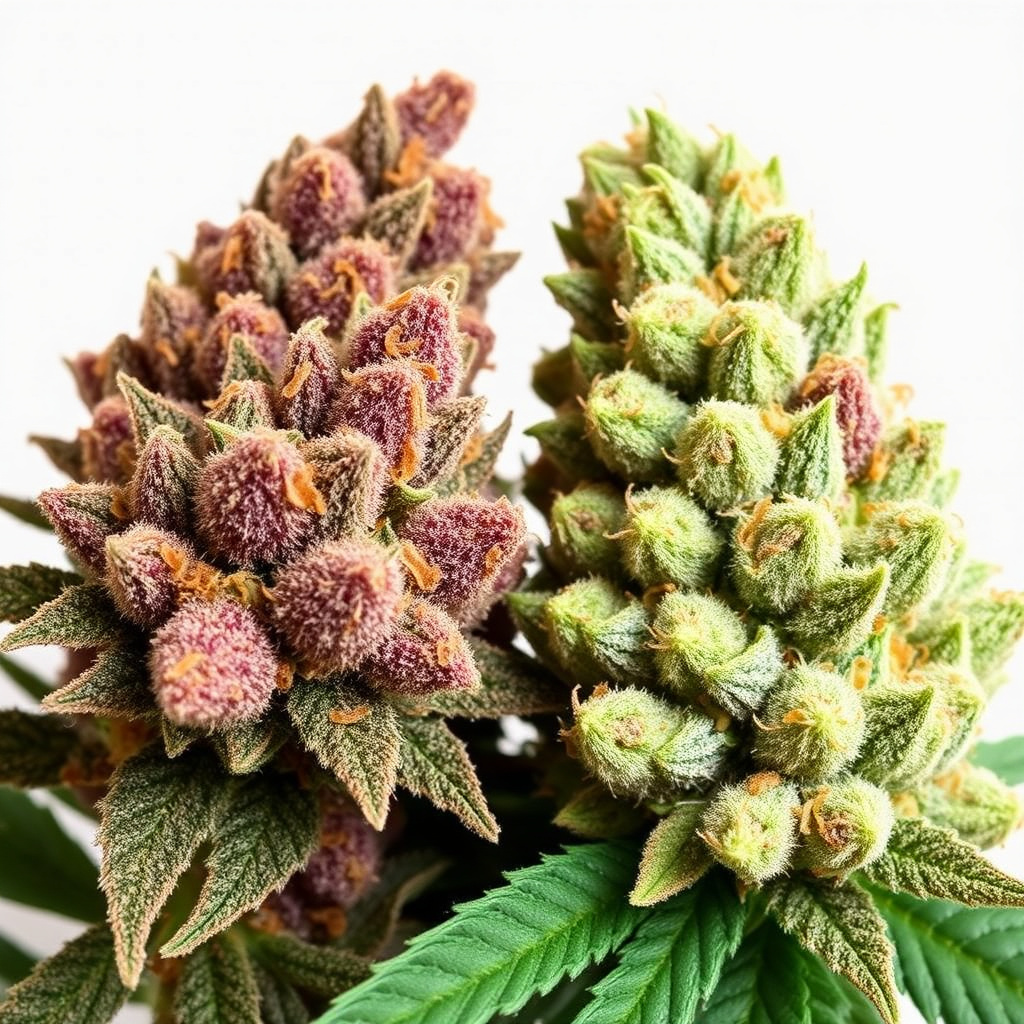
Understanding Cannabis Flower Characteristics
Each cannabis bud is unique in appearance, aroma, and effect due to variations in strain genetics and growing conditions. Buds vary in density, color, and trichome coverage, directly correlating to potency and flavor profiles.
Terpenes in the buds create distinctive scents ranging from earthy to citrusy, while the cannabinoid content determines psychoactive and therapeutic effects. Dense, sticky buds with abundant trichomes usually indicate higher quality and potency.
- Density informs smoking quality and burn rate
- Color hints at strain and maturity
- Trichome density relates to cannabinoid concentration
For more on this, see our related guide: Cannabis Seed FAQ: Answers to Your Most Common Questions.
Factors Affecting THC and CBD Levels
THC and CBD concentrations depend largely on plant genetics and post-harvest processing. Breeders select strains to express desired cannabinoid profiles, sometimes favoring high THC for stronger psychoactive effects or high CBD for medicinal use.
Environmental stressors, curing methods, and storage also alter cannabinoid stability. Improper drying or excessive heat can degrade THC, while careful curing preserves cannabinoid and terpene profiles, maximizing the cannabis bud’s therapeutic potential.
Cultivation and Harvesting of Cannabis Buds
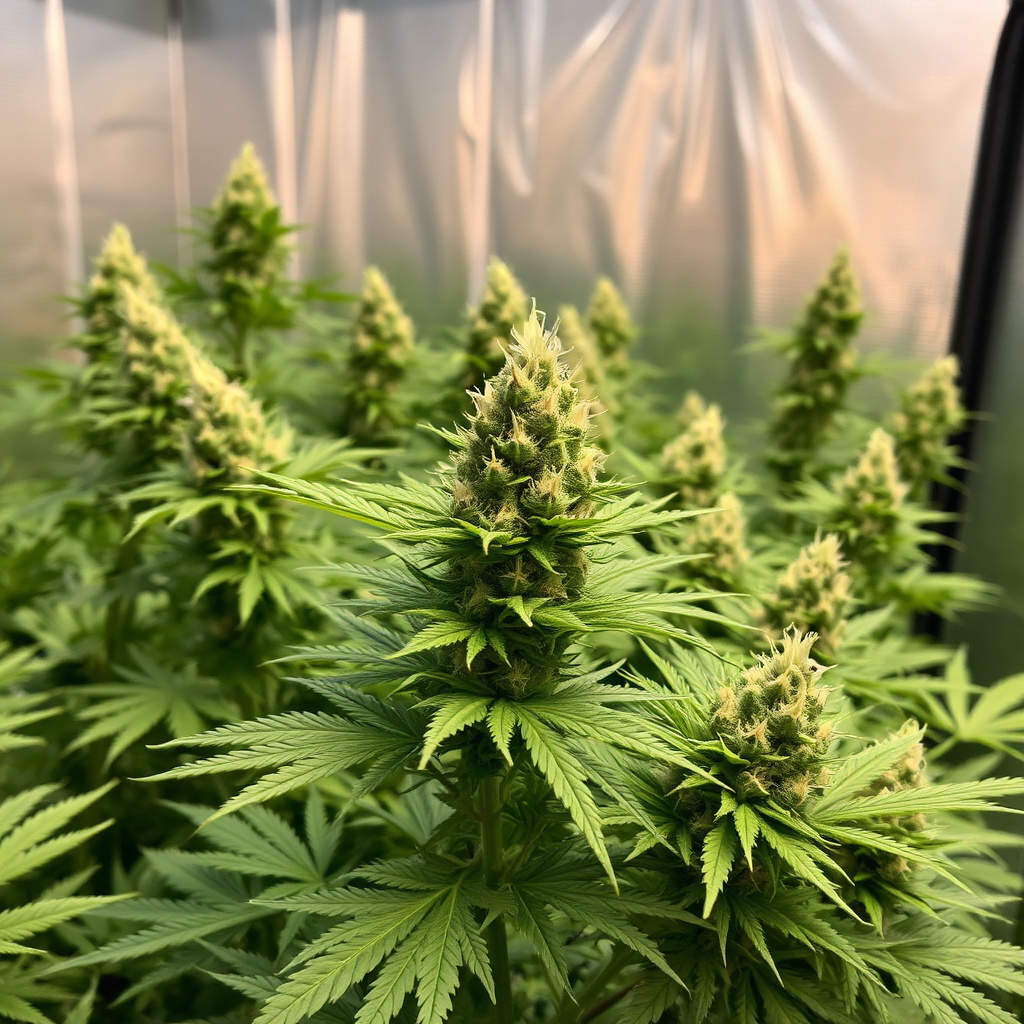
Growing Conditions for Healthy Bud Development
Ideal cultivation involves controlling light cycles to induce flowering, maintaining humidity around 40-50%, and providing balanced nutrients to support bud growth without excess foliage. Indoor growers use techniques like pruning and training to boost bud size and quality.
Soil or hydroponic mediums affect nutrient delivery, and growers carefully monitor pH levels to maintain optimal uptake. Proper airflow prevents mold and protects dense buds, which are especially susceptible during humid conditions.
Timing and Techniques for Harvesting Buds
Harvest time is crucial for potency and flavor. Growers watch trichomes with magnification tools; cloudy to amber trichomes signal the ideal window. Harvesting too early results in underdeveloped cannabinoids, while waiting too long degrades THC content.
Post-harvest trimming removes excess leaves, and buds are dried slowly in controlled environments to preserve cannabinoids and terpenes before curing in airtight containers that further enhance bud quality.
- Check trichome coloration for harvest readiness
- Slow drying prevents mold and preserves resin
- Curing improves smoothness and potency
Forms and Uses of Cannabis Buds
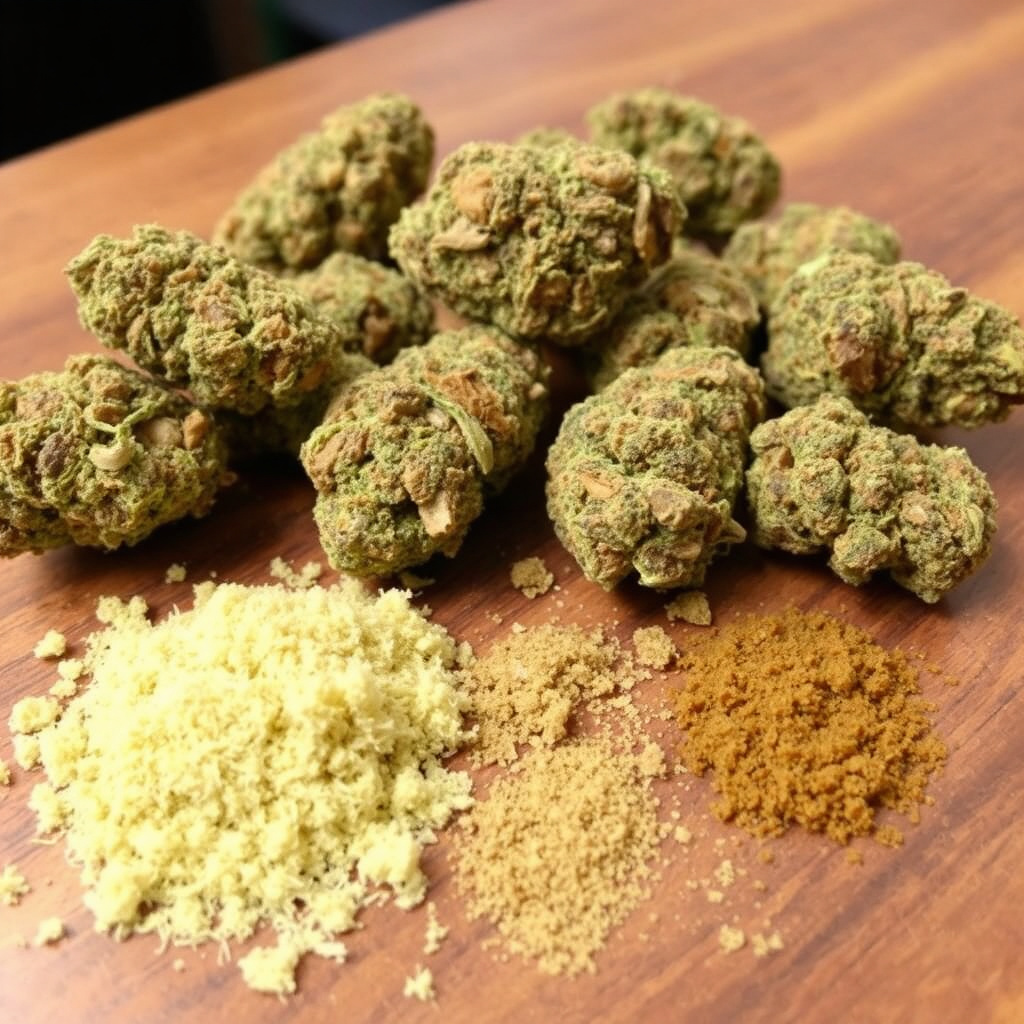
Common Consumption Methods for Cannabis Buds
The most familiar use of cannabis buds is smoking or vaping the dried flower. Smoking offers immediate effects, while vaporizers heat buds just enough to release cannabinoids without combustion. Buds can also be ground and mixed into edibles after decarboxylation.
Each consumption method alters onset and duration of effects—smoking produces rapid onset, whereas edibles provide delayed but prolonged experience. The cannabis flower’s versatility makes it the foundation for various cannabis products.
- Smoking using pipes or joints
- Vaporizing for a cleaner inhalation
- Decarboxylating for edible preparation
For more on this, see our related guide: Cannabis Terminology for Beginners: A Clear Guide to Essential Terms.
Processing Buds into Concentrates and Extracts
Buds can be processed into concentrates like hash, kief, and oils, which concentrate cannabinoids and terpenes for more potent products. Kief collects trichomes mechanically, whereas hash involves compressing kief, and oils are made via solvent extraction.
These forms allow for tailored potency and different delivery methods, such as dabbing or adding concentrated oils to edibles. Processing methods impact terpene retention and final potency.
Quality Indicators and Storage of Cannabis Buds

How to Identify Quality Cannabis Buds
Quality buds appear dense and sticky with visible trichomes that sparkle under light. They have vibrant colors—greens, purples, or oranges—and emit a strong, pleasant aroma. Avoid buds that look dry, brown, or have signs of mold.
Well-trimmed buds without excess leaves suggest meticulous harvesting. The terpene profile often correlates with quality; pungent and complex scents hint at fresh and well-preserved flower.
- Dense, resinous texture
- Rich, distinctive aroma
- Absence of seeds or stems
For a detailed look at the biology and anatomy of cannabis flowers, refer to this comprehensive resource on cannabis flower biology. Cannabis flower biology.
Best Practices for Storing Cannabis Buds
Proper storage preserves potency and freshness. Store buds in airtight, dark containers away from heat and light to prevent cannabinoid degradation. Ideal humidity range is 55-62% to keep buds from drying out or growing mold.
Glass jars with humidity packs are preferred. Avoid plastic bags which damage trichomes and degrade quality quickly. Consistent temperature and humidity extend the life of cannabis flower and maintain its potency.
- Use airtight glass jars
- Maintain humidity around 60%
- Store in a cool, dark place
Types of Cannabis Buds Compared by Usage and Potency
This table compares different categories of cannabis buds based on typical cannabinoid content, texture, and best usage scenarios.
| Category | Typical THC Level | Typical CBD Level | Texture/Density | Best Use |
|---|---|---|---|---|
| Sativa Buds | 15-22% | Low (<1%) | Light and airy | Daytime focus and creativity |
| Indica Buds | 17-25% | Low to moderate (<1%) | Dense and sticky | Relaxation and sleep aid |
| Hybrid Buds | 15-25% | Varies | Varies by strain | Balanced effects, varied use |
| High-CBD Buds | Low (<5%) | 10-20%+ | Dense | Medicinal, non-psychoactive |
| Outdoor Grown Buds | Varies widely | Varies | Less dense | Affordable, general use |
| Indoor Grown Buds | Up to 30% | Varies | Very dense and resinous | Premium quality, strong effects |
Frequently Asked Questions
What part of the cannabis plant is the bud?
The bud is the flower of the female cannabis plant where cannabinoids and terpenes accumulate, making it the primary part harvested for consumption.
Why are cannabis buds sticky?
Buds are sticky because of trichomes, tiny glands that produce resin containing cannabinoids like THC and CBD, which give the buds their sticky texture.
Can male cannabis plants produce buds?
Male cannabis plants do not produce buds; they produce pollen sacs. Only female plants develop the resinous buds used for consumption.
How do you know when cannabis buds are ready to harvest?
Growers check trichomes with magnification; when most trichomes turn cloudy or amber, it signals peak cannabinoid content and readiness for harvest.
What is the difference between a cannabis bud and a flower?
The terms cannabis bud and flower are often used interchangeably; both refer to the flowering part of the female cannabis plant harvested for use.
Key Takeaways
- Cannabis buds are the resinous flowers rich in cannabinoids and terpenes.
- Trichomes on buds produce the plant’s psychoactive and therapeutic compounds.
- Bud quality depends on genetics, cultivation, harvesting, and curing conditions.
- Proper storage preserves potency and freshness of cannabis flower.
Conclusion
Understanding what a cannabis bud is and its biological makeup helps clarify why it is the central focus for both recreational and medicinal cannabis users. The buds’ dense resinous trichomes are the primary source of cannabinoids like THC and CBD, responsible for the effects consumers seek. Recognizing how cultivation choices influence bud quality allows consumers and cultivators to make better decisions about strains and growing conditions.
When selecting cannabis buds, consider whether you want sativa, indica, or hybrid types depending on your desired effects—from energetic focus to relaxation. High-CBD buds serve medicinal users seeking therapeutic benefits without psychoactive impact. Additionally, indoor-grown buds generally offer higher potency and more refined qualities, while outdoor buds might provide a budget-friendly option with diverse effects. Awareness of these categories can guide choices tailored to individual needs and preferences.
To experience quality cannabis buds, begin by sourcing well-grown, cured flower from trusted producers. Store your buds in airtight containers with humidity control to maintain potency and flavor over time. Whether consuming via smoking, vaping, or making extracts, a deeper understanding of the cannabis bud’s nature enhances both enjoyment and efficacy.