How to Make Potting Soil: A Step-by-Step Guide for Healthy Plants
Making potting soil involves combining organic and inorganic ingredients in the right proportions to create a well-draining, nutrient-rich medium ideal for container plants. By blending components such as peat moss, compost, perlite, and vermiculite, you can tailor the soil's texture and fertility to suit specific plants and growing conditions.
Potting soil plays a vital role in container gardening because it needs to retain moisture while providing good drainage and aeration. Commercial mixes vary widely in quality, often containing synthetic additives or fillers that may not suit every plant. Crafting your own potting soil allows control over ingredients, ensuring a healthier environment for root growth and reducing risks of pests or diseases.
This guide will cover the essential ingredients for making potting soil, step-by-step mixing instructions, how to adjust the mix for different plant types, and tips on maintaining your potting soil’s quality over time. Whether you're growing herbs on a balcony or flowering shrubs in pots, understanding potting soil basics will improve your gardening success.
Essential Ingredients for Making Potting Soil
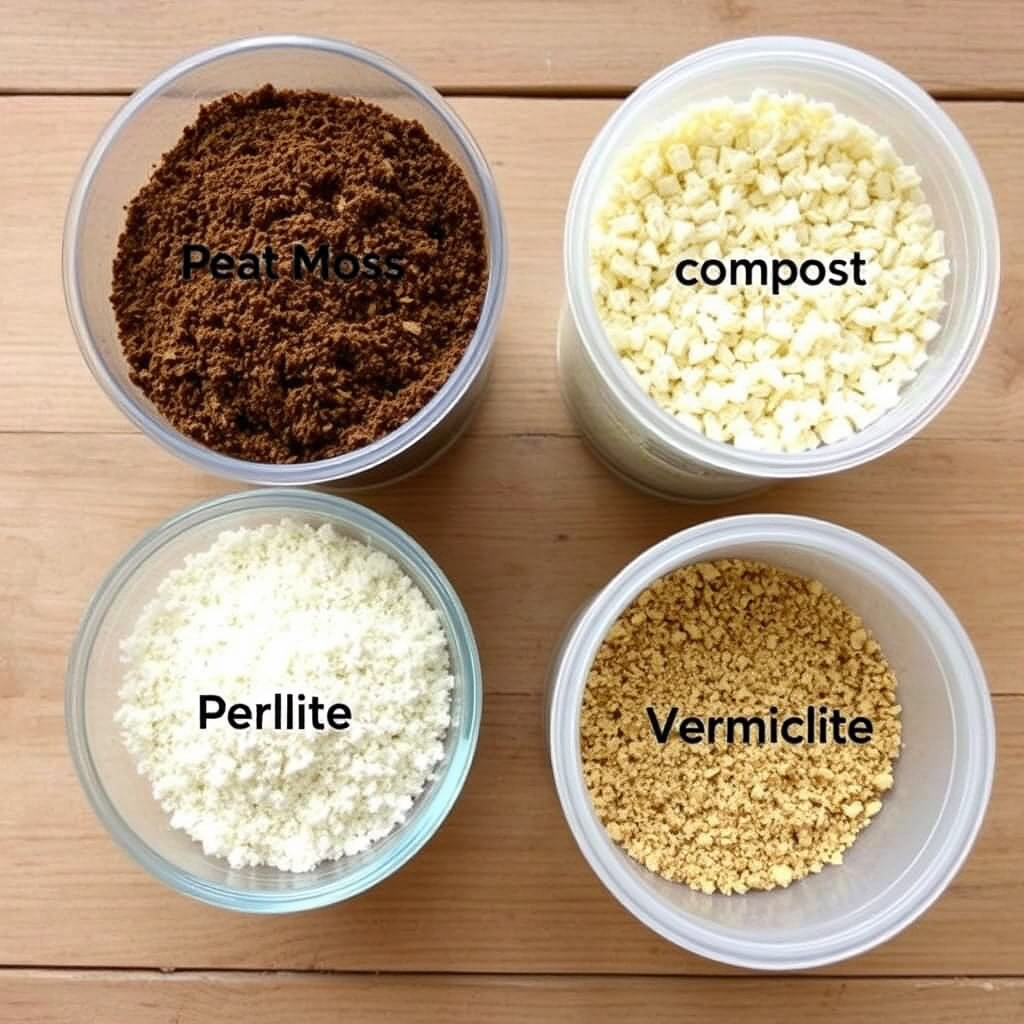
Organic Materials: Peat Moss and Compost
Peat moss is a common base for potting soil because it holds moisture well and has a slightly acidic pH, suitable for many plants. It's lightweight and sterile, which helps prevent diseases. Compost adds nutrients and beneficial microbes that improve soil fertility and plant health. It can be made from decomposed kitchen scraps, garden waste, or purchased ready-made.
Both peat moss and compost improve the water retention and nutrient supply in your potting soil. However, because peat moss can be slow to decompose and has environmental concerns, some gardeners prefer coconut coir as an alternative organic base.
Inorganic Materials: Perlite and Vermiculite
Perlite is a volcanic glass that expands when heated, creating a lightweight particle that improves drainage and aeration in potting soil. Its porous nature prevents soil compaction, keeping roots oxygenated.
Vermiculite also aids in moisture retention but holds more water than perlite. It releases nutrients slowly and helps maintain a balanced moisture environment, especially useful for seedlings and moisture-loving plants.
- Perlite promotes aeration and quick drainage
- Vermiculite retains moisture and nutrients
- Use according to plant water needs
Mixing Your Own Potting Soil
Basic Potting Soil Recipe
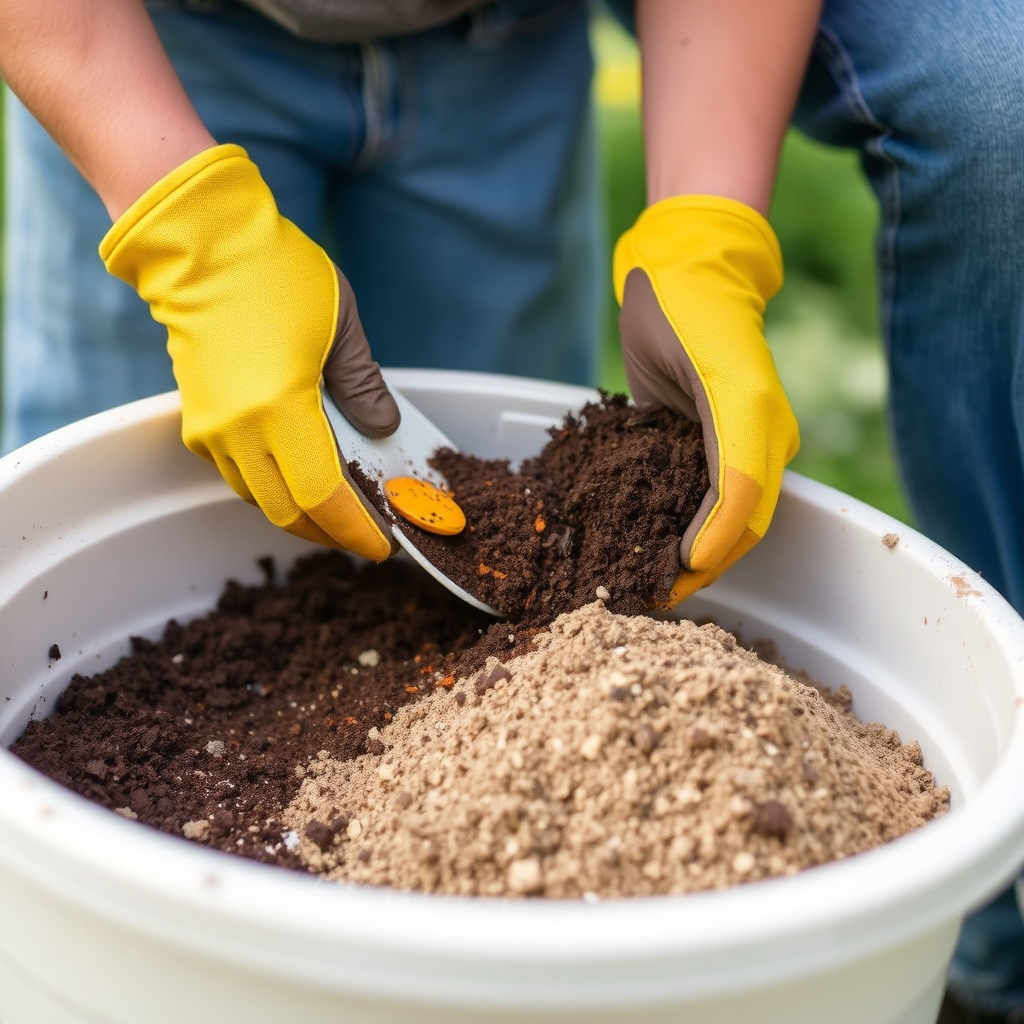
A simple and effective potting soil mix combines one part peat moss or coconut coir, one part compost, one part perlite, and one part vermiculite. This blend balances moisture retention, drainage, aeration, and nutrient content, supporting a wide range of houseplants and container flowers.
Mix all ingredients thoroughly in a clean container or wheelbarrow. Avoid contamination by using fresh compost and sterile additives. After mixing, moisten the blend slightly to help it settle without becoming soggy.
- 1 part peat moss or coconut coir
- 1 part homemade or purchased compost
- 1 part perlite
- 1 part vermiculite
For more on this, see our related guide: Cannabis pH Levels for Soil: How to Maintain the Perfect Balance.
Adjusting the Mix for Different Plants
Succulents and cacti require a grittier, faster-draining soil to prevent root rot. For these plants, increase perlite or replace vermiculite with coarse sand. For moisture-loving plants like ferns, reduce perlite and increase vermiculite for better water retention.
Herbs usually prefer well-draining soil but with moderate moisture retention. Adjust the compost content to provide enough nutrients without overfertilizing. Tailoring your potting soil to the plant's natural environment encourages healthier growth.
Sterilizing and Storing Your Homemade Potting Soil
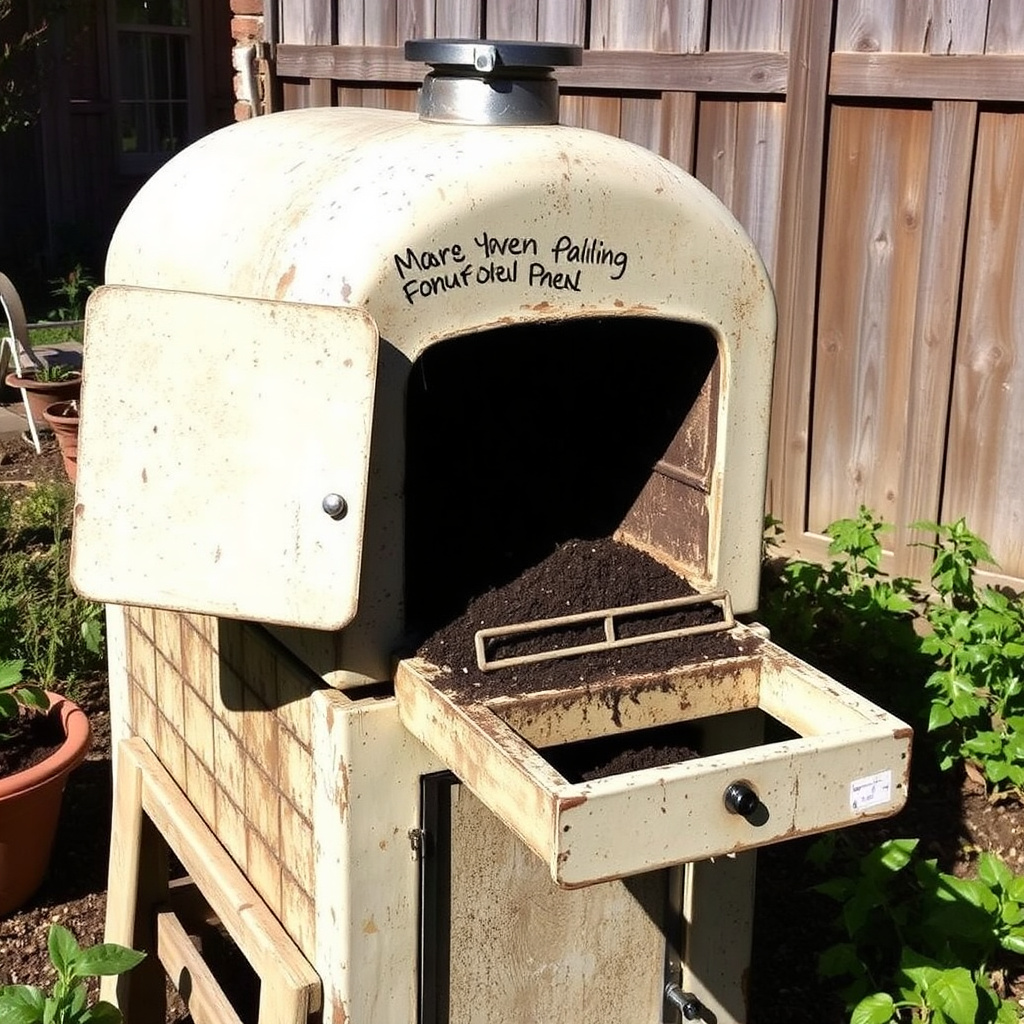
Why Sterilize Potting Soil?
Sterilizing potting soil eliminates harmful pathogens, weed seeds, and pests that might harm your plants. This process is important whenever you reuse potting mix or use homemade compost that may harbor undesirable organisms.
Common methods include heating soil in an oven or microwave to kill microbes and insects. Proper sterilization increases the likelihood of successful plant growth by creating a clean root environment.
Best Practices for Storage
Store homemade potting soil in a sealed, breathable container away from direct sunlight to preserve moisture and prevent contamination. Avoid storing in damp places as excess moisture can promote mold or fungal growth.
Label containers with the mix date and ingredients so you can track freshness. Properly stored potting soil can last several months without losing its qualities.
- Use airtight but breathable containers
- Keep in a cool, dry place
- Label with mix date and components
Common Mistakes When Making Potting Soil
Using Garden Soil Instead of Potting Mix
Garden soil is often too dense and may contain weed seeds, pathogens, or pests. It lacks the aeration and drainage needed for container plants, which can lead to root rot or poor growth.
Always avoid substituting garden soil in potting mixes. Instead, use sterilized and well-draining ingredients to create an effective potting soil.
For more on this, see our related guide: How to Choose the Best Soil for Cannabis Plants: A Complete Guide.
Incorrect Proportions Leading to Poor Drainage or Nutrients
Too much organic material like peat moss or compost can hold excess moisture, suffocating roots. Too much perlite or sand results in rapid drying and leaching of nutrients.
Maintaining a balanced recipe and testing your mix helps prevent these issues. Adjust proportions gradually based on plant response.
Enhancing Potting Soil with Nutrients and Amendments
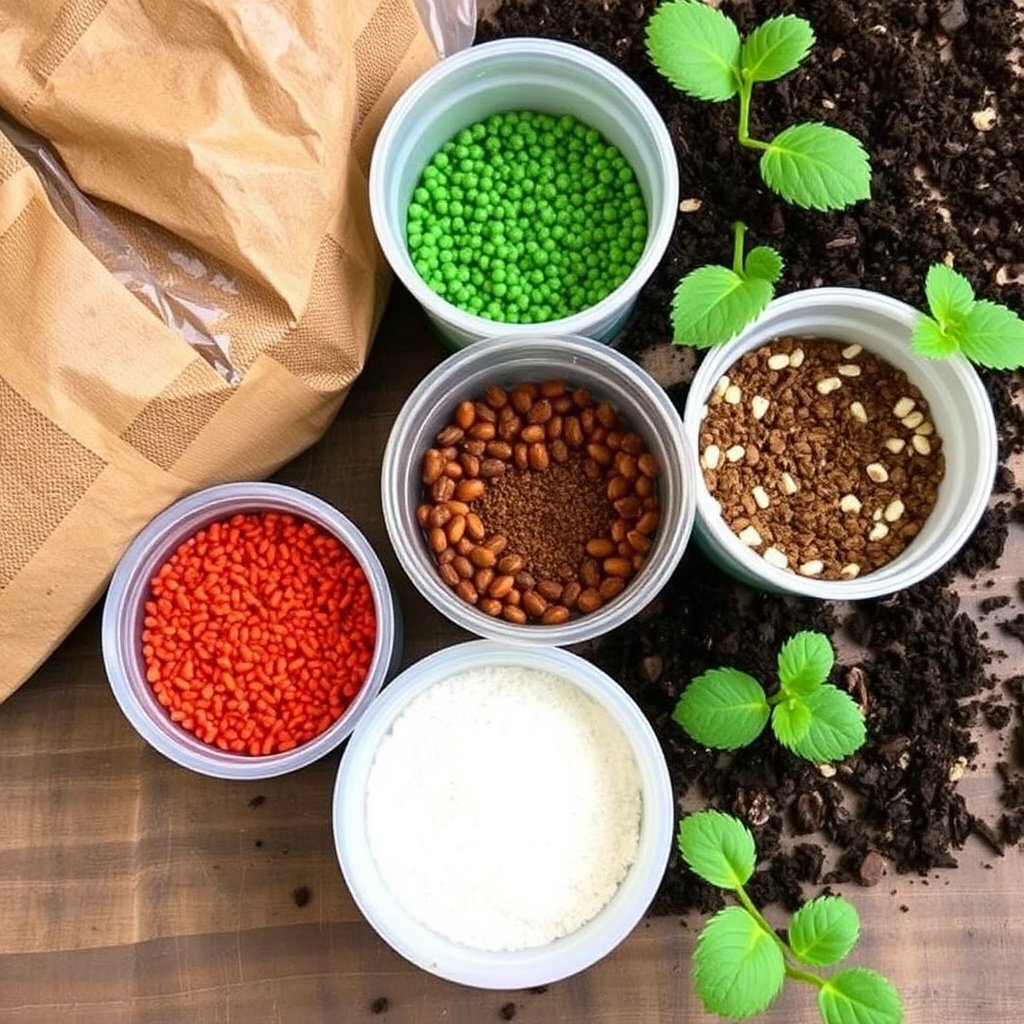
Adding Organic Fertilizers
Incorporate organic fertilizers like worm castings, bone meal, or kelp meal to boost nutrient content naturally. These amendments slowly release nutrients that support steady plant growth and improve soil biology.
Mix fertilizers evenly into your potting soil before planting. Avoid excessive additions to prevent nutrient burn.
- Worm castings for nitrogen
- Bone meal for phosphorus
- Kelp meal for micronutrients
For more technical details and history about potting soil, visit the Potting soil information on Wikipedia. Potting soil information on Wikipedia.
Using pH Adjusters and Soil Conditioners
Some plants require a specific pH, so you might need to add lime to raise pH or sulfur to lower it. Soil conditioners like charcoal can improve aeration and help retain nutrients.
Test your soil mix pH periodically and adjust as required to match plant preferences.
Potting Soil Mix Types Comparison
Here is a comparison of common potting soil mix types highlighting ingredient focus, drainage, nutrient retention, and best uses.
| Mix Type | Primary Ingredients | Drainage Quality | Nutrient Retention | Ideal Plant Types |
|---|---|---|---|---|
| Standard Mix | Peat moss, compost, perlite, vermiculite | Good | Balanced | Vegetables, flowers, indoor plants |
| Succulent Mix | Coconut coir, sand, perlite | Excellent | Low to moderate | Cacti, succulents |
| Seed Starting Mix | Peat moss, vermiculite | Moderate | Moderate | Seeds, young seedlings |
| Herb Mix | Compost, peat moss, perlite | Good | High | Herbs, light feeders |
| Orchid Mix | Bark, charcoal, perlite | Excellent | Low | Epiphytic orchids |
Frequently Asked Questions
Can I use regular garden soil in my potting mix?
Regular garden soil is generally too dense and may contain pests or diseases. It also lacks proper aeration and drainage for containers, so it's best to use a specialized potting mix.
How often should I replace or refresh potting soil?
Potting soil should be refreshed or replaced every 1-2 years as nutrients deplete and soil structure breaks down. Replenishing annually extends plant health and growth.
Is vermiculite better than perlite in potting soil?
Vermiculite retains more moisture and nutrients, while perlite improves aeration and drainage. The choice depends on your plant's water needs and soil preference.
What is the best way to sterilize potting soil at home?
You can sterilize potting soil by heating it in an oven at 180-200°F for 30 minutes or microwaving moist soil in a container for several minutes to kill pathogens and pests.
Can I make potting soil without peat moss?
Yes, coconut coir is a sustainable, eco-friendly alternative to peat moss and offers similar moisture retention and aeration properties for potting soil.
Key Takeaways
- Potting soil combines organic and inorganic materials for ideal drainage and nutrients.
- Adjust ingredient ratios based on specific plant water and nutrient needs.
- Sterilizing homemade soil reduces harmful pathogens and pests.
- Regularly refreshing potting soil supports ongoing plant health.
Conclusion
Creating your own potting soil allows precise control over the growing environment, which leads to healthier plants and more successful container gardening. Understanding the role of each ingredient—whether organic matter like peat moss or compost, or inorganic elements such as perlite and vermiculite—helps you tailor soil texture, moisture retention, and nutrient levels. Balancing these components according to your plants' natural requirements is key to vibrant growth. Avoiding garden soil and sterilizing your mix further reduce risks of disease, making your homemade potting soil reliable and safe.
Different plants demand different soil conditions, so adjust your homemade mix accordingly. For example, succulent mixes benefit from higher perlite and sand content to enhance drainage, while moisture-loving plants thrive with additional vermiculite and compost. Seed starting requires gentle, lightweight mixes rich in moisture retention but low in nutrients to protect delicate roots. For versatile houseplants, the standard blend of peat moss, compost, perlite, and vermiculite generally performs well, meeting most needs. This knowledge empowers you to refine or create various potting mixes confidently.
To start making potting soil, gather quality ingredients such as peat moss or coconut coir, compost, perlite, and vermiculite, then follow the recommended mixing ratios. Store your mix properly and sterilize when necessary to maximize its effectiveness. Testing small batches with your plants can help you tweak the recipe over time. Making potting soil yourself not only saves money but also fosters a deeper connection with your garden’s health and growth.