Are Feminized Seeds Legal? A Clear Guide on Seed Legality
Feminized seeds, which are bred to produce only female plants, are generally legal to buy and own in many regions, but their legality largely depends on local laws regarding cannabis cultivation. In places where cannabis cultivation is allowed either medically or recreationally, feminized seeds are often permitted as well, though restrictions may vary.
Understanding whether feminized seeds are legal matters because it affects your ability to grow and cultivate cannabis plants legally without risking penalties. Laws can be very different internationally, and even within countries, so knowing the specifics for your location is crucial for compliance.
This article will discuss what feminized seeds are, how laws apply to them in various regions, factors influencing their legal status, and tips on safely obtaining and using feminized seeds within the boundaries of local law.
Understanding Feminized Seeds and Their Purpose
What Are Feminized Seeds?
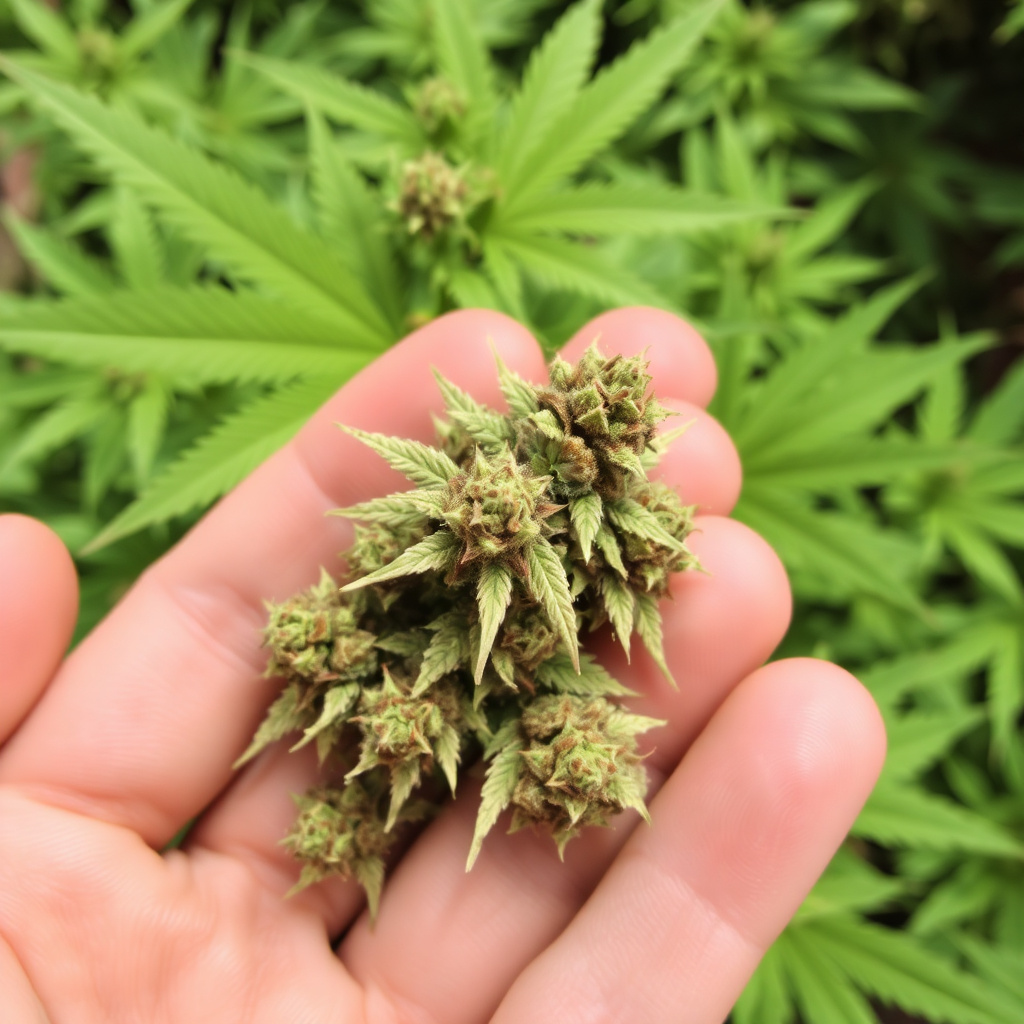
Feminized seeds are specially bred cannabis seeds designed to produce only female plants, which are prized for their high cannabinoid content, essential for producing medicinal or recreational cannabis. Traditional seeds produce a roughly 50/50 chance of male or female plants, but feminized seeds nearly guarantee female plants.
These seeds are created through techniques that cause a female plant to produce pollen, which is then used to pollinate another female plant. This process eliminates male chromosomes, resulting in seeds that grow without males, maximizing yield and efficiency in cultivation.
Why Do Growers Prefer Feminized Seeds?
Growers choose feminized seeds primarily to avoid the presence of male plants which produce pollen, fertilizing females and leading to seed production instead of flower development. Seedless buds are more potent and desirable in both medical and recreational markets.
Using feminized seeds simplifies cultivation and troubleshooting since the grower doesn’t need to identify and remove male plants during growth, saving time and resources while improving consistency of the harvest.
- Guarantees female-only crops
- Improves flower quality
- Saves cultivation effort
- Increases yields
Legal Status of Feminized Seeds Around the World
Countries With Permissive Laws
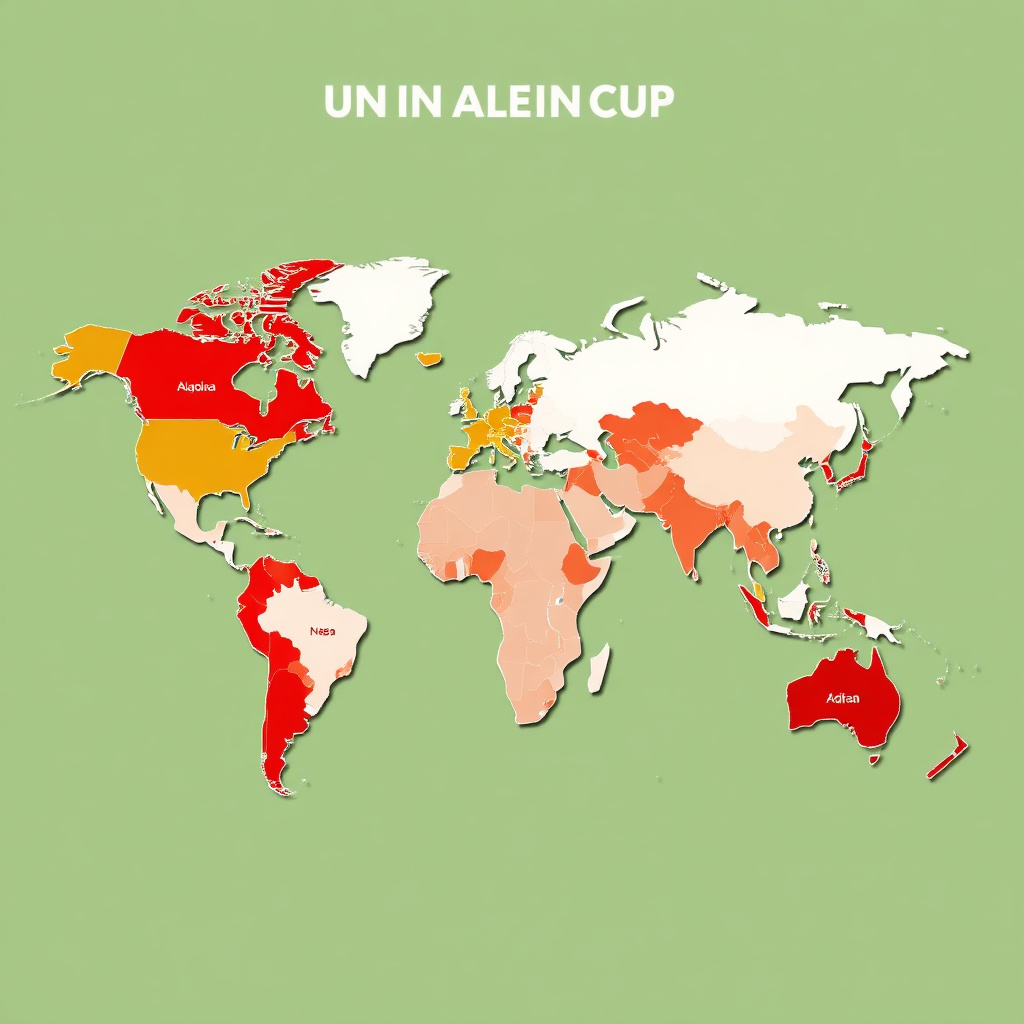
Several countries have legalized cannabis for medical and/or recreational use and allow the possession and sale of feminized seeds. Examples include Canada, the Netherlands, and Uruguay, where cultivation is permitted under regulated frameworks.
In these countries, buying feminized seeds from licensed vendors is often legal, though there may be limits on how many plants one can grow. Regulations typically require compliance with age restrictions and sometimes registration.
Regions With Strict or Undefined Laws
In many countries and regions, cannabis seeds—including feminized seeds—are illegal to possess or sell, even if enforcement varies. Laws may classify them under drug paraphernalia or controlled substances.
In places with unclear regulations, it is risky to purchase or import feminized seeds, as penalties can include fines or criminal charges. Always verify local laws before acquiring seeds to avoid legal trouble.
Factors Influencing the Legal Status of Feminized Seeds

Legislation on Cannabis Cultivation
The core determinant of feminized seeds' legality is whether cannabis cultivation is allowed in the region. If growing cannabis is illegal, owning feminized seeds intended for cultivation is often also illegal.
Some jurisdictions distinguish between possessing seeds for collection or novelty and seeds intended for planting, leading to different rules and possible loopholes.
For more on this, see our related guide: How to Choose High CBD Cannabis Seeds for Maximum Therapeutic Benefits.
Import and Export Regulations
Importing and exporting feminized seeds may be restricted or require permits, even in areas where local cultivation is legal. This is to control the spread of cannabis genetics and comply with international drug control treaties.
Buyers should research customs laws and purchase seeds from domestic suppliers to minimize the risk of confiscation or legal penalties during shipping.
How to Safely Purchase Feminized Seeds Within Legal Boundaries
Choosing Licensed Seed Banks
Select seed banks that operate legally within your jurisdiction and have proper licensing to sell feminized seeds. Licensed vendors provide transparency about strain genetics, breeding methods, and compliance with local laws.
Avoid unverified or underground sources that could sell counterfeit or low-quality seeds and may expose buyers to legal risk and financial loss.
Verifying Local Law and Regulations
Before purchasing, check the precise legal status of feminized seeds in your area, including any quantity limits or registration requirements. Government or cannabis regulatory agency websites are good sources.
Some regions allow possession of seeds but prohibit germination or cultivation, so understanding these nuances helps avoid unintended violations.
- Confirm seed legality locally
- Understand quantity limits
- Check cultivation permits
- Recognize shipping restrictions
Common Misconceptions About Feminized Seeds Legality
Feminized Seeds Are Not Drugs Themselves
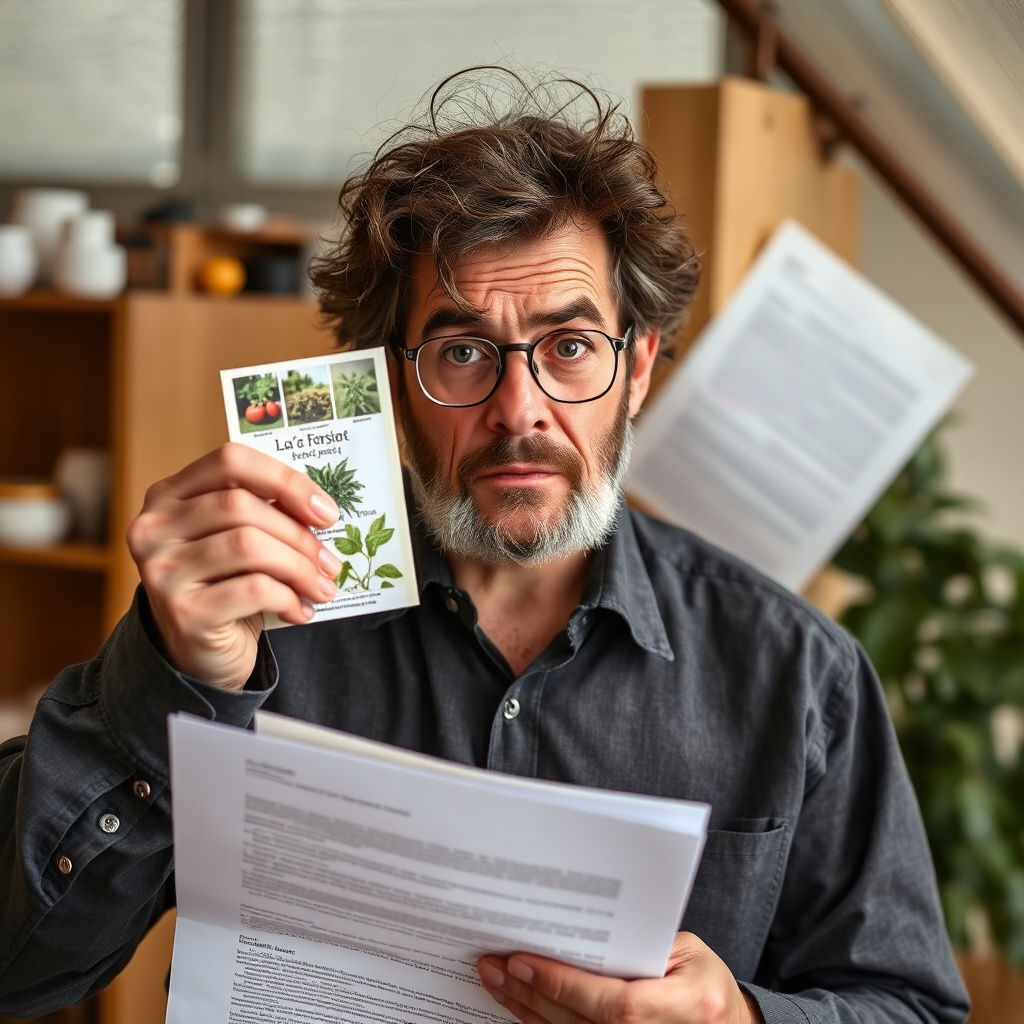
Although feminized seeds come from cannabis plants, the seeds themselves are generally not psychoactive and are often considered legal in more places than the plants they produce. This distinction can impact how they are regulated.
However, because seeds can be used to grow cannabis, many regions still regulate them under drug laws, so the non-psychoactive status does not guarantee legal possession everywhere.
For more on this, see our related guide: Hybrid Cannabis Seeds Explained: What You Need to Know Before Buying.
Purchasing Seeds Online May Still Be Risky
Even if your local laws allow feminized seeds, ordering from international online vendors risks interception by customs, which can result in confiscation or legal consequences.
Buying locally from licensed sellers reduces the risk of shipment problems and aligns with import regulations.
Understanding the Implications of Feminized Seeds Legality
Legal Risks of Unauthorized Cultivation
Cultivating cannabis from feminized seeds without proper authorization can lead to criminal charges, fines, and confiscation of plants and equipment. The risk increases in areas with strict drug enforcement policies.
Knowing the exact legal framework helps growers avoid inadvertent violations and protect their investment in seeds and equipment.
For further reading on regulations and types of cannabis seeds, refer to the comprehensive overview available in this detailed article about cannabis seeds. feminized cannabis seeds legal info.
Benefits of Compliance With Seed Legislation
Staying within legal limits can provide access to quality seed genetics and support from the regulated cannabis industry, including advice and resources from official channels.
Compliant growers also contribute to safer cannabis markets by avoiding unregulated sources tied to criminal activity.
Feminized Seeds Legal Status by Region
Here is a comparison of feminized seeds' legal status across various countries and territories to illustrate differing regulatory environments.
| Region | Legal Status | Allowed Activities | Notes |
|---|---|---|---|
| Canada | Legal | Purchase, possession, cultivation under regulations | Nationwide legalization for recreational use |
| Netherlands | Legal | Purchase and personal cultivation | Tolerated in regulated conditions |
| United States (federal) | Illegal | Varies by state | Federal law prohibits; some states allow within state laws |
| Uruguay | Legal | Home cultivation and purchase | Fully legalized cannabis market |
| Japan | Illegal | Possession and cultivation prohibited | Strict prohibition, heavy penalties |
| Germany | Partially legal | Medical use legal, seeds regulated | Recreational prohibited, medical licensed only |
Frequently Asked Questions
Are feminized seeds legal to buy online?
Buying feminized seeds online depends on your local laws and import regulations. It is legal in some locations but may be illegal or restricted if seeds cross borders without proper permissions.
Can you legally grow cannabis from feminized seeds everywhere?
No, growing cannabis is legal only in regions that have legalized cultivation, medical use, or recreational use. Owning feminized seeds does not automatically permit cultivation everywhere.
Do feminized seeds contain THC or cause intoxication?
Feminized seeds themselves do not contain THC and are not psychoactive. They are dormant seeds until germinated and grown into cannabis plants that can produce THC-containing flowers.
What should I do if feminized seeds are illegal in my area?
If feminized seeds are illegal, avoid purchasing or cultivating them. Consider legal alternatives within your jurisdiction or seek medical cannabis options if eligible.
Is it safe to trust seed vendors claiming to sell legal feminized seeds?
Always research the vendor's credentials, reviews, and compliance with local laws. Purchase from licensed and reputable sources to minimize risks of fraud or legal issues.
Key Takeaways
- Feminized seeds are bred to produce only female cannabis plants, favored by growers.
- Their legality depends heavily on local cannabis cultivation laws and regulations.
- Buying from licensed domestic vendors is the safest legal option.
- Understanding your region’s legal framework avoids costly penalties.
Conclusion
When determining whether feminized seeds are legal, the most important factor is the legal status of cannabis cultivation in your jurisdiction. Since feminized seeds are intended for growing female cannabis plants, in places where growing cannabis is allowed either medically or recreationally, these seeds are generally legal to possess and purchase. Conversely, in regions where cannabis cultivation remains prohibited, feminized seeds are often included under the same restrictions. Assessing the exact regulations, including any permits or quantity limitations, helps avoid breaking laws unintentionally.
For individuals interested in cultivating legally, countries such as Canada, Uruguay, and some U.S. states with legalized cannabis markets provide frameworks in which feminized seeds can be obtained and used responsibly from licensed seed banks. Conversely, regions with strict prohibitions like Japan or many parts of Asia limit any such activity, making possession or purchase risky. It's advisable to consult local regulations carefully before acquiring feminized seeds, considering factors like import restrictions and personal cultivation limits as part of your decision.
If you live in an area where feminized seeds are legal or can be used within a medical program, the next step is to find reputable, licensed vendors to ensure quality and legality. Avoid unauthorized or underground sources which pose legal and financial risks. Staying informed and compliant not only protects you but also supports the broader acceptance and regulation of cannabis cultivation. Always check the latest updated laws in your area before purchasing or planting feminized seeds.