Are Cannabis Seeds a Controlled Substance? Legal Insights Explained
Cannabis seeds themselves are often treated differently under the law compared to the cultivated plant, and their classification as a controlled substance depends heavily on jurisdiction. In many places, cannabis seeds are not controlled substances if they are not intended for cultivation, but laws vary widely and can be complex.
Understanding whether cannabis seeds are considered a controlled substance matters for consumers, growers, and distributors. Regulations can differ between countries, states, and even local areas, influenced by the specific cannabis laws in place, which affects legal possession, sale, and transport of seeds.
This article explores the legal nuances surrounding cannabis seeds, including their classification in various regions, the impact of local legislation, comparison of laws, and practical guidance for anyone dealing with cannabis seeds. It also answers common questions about their legal treatment.
Legal Definitions of Cannabis Seeds as Controlled Substances
How Different Legal Systems Define Cannabis Seeds
Some legal systems define controlled substances based on the psychoactive components of the cannabis plant, primarily THC. Since cannabis seeds naturally contain negligible or no THC and cannot be consumed directly for psychoactive effects, many jurisdictions do not classify seeds themselves as controlled substances.
However, certain laws treat seeds as part of the cannabis plant strictly because of their role in cultivation. In those cases, possession or intent to cultivate from the seeds could trigger legal restrictions, even if the seeds alone contain no active drug compounds.
Regulatory Variations Worldwide
Across Europe, cannabis seeds frequently are considered legal for sale and possession as collector items, but germination is often prohibited. Conversely, in some U.S. states and countries like Canada, seeds are regulated in line with cannabis products under their respective cannabis laws.
Countries such as the Netherlands may allow seed sales but restrict growing plants from them, highlighting how seed legality can differ markedly between sales, possession, and cultivation.
The Impact of Possession and Intent on Seed Legality
Possession Without Cultivation Intent
In many regions, possessing cannabis seeds without clear intent to grow is legal and not classified under controlled substances laws. Collectors or breeders often lawfully own seeds as souvenirs or for genetic preservation.
The pivotal factor is usually proof of intent. Law enforcement may consider seed possession legal unless there is additional evidence suggesting plans for illicit cultivation.
For more on this, see our related guide: Are Cannabis Seeds Legal in the USA? Understanding the Legal Landscape.
Intent to Cultivate and Legal Consequences
Where laws prohibit cannabis cultivation without authorization, possessing seeds alongside cultivation paraphernalia can lead to charges related to controlled substances. The seeds facilitate the drug production process, which places them under stricter scrutiny.
Legal consequences can include fines, confiscation, or criminal charges, depending on the volume and local legislation. This aspect explains why seed legality often hinges on how they are used rather than possession alone.
How to Determine the Legal Status of Cannabis Seeds in Your Area
Researching Local and National Laws
Checking government websites, official legal databases, or cannabis regulatory bodies is the first step to understanding seed legality. Laws can rapidly change, so consulting up-to-date and authoritative sources is critical.
Some jurisdictions provide explicit guidelines on seed sales, possession, and germination, while others may only address cannabis as a whole, requiring interpretation of broader drug statutes.
- Visit official cannabis regulation sites
- Consult legal professionals when unsure
- Join local cannabis advocacy groups for updates
Practical Advice for Buyers and Sellers
Buyers should confirm that seed vendors operate legally and supply seeds compatible with local laws to avoid prosecution risks. Sellers often include disclaimers about seeds being sold as collectibles only.
Maintaining documentation and following transport regulations helps reduce issues during inspections. Transparency and compliance with laws where the seeds are being sent or received are fundamental.
The Role of International Law and Treaties
The UN Single Convention on Narcotic Drugs
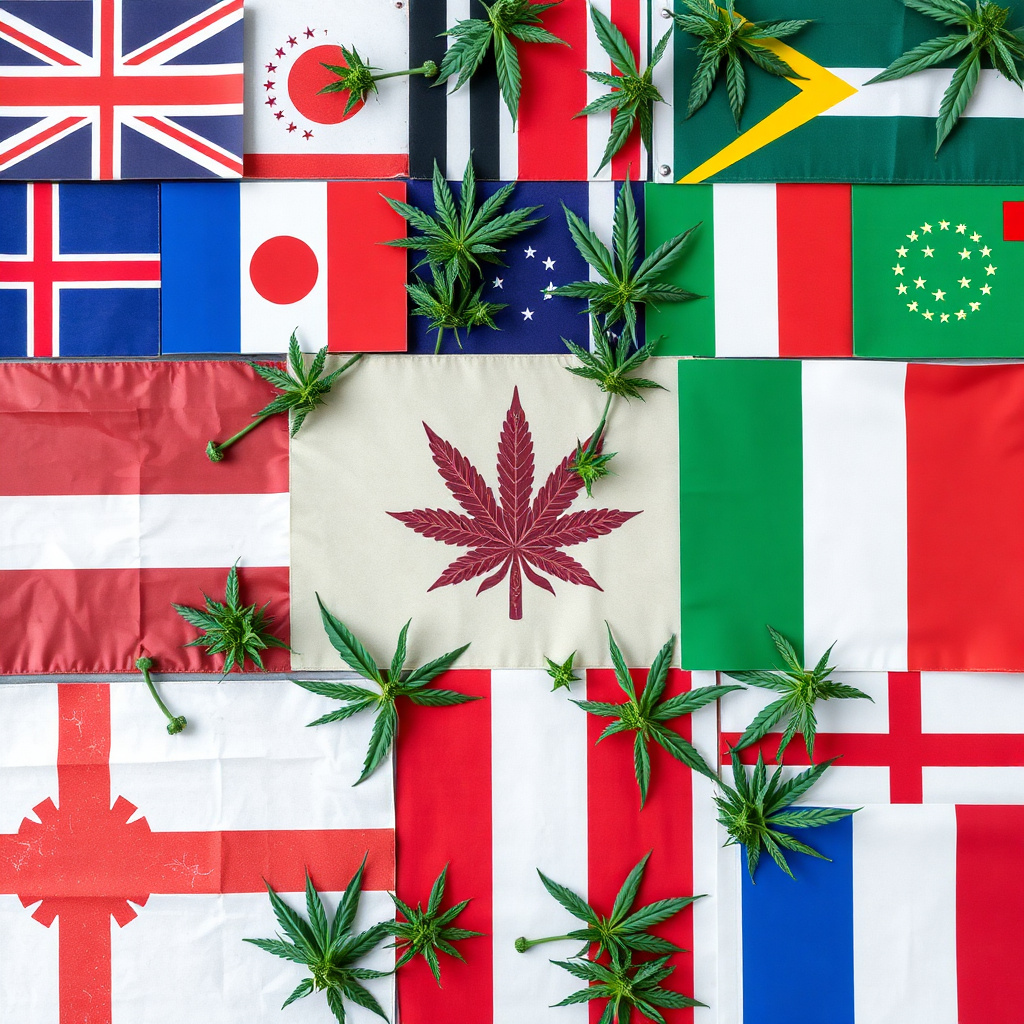
The UN's 1961 Single Convention on Narcotic Drugs regulates cannabis but does not explicitly classify cannabis seeds as narcotics or controlled substances. This leaves countries room to set their national policies on seed legality.
Many countries follow this treaty's framework but interpret seed control variably, focusing primarily on plant cultivation and use.
For more on this, see our related guide: Exploring High THC Cannabis Strains: Potency and Effects Explained.
Cross-Border Transport and Legal Risks
Transporting cannabis seeds across international borders often poses legal risks, as seed import/export may conflict with the destination or transit countries' laws.
Customs agents may seize seeds and initiate legal action based on local drug control statutes, so travelers should research laws thoroughly before moving seeds internationally.
Understanding the Secondary Keyword: Legal Status of Cannabis Seeds
How the Legal Status of Cannabis Seeds Affects Market Trends
The shifting legal status of cannabis seeds influences market availability and pricing. Jurisdictions permitting seed sales for collectors encourage vibrant seed bank businesses and genetic diversity preservation.
Conversely, regions with strict seed restrictions see a black market with riskier transactions, impacting how accessible seeds are to hobbyists and breeders.
For a broader understanding, you can explore cannabis seed legal status details on Wikipedia. Cannabis seed legal status details on Wikipedia.
Changes in Legal Status and Their Implications
As cannabis legalization expands, some jurisdictions update seed laws to harmonize with relaxed possession and cultivation rules. This legal status evolution often stimulates research and development of new strains.
Buyers and businesses monitoring these changes can adapt to new legal conditions, increasing compliance and market opportunities.
Cannabis Seeds Legal Status Category Comparison
This table compares how different regions classify cannabis seeds under their controlled substances laws and key legal conditions.
| Region | Seed Possession | Seed Sale | Seed Germination | Controlled Substance Classification |
|---|---|---|---|---|
| Europe (most countries) | Legal | Legal | Illegal or restricted | Generally not controlled |
| United States (varies by state) | Varies | Varies | Illegal without license | Depends on state law |
| Canada | Legal | Legal | Legal with license | Controlled substance under cannabis laws |
| Netherlands | Legal | Legal | Illegal | Seeds not classified as controlled |
| Australia | Varies by state | Mostly illegal | Illegal | Often controlled substance |
| Japan | Illegal | Illegal | Illegal | Controlled substance |
Frequently Asked Questions
Can I legally buy cannabis seeds online?
Whether you can legally buy cannabis seeds online depends on your jurisdiction's laws. In some places, purchasing seeds for collection is allowed, while others restrict or prohibit all sales and shipments.
Are cannabis seeds considered drugs under international law?
International treaties like the UN Single Convention do not explicitly classify cannabis seeds as drugs, leaving it to national laws to determine their status.
Is it illegal to germinate cannabis seeds in countries where cannabis is illegal?
Yes, germinating cannabis seeds is often illegal where cannabis cultivation is prohibited, even if possession of seeds alone is allowed.
Do cannabis seeds contain THC?
Cannabis seeds themselves contain negligible or no THC, the psychoactive compound. They must be grown into plants to produce THC.
What happens if seeds are found during a customs check?
Customs may seize cannabis seeds and initiate legal action depending on the country’s drug laws. Travelers should avoid transporting seeds where prohibited.
Key Takeaways
- Cannabis seeds are often not classified as controlled substances themselves but laws vary by jurisdiction.
- Possession can be legal if there is no intent to cultivate.
- International and local laws differ, requiring careful research before purchase or travel.
- Changes in cannabis regulation impact seed market availability and legality.
Conclusion
Deciding whether cannabis seeds are controlled substances depends largely on local legal definitions and enforcement practices. Assessing your own jurisdiction’s stance on cannabis seeds requires reviewing official legislation and regulatory guidance, particularly distinctions between seeds, cultivation, and processed cannabis products. This decision-making approach lets you understand risks and benefits clearly before acquiring or handling seeds.
Legally, seeds sold as collectibles or genetic material often face fewer restrictions, making countries across Europe and parts of North America more tolerant if no cultivation is planned. Conversely, regions with strict cannabis laws treat seeds as part of illicit cultivation efforts, risking legal penalties. Choosing the right approach means aligning your actions with local statutes whether you are a collector, breeder, or prospective grower.
For practical steps, consult authoritative local sources or legal counsel regarding cannabis seeds' status before purchasing or transporting. Whenever possible, buy from reputable vendors complying with regional laws. Monitoring changes in the legal status of cannabis seeds will help you stay informed, protect yourself legally, and better understand how regulations might evolve for your benefit.