What Is a Seed Packet? Understanding Gardening Essentials
A seed packet is a small, often paper container that holds seeds for planting. It includes crucial information about the seed type, variety, planting instructions, and growing conditions. Seed packets are designed to help gardeners select, store, and sow seeds properly to maximize their gardening success.
These packets are fundamental to both amateur and professional gardeners because they provide all the details needed to start a plant from seed. Beyond simply containing seeds, they guide gardeners on ideal planting times, depths, and spacing. This information helps ensure healthy seed germination and growth.
This article will explain the components of a seed packet, how to interpret the details printed on it, and the different types of seed packets available. By understanding seed packets fully, gardeners can make informed choices and enhance their gardening results.
Key Components of a Seed Packet

Identifying Seed Types and Varieties
Seed packets display the type of plant seeds contained, such as tomatoes or sunflowers, along with the specific variety or cultivar. This information highlights unique traits like color, size, or disease resistance, guiding gardeners to select seeds that fit their preferences and growing conditions.
Knowing the exact seed variety helps in predicting the plant’s growth habits and final appearance. It also assists gardeners in planning their garden layout based on plant height, yield, or flowering times.
Planting Instructions and Timelines
Planting details typically include the best time to sow seeds indoors or outdoors, the recommended soil temperature, and how deep to plant each seed. These specifics are crucial for germination success because they align with the natural growth cycle of the plant.
Seed packets often also describe spacing requirements between plants and rows, which affects airflow and nutrient availability, ultimately impacting plant health and productivity.
- Indoor vs. outdoor sowing time
- Optimal soil temperature
- Seed planting depth
- Spacing between plants
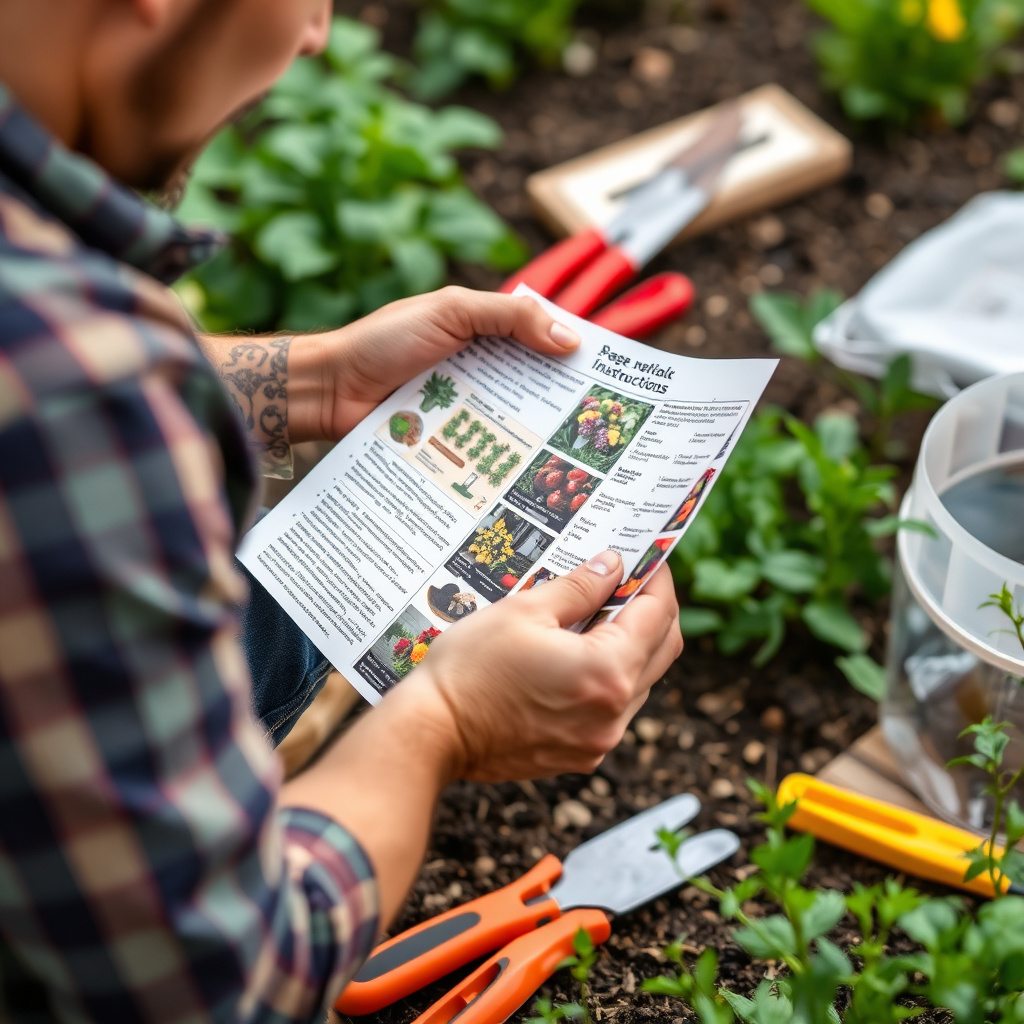
Interpreting Garden Seed Packet Information
Understanding Germination Rates and Expiry Dates
Germination rates indicate the percentage of seeds expected to sprout under ideal conditions, which helps gardeners estimate how many seeds to plant. Seed packets usually provide this as a percentage and may include an expiration date indicating seed viability.
Seeds past their expiration date may still germinate but typically with reduced success. Awareness of these details helps prevent disappointment and wasted effort.
- Germination percentage
- Seed viability period
- Expiration or pack date
Reading Symbols and Icons
Many seed packets use symbols representing sunlight needs such as full sun, partial shade, or full shade. Additional icons may indicate organic certification, heirloom status, or suitability for container gardening.
Understanding these symbols enables gardeners to match plants with garden conditions, contributing to growth success.
- Sunlight requirement icons
- Organic and heirloom symbols
- Container-friendly markings
Types of Seed Packets and Packaging Materials
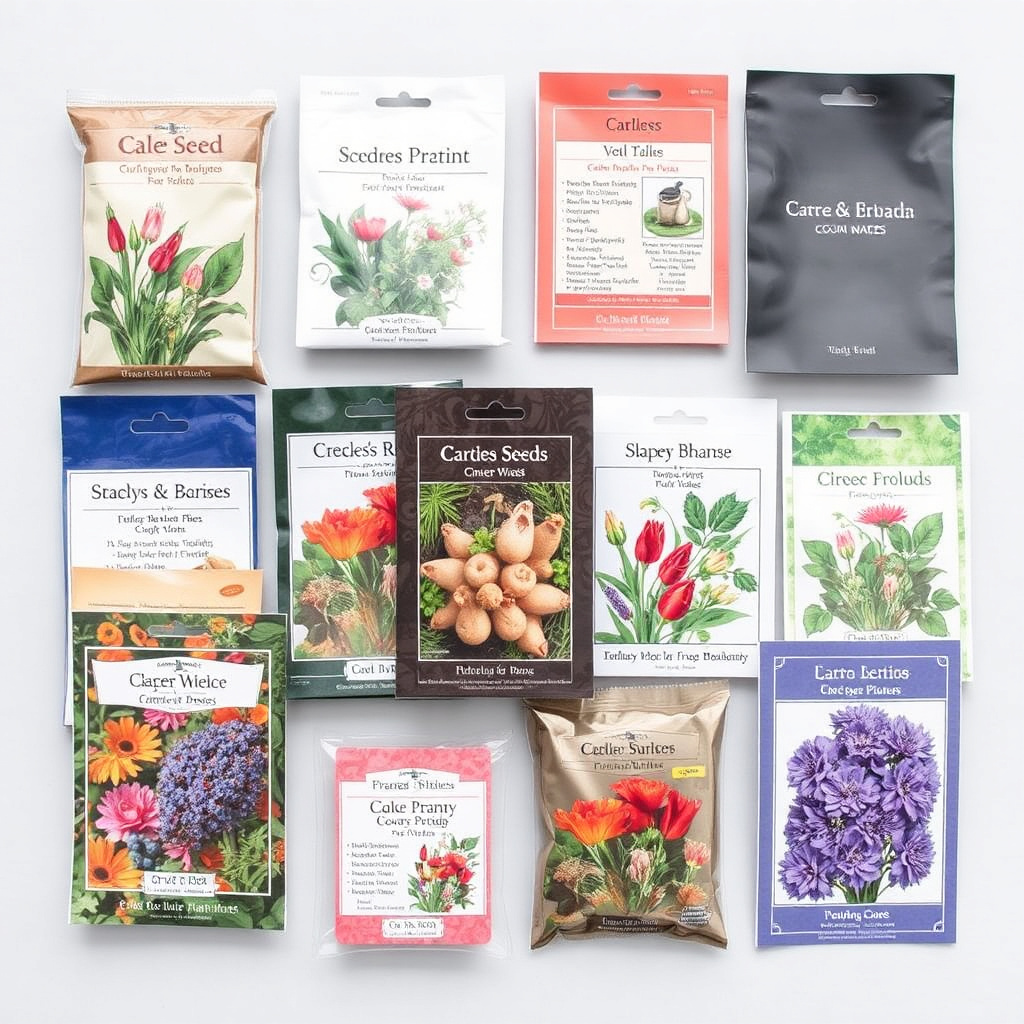
Traditional Paper and Cardboard Packets
Most seed packets are made from paper or thin cardboard, which provides affordable, lightweight packaging that can include detailed printed information. These materials are breathable, helping prevent mold and moisture buildup around seeds.
Paper packets usually have a flap or seal and vary in size based on seed quantity. Gardeners often keep these packets for reference and seed saving.
- Breathable packaging
- Cost-effective
- Easy to label and store
For more on this, see our related guide: How to Compare Seed Varieties for Successful Gardening.
Modern Plastic and Foil Packets
Some seed packets use plastic or foil to create moisture-resistant, airtight seals that extend seed shelf life. These are favored in commercial seed sales or by gardeners needing longer storage periods.
However, these materials can trap moisture if not stored properly, so users should ensure seeds remain dry to avoid premature sprouting or rot.
- Moisture-resistant
- Longer seed viability
- Requires dry storage
Using Seed Packets for Effective Gardening

Storing Seeds Safely
Proper storage of seed packets is vital to maintain seed quality until planting. Cool, dry, and dark locations reduce seed aging and prevent mold or insect damage.
Many gardeners use airtight containers or seed boxes to safeguard seed packets, labeling them by planting season or plant type to streamline garden planning.
- Store in airtight containers
- Keep in a cool, dark place
- Label for easy identification
Planning Garden Layout with Seed Packet Details
Using the spacing and growth habit information, gardeners can design efficient garden layouts that provide adequate light and air circulation for each plant. Seed packets act as guides to avoid overcrowding and reduce competition for nutrients.
This planning helps improve plant health, yield, and eases maintenance tasks throughout the growing season.
Common Seed Packet FAQs

How long do seeds in a packet stay viable?
Most seeds remain viable for 1 to 5 years depending on the species and storage conditions. Proper cool, dry storage extends longevity, but it’s best to use seeds within the recommended date on the packet.
For more on this, see our related guide: How to Read a Seed Catalog: A Complete Guide for Gardeners.
Can I reuse seed packets?
Seed packets can be reused for storing new seed harvests or organizing seeds if they are kept clean and dry. However, original planting information should be noted elsewhere once reused.
Environmental Impact and Seed Packet Sustainability

Eco-Friendly Seed Packet Options
Many seed companies now offer packets made from recycled paper or biodegradable materials to reduce environmental impact. These eco-friendly options help gardeners support sustainable practices and minimize waste.
Choosing local seed suppliers often reduces packaging and transportation footprints as well.
- Recycled paper materials
- Biodegradable packaging
- Support for local seed companies
For additional insights on seed packets and seed packaging, consult the detailed Wikipedia entry on seed packets. Seed packet details on Wikipedia.
Recycling and Disposal of Seed Packets
Paper seed packets generally can be recycled with other paper waste if dry and free of seeds. Plastic or foil packets need special handling or should be disposed of according to local recycling guidelines to avoid pollution.
Gardeners are encouraged to minimize packaging waste by saving seeds or purchasing in bulk.
- Recycle paper packets
- Check local recycling rules for plastic
- Consider seed saving to reduce waste
Seed Packet Types Category Comparison
Here’s a comparison of common seed packet types highlighting materials, storage life, and environmental impact.
| Packet Type | Material | Storage Life | Environmental Impact | Cost |
|---|---|---|---|---|
| Traditional Paper | Paper/Cardboard | 1-3 years | Recyclable, biodegradable | Low |
| Plastic | Plastic Film | 3-5 years | Non-biodegradable, recyclable varies | Medium |
| Foil | Aluminum Foil | 4-6 years | Difficult to recycle, wasteful | High |
| Biodegradable | Recycled Paper/Compostable | 1-3 years | Environmentally friendly | Medium |
Frequently Asked Questions
What information does a seed packet usually contain?
A seed packet typically lists the plant type, seed variety, planting instructions, germination rate, expiration date, and sunlight and spacing requirements.
Can seed packets protect seeds from moisture?
Some seed packets use moisture-resistant materials like plastic or foil to protect seeds, but most standard paper packets rely on dry storage to keep seeds safe.
How should seed packets be stored for best results?
Store seed packets in cool, dry, and dark places, ideally in airtight containers, to maintain seed viability until planting time.
Are organic seeds labeled differently on seed packets?
Yes, organic seeds usually have certification logos or specific labeling to indicate they have been grown without synthetic chemicals.
Is it possible to reuse a seed packet?
Seed packets can be reused for organization but it’s important to record original seed information elsewhere to avoid confusion.
Key Takeaways
- Seed packets contain seeds along with vital planting information.
- Understanding packet instructions helps improve germination success.
- Various packet materials affect seed storage and environmental impact.
- Proper storage of seed packets extends seed viability.
Conclusion
Making thoughtful choices about seed packets involves weighing factors such as the seed variety, planting instructions, and packaging type. The main keyword, seed packet, appears in key spots to emphasize its role as a fundamental starting point for any gardener. Considering each element on the seed packet helps gardeners plan effectively, avoid common mistakes, and nurture plants successfully from seed to harvest.
For gardeners seeking reliability and sustainability, traditional paper and biodegradable seed packets provide an excellent balance of affordability and environmental responsibility. If longer seed storage is necessary, plastic or foil packets can be suitable, though they require attentive storage to prevent moisture damage. By referring to the garden seed packet information carefully, gardeners gain practical insights about timing, spacing, and conditions that fit their local climate and garden goals.
Ultimately, the best next step is to gather seed packets that match your garden’s needs, study their information, and organize them for convenient access. Preparing the planting site and planting according to packet guidelines will put you on a clear path toward a thriving garden. Revisit seed packet details each season to refine your approach and grow with confidence.