Are Autoflower Seeds Legal? Understanding the Legal Status in 2024
Are autoflower seeds legal depends heavily on your country and local regulations. In many jurisdictions, possessing or selling autoflower cannabis seeds is legal only if cannabis itself is legal, or if the seeds are not intended for illegal cultivation. This status varies greatly, from complete legality in some places to strict prohibition in others.
Understanding the legal status matters because owning or purchasing these seeds can result in fines or criminal charges if local laws prohibit them. Autoflower seeds are popular for their fast growth and ease of cultivation, making it essential to know the legal framework before deciding to buy or grow cannabis plants.
This article will explore the legality of autoflower seeds by region, explain relevant legal distinctions, discuss common regulations, and offer guidance on responsible purchasing and usage. Knowing the facts before you get autoflower seeds can help you avoid trouble and make informed choices.
Legal Status of Autoflower Seeds by Region

North America
In the United States, autoflower seed legality varies state by state. States that have legalized recreational or medical cannabis generally allow buying and possessing seeds legally. However, federal law still classifies cannabis as Schedule I, meaning seed possession can be risky especially for interstate sales.
Canada permits legal purchase and possession of autoflower seeds nationwide, linked to the Cannabis Act legalization. Mexico is in a legal gray area where personal use is decriminalized but seed sales lack a regulatory framework, making it a complex environment for buyers.
Europe
European countries present mixed laws: the Netherlands allows sale of cannabis seeds openly, including autoflower varieties, largely tolerated for personal use. Spain also permits buying seeds but prohibits cultivation outside private property.
In Germany and France, seeds are legal to purchase but cultivating autoflower plants remains illegal unless authorized for medical or research purposes. Countries with strict anti-cannabis laws prohibit seeds entirely or treat possession as a serious offense.
Understanding Legal Distinctions Around Cannabis Seeds
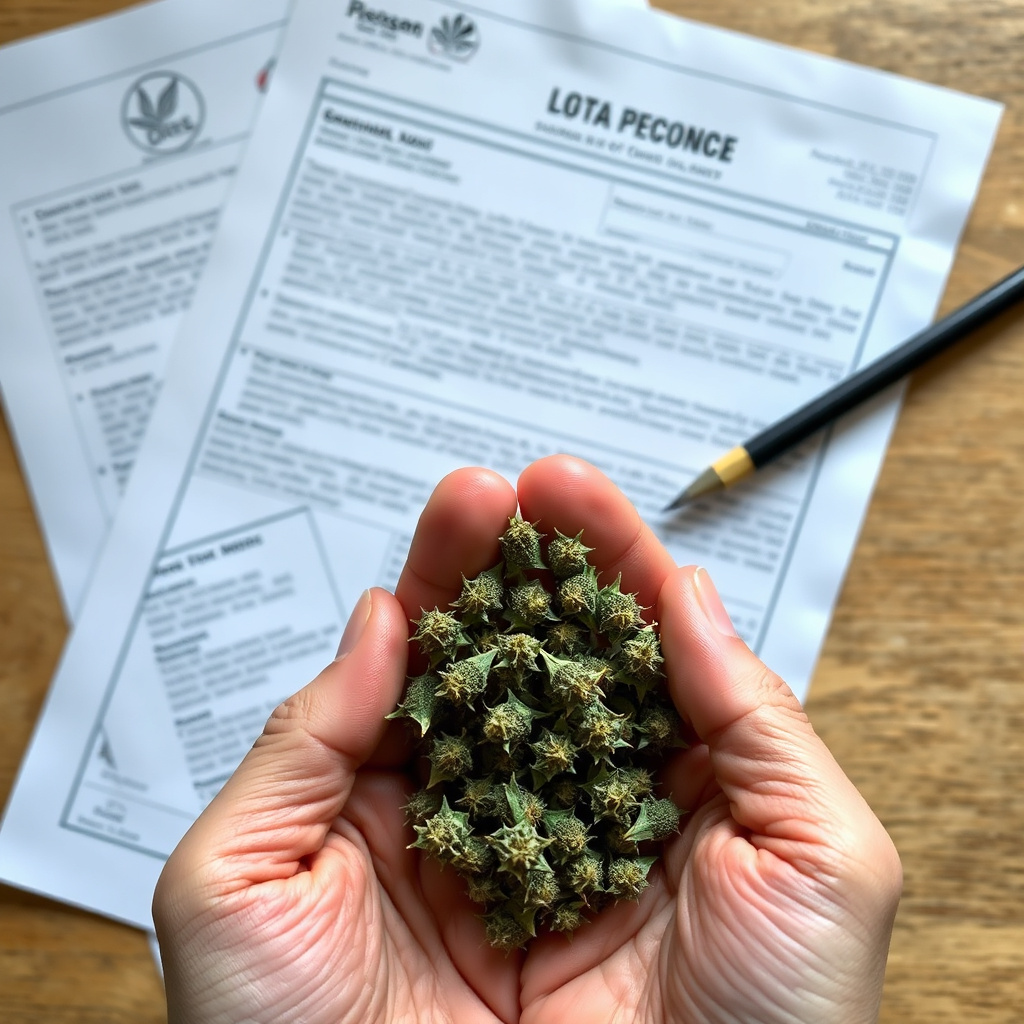
Possession vs. Cultivation
Many laws differentiate between possessing cannabis seeds and actually cultivating the plants. While possession of seeds might be allowed as mere collectibles or souvenirs, growing plants from them often crosses a legal line and triggers penalties.
It’s crucial to know this distinction in your area because owning autoflower seeds may not be punishable, but using them to grow cannabis plants could be subject to criminal charges or fines.
For more on this, see our related guide: How to Choose High CBD Cannabis Seeds for Maximum Therapeutic Benefits.
Intent and Use Considerations
Law enforcement sometimes considers the intent behind possessing seeds: if there’s evidence suggesting intent to cultivate, charges become more likely. So, buying autoflower seeds in a legal environment might be acceptable, but storing large quantities or equipment for growing might not be.
Legal definitions of intent vary and could involve factors like amount of seeds, buyer’s statements, or context of possession, influencing the likelihood of prosecution.
How to Buy Autoflower Seeds Responsibly

Choosing Licensed Vendors
To mitigate legal risks, purchasing autoflower seeds from licensed and reputable vendors is advisable. Licensed sellers usually comply with applicable laws, provide clear information on legality, and ensure traceability of products.
Trusted vendors often have transparent shipping policies indicating where they can safely ship seeds, helping buyers avoid confiscation or fines.
- Verify vendor licensing
- Check customer reviews
- Understand shipping restrictions
Researching Local Laws Before Purchase
Because autoflower cannabis seed legality varies widely, researching your region’s laws before buying seeds is essential. This may include reviewing government websites, local statutes, or consulting legal professionals.
Taking time to understand whether selling, owning, or growing seeds is permitted can save you from costly legal consequences.
- Consult local cannabis laws
- Contact legal advisors if necessary
- Avoid purchasing from unclear sources
Risks and Penalties Related to Illegal Seed Possession

Legal Penalties in Strict Regions
In countries or states with strict anti-cannabis laws, possession of autoflower seeds can lead to fines, confiscation, or imprisonment. Enforcement may be severe if authorities view seeds as evidence of intent to cultivate.
Knowing specific penalties helps buyers weigh risks and avoid inadvertently breaking the law through seemingly benign actions like seed possession.
- Fines
- Criminal charges
- Confiscation of seeds
For more on this, see our related guide: How to Choose Fast Flowering Cannabis Seeds for Quick Harvests.
Customs and Border Issues
Importing autoflower seeds across borders can trigger seizures by customs officials, especially in jurisdictions where marijuana seeds are banned completely. International mail with seeds can be intercepted causing legal complications.
Buyers should check import restrictions carefully before ordering seeds from foreign vendors to avoid penalties or loss of product.
- Customs seizures
- Import prohibitions
- Risk of package confiscation
The Role of Autoflower Seeds in Cannabis Cultivation
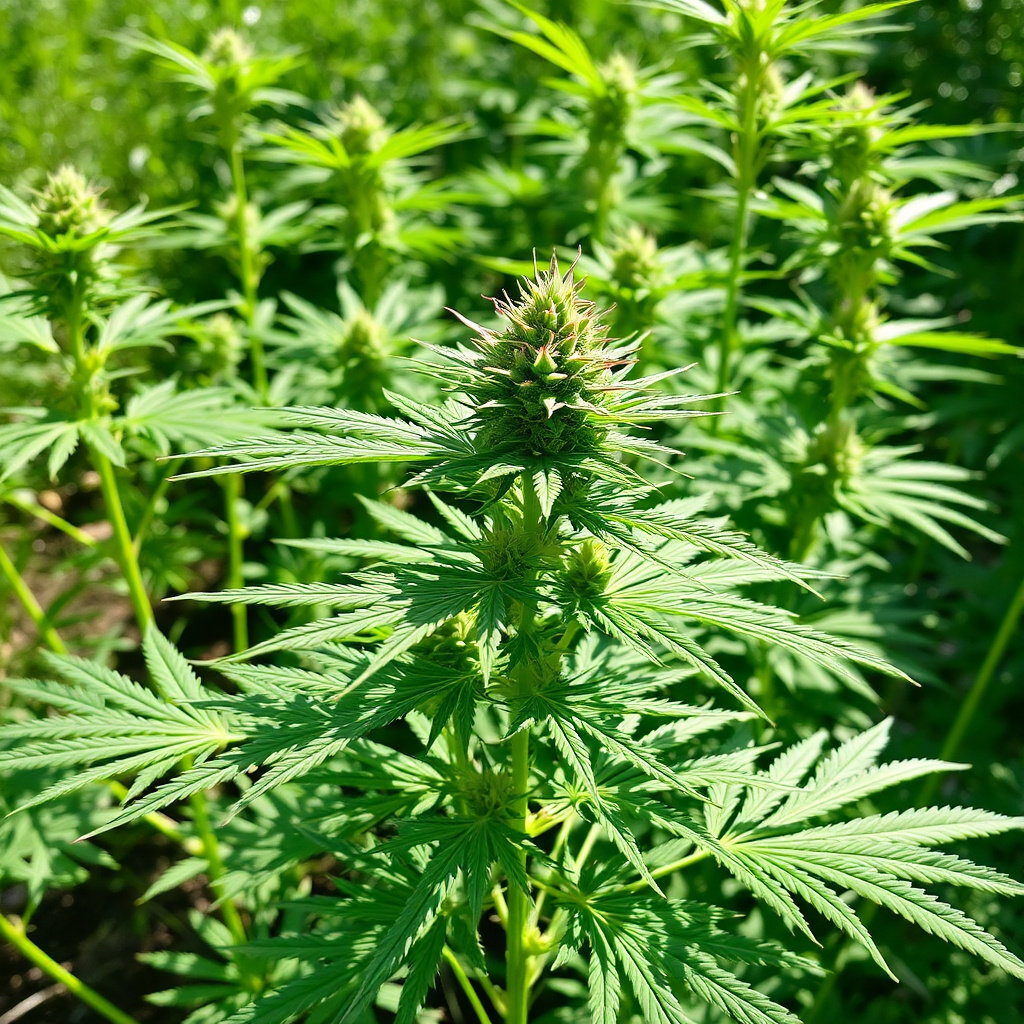
Why Autoflower Seeds Are Popular
Autoflower seeds produce plants that flower based on age rather than light cycles, allowing quicker harvests and easier cultivation. This makes them attractive for both beginners and commercial growers in legal markets.
Their resilience and short growth cycle enable multiple harvests in a year, encouraging more efficient use of space and time.
- Faster flowering time
- Suitability for various climates
- Simpler cultivation process
For a detailed perspective on cannabis seed legality worldwide, you can consult this comprehensive Cannabis seed legal status overview. Cannabis seed legal status overview.
Implications for Legal Growing
Because autoflower plants develop quickly, regulatory authorities sometimes impose stricter limits on the number of allowed plants or require additional permits. Understanding these regulations is vital for legal growers to maintain compliance.
Growing from autoflower seeds without proper licenses or permits can lead to harsher penalties compared to traditional photoperiod cannabis plants.
Comparing Autoflower Seed Legal Categories
This table compares common categories related to autoflower seed legality across different regulatory aspects.
| Category | Possession Legality | Cultivation Legality | Commercial Sale | Typical Penalties |
|---|---|---|---|---|
| Fully legal regions | Legal | Legal with permits | Legal with licenses | Minimal to none |
| Decriminalized possession | Legal or tolerated | Illegal | Illegal | Fines or warnings |
| Strict prohibition | Illegal | Illegal | Illegal | Fines, imprisonment |
| Medical-only markets | Legal with restrictions | Legal for licensed patients | Restricted | Penalties for unlicensed use |
| Gray areas | Varies | Varies | Varies | Uncertain, often fines |
Frequently Asked Questions
Can you legally grow autoflower seeds in the US?
Growing autoflower seeds legally in the US depends on your state. Some states permit cultivation for medical or recreational use with licenses, but federal laws still classify cannabis as illegal, creating risks without proper authorization.
Are autoflower seeds considered illegal drugs?
Autoflower seeds themselves are not drugs; they are plant seeds. However, because they can grow into cannabis plants, they may be regulated or restricted under drug laws depending on jurisdiction.
Is it legal to buy autoflower seeds online?
Buying autoflower seeds online is legal in some regions and illegal in others. Check your local laws carefully and only purchase from sellers that comply with regional regulations to avoid legal issues.
Can customs confiscate autoflower seeds?
Yes, customs agencies in many countries screen for cannabis seeds. If autoflower seeds are prohibited or unregulated in the destination country, they may be seized and not delivered.
What does 'autoflower' mean for legality?
'Autoflower' describes plants that flower based on age rather than light cycles. Legally, this growth trait does not change the classification of seeds, but regulations may treat all cannabis seeds equally regardless of type.
Key Takeaways
- Legality of autoflower seeds depends heavily on local and national laws.
- Possessing seeds may be legal where cultivation is not, but penalties vary.
- Purchasing from licensed vendors and researching laws reduces risk.
- Growing autoflower cannabis often requires permits in regulated regions.
Conclusion
Deciding whether to buy or possess autoflower seeds involves careful attention to the laws governing cannabis seeds in your area. Since the legality varies dramatically among countries and even states or provinces, the best approach is first to identify local regulations governing seed possession, purchase, and cultivation before taking any action. Understanding the distinction between owning seeds as collectibles versus using them to grow cannabis plants helps clarify what is permissible and what could lead to legal trouble.
If you reside in fully legal or medical-legal markets, buying and cultivating autoflower seeds can be straightforward if proper licenses or permits are in place. For those in decriminalized or gray legal zones, it may be safer to buy seeds only for collection or genetic preservation without planting. In contrast, strict prohibition regions impose harsh penalties, making both purchase and possession risky activities. Consulting available official sources or legal professionals is strongly recommended to avoid unintended violations.
Ultimately, your next step should be to confirm the status of autoflower seeds in your jurisdiction and seek out reputable, licensed vendors if purchasing is lawful. This careful, informed approach lets you navigate the legal landscape confidently and responsibly, respecting laws and enjoying the benefits of autoflower seeds if applicable. Staying informed keeps you safe and aligns with responsible cannabis practice.