How to Read Seed Reviews to Make Smart Gardening Choices
Reading seed reviews properly means looking beyond just star ratings and simple verdicts. It requires understanding what reviewers say about seed quality, germination rates, plant vigor, and growth conditions. Knowing these specifics helps you pick seeds that will thrive in your garden and meet your expectations.
Seed reviews matter because seeds sold online or in stores can vary widely in performance due to factors like freshness, storage, and source. By interpreting detailed feedback from gardeners and experts, you can avoid disappointing crop failures and instead cultivate a garden full of healthy, productive plants.
This article will walk you through the key elements to focus on when reading seed reviews, including terminology used by gardeners, how to filter trustworthy reports, and what practical insights those reviews can provide. With these skills, you’ll be equipped to choose the best seeds for gardening success.
Understanding Seed Quality from Reviews

Identifying Germination Rates in Review Comments
Germination rate indicates the percentage of seeds expected to sprout under ideal conditions. In reviews, look for mentions of which batches sprouted quickly and how many seeds failed to germinate. Reviewers often note if seeds took longer than expected to pop or didn’t germinate at all.
Some seed sellers provide germination rates on packaging, but real-world feedback in reviews can confirm how accurate these rates are. Pay attention to trends—if many reviewers say the germination was poor, it might signal issues with seed freshness or storage.
- Look for phrases like 'high germination,' 'most seeds sprouted,' or 'many duds'
- Note if unusual weather or soil conditions affected results
- Cross-check seller-provided rates with user experiences
Assessing Seed Purity and Authenticity
Reviewers often share whether the seeds grew into the advertised plant varieties. Mislabeling or mixing of seed types can cause disappointment if you end up with different plants than expected. Comments about true-to-type plants are valuable clues.
If you see repeated reports of off-type seedlings or strange plant traits, this indicates possible purity problems. Reputable sellers maintain high purity standards, so consistent positive feedback usually confirms seed authenticity.
- Identify keywords like 'true to type,' 'consistent plants,' or 'off-type seedlings'
- Consider reviewers’ gardening experience for trustworthiness
- Verify if seeds meet certification or organic labels if relevant
Interpreting Growth Performance and Plant Health
Review Insights on Plant Vigor and Yield
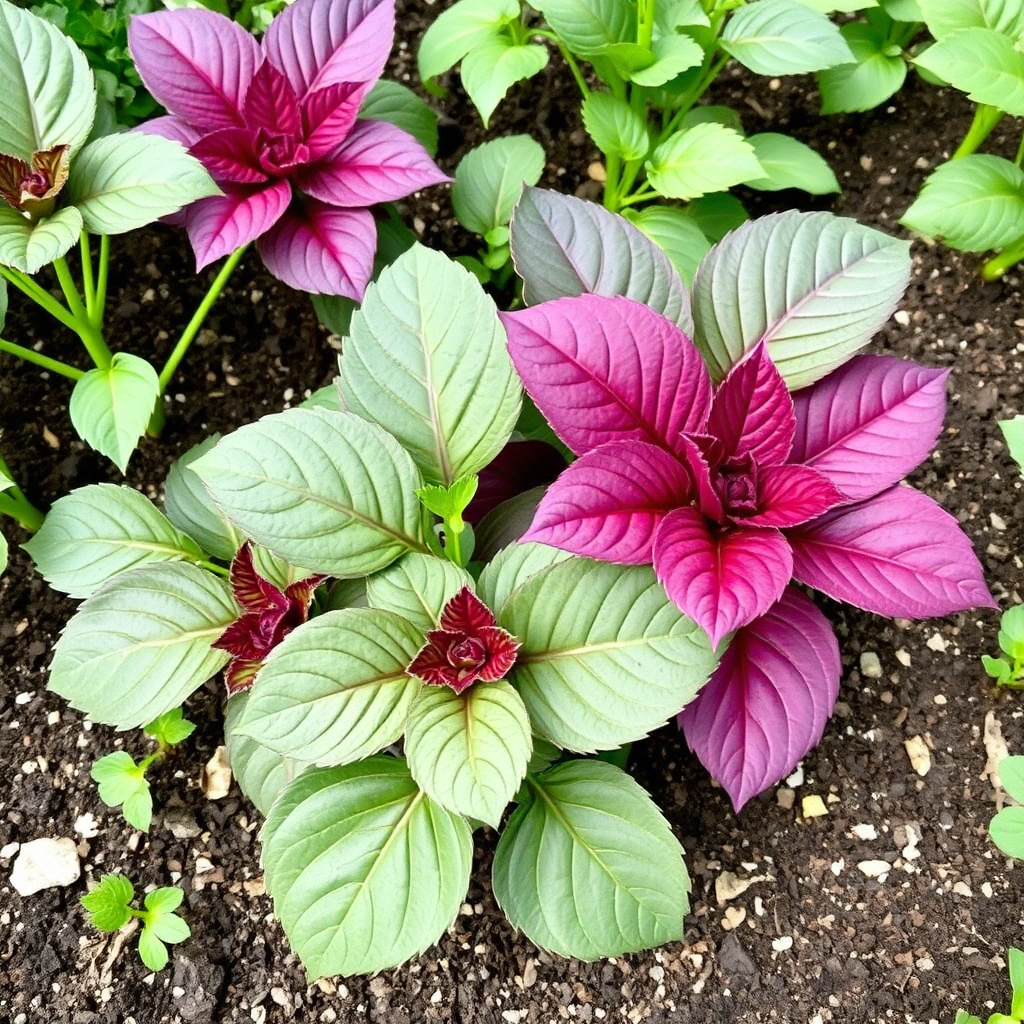
Many seed reviews describe how robust the plants were, including growth rate, leaf size, and overall vigor. Seedlings that grow slowly or appear weak may reflect seed quality or unsuitable conditions. Yield notes can show if the seeds live up to expectations.
Focus on reviews mentioning plant productivity and how many fruits or vegetables each plant produced. This helps you anticipate the harvest size and value you’ll get from the seeds.
- Look for terms like 'fast growers' or 'heavy yielding' plants
- Beware of reports describing stunted or diseased plants
- Correlate yield comments with your local climate and soil
For more on this, see our related guide: How to Read Cannabis Strain Descriptions to Find Your Perfect Match.
Evaluating Disease Resistance through Reader Feedback
Some seed reviews include notes on how well plants resisted local pests and diseases. Disease-resistant varieties can save gardeners time and chemical inputs. If many users praise a seed’s disease tolerance, it likely reflects strong genetics.
Keep in mind that environmental factors influence disease pressure; a plant resistant in one region might struggle in another. Look for consensus among reviewers with similar climates for the best insight.
- Scan for observations about mold, mildew, or pest damage
- Assess whether disease resistance claims match your region
- Consider combining resistant seeds with good gardening practices
Filtering Reliable Versus Biased Seed Reviews

Spotting Genuine User Experiences
Authentic reviews often contain detailed growth timelines, photos, and mention specific conditions. Generic positive phrases or overly vague praise may indicate less trustworthy feedback. Look for descriptions of problems faced and how they were solved.
Longer reviews that share both pros and cons usually reflect careful personal experience rather than promotional hype. Such transparency helps gauge seed performance more accurately.
- Check for review length and detailed observations
- Beware of reviews with repetitive or generic language
- Validate legitimacy by cross-referencing multiple sources
Recognizing Sponsored or Fake Seed Reviews
Some sellers may post or incentivize fake reviews to boost their ratings. Signs include multiple reviews posted on the same day, highly repetitive wording, or uniformly perfect ratings without criticism.
Use independent gardening forums or community groups to find honest seed feedback. Reviews from experienced growers tend to be more trustworthy and balanced than those found only on retail platforms.
- Look for patterns of suspiciously positive reviews
- Check reviewer profiles for history and credibility
- Prioritize feedback from gardening-specific websites or groups
Using Seed Reviews to Match Your Garden Conditions

Understanding Climate and Soil Suitability from Reviews
Many seed reviews mention the climate zone and soil type where the seeds were tested. This information is crucial to predict whether the seeds will perform well in your garden’s environment.
Focus on reviewers located in areas similar to yours. Seeds that thrive in a warm, dry region might struggle in cooler or wetter zones, so these details help you avoid unsuitable choices.
- Note sunlight exposure and moisture requirements mentioned
- Match reviewer garden zones to your local USDA hardiness zone
- Use soil type comments to identify necessary amendments
For more on this, see our related guide: Can Old Cannabis Seeds Still Germinate? A Practical Guide.
Learning From Season Timing and Planting Tips in Reviews
Seed reviews often include timing advice for sowing, transplanting, and harvesting. These insights can improve your planting schedule and overall crop success by aligning with seasonal conditions.
Reviewers might share tips on soaking seeds, stratification, or indoor starting techniques. These practical notes help gardeners maximize germination and early growth chances.
- Compile recommended sowing dates from multiple reviews
- Consider humidity and temperature tips for seed treatments
- Try suggested mulch or fertilizer applications to boost outcomes
Comparing Seed Varieties Based on Review Feedback

Evaluating Popular Varieties Through Review Trends
Popular seed varieties accumulate numerous reviews, which reveal consistent strengths and weaknesses. Mining this data helps differentiate between similarly rated seeds and find the best fit for your goals.
Look at summary ratings but place more weight on detailed feedback about growth habits, disease resistance, and flavor or appearance if edible.
- Review trends for varieties like heirloom tomatoes, zucchini, or peppers
- Filter out outlier reviews that differ drastically from the majority
- Compare varieties recommended for beginners versus advanced gardeners
For a comprehensive overview of seeds and their biological importance, see the detailed Seed article on Wikipedia. Seed.
Balancing Heirloom and Hybrid Seed Reviews
Heirloom seeds often attract detailed reviews discussing flavor and uniqueness, but they may have lower yields or disease resistance. Hybrid seeds usually score higher in vigor and uniformity but lack the heritage traits some gardeners value.
Seed reviews can help balance these trade-offs by providing real-world performance evidence. Decide what traits you prioritize and look for reviews that align with those preferences.
- Note flavor and appearance praises typical for heirlooms
- Check yield and disease resistance ratings common in hybrids
- Consider if seed saving or replanting is part of your plan
Seed Review Types and Their Usefulness
The table below contrasts types of seed reviews to help you identify which provide the most valuable insights for your gardening needs.
| Review Type | Detail Level | Trustworthiness | Best Use Case |
|---|---|---|---|
| Short Star Ratings | Low | Low | Quick overall impression |
| Detailed User Reports | High | High | In-depth performance and issues |
| Expert Reviews/Blogs | Medium | Medium-High | Professional analysis and trends |
| Sponsored/Promotional Reviews | Low | Low | Marketing purposes, less reliable |
Frequently Asked Questions
How can I tell if a seed review is trustworthy?
Trustworthy reviews typically provide detailed, specific experiences, mention growing conditions, and balance pros and cons rather than just saying 'good' or 'bad.'
What does germination rate mean in seed reviews?
Germination rate describes the percentage of seeds that successfully sprout. Reviews often report if the actual sprouting matched seller claims or if many seeds failed to grow.
Should I trust reviews from seed sellers' websites?
While useful, seller websites can have biased or fake reviews. Cross-check feedback with independent gardening forums or community groups for more balanced opinions.
Do seed reviews cover disease resistance reliably?
Yes, many reviewers report how plants resist common pests and diseases in their area, but results can vary regionally based on local conditions.
How important is climate information in seed reviews?
Climate details are important because seeds perform differently depending on temperature, humidity, and sunlight. Choose seeds proven to thrive in conditions similar to your garden.
Key Takeaways
- Focus on detailed descriptions rather than just ratings.
- Check germination and true-to-type reports carefully.
- Match seed performance reviews to your local climate.
- Beware of fake or overly promotional reviews.
Conclusion
Reading seed reviews critically involves focusing on detailed user experiences, especially regarding germination rates, plant vigor, and authenticity. This approach helps separate genuine feedback from generic praise or misleading claims. By paying attention to specifics like climate matches and disease resistance, gardeners can confidently select seeds more likely to succeed in their settings. Thoughtful interpretation of reviews diminishes the risk of wasting time and resources on poor-quality seeds.
When choosing seeds, consider the type of plants you want—heirloom for unique flavors and appearance, or hybrids for higher yields and disease tolerance. Reviewers often provide firsthand accounts that highlight these trade-offs in real-world gardens. Those prioritizing easy, reliable performance should focus on hybrid seed reviews indicating vigor and pest resistance. Conversely, gardeners seeking heritage varieties can rely on detailed heirloom reviews emphasizing plant characteristics and taste.
As a practical next step, start by researching seeds recommended for your USDA hardiness zone and read multiple detailed reviews from both gardening websites and community groups. Avoid solely relying on short star ratings or potentially biased seller reviews. Combining well-verified seed review insights with your local gardening knowledge will improve your chances of nurturing a thriving garden full of healthy, productive plants.