How to Fix Yellow Leaves on Plants: Simple Solutions for Healthy Green Growth
Yellow leaves on plants indicate an underlying issue often related to water, light, nutrients, pests, or diseases. To fix yellow leaves on plants, start by identifying the cause—whether it's overwatering, underwatering, nutrient deficiency, or pest infestation—and adjust care routines accordingly. Immediate steps include checking soil moisture, inspecting for pests, and reviewing your plant's light exposure.
This matters because yellowing leaves reduce photosynthesis and can signal a decline in overall plant health, eventually leading to weaker growth or death if untreated. Recognizing the signs early helps you take targeted actions rather than guessing, saving time and keeping plants thriving.
In this article, we will explore common reasons behind yellow leaves, practical troubleshooting methods, how to treat yellow leaf symptoms effectively, and specific care tips to prevent future problems. You'll also find comparisons of treatment approaches and answers to frequently asked questions about plant leaf yellowing.
Understanding the Causes of Yellow Leaves on Plants
Watering Issues: Overwatering and Underwatering
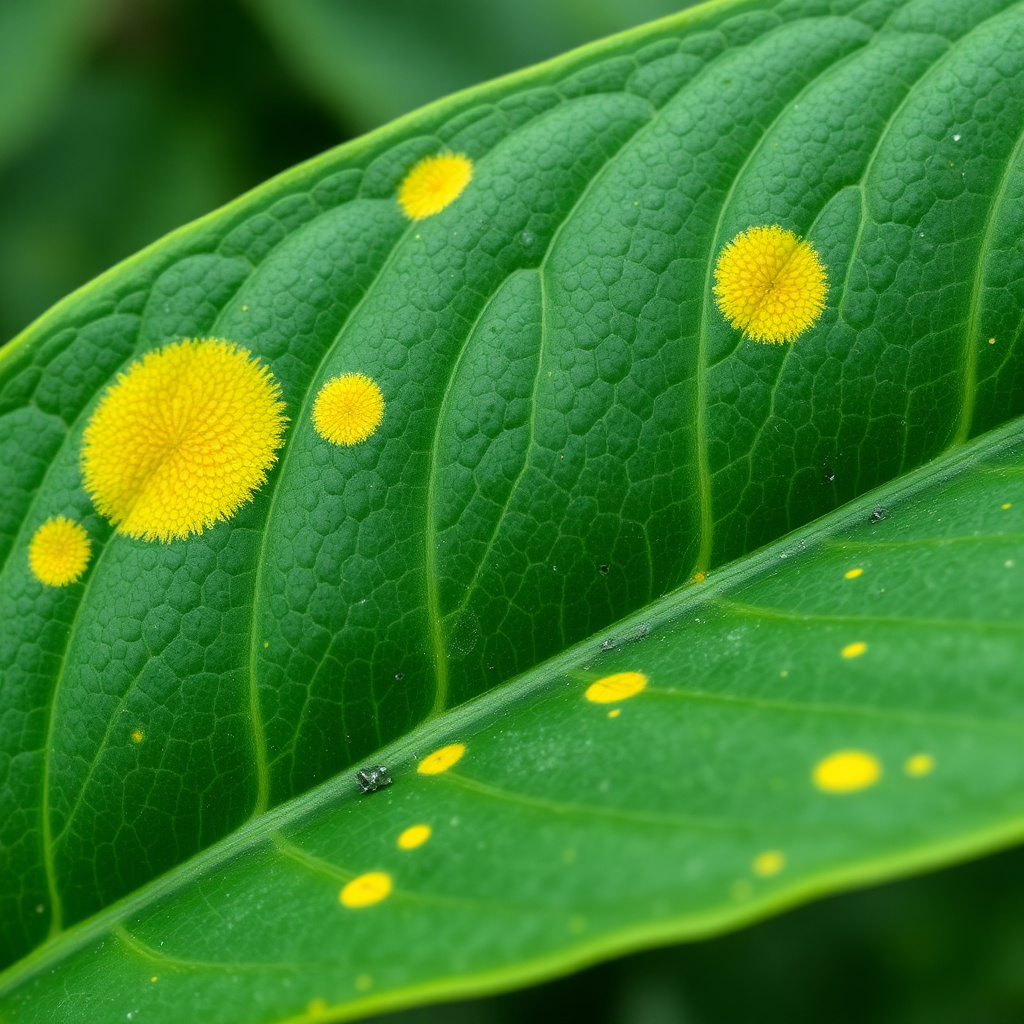
Excess water floods the roots, leading to oxygen deprivation and root rot, which cause leaves to yellow and wilt. Conversely, underwatering results in dehydration, making leaves dry, brittle, and yellow around the edges.
Balancing watering schedules tailored to your specific plant species and soil type helps prevent these problems. Checking soil moisture before watering is essential to avoid over or underwatering.
- Use a moisture meter to gauge soil dampness
- Water only when the top inch of soil feels dry
- Ensure pots have proper drainage holes
Light Exposure and Its Impact on Leaf Color
Plants adapted to shady conditions may develop yellow leaves when exposed to too much direct sunlight as their chlorophyll breaks down. On the other hand, low light can weaken plants, causing leaves to pale and yellow.
Placing your plant in appropriate light conditions, either indirect bright light or filtered sunlight, depending on species requirements, will maintain healthy leaf pigmentation including preventing the problem of yellowing.
- Identify the light needs of your specific plant
- Avoid placing shade-loving plants in direct midday sun
- Use sheer curtains to filter harsh light indoors
Nutrient Deficiencies and Soil Issues
Common Nutrient Deficiencies Causing Yellow Leaves
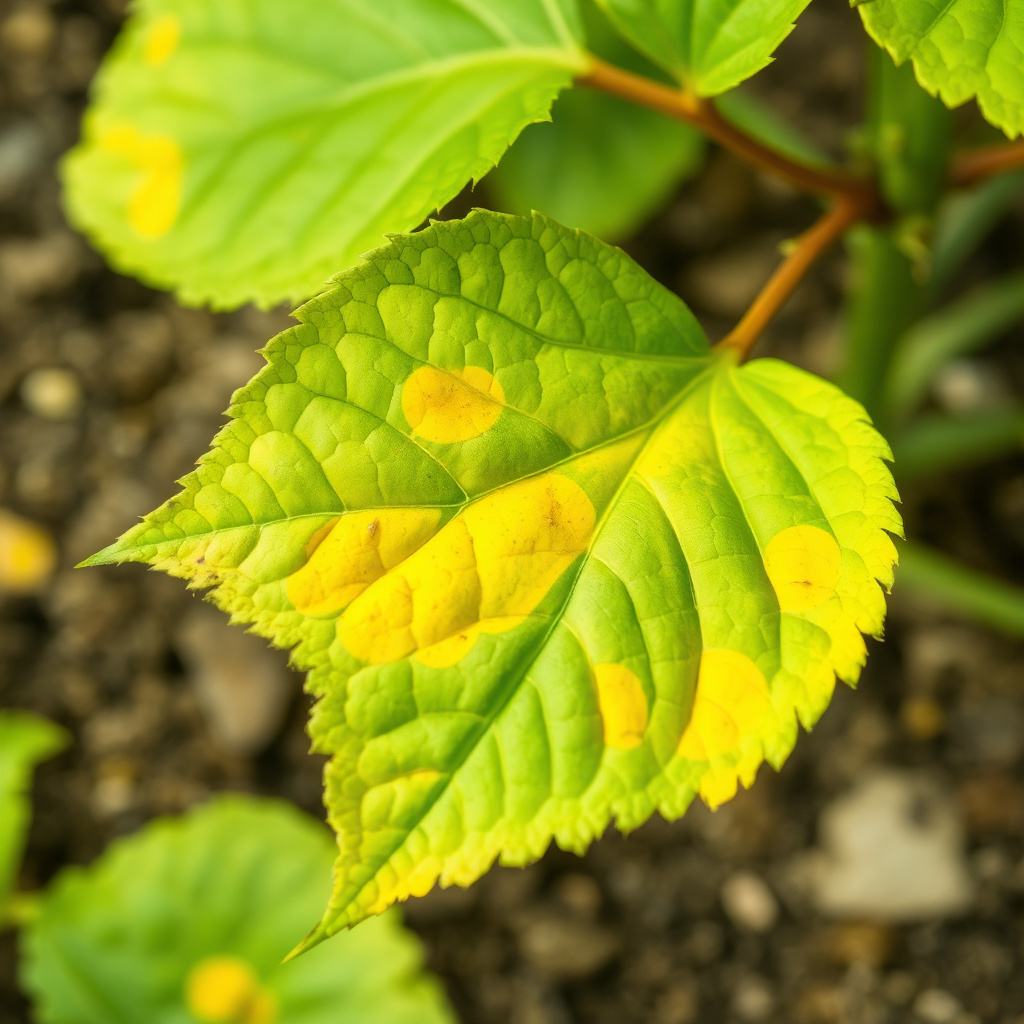
Nitrogen deficiency typically causes overall yellowing as it is crucial for chlorophyll synthesis. Iron deficiency produces yellow leaves with green veins, a condition known as chlorosis.
Identifying which nutrient is missing can be done by observing leaf patterns and testing soil. Applying the correct fertilizer restores nutrient balance and reverses yellowing symptoms.
- Use a balanced, water-soluble fertilizer
- Consider chelated iron supplements for iron chlorosis
- Avoid over-fertilizing to prevent nutrient burn
Soil pH and Its Role in Leaf Health
Soil pH affects how well plants absorb nutrients. If the pH is too acidic or alkaline, nutrients become unavailable, causing leaf yellowing even if nutrients are present.
Testing soil pH and adjusting it with lime to raise pH or sulfur to lower pH can improve nutrient uptake and reduce yellow leaf symptoms.
- Use a reliable soil pH test kit
- Amend soil gradually to avoid shocking plants
- Match soil pH adjustments to your plant species requirements
Pests and Diseases That Lead to Yellow Leaves
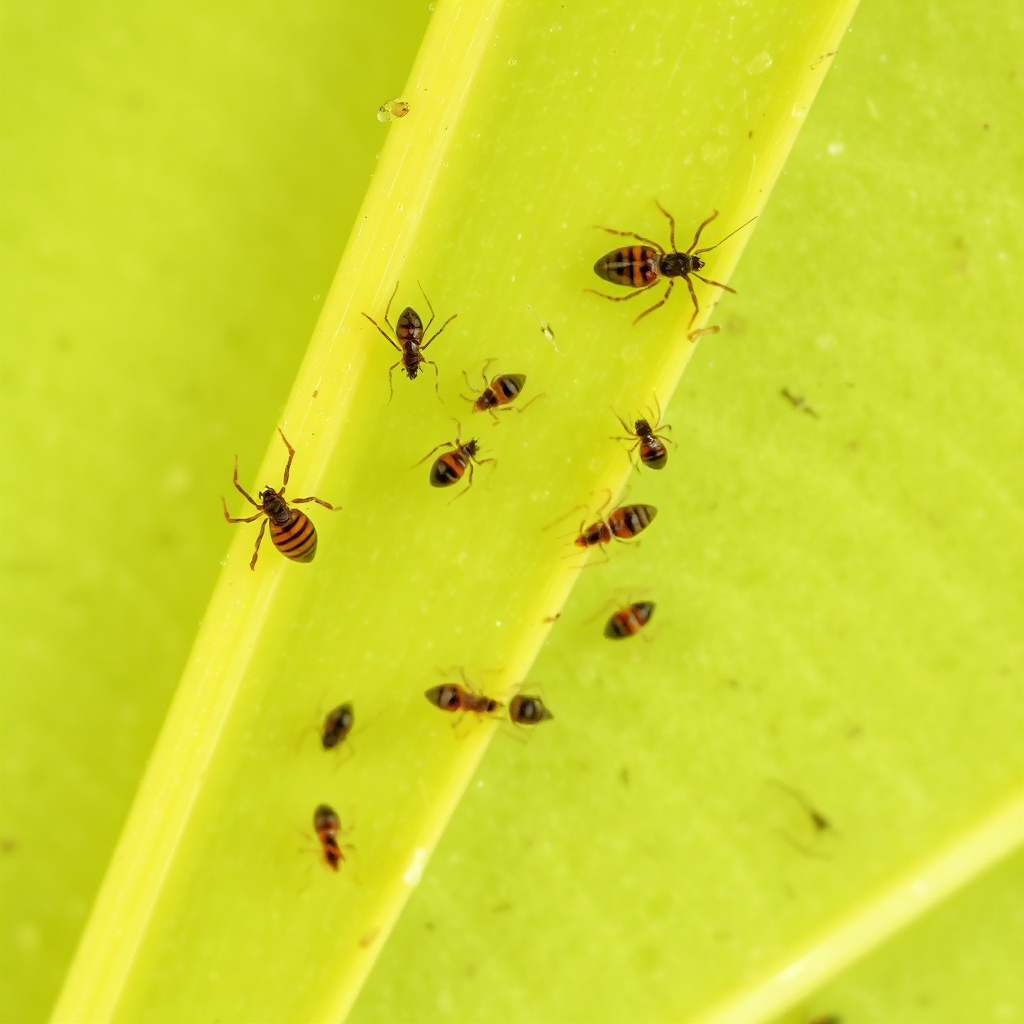
Identifying Common Pests Responsible for Yellow Leaves
Spider mites suck sap causing stippling and yellowing, while aphids and whiteflies weaken plants by feeding and transmitting diseases. Early detection using magnification and regular inspection helps limit damage.
Treatment includes mechanical removal, insecticidal soaps, or neem oil applications, minimizing chemical use and promoting plant recovery.
- Inspect undersides of leaves regularly
- Use sticky traps to monitor infestations
- Introduce beneficial insects like ladybugs
For more on this, see our related guide: How to Prevent Root Rot in Plants: Effective Strategies for Healthy Growth.
Fungal and Bacterial Diseases Causing Leaf Yellowing
Diseases like root rot, leaf spot, and blight result in discolored, yellowing leaves along with spots or wilting. These often stem from poor air circulation and excess moisture.
Preventive fungicide use, removing infected foliage, and improving airflow reduce the risk and severity of these diseases.
- Avoid overhead watering
- Prune crowded branches for better airflow
- Sterilize pruning tools to prevent spread
How to Treat and Revive Plants with Yellow Leaves

Pruning and Removing Yellow Leaves Effectively
Carefully trimming yellow leaves helps redirect the plant’s energy to healthy growth and improves aesthetics. Use clean, sharp tools to avoid damaging the plant and spreading disease.
Remove only fully yellow or severely damaged leaves, while leaving partially yellow leaves if the plant is recovering to allow continued photosynthesis.
- Sterilize scissors before and after use
- Cut close to the stem without harming healthy tissue
- Dispose of yellow leaves away from other plants
Adjusting Care Routines for Recovery
Modify watering, lighting, and feeding schedules based on the identified cause of yellowing and monitor the plant’s response carefully over several weeks.
Consistency is key: avoid rapid, drastic changes which stress the plant further and be patient as healthy new leaves replace yellow ones.
- Water deeply but less frequently to encourage root growth
- Provide stabilized temperature and humidity
- Use appropriate fertilizers regularly
Preventing Yellow Leaves: Best Practices
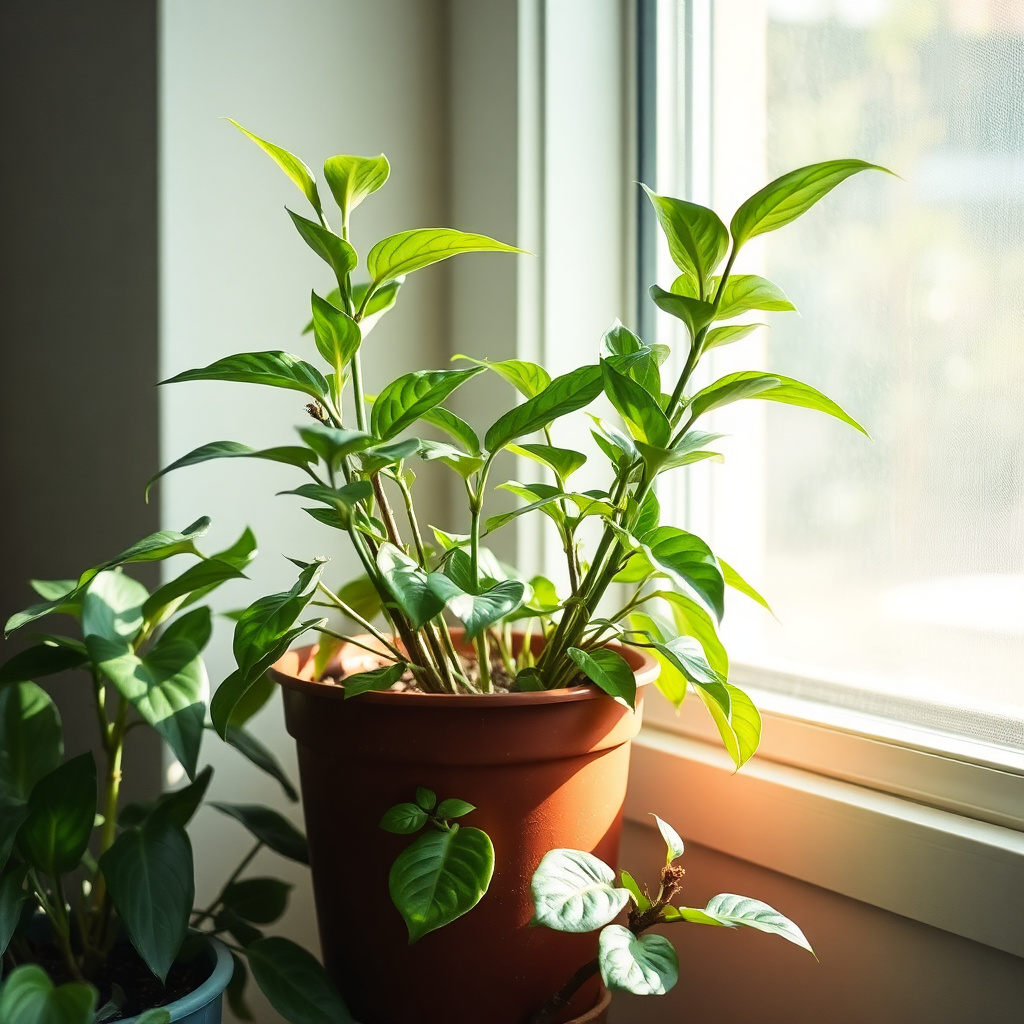
Monitoring Environmental Conditions Regularly
Temperature, humidity, and light levels significantly influence plant health. Using hygrometers and light meters helps maintain ideal growing conditions and prevents stress-related yellowing.
Routine checks prevent problems from escalating, allowing early interventions.
- Keep plants away from drafts and heating vents
- Maintain humidity around 40-60% for most houseplants
- Rotate plants periodically for even light exposure
For more on this, see our related guide: How to Fix Overwatered Cannabis Plants: Effective Recovery Tips.
Routine Plant Health Care and Maintenance
Regularly feeding, repotting, and pest scouting promote vigorous growth and resilient leaves less prone to yellowing. Proper sanitation also minimizes disease risks.
A simple care calendar helps track watering, fertilization, and cleaning schedules.
- Repot every 1-2 years in fresh soil
- Clean leaves gently to remove dust
- Apply organic mulch to retain moisture
Specific Treatments for Popular Plants with Yellow Leaves
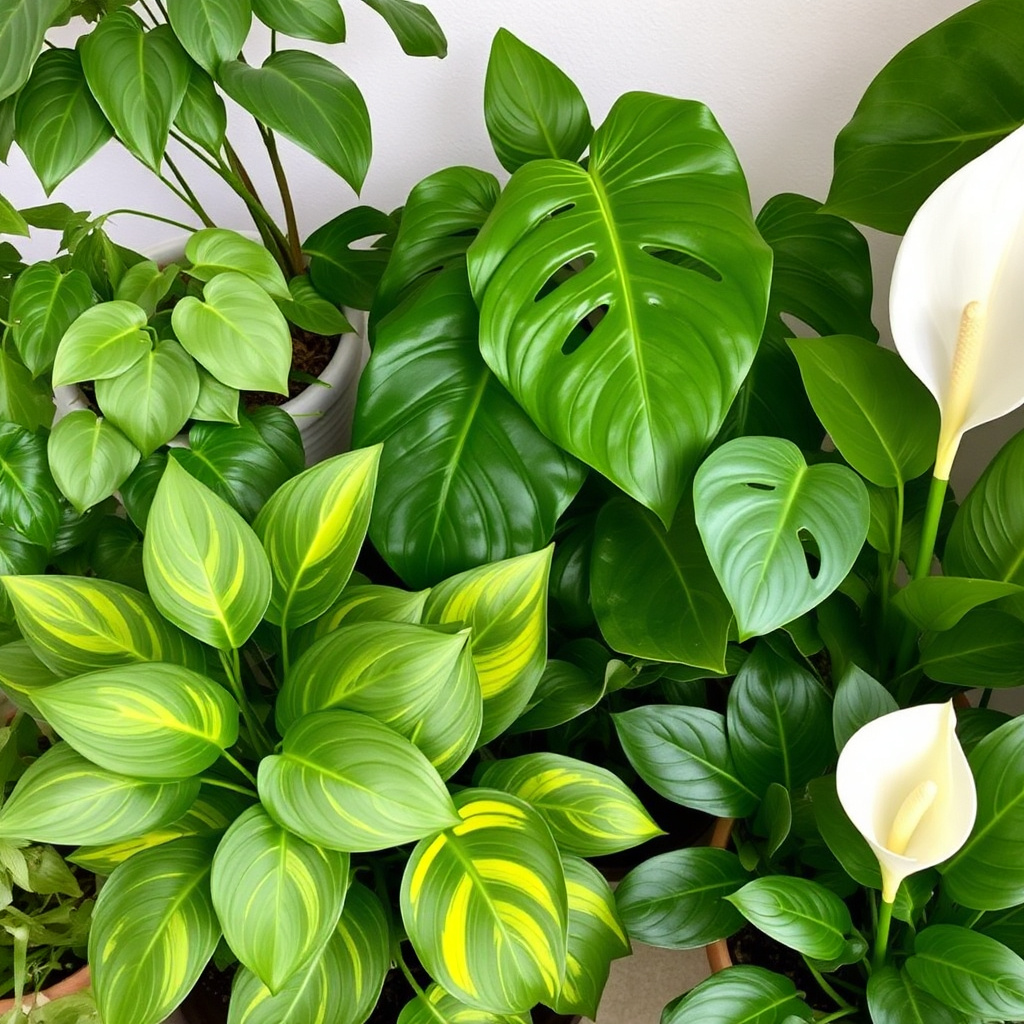
Treating Yellow Leaves on Tropical Houseplants
Tropical plants such as fiddle leaf figs and monsteras often suffer yellow leaves from inconsistent watering or low humidity. Addressing these factors alongside feeding helps restore foliage health.
Using misting and grouping plants can increase humidity, while slow-release fertilizers provide steady nutrition.
- Water when top inch of soil dries out
- Maintain indoor humidity above 50%
- Avoid direct intense sunlight
For a detailed scientific explanation of leaf yellowing and related plant diseases, see this resource on plant leaf yellowing causes and treatments. plant leaf yellowing causes and treatments.
Handling Yellow Leaves on Outdoor Garden Plants
In gardens, yellow leaves often arise from soil nutrient depletion or pest attacks. Soil testing, organic fertilization, and integrated pest management control the underlying causes.
Mulching retains soil moisture and regulates temperature, supporting healthier leaf color.
- Apply compost or balanced organic fertilizer
- Inspect plants weekly for pests
- Use neem oil or insecticidal soaps as needed
Comparison of Yellow Leaf Treatment Methods
This table compares the main categories of treatments for yellow leaves, highlighting their ideal use cases and limitations.
| Treatment Type | Best For | Advantages | Disadvantages |
|---|---|---|---|
| Watering Adjustment | Most plants with over or underwatered symptoms | Simple, low cost, effective for root-related yellow leaves | Requires accurate moisture assessment |
| Nutrient Supplementation | Deficiencies causing chlorosis or pale yellowing | Targets root nutrient uptake issues | Risk of over-fertilizing if misapplied |
| Pest and Disease Control | Yellowing from insect damage or infection | Halts damage and promotes recovery | May require repeated applications and monitoring |
| Pruning Yellow Leaves | All plants with damaged or dead foliage | Improves aesthetics and plant energy focus | Does not fix underlying cause alone |
| Environmental Modifications | Plants stressed by light, temperature, humidity | Prevents reoccurrence and strengthens plant | Sometimes requires equipment or space changes |
Frequently Asked Questions
Why are my plant's leaves turning yellow but not falling off?
Yellow leaves that remain attached often signal mild stress such as minor nutrient deficiency or inconsistent watering. Leaves may recover green tones if conditions improve, so careful attention to care is essential.
Can yellow leaves on plants turn green again?
Yellow leaves typically do not revert to green once discolored; however, correcting the cause promotes healthy new growth with vibrant green leaves replacing the yellow ones over time.
How often should I water if I see yellow leaves?
Water frequency depends on plant species and soil but generally, allow the top inch of soil to dry between watering to avoid both over and underwatering, which cause yellow leaves.
Are chemical treatments necessary to fix yellow leaves?
Not always. Many yellow leaf issues respond well to proper watering, fertilizing, and environmental adjustments. Chemical pesticides or fungicides are recommended only if pests or diseases are confirmed.
Does repotting help with yellow leaves?
Repotting can improve root health by providing fresh soil and more space, which often alleviates yellow leaves caused by root bound conditions or depleted nutrients.
Key Takeaways
- Yellow leaves signal watering, nutrient, light, pest, or disease problems requiring targeted care.
- Correct watering and lighting prevent the majority of yellow leaf issues.
- Nutrient deficiencies need proper diagnosis for effective yellow leaf treatment for plants.
- Pest control and pruning damaged leaves support overall plant recovery and health.
Conclusion
Addressing yellow leaves on plants calls for a practical approach focused on diagnosing the immediate cause rather than guessing. A step-by-step assessment of watering habits, light conditions, soil nutrients, and checking for pests reveals the source. Adjusting watering schedules precisely and providing the right type and amount of light are foundational to resolving the problem. Nutrient balancing with fertilizers or soil amendments is vital when deficiencies are the reason behind the yellowing, while vigilant pest and disease control protects plant vitality. Recognizing what the yellow leaf symptoms indicate about the plant’s stress level is key to avoiding repeated issues and ensuring long-term health.
For indoor plants like tropical houseplants, maintain stable humidity levels above 50% and carefully adjust watering to avoid wet or dry extremes. Slow-release fertilizers paired with appropriate lighting prevent nutrient-related yellowing. In garden environments, soil testing guides organic fertilizer use, and mulching conserves moisture for healthier roots, while regular pest scouting enables early treatment. Simple pruning of yellow leaves supports the plant’s energy focus, but always accompany it with care adjustments so new growth can flourish green and strong. Utilizing a combination of environmental modifications and care practices offers a balanced plan for recovery and growth.
The next practical step is monitoring your plant closely after implementing these changes. Document watering and feeding routines, and watch how your plant responds over several weeks. If yellow leaves persist despite adjustments, consider consulting a local extension office or plant specialist for a soil test or pest identification. Consistency and patience will restore your plant’s vibrancy, turning yellow leaves into a valuable signal for better care rather than just a problem.