How to Water Seedlings for Healthy Growth
Watering seedlings correctly means providing consistent moisture without soaking or drying out the soil. The goal is to keep the soil evenly damp so roots can establish and grow strong. Overwatering can suffocate roots and cause root rot, while underwatering leads to drying and stunted growth. Using a gentle watering method and monitoring moisture levels are key steps.
Proper watering matters because seedlings are delicate; their tender roots and developing stems are vulnerable to water stress and fungal diseases. Starting seedlings with the right moisture balance encourages vigorous growth, healthier plants, and better transplant success. Getting water amounts and timing right supports nutrient uptake and prevents common problems faced by new growers.
This article covers everything you need to water seedlings successfully. You’ll learn about the best watering practices, how to choose watering tools, what to watch out for, and how seedling watering needs change as plants grow. Whether you’re growing indoors or outdoors, these tips will help your seedlings thrive.
Understanding Seedling Water Requirements
Why Consistent Moisture Is Critical
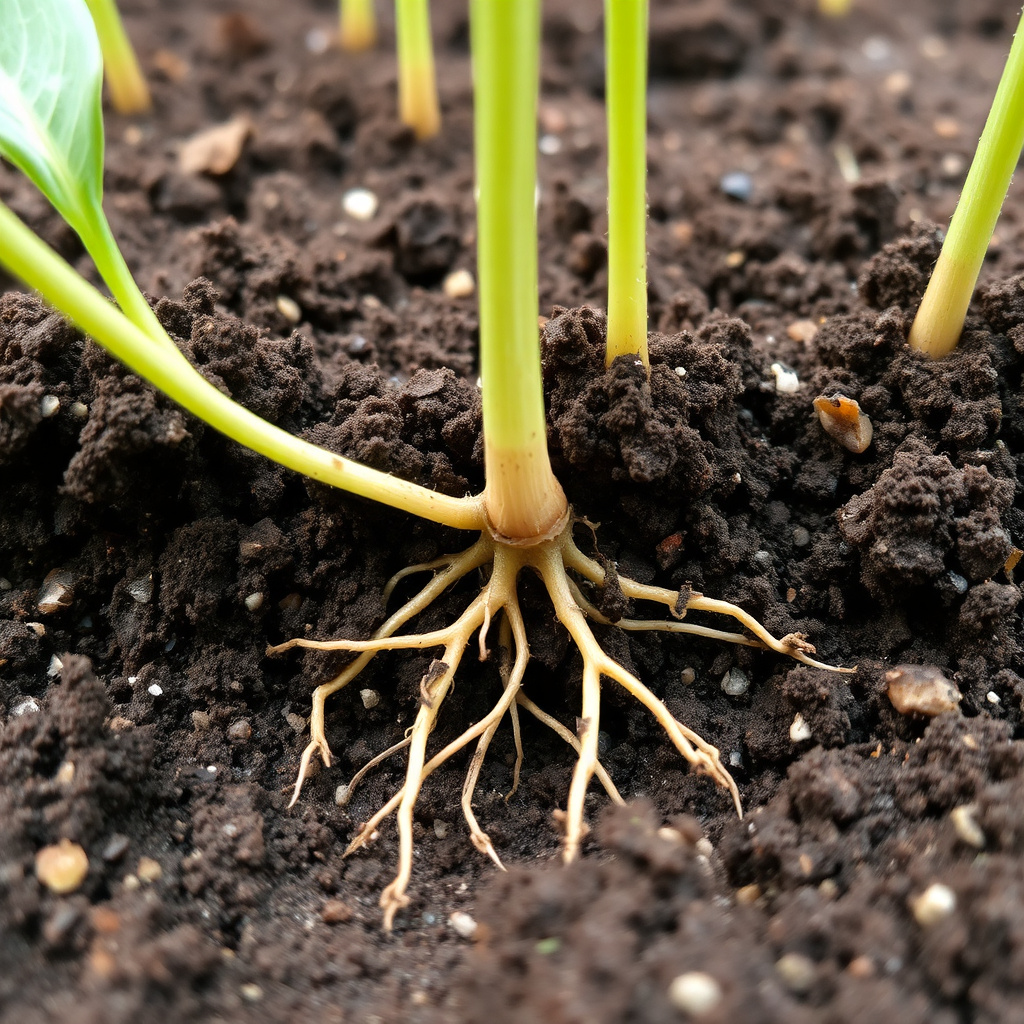
Seedlings require soil that stays consistently moist without being wet. This balance helps roots absorb oxygen and nutrients effectively. When soil dries out even briefly, seedlings can suffer stress that slows growth or causes leaves to wilt. Wet soil, on the other hand, deprives roots of air, leading to rot and damping-off disease.
Maintaining this moisture means checking soil daily and watering gently when the top surface begins to dry. Seedlings often need more frequent, lighter watering than mature plants because their root systems are shallow and less extensive.
Signs of Overwatering and Underwatering
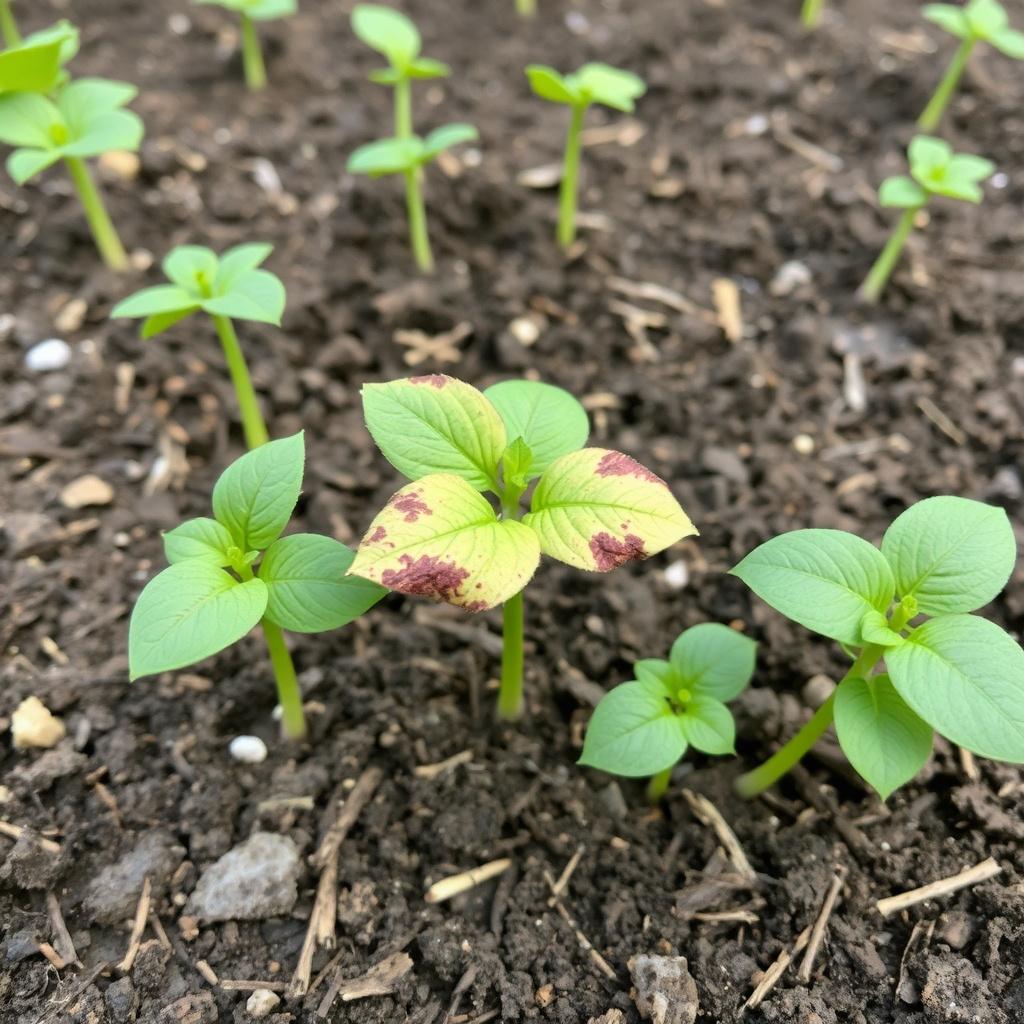
Overwatering shows through yellowing leaves, soft stems, and moldy soil surfaces. Seedlings may appear limp despite available water because root oxygen is lacking. Conversely, underwatered seedlings display dry, brittle soil and drooping leaves that perk up only after watering.
Recognizing these symptoms early helps you adjust watering frequency or amount, avoiding damage. If mold or fungus appear, reduce watering and improve ventilation to limit humidity around seedlings.
- Yellow or translucent leaves
- Soil constantly soggy or muddy
- Wilted or droopy leaves
- Dry, cracked soil surface
Best Methods to Water Seedlings
Top Watering vs. Bottom Watering
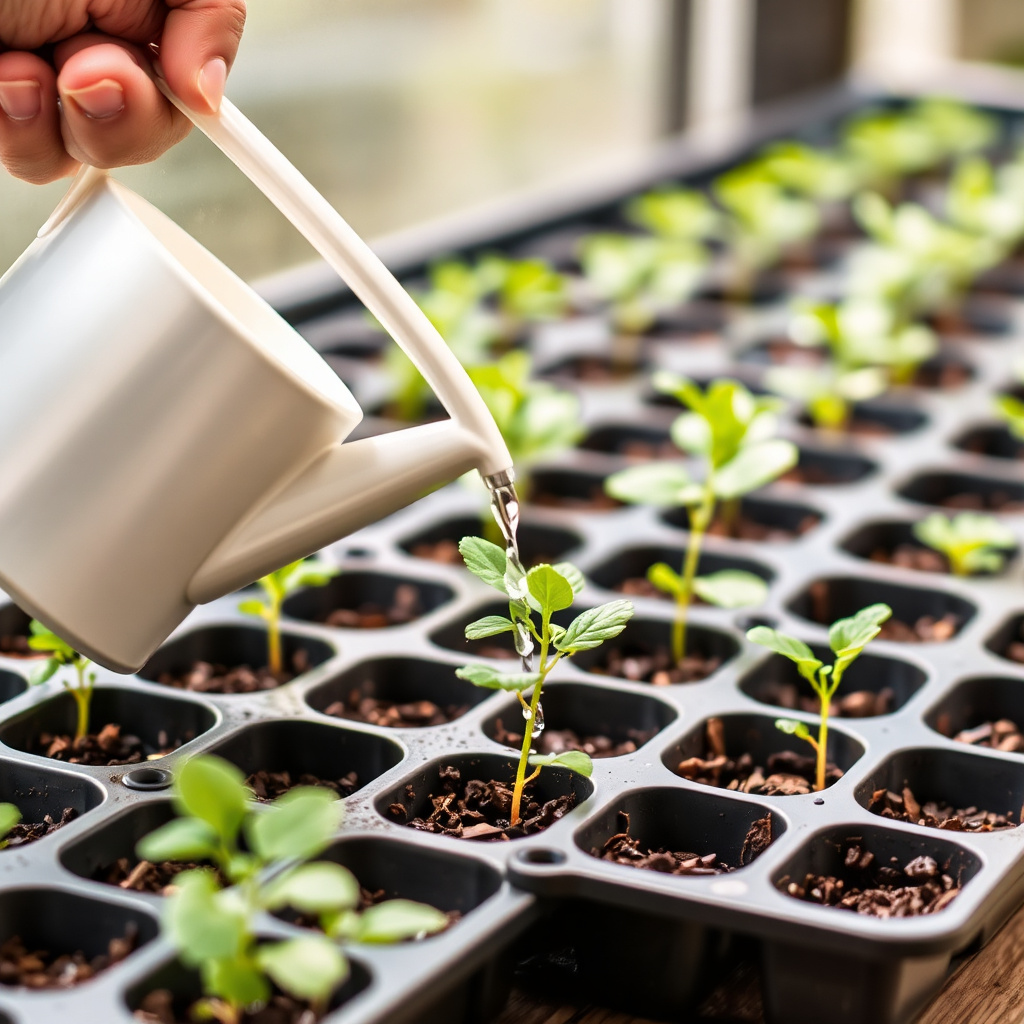
Top watering using a watering can or gentle spray mimics natural rain and allows you to see soil moisture levels. It requires care to avoid disturbing fragile seedlings or overflowing pots. Bottom watering involves placing seed trays in shallow water and letting soil wick moisture upward, reducing mold risk on leaves.
Both methods work well but have different benefits. Bottom watering conserves water and keeps foliage dry, which lowers fungal issues. Top watering helps flush salts from soil and allows accurate moisture control. Many gardeners use bottom watering initially, then switch to light top watering as seedlings grow.
- Use a watering can with a fine rose nozzle
- Avoid watering leaves excessively when using top watering
- For bottom watering, soak trays for 10-30 minutes then drain excess
Water Temperature and Quality
Water temperature affects seedlings: lukewarm water (around room temperature) is best. Cold water shocks roots and slows growth, while hot water can damage tender tissues. Tap water left to stand overnight avoids chlorine shock but filtered water is even gentler.
Using clean, non-chlorinated water free of chemicals or salts prevents buildup in seedling soil. Rainwater or distilled water can be ideal sources, especially if municipal water is heavily treated.
Tools and Equipment for Efficient Seedling Watering
Choosing the Right Watering Tools
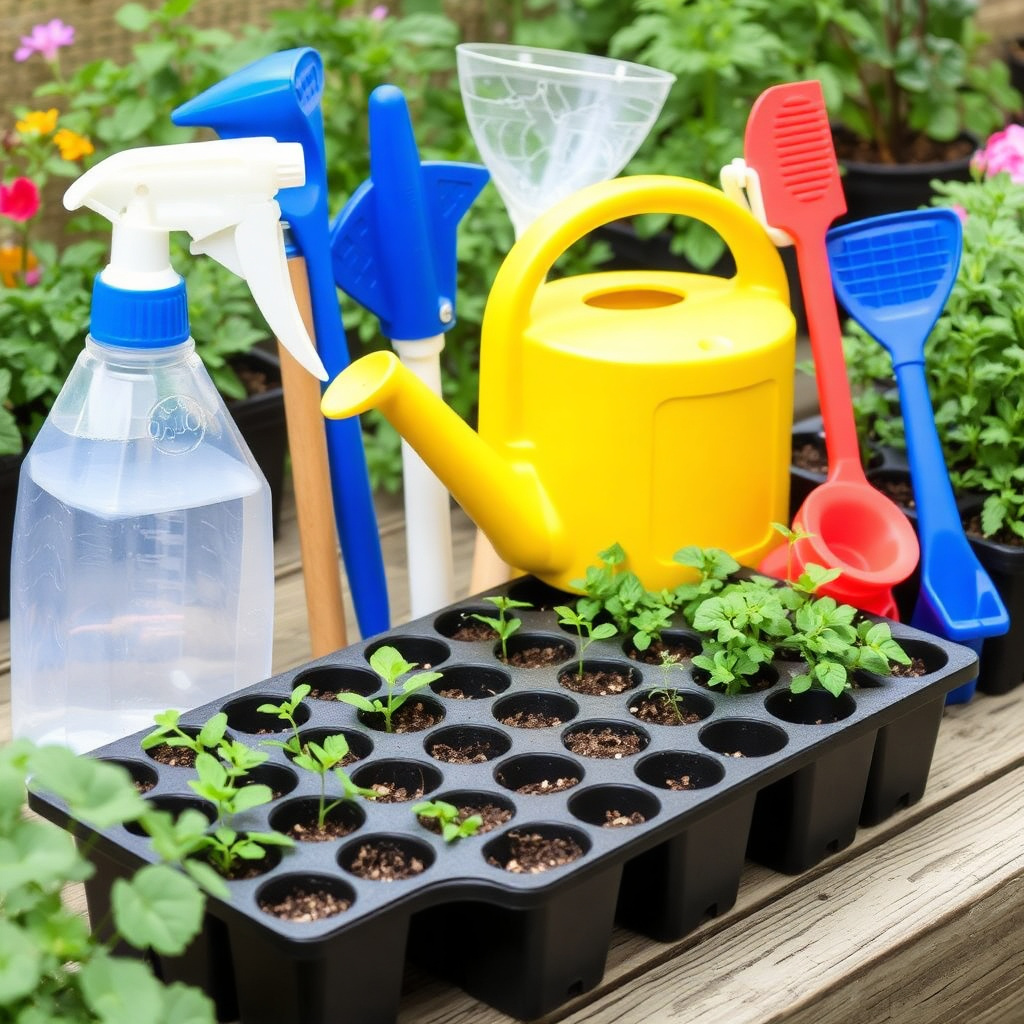
Selecting tools designed for delicate seedling care makes a difference. Fine rose watering cans provide controlled flow to prevent soil washout. Spray bottles offer a mist for very tiny seedlings or newly germinated seeds, reducing disturbance.
Bottom watering trays with reservoirs simplify regular watering and keep soil moist longer. Using such trays can reduce overwatering risks and help maintain even moisture distribution.
- Fine rose watering can
- Spray bottle for misting
- Seed trays with drainage holes
- Bottom watering trays
For more on this, see our related guide: How to Transplant Seedlings Without Stressing Your Plants.
Maintaining Watering Tools
Regular cleaning of watering tools prevents algae and bacterial growth that can harm seedlings. Rinse watering cans, spray bottles, and trays after use with mild soapy water, then disinfect periodically with diluted bleach solution.
Clean equipment ensures each watering applies fresh, uncontaminated water and reduces the chances of spreading diseases in your seedling setup.
Adjusting Watering Based on Seedling Growth and Environment
Water Needs During Germination vs. Growth
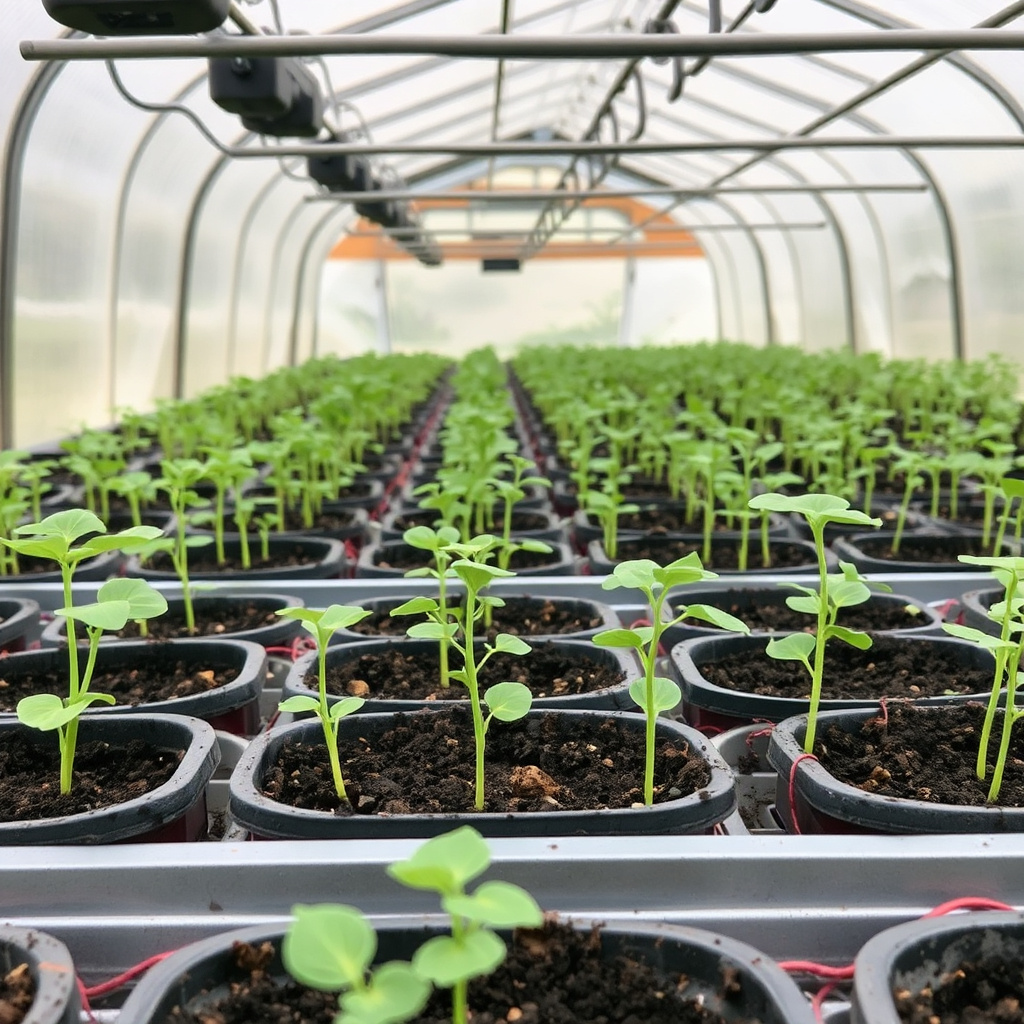
During germination, soil must remain moist but not soaked, to encourage seed sprouting. As seedlings develop sets of true leaves, moisture requirements slightly increase because leaf area expands and roots grow deeper.
Adjust watering frequency by checking soil constantly, reducing watering if soil stays wet for long, and increasing slightly as seedling roots fill containers and plants become more robust.
Environmental Influences on Watering
Temperature, humidity, and light levels affect how quickly seedling soil dries. Higher temperatures and lower humidity increase water loss, requiring more frequent watering. Shadier, cooler environments retain moisture longer.
Ventilation also impacts moisture: well-aerated spaces dry soil faster but reduce fungal problems. Monitor these factors and tailor watering schedules accordingly for best seedling health.
Common Watering Mistakes to Avoid
Overwatering and Root Rot
A frequent error is applying too much water, causing soggy soil conditions and depriving roots of oxygen. Root rot pathogens thrive in wet soil, killing seedlings quickly. Avoid watering on a fixed schedule; instead, gauge soil moisture with touch or moisture meters.
Allow some airflow and ensure containers drain well to prevent standing water. If root rot starts, affected seedlings rarely recover, so preventing this issue from the outset is best.
For more on this, see our related guide: How to Fix Overwatered Cannabis Plants: Effective Recovery Tips.
Watering at the Wrong Time
Watering seedlings during mid-day heat increases evaporation losses and stresses plants. Early morning or late afternoon watering reduces water loss and gives seedlings time to absorb moisture before temperature extremes. Avoid watering late at night if humidity is high to reduce fungal risks.
By choosing proper timing, water goes where it's needed most and plants stay healthier.
Monitoring and Managing Seedling Watering Effectively
Using Soil Moisture Indicators
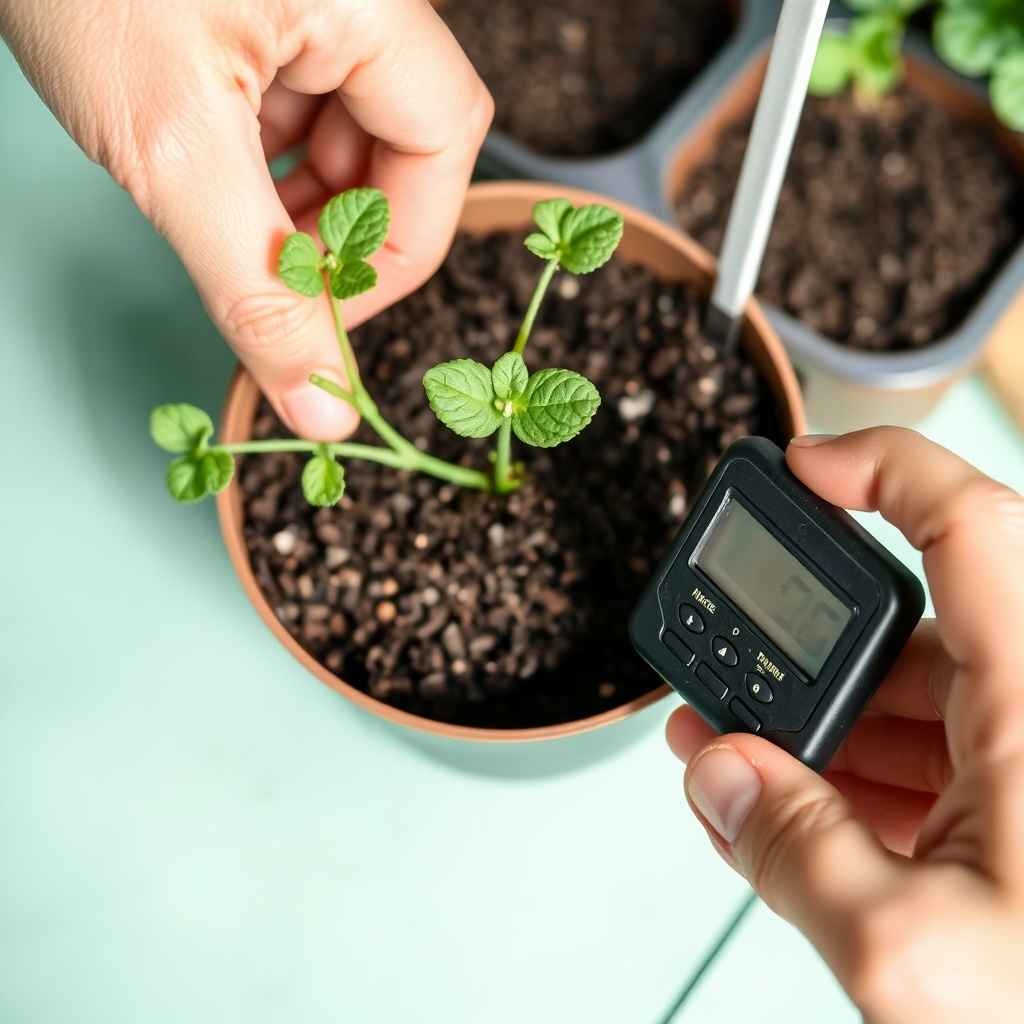
Soil moisture meters are useful tools that provide objective readings on moisture levels below the surface. These devices help avoid guesswork, informing the best time to water. Insert the probe gently to avoid root damage and check multiple spots in a tray or planter.
Combining meters with visual and tactile checks develops an intuitive watering routine tailored to your seedling setup.
For more detailed advice on caring for seedlings, the Royal Horticultural Society offers valuable insights and practical tips. seedling care details at the Royal Horticultural Society.
Adjusting Watering During Transplant Preparation
As seedlings approach transplanting, reduce watering slightly to harden them off and prepare roots for new soil. This encourages stronger root development. Keep soil slightly moist but avoid saturation to acclimate seedlings to outdoor or larger container conditions.
Proper water management before transplanting aids survivability and promotes vigorous establishment after moving seedlings to their final location.
Seedling Watering Techniques Comparison
Here’s a comparison of common seedling watering techniques to help you decide which fits your needs best.
| Technique | Watering Control | Ease of Use | Risk of Overwatering | Best For |
|---|---|---|---|---|
| Top Watering | High control over amount | Moderate | Moderate | Small batches, indoors |
| Bottom Watering | Least direct control | Easy | Low | Multiple seedlings, disease prevention |
| Misting | Low control | Easy | Low | Very young seedlings, germination |
| Automated Drip Systems | Precise control | Requires setup | Low | Large setups, commercial |
| Soaking Trays | Moderate control | Easy | Moderate | Seedlings in flats, quick watering |
Frequently Asked Questions
How often should I water seedlings?
Water seedlings when the soil surface starts to dry out. This might mean daily or every other day depending on conditions like temperature and humidity.
Can I use tap water for seedlings?
Yes, tap water is usually fine if left to sit overnight to reduce chlorine. Alternatively, rainwater or filtered water is gentler for young plants.
Is it better to water seedlings from the top or bottom?
Both methods are effective. Bottom watering keeps foliage dry and reduces fungus, while top watering offers more direct moisture control.
What happens if I overwater seedlings?
Overwatering can cause root rot and fungal diseases, killing seedlings quickly. It also deprives roots of oxygen needed for healthy growth.
Should I adjust watering for seedlings grown indoors versus outdoors?
Yes. Indoor seedlings often require less frequent watering due to lower evaporation, while outdoor seedlings dry out faster and need more frequent moisture.
Key Takeaways
- Keep seedling soil consistently moist but never soggy.
- Use gentle watering methods to protect fragile roots.
- Adjust watering frequency based on seedling age and environment.
- Watch for signs of overwatering and underwatering to respond quickly.
Conclusion
Managing how to water seedlings successfully depends on observing your plants closely and adjusting based on their needs. A careful balance between too much and too little water supports healthy root development and reduces risks like root rot and damping-off. Using appropriate watering tools and methods also helps deliver moisture efficiently without damaging tender seedlings.
Choosing between top watering, bottom watering, or misting involves considering your particular setup and goals. For instance, bottom watering is excellent for maintaining evenly moist soil with less fungal risk, especially in indoor seed trays, while top watering offers precise control and salt flushing. Monitoring environmental factors such as temperature and humidity further guides when and how much to water.
The next step is to establish a routine that matches your seedlings’ growth stage and conditions. Using soil moisture meters alongside visual checks can improve accuracy. Whether you’re growing vegetables, flowers, or herbs, fine-tuning watering practices ensures your seedlings emerge strong and ready for transplanting.