Why Are My Cannabis Seeds Not Germinating? Causes and Solutions
If your cannabis seeds are not germinating, it is often due to improper moisture, temperature, or seed quality. Seeds need a consistent warm environment with adequate moisture but not soaking wet conditions. Poor seed quality or old seeds can also fail to sprout. Addressing these factors can help you achieve better germination results quickly.
Germinating cannabis seeds is a delicate process that requires a balance between temperature, humidity, and handling. Without the right conditions, seeds may stay dormant or rot instead of sprouting. Understanding the specific needs of cannabis seeds during this critical phase lets you avoid common errors like overwatering, improper medium choice, or insufficient warmth.
In this article, we’ll explore the most frequent reasons why cannabis seeds fail to germinate, including problems with lighting, soil, and seed viability. You’ll also find detailed advice on how to create the best environment for seed sprouting and practical troubleshooting tips to revive your germination attempts.
Environmental Factors Affecting Cannabis Seed Germination
Temperature and Humidity Requirements
Cannabis seeds need temperatures between 70-85°F (21-29°C) to germinate effectively. Temperatures outside this range can slow or stop the sprouting process. Humidity should be high during germination, typically around 70-90%, to keep the seeds moist but not waterlogged.
Too low temperatures cause seeds to remain dormant, while too high temperatures can overheat and damage seeds. To regulate humidity, using a humidity dome or placing the seeds inside a sealed plastic bag with damp paper towels can create a stable, moist environment.
- Ideal temperature: 70-85°F (21-29°C)
- Humidity target: 70-90%
- Use humidity domes or sealed bags
Light Exposure During Germination
Contrary to some myths, cannabis seeds do not require light to germinate. In fact, darkness or subdued indirect light often works best because the seeds naturally sprout underground. Excessive light can dry out the medium and stress young sprouts once they appear.
After the taproot emerges, providing light becomes important for seedling growth. Initially, keeping seeds in a dark, warm, humid place speeds up germination without interference from light.
Soil and Planting Medium Considerations
Choosing the Right Medium
The planting medium must retain moisture while allowing air circulation to prevent seeds from drowning or rotting. Common media include peat pellets, coconut coir, vermiculite, and light potting soil mixes. Avoid heavy soils that retain too much water or compact easily.
A sterile medium helps minimize mold and fungal issues that kill seeds before they sprout. Additionally, the medium’s pH should be mildly acidic to neutral, around 6.0 to 7.0, as extreme pH levels can inhibit germination.
- Use peat pellets, coconut coir, or vermiculite
- Keep soil light and airy
- Maintain pH between 6.0 and 7.0
Planting Depth and Handling of Seeds
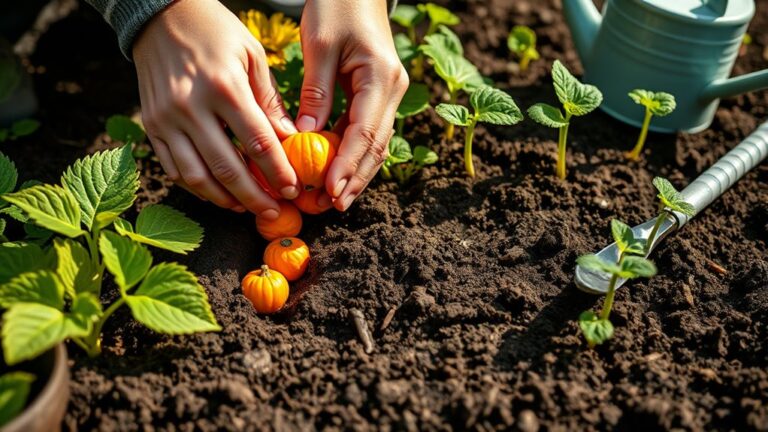
Planting cannabis seeds too deep can prevent sprouts from reaching the surface, while planting too shallow may expose seeds to drying out. The general rule is to plant seeds about 0.25 to 0.5 inches (6-12 mm) deep.
Handle seeds gently to avoid damaging their delicate shells before germination. Using clean hands or tweezers reduces contamination risks. Also, avoid leaving seeds exposed to air for prolonged periods before planting to preserve moisture inside.
- Plant seeds 0.25-0.5 inches deep
- Handle seeds carefully with clean hands or tweezers
- Avoid prolonged exposure to dry air
Seed Quality and Storage
Seed Viability and Freshness
Seeds that are old, improperly stored, or damaged will struggle or fail to germinate. Fresh seeds that are firm, dark brown, and slightly glossy have the highest germination rates. Pale, brittle, or cracked seeds are likely non-viable.
Testing seed viability before planting can save time; one method is to float seeds in water for 24 hours—viable seeds usually sink while non-viable ones float, though this is not foolproof.
- Use fresh, firm, dark seeds
- Avoid cracked or pale seeds
- Perform float test as a rough viability check
Proper Seed Storage Techniques
Cannabis seeds should be stored in cool, dry, and dark conditions to maintain viability. Refrigeration in an airtight container with desiccant packs extends lifespan by preventing moisture absorption and temperature fluctuations.
Avoid storing seeds in warm or humid places like bathrooms or near windows. Consistently stable conditions preserve the seed’s delicate embryo, giving you a better chance of successful germination when planting time arrives.
- Store seeds in airtight containers with desiccants
- Keep seeds in a refrigerator or cool location
- Avoid warmth and humidity
Common Germination Methods and Their Challenges
Paper Towel Method Explained
The paper towel method involves placing seeds between moist paper towels in a dark, warm area until taproots emerge. It allows close monitoring but can cause issues like overwatering or lack of oxygen if towels remain too wet.
Using clean, non-bleached paper towels and changing them every couple of days helps prevent mold growth. Seeds should be transferred promptly once the taproot reaches 1-2 cm to minimize damage from handling.
- Keep paper towels moist but not soaked
- Ensure temperature stays near 75°F (24°C)
- Transfer seedlings carefully when roots appear
Direct Soil Planting Pros and Cons
Planting seeds directly in soil simulates their natural conditions and reduces root disturbance risks. However, slower germination and less monitoring control are common downsides. The medium’s quality is critical to avoid seed rot in this method.
Soil should be pre-moistened but not saturated, and pots covered lightly to maintain humidity. This method works well with high-quality seed and optimal environmental conditions.
- Mimics natural growth conditions
- Less root disturbance after sprouting
- Requires careful soil moisture control
Troubleshooting Non-Germinating Cannabis Seeds
Identifying Signs of Seed Problems
If seeds remain hard and show no root tip after 7-10 days, they are likely non-viable or were exposed to unfavorable conditions. Mold, discoloration, or a rotten smell indicate fungal issues or overwatering that killed seeds.
Slow germination or uneven sprouting could signal temperature fluctuations or inconsistent moisture. Recognizing these symptoms early lets you adjust your approach rather than waiting too long to try again.
- No taproot after 10 days
- Seed discoloration or mold
- Unusual odors from the medium
Steps to Improve Germination Success
To improve germination, maintain consistent warmth around 75-80°F, keep the medium gently moist but never soaked, and use fresh seeds from a reliable source. Avoid moving seeds too much during the first stages to prevent damage to delicate taproots.
Consider starting seeds in a dedicated germination tray with humidity dome or try the paper towel method for better monitoring. If a batch fails, adjusting these factors will increase chances for success with the next try.
- Keep temperature stable at 75-80°F
- Use fresh seeds and sterile medium
- Avoid excessive seed handling early on
After Germination: Early Seedling Care
Light and Watering for Young Seedlings
Once cannabis seeds have germinated and seedlings emerge, they need gentle light such as fluorescent or LED grow lights for 16-18 hours daily at lower intensity. Overexposure can stress seedlings, so gradual light introduction is wise.
Watering should be minimal but consistent; seedlings demand moisture without waterlogging the medium. Using a spray bottle or light watering at the soil’s surface prevents root rot and supports steady growth.
- Provide 16-18 hours of soft light daily
- Water lightly using spray or gentle watering
- Avoid overwatering to prevent root issues
For more detailed background on cannabis germination and cultivation, the Cannabis cultivation Wikipedia page offers a thorough overview. Cannabis seed germination guide.
Transitioning Seedlings to Vegetative Stage
After about two weeks, seedlings enter the vegetative growth phase where they require stronger light and more nutrients. Gradually increase light intensity and adjust watering as roots extend deeper into the medium.
This transition period is critical; any stress can delay growth or cause deformities. Removing humidity domes and ensuring good airflow helps seedlings toughen up for vigorous development.
- Increase light intensity gradually
- Adjust watering frequency as roots develop
- Remove humidity dome to improve airflow
Common Cannabis Seed Germination Methods Comparison
Here's a comparison of popular germination techniques to help you pick the best method for your seeds and setup.
| Method | Ease of Use | Monitoring Control | Success Rate | Common Issues |
|---|---|---|---|---|
| Paper Towel | Medium | High | 80-90% | Overwatering, mold growth |
| Direct Soil Planting | Easy | Low | 70-85% | Soil compaction, slow sprouting |
| Peat Pellets | Easy | Medium | 75-90% | Drying out if not monitored |
| Water Soak | Easy | Low | 60-75% | Seed drowning, seed shell damage |
Frequently Asked Questions
How long does it usually take for cannabis seeds to germinate?
Cannabis seeds typically take between 2 to 7 days to germinate under proper conditions, though some strains may take up to 10 days. Consistent warmth and moisture speed up the process.
Can soaking cannabis seeds in water help germination?
Soaking seeds for 12-24 hours can soften the seed coat, potentially speeding germination. However, soaking too long may drown seeds or cause damage, so timing is important.
Why did some of my cannabis seeds sprout but then die shortly after?
Seedlings that die soon after sprouting often suffer from overwatering, poor drainage, lack of light, or fungal pathogens. Balancing moisture and providing gentle light helps prevent early seedling death.
Is it necessary to scarify cannabis seeds before germination?
Scarification, which lightly scratches the seed coat, is generally not necessary for cannabis seeds as they germinate well without it. Incorrect scarification can harm the seed embryo.
What temperature is too hot for cannabis seed germination?
Temperatures above 85°F (29°C) risk overheating seeds, potentially killing the embryo or causing poor germination rates. Cooler, stable temperatures near 75°F (24°C) are safer.
Key Takeaways
- Cannabis seeds require stable moisture and warmth (70-85°F) for successful germination.
- Avoid excessive light during germination but ensure gentle light after sprouting.
- Use fresh, high-quality seeds and a light, well-drained medium to prevent rot.
- Choose a germination method that balances ease, monitoring, and seed protection.
Conclusion
Understanding why your cannabis seeds are not germinating involves examining environmental, seed quality, and handling factors. Maintaining the right temperature and humidity while choosing a suitable medium forms the foundation for success. Equally important is using viable seeds stored properly, as old or damaged seeds may fail regardless of care. Diagnosing issues early and adjusting conditions improves your chances of seeing healthy sprouts emerge.
For growers seeking reliability, methods like the paper towel technique offer close monitoring and good success rates, especially when using fresh seeds in a stable environment. Direct soil planting suits those wanting a natural approach but requires well-prepared, light soil to avoid waterlogging. Paying attention to seed depth and gentle handling avoids common pitfalls that prevent seeds from breaking dormancy. If seeds have failed after a week, reassessing factors like temperature or seed quality often reveals the cause.
As a practical next step, try germinating a small batch of fresh seeds using the paper towel method under controlled warmth and humidity. This gives you direct feedback on seed viability and environment suitability. From there, adapt your approach to your growing style whether you prefer soil or pellets, and transition seedlings carefully to promote vigorous growth. With patience and attentive care, you’ll maximize germination success for your cannabis cultivation.