What Are Chia Seeds?
Are you tired of feeling like your health routine isn’t quite hitting the mark? Many people struggle to find simple, effective ways to boost their nutrition without overhauling their entire diet. If you’re looking for an easy addition that packs a punch, chia seeds might just be the answer.
Chia seeds are tiny, nutrient-rich seeds from the Salvia hispanica plant, native to Central and South America. They’re packed with fiber, omega-3 fatty acids, protein, vitamins, and minerals that support digestion, heart health, and weight management.
These versatile seeds absorb liquids quickly and form a gel, making them great for smoothies, baked goods, or as an egg substitute.
Keep exploring to uncover how you can easily add chia seeds to your diet.
Key Takeaways
- Chia seeds are tiny, nutrient-rich seeds from the Salvia hispanica plant, native to Central and South America.
- They are high in fiber, omega-3 fatty acids, protein, vitamins, and minerals, supporting overall health.
- Chia seeds absorb liquid quickly, forming a gel-like texture used in puddings, smoothies, and baked goods.
- Available in black, white, and brown varieties, all with similar nutritional benefits.
- They can be incorporated into diets easily, enhancing hydration, digestion, and nutrient intake.
What Are Chia Seeds and Why Are They a Superfood?
Chia seeds are tiny, nutrient-packed seeds from the Salvia hispanica plant, which is native to Central and South America. Their impressive nutrient profile makes them a true superfood, full of fiber, omega-3 fatty acids, protein, vitamins, and minerals like calcium and magnesium.
These seeds have been valued for centuries, dating back to ancient times when the Aztecs and Mayans relied on them for energy, endurance, and sustenance. Today, they’re popular because they’re a simple way to boost your diet with essential nutrients.
Chia seeds absorb liquid and form a gel, making them versatile for smoothies, puddings, and baked goods. Their rich nutrition supports digestion, heart health, and weight management.
Because of their long history of use and their impressive health benefits, chia seeds have earned their reputation as a superfood. They can help you improve your overall wellness naturally.
How Do Chia Seeds Look, and Which Varieties Are Available?
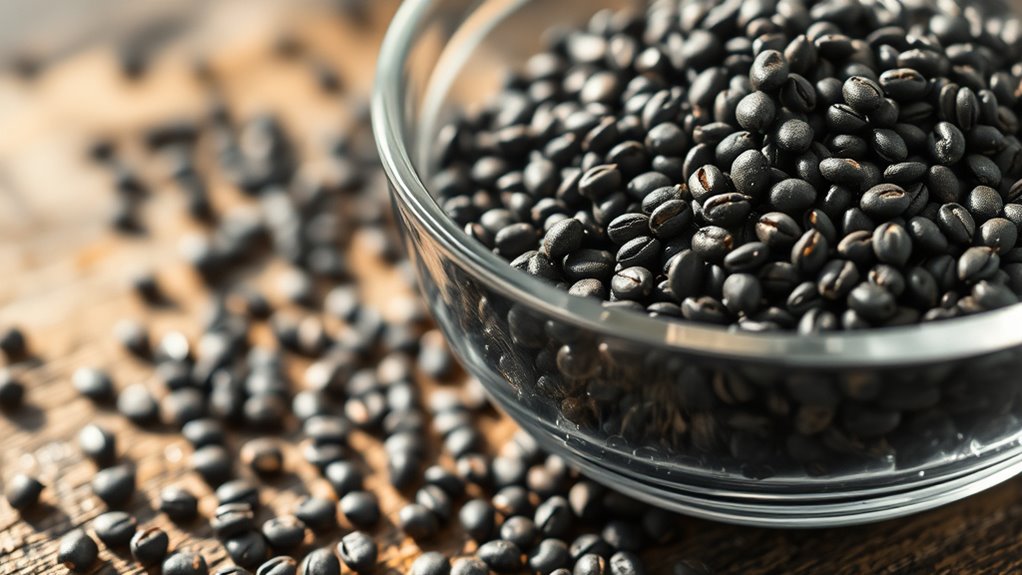
Chia seeds are small, oval-shaped grains that come in various shades of black, white, and sometimes brown. Their appearance is quite uniform, but slight differences in color and size can help identify different varieties.
Black chia seeds are the most common and tend to be more visibly speckled, while white chia seeds are often prized for their lighter color and subtle look. Brown chia seeds are less common and fall somewhere between black and white in shade.
Black chia seeds are widely available and speckled, while white and brown varieties offer lighter or more subtle options.
Despite their color differences, all chia seeds are about the size of a sesame seed and have a smooth, shiny surface. The appearance of different varieties doesn’t greatly affect their nutritional profile but may influence how they look in recipes or dishes.
When shopping, you’ll find these varieties available in health stores and online. You can choose based on color preference or aesthetic needs.
What Are the Nutritional Benefits of Chia Seeds?
Because they are packed with nutrients, chia seeds are considered a superfood that can greatly boost your health. Their nutritional profile includes fiber, omega-3 fatty acids, protein, vitamins, and minerals like calcium and magnesium.
This combination supports digestion, heart health, and bone strength. The high fiber content helps regulate blood sugar levels and keeps you feeling full longer, which is great for weight management.
Omega-3 fatty acids help reduce inflammation and improve brain function. The protein in chia seeds boosts muscle repair and keeps your energy stable throughout the day.
Plus, the rich array of vitamins and minerals supports overall immune health and helps prevent deficiencies. Incorporating chia seeds into your diet is easy—they add value whether mixed into smoothies, yogurt, or baked goods.
Their dense nutritional profile makes them a versatile, nutrient-rich addition to your daily routine.
How Do Chia Seeds Absorb Liquids, and Why Does This Matter?
When chia seeds come into contact with liquids, they quickly absorb the fluid and expand, forming a gel-like coating around each seed. This process, called liquid absorption, boosts hydration and helps with digestion.
The texture changes into a thick, pudding-like consistency, making chia seeds super versatile in recipes. You can add soaked seeds to smoothies, yogurt, or oatmeal for extra thickness and nutrition.
This gel formation also has health benefits because it slows digestion and provides sustained energy. Thanks to their adaptability, you can mix chia seeds into both sweet and savory dishes with ease.
Understanding how they absorb liquids helps you get the most out of their benefits while trying different textures and flavors in your cooking. Overall, their ability to absorb liquids is a big reason for their popularity and health appeal.
What Are the Most Popular Ways to Use Chia Seeds in Cooking and Baking?
You can easily toss chia seeds into your smoothies to boost both texture and nutrition. They add a nice crunch and are great for making your drink more filling.
Baking with chia seeds is also super popular—they work really well in muffins, bread, and energy bars. Plus, they’re such a versatile ingredient that sneaking them into your daily meals becomes a breeze.
Incorporating in Smoothies
Adding chia seeds to smoothies is a simple way to boost their nutritional value and texture. You can easily add them into your favorite recipes to make them tastier and healthier.
Chia seeds absorb liquid quickly, creating a gel-like texture that thickens your drink and improves the overall consistency. For a pretty look and extra health benefits, try these ideas:
Mix them into berry and banana smoothies for a sweet, fiber-rich treat. Blend with leafy greens and citrus for a revitalizing, nutrient-packed drink. Swirl into protein-packed morning smoothies or prep them ahead for sustained energy.
Incorporating chia seeds makes your smoothies more satisfying and helps support your health goals effortlessly.
Baking With Chia Seeds
Baking with chia seeds is a popular way to boost the nutritional content of your treats while adding unique texture and flavor. You can easily incorporate chia seeds into recipes like chia seed pancakes or muffins to make them healthier.
When making pancakes, add a tablespoon of chia seeds to the batter for extra crunch and omega-3s. For muffins, mixing in chia seeds helps improve moisture and adds a subtle nutty taste.
Chia seeds also work well as an egg substitute. Just soak them in water until they form a gel, then use that to replace eggs in baking. Their versatility makes them a simple way to upgrade your baked goods with added fiber, protein, and healthy fats.
Are There Any Risks or Considerations When Eating Chia Seeds?
While chia seeds are generally healthy and packed with benefits, it’s good to be aware of a few potential risks. Eating a lot of chia seeds at once might cause some digestive discomfort, like bloating or gas, especially if your body isn’t used to them. Also, because they can absorb a lot of liquid and expand, there’s a chance they could pose a choking hazard if you don’t soak them properly before eating.
If you’re taking any medications, especially blood thinners or diabetes medicines, it’s a smart idea to chat with your doctor. Chia seeds can interact with certain treatments, so getting personalized advice can help you enjoy them safely. Overall, moderation and proper preparation are key to making the most of these tiny superfoods!
Potential Digestive Issues
Although chia seeds are generally safe for most people, eating large amounts or not preparing them properly can cause digestive issues. Their high fiber content is good for your gut, but it can also lead to bloating or discomfort if you’re not careful.
To avoid bloating, try soaking chia seeds before eating or start with small portions. Keep in mind that swelling in your stomach can make you feel full or bloated.
Not drinking enough water might lead to constipation or blockages. Also, introducing too much fiber too quickly can upset your digestion.
Risk of Choking
Chia seeds can be a choking hazard if not prepared or eaten carefully. Because they absorb liquid and expand, dry seeds can get stuck in your throat or cause blockages.
To stay safe, it’s best to soak chia seeds in water or other liquids before eating. This allows them to swell and reduces the risk of choking.
If you prefer adding dry seeds to recipes, make sure to include plenty of liquid or chew thoroughly. This helps prevent any issues while eating.
Pay attention to how you consume chia seeds, especially if you have trouble swallowing. Proper preparation and mindful eating are key to enjoying chia seeds safely.
Medication Interactions
Eating chia seeds generally poses no serious risks regarding medication interactions, but it’s good to be aware of potential effects. Chia seeds can influence how your medicine works, especially if you’re on blood thinners, cholesterol meds, diabetes drugs, or gastrointestinal medications.
They may boost blood-thinning effects, increasing your risk of bleeding. Plus, their high fiber content can slow down nutrient absorption, which might affect how your body processes medications.
Imagine a thin film coating your digestive tract, changing how medication breaks down. Or a gentle wave of chia seeds competing with cholesterol-lowering drugs. Even sugar levels can be delicately impacted by diabetes medications.
If you’re taking any medication, it’s best to check with your healthcare provider before adding large amounts of chia seeds to your diet. They can help confirm it’s safe and effective for you.
How Do Chia Seeds Compare to Other Superfoods?
Ever wondered how chia seeds compare to other popular superfoods? When you look at a chia seed comparison, you’ll see they offer some pretty unique benefits. They’re loaded with fiber, omega-3 fatty acids, and antioxidants, making them a versatile addition to your diet.
Unlike some superfoods, chia seeds expand in water, helping you stay full longer and support digestion. For example, blueberries are famous for their antioxidants but don’t have the same high fiber content as chia seeds.
Spirulina provides plenty of protein and nutrients but doesn’t offer the same volume or hydrating effects. Quinoa is a complete protein but doesn’t deliver the omega-3s or fiber that chia seeds do.
Can You Grow Chia Plants at Home?
Sure! You can definitely grow chia plants at home, but it’s important to know what they need to thrive. They like the right balance of sunlight, water, and soil quality, so keeping these in check is key to healthy plants.
Once your chia plants are growing well, you’ll want to learn the best ways to care for them and harvest them properly. With a little attention and patience, you’ll be able to enjoy your own home-grown chia!
Growing Requirements and Tips
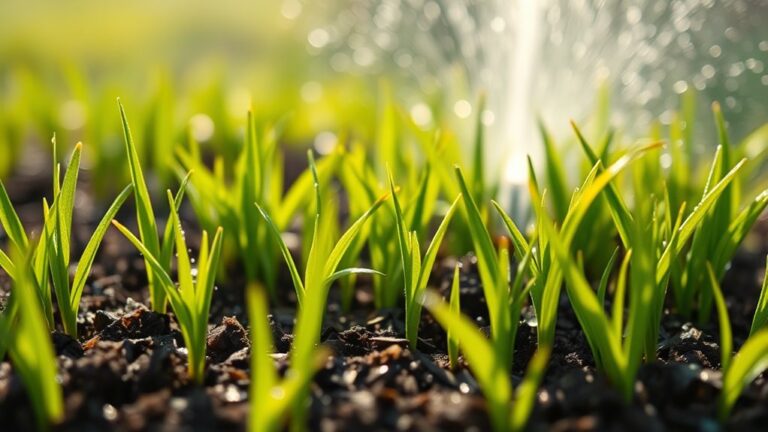
Growing chia plants at home is pretty manageable if you meet their basic needs. First, pick well-draining soil with a neutral pH so the roots don’t stay waterlogged.
Next, make sure they get full sun—aim for at least 4-6 hours a day—so they grow healthy and strong. Water them regularly, keeping the soil moist but not soaked; every 2-3 days usually works well.
When planting, scatter the seeds on the soil surface and lightly press them in. Keep an eye out for pests like aphids or mites and deal with them quickly.
Once the plants are mature, harvest the seed heads when they turn brown. Dry them in a warm, airy spot for the best results.
Following these tips will boost your chances of growing a successful chia crop at home.
Harvesting and Care
Once your chia plants have matured, it’s time to focus on harvesting and ongoing care. Use techniques like waiting until the flower heads turn brown and the seed heads feel dry and brittle.
Gently cut or pull the plants and shake out the seeds onto a clean surface. To keep your seeds fresh, store them in an airtight container in a cool, dark place.
Regularly check your plants for pests or disease, and water them as needed to keep the soil moist but not soggy. Proper seed care and attentive harvesting will help you enjoy healthy chia seeds.
With patience, your home-grown chia will reward you with nutritious seeds perfect for adding to your meals.
How Can You Incorporate Chia Seeds Into Your Daily Diet?
Wondering how to seamlessly add chia seeds to your daily meals? It’s easier than you think. Start with simple ideas that boost your nutrition and showcase the daily chia benefits.
Mix chia seeds into your morning yogurt or oatmeal for added texture and fiber. It’s a quick way to give your breakfast a nutritious upgrade.
Add chia seeds to your yogurt or oatmeal for extra texture and fiber boost.
Make chia pudding by soaking seeds in milk overnight. It creates a tasty, grab-and-go breakfast that’s rich in omega-3s and antioxidants.
Sprinkle them over salads, smoothies, or soups for a boost of nutrition. They add crunch and extra health benefits to your favorite dishes.
Exploring different chia seed recipes keeps your diet interesting and healthy. Incorporate these tiny seeds into your routine and enjoy their many benefits.
Whether you blend them into drinks or use them as toppings, chia seeds are versatile and easy to include. With a little creativity, you’ll enjoy the daily chia benefits effortlessly.
Keep your diet nutrient-rich and satisfying by adding chia seeds daily. They’re a simple, tasty way to boost your health and energy.
Why Are Chia Seeds Considered a True Superfood?
Adding chia seeds to your diet not only boosts your nutrition but also highlights why they’re considered a true superfood. These tiny seeds pack an impressive nutrient density, meaning they deliver a high concentration of vitamins, minerals, and antioxidants in a small serving.
Their health benefits are numerous: they support digestion, help regulate blood sugar, and promote heart health with omega-3 fatty acids. Chia seeds are also rich in fiber, which keeps you full longer and aids in weight management.
Because they provide so many essential nutrients in a compact form, they stand out among other superfoods. Incorporating them into your meals is simple—you can sprinkle them on yogurt, blend into smoothies, or add to baked goods.
Frequently Asked Questions
Are There Any Allergies Associated With Chia Seed Consumption?
Chia seed allergies are rare but possible. If you’re allergic, you might notice symptoms like itching, swelling, or trouble breathing after eating them.
To stay safe, start with small amounts and watch for any reactions. If you see allergy symptoms, stop eating chia seeds right away and talk to a healthcare professional.
Being aware of chia seed allergies helps you enjoy their benefits without risking any adverse reactions.
How Long Do Chia Seeds Stay Fresh After Opening?
After opening, chia seeds usually stay fresh for about 1 to 2 years if you store them properly.
To keep them fresh, use an airtight container and place it in a cool, dark spot.
Check for signs of freshness like a mild smell and a crunchy texture.
If they smell rancid or become slimy, it’s time to toss them out.
Storing them well helps extend their shelf life and keeps their nutrients intact.
Can Children Safely Eat Chia Seeds Regularly?
Think of chia seeds as tiny powerhouses—yes, your kids can safely enjoy these nutritional benefits regularly! They’re packed with fiber, omega-3s, and protein.
Just add a spoonful to smoothies, yogurt, or oatmeal for a nutritious boost. Start with small servings to help prevent any tummy issues.
And if your child has allergies or health concerns, it’s always a good idea to check with a pediatrician. Chia seeds are a smart, wholesome addition to kids’ diets.
What Are the Environmental Impacts of Chia Seed Farming?
You might wonder about the environmental impacts of chia seed farming. It generally involves sustainable farming practices, but water usage can be high in some regions, putting pressure on local water sources.
To minimize environmental harm, farmers often adopt efficient irrigation methods and crop rotation. Being aware of these practices helps you make more eco-conscious choices when including chia seeds in your diet.
Supporting sustainable agriculture also means conserving resources and reducing environmental impact.
Do Chia Seeds Interfere With Any Medications or Health Conditions?
Imagine you’re on blood pressure medication and start eating more chia seeds. You might experience interactions that lower your blood pressure even more.
Chia seed interactions can affect your medication, especially blood thinners or diabetes drugs. They slow digestion, which can change how your body absorbs medications.
Always check with your healthcare provider before adding chia seeds to your diet if you have health conditions or take medications regularly.
Conclusion
Chia seeds truly earn their superfood status, offering impressive health benefits packed into tiny seeds. While some say they’re a miracle food, it’s important to remember they work best when included as part of a balanced diet.
You can easily incorporate them into your meals and enjoy their versatility. Whether added to smoothies, yogurt, or baked goods, chia seeds are simple to use. Embracing chia seeds is a small step that can make a big difference for your health.
Ultimately, including chia seeds in your diet proves that sometimes, the smallest changes can have the biggest impact.