What Is a Landrace Strain? Understanding Its Unique Cannabis Heritage
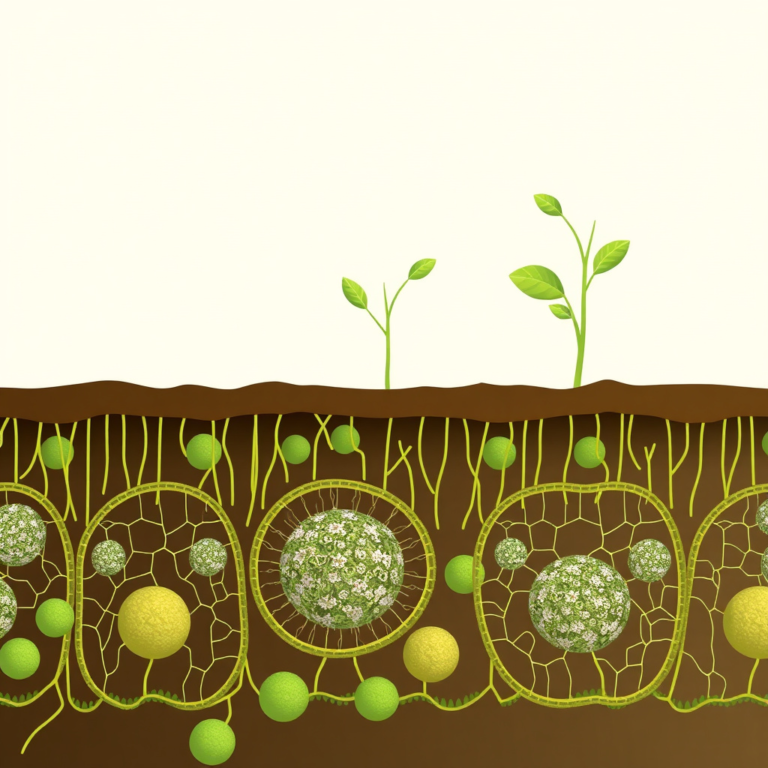
A landrace strain is a cannabis variety that has developed naturally over centuries in its native geographic region without hybridization from other strains. These strains are genetically stable and well-adapted to their local environments, maintaining distinct characteristics specific to the region they originate from. Essentially, landrace strains represent the original, indigenous cannabis plants that have existed in isolation.
These landrace strains matter because they preserve the genetic foundation of cannabis, serving as vital resources for breeders and growers who want stable genetics or unique traits. Unlike modern hybrids bred for specific qualities, landrace strains hold natural diversity and resilience, showcasing how cannabis evolved in different parts of the world like Asia, Africa, and the Middle East.
This article explores the history and significance of landrace strains, how to identify and preserve them, their key traits compared to hybrids, and how they affect cannabis cultivation and breeding today.
Origins and History of Landrace Strains
Geographic Roots of Landrace Strains
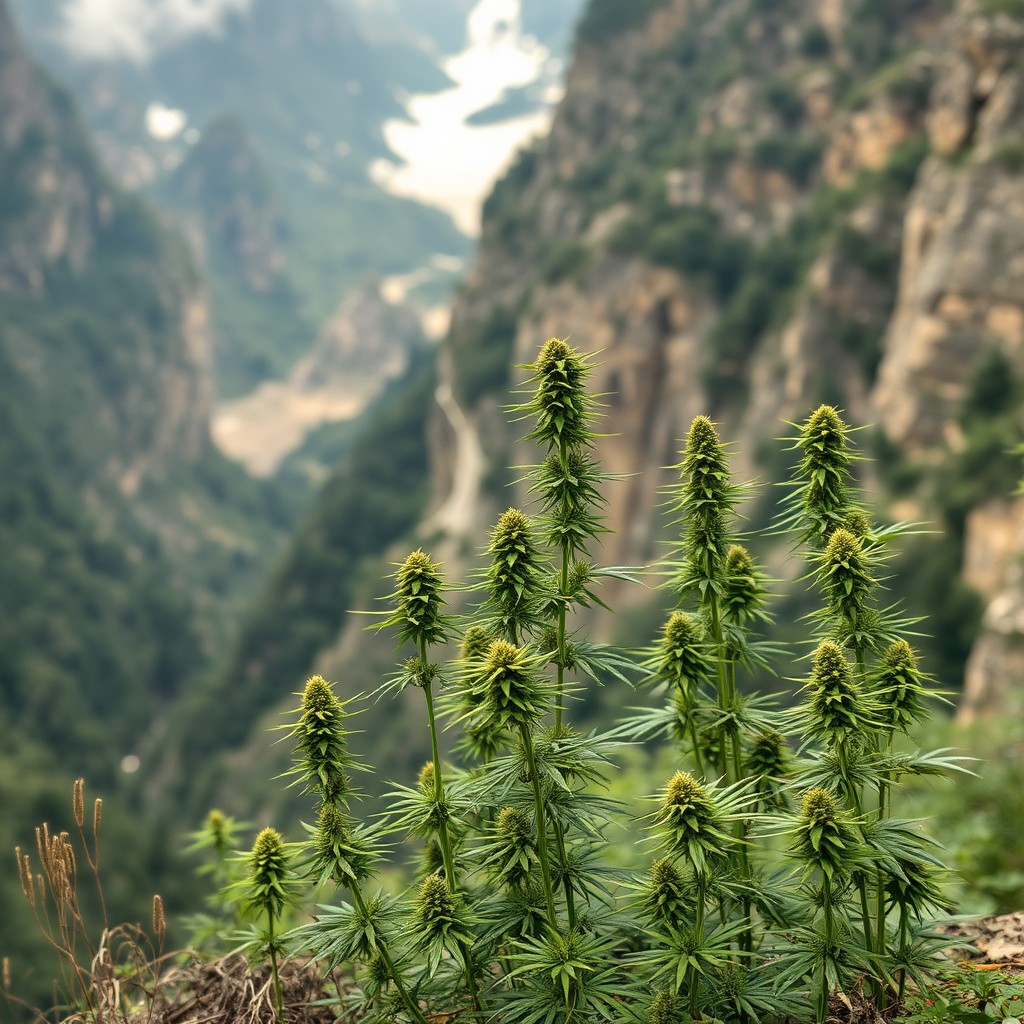
Landrace strains originate from specific geographic regions where cannabis has grown for centuries without significant human intervention in breeding. These environments include mountainous or isolated areas of countries like Afghanistan, India, Colombia, and Ethiopia. The stable climates and natural selection in these regions help shape the distinct traits of local landrace populations.
Each region’s landrace strain reflects the soil, altitude, climate, and weather patterns, which influence plant morphology, cannabinoid profiles, and growth cycles. The adaptiveness to harsh environments allows these strains to thrive with limited irrigation or fertilizer.
Historical Role in Cannabis Use
Historically, landrace strains supplied humans with cannabis for fiber, medicinal use, and psychoactive effects well before modern hybrids appeared. Cultures in South Asia and the Middle East developed unique traditional uses and selective harvest practices based on local strains’ properties.
Landrace cannabis often formed the genetic basis for early selective breeding and crossbreeding efforts when cannabis cultivation spread worldwide. Their preserved genetics provide clues about cannabis domestication and migration.
Identifying Landrace Strains
Physical Characteristics
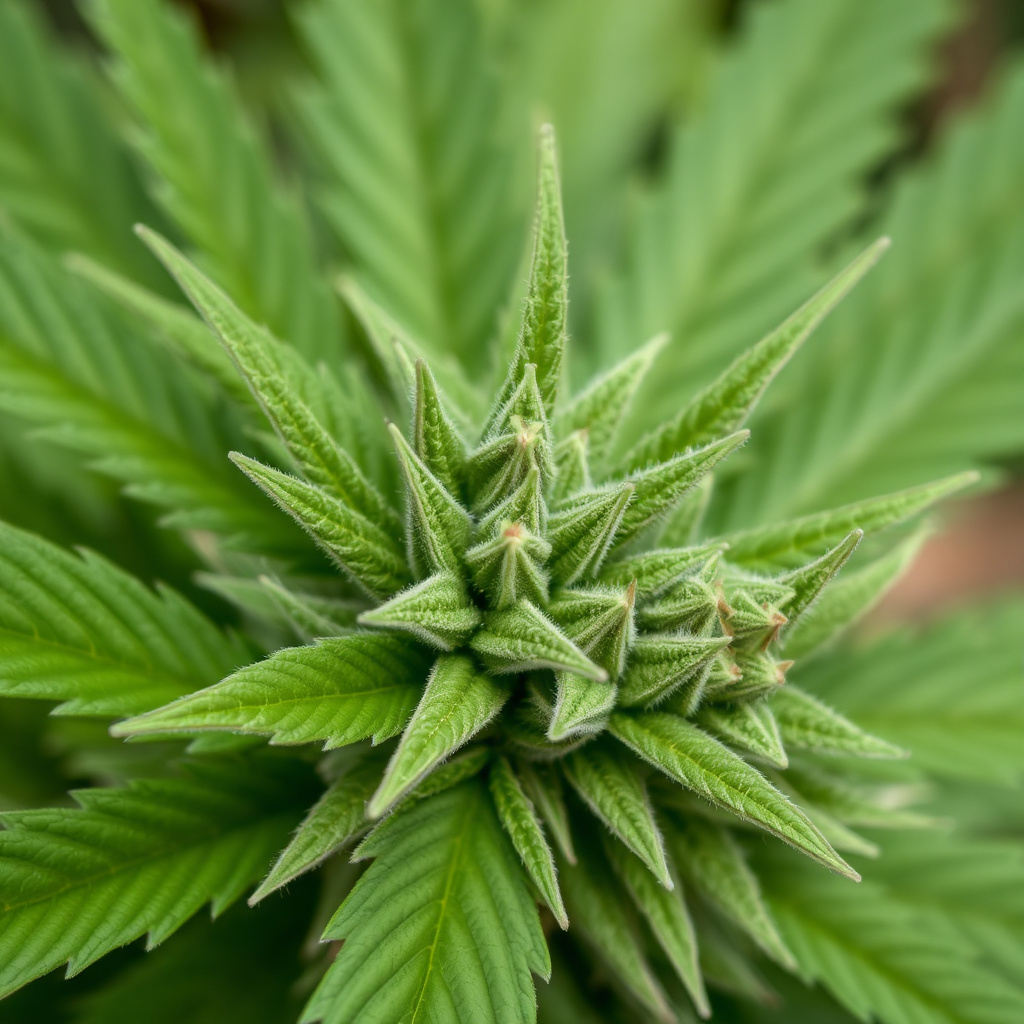
Landrace strains tend to display consistent and regionally specific physical traits, such as leaf shape, plant height, and bud structure. For example, Afghan landraces are typically short and bushy with dense resinous buds, whereas Ethiopian landraces are taller with slender leaves.
These traits result from natural adaptation to environment and limited genetic mixing. Landrace plants usually show uniformity within a population, which contrasts with the more variable appearance of hybrids.
Genetic Stability
A defining feature of landrace strains is their genetic stability, meaning their offspring reliably exhibit the same traits when grown in similar environments. This stability is due to many generations growing in isolation without hybrid breeding.
Modern genetic testing can confirm the authenticity of a landrace strain by analyzing markers that show minimal admixture with hybrid cannabis varieties.
The Significance of Landrace Strains in Modern Cultivation
Breeding and Hybrid Foundations
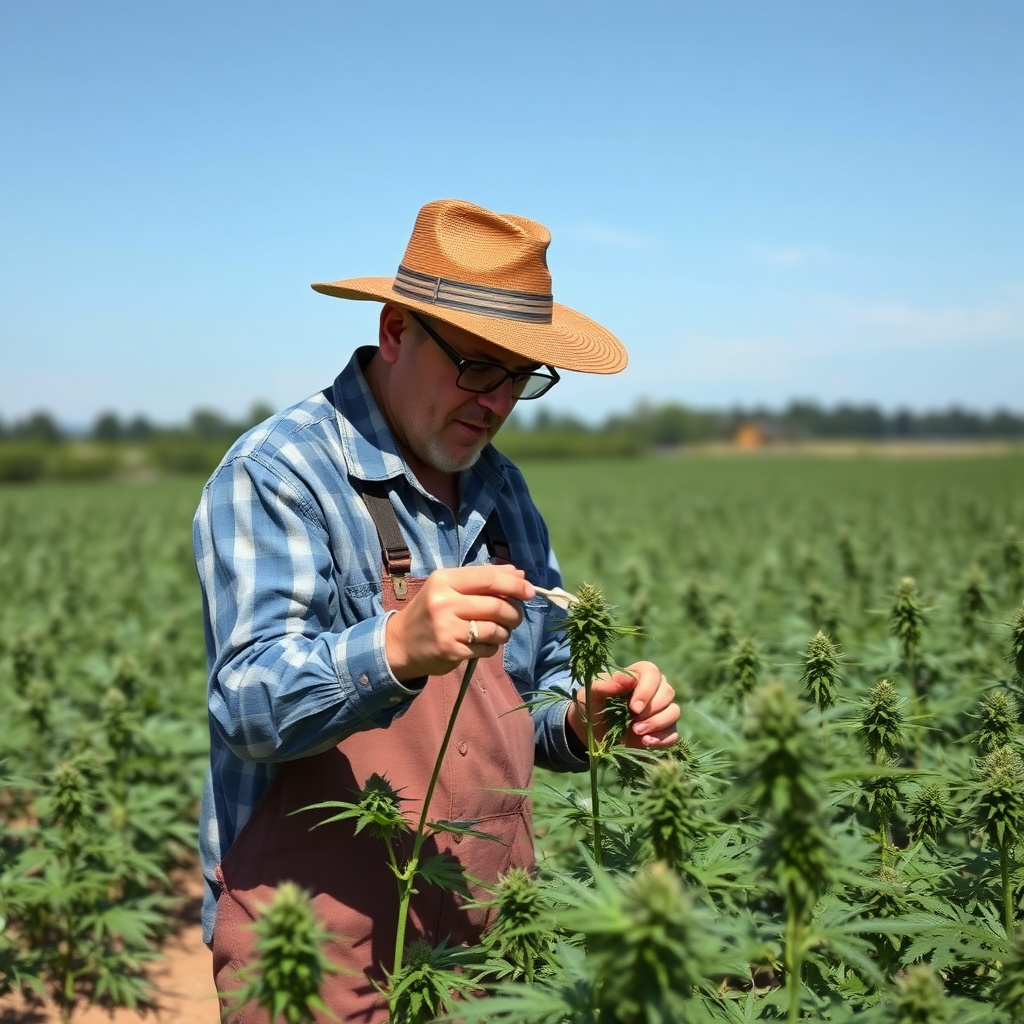
Landrace strains serve as essential genetic pools for breeding new hybrids with improved traits such as disease resistance, flavor, or cannabinoid content. Breeders often cross these strains with modern varieties to introduce robust genetics and maintain diversity.
Their unique cannabinoid and terpene profiles offer flavors and effects not easily replicated by commercial hybrids, making them valuable for niche markets seeking heritage cannabis.
For more on this, see our related guide: Understanding Landrace Cannabis Strains: Origins, Traits, and Uses.
Conservation Efforts
Conserving landrace strains is critical as globalization and commercial hybridization threaten their existence. Many landrace strains face genetic dilution or extinction due to habitat loss and crossbreeding.
Seed banks and field preserves work to protect authentic landrace genetics, ensuring future generations can access these original cannabis varieties.
Comparing Landrace Strains with Hybrid Strains
Growth Patterns and Environmental Adaptations
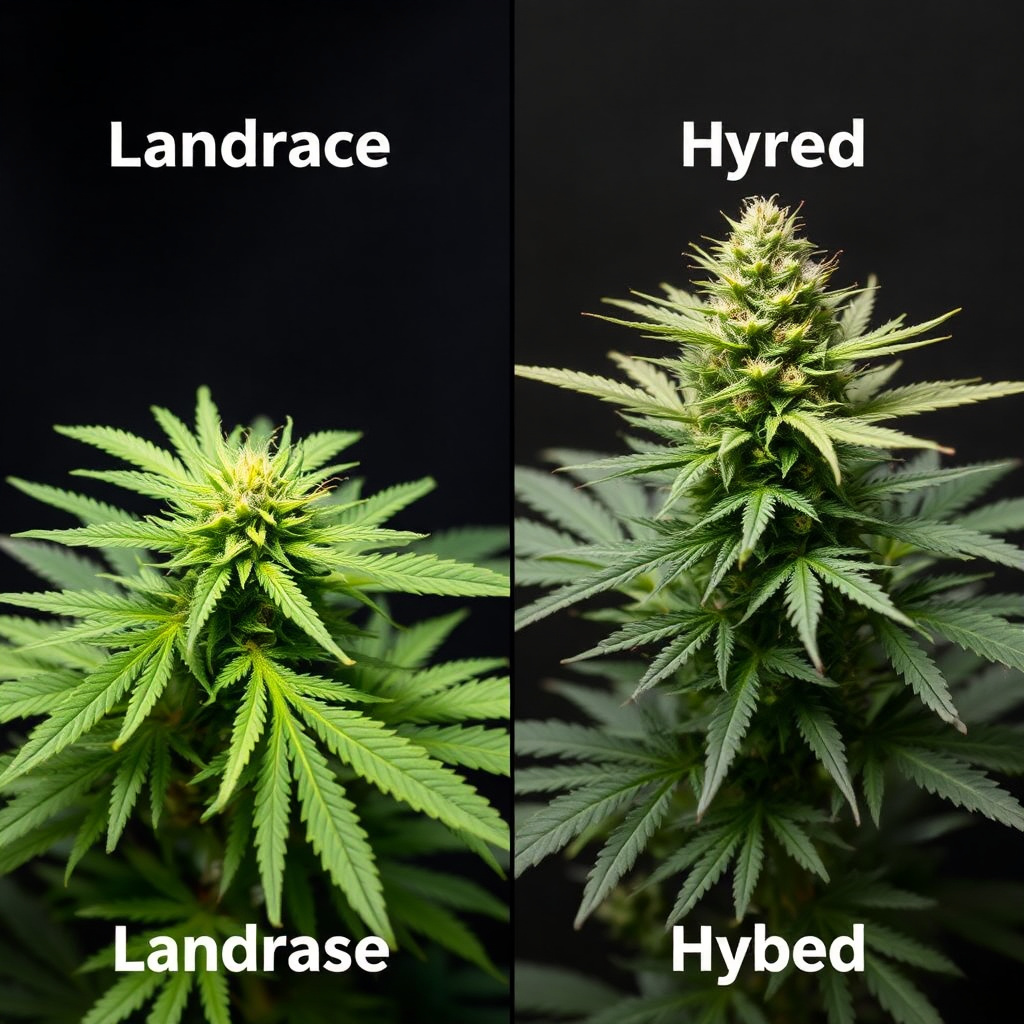
Landrace strains develop traits suited to their native climates such as drought tolerance or pest resistance, while hybrids often require controlled environments to optimize yields. This natural hardiness can reduce the need for agrochemicals when growing landraces outdoors.
Hybrids may show faster flowering times or higher potency but sometimes lose the resilience traits of their landrace ancestors.
Cannabinoid and Terpene Profiles
Landrace strains often exhibit unique cannabinoid ratios and terpene profiles that reflect evolutionary adaptation. This contrasts with hybrids bred primarily for THC content or flavored terpenes.
These distinctive chemical profiles make landrace strains popular among connoisseurs who value traditional cannabis experiences.
Where to Find and Buy Landrace Strains

Seed Banks and Online Sources
Several reputable seed banks specialize in preserving and selling authentic landrace strains, offering access to rare genetics. Buyers should verify lineage and genetic stability when purchasing online to avoid mislabeled hybrids.
Trusted sources provide detailed strain histories, germination rates, and cultivation tips tailored to landrace varieties.
For more on this, see our related guide: Popular Cannabis Genetics: A Guide to Choosing the Best Strains.
Legal and Ethical Considerations
Acquiring landrace strains requires attention to legal regulations depending on your jurisdiction, as cannabis seeds and plants might be restricted or illegal.
Ethical sourcing promotes respect for indigenous communities and conservation efforts, supporting fair trade and biodiversity.
Cultivation Tips for Growing Landrace Strains

Adapting to Local Conditions
Landrace strains thrive best when grown in environments similar to their native habitats. Growers should consider climate, soil quality, and light conditions to match the strain's original terroir as closely as possible.
Adjusting watering and nutrient schedules may be necessary since these strains are adapted to minimal inputs and can be sensitive to overfeeding.
For a broader understanding of landrace strains and their cultural significance, you can explore the comprehensive information available on landrace strains on Wikipedia. landrace strains on Wikipedia.
Harvesting and Curing Practices
Timing harvests appropriately is important because landrace strains often have longer flowering periods than hybrids. Observing trichome development and pistil coloration helps pinpoint peak potency.
Proper drying and curing preserve the strain’s distinctive aroma and potency, maintaining the traditional qualities unique to landrace cannabis.
Landrace Strain Types and Their Characteristics
Here's a comparison of several well-known landrace strains showcasing their origin, typical effects, and growth traits.
| Landrace Strain | Origin Region | Typical Effects | Growth Traits |
|---|---|---|---|
| Afghani | Afghanistan | Relaxing, sedative | Short, bushy, drought tolerant |
| Lamb’s Bread | Jamaica | Uplifting, energetic | Tall, slender leaves, resistant to pests |
| Durban Poison | South Africa | Focus, creativity | Fast flowering, heat tolerant |
| Acapulco Gold | Mexico | Euphoric, happy | Moderate height, resinous buds |
| Malawi Gold | Malawi | Energetic, cerebral | Tall, long flowering cycle |
Frequently Asked Questions
How do landrace strains differ from hybrid cannabis?
Landrace strains are naturally occurring varieties localized to specific regions, while hybrids are bred by crossing different strains to combine traits. Landraces typically have stable genetics and unique regional features unlike hybrids.
Can I grow a landrace strain indoors?
Yes, but landrace strains often prefer outdoor environments that mimic their native conditions. Indoor growers may need to adjust lighting and climate controls to accommodate their longer flowering times and growth patterns.
Why are landrace strains important to breeders?
Breeders use landrace strains to introduce genetic stability, disease resistance, and novel cannabinoid profiles when creating new hybrids. They serve as a baseline for preserving cannabis diversity.
Are all landrace strains high in THC?
Not necessarily. Landrace strains vary widely in cannabinoid content, and while some have high THC, others produce balanced THC/CBD ratios or unique cannabinoid profiles that differ from mainstream high-THC hybrids.
How can I verify if a strain is a true landrace?
Genetic testing and provenance documentation from seed banks or breeders can confirm authenticity. True landrace strains show little hybrid ancestry and consistent traits passed down over generations.
Key Takeaways
- Landrace strains are indigenous cannabis varieties naturally adapted to specific regions.
- They possess stable genetics and unique traits valuable for breeding and conservation.
- Landraces differ significantly from hybrids in growth patterns and chemical profiles.
- Ethical sourcing and environment matching improve cultivation success of landrace strains.
Conclusion
Choosing a landrace strain involves understanding its origins, genetic stability, and environmental needs. These strains offer a direct link to cannabis's ancient roots and provide growers and breeders with genetics that have evolved naturally over centuries. When selecting a landrace, consider its native climate, growth habits, and documented lineage to appreciate its full potential.
For cultivators seeking authentic cannabis experiences or breeders aiming for resilient genetics, landrace strains like Afghani or Durban Poison present excellent starting points. Outdoor growers in climates comparable to the strain’s natural habitat will see the best results, while indoor growers must simulate those environmental factors carefully. Each landrace offers distinct flavors and effects that modern hybrids often lack, expanding the palette of cannabis varieties available today.
If you're interested in exploring landrace strains, start by researching reputable seed banks with verified provenance. Planning your cultivation environment to align with the strain’s native conditions will help preserve its unique qualities and genetic traits. Embracing these traditional strains connects growers to cannabis history and supports the preservation of natural genetic diversity essential for future innovations.