What Is Calcium for Plants and Why It Matters
Calcium for plants is a crucial nutrient that supports cell wall structure and overall plant strength. It acts as a building block to form rigid cell walls, helping plants maintain stability and resist diseases. Without sufficient calcium, plants can become weak and susceptible to disorders.
The importance of calcium lies in its role in supporting new growth, particularly in roots and young shoots, plus it regulates nutrient uptake and enzyme activity. Gardeners and farmers often see calcium’s effect when plants suffer from blossom-end rot or other calcium deficiency symptoms.
This article will explain calcium’s functions within plants, signs of deficiency, how to supply it effectively, and common mistakes to avoid. It will also compare different calcium sources and guide on managing related pH and nutrient balances.
Understanding the Role of Calcium for Plants
Calcium’s Function in Plant Cell Structure
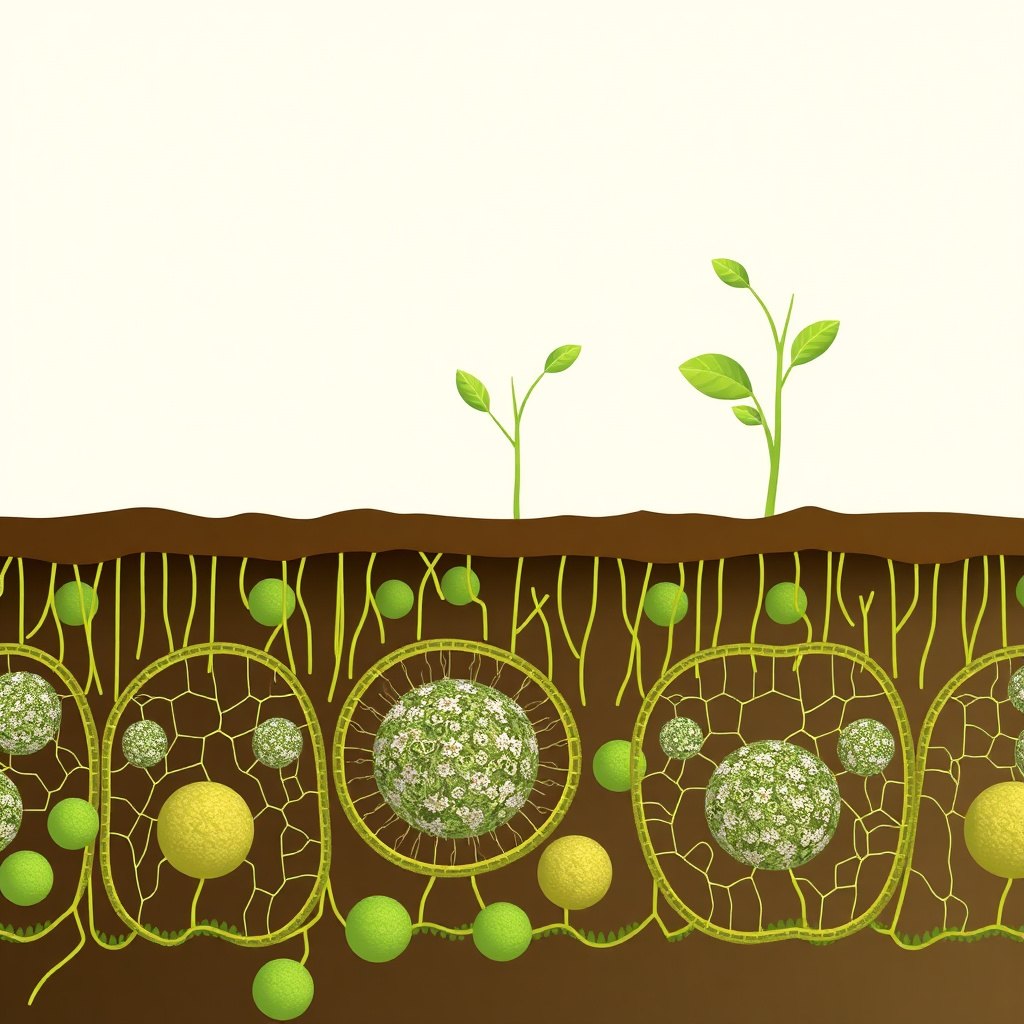
Calcium stabilizes cell walls by cross-linking pectin molecules, providing rigidity and mechanical strength. This helps maintain plant shape and aids in resisting pathogen invasion.
Beyond structural roles, calcium acts as a secondary messenger in cellular signaling, influencing growth and response to environmental stimuli.
Calcium’s Influence on Root Development and Nutrient Uptake
Adequate calcium enhances root elongation and the capacity for nutrient absorption. Calcium ions improve membrane permeability, making water and minerals more accessible to plant cells.
Without enough calcium, roots may become weak, limiting their functionality and causing nutrient imbalances across the plant.
Identifying and Addressing Calcium Deficiency in Plants
Common Symptoms of Calcium Deficiency
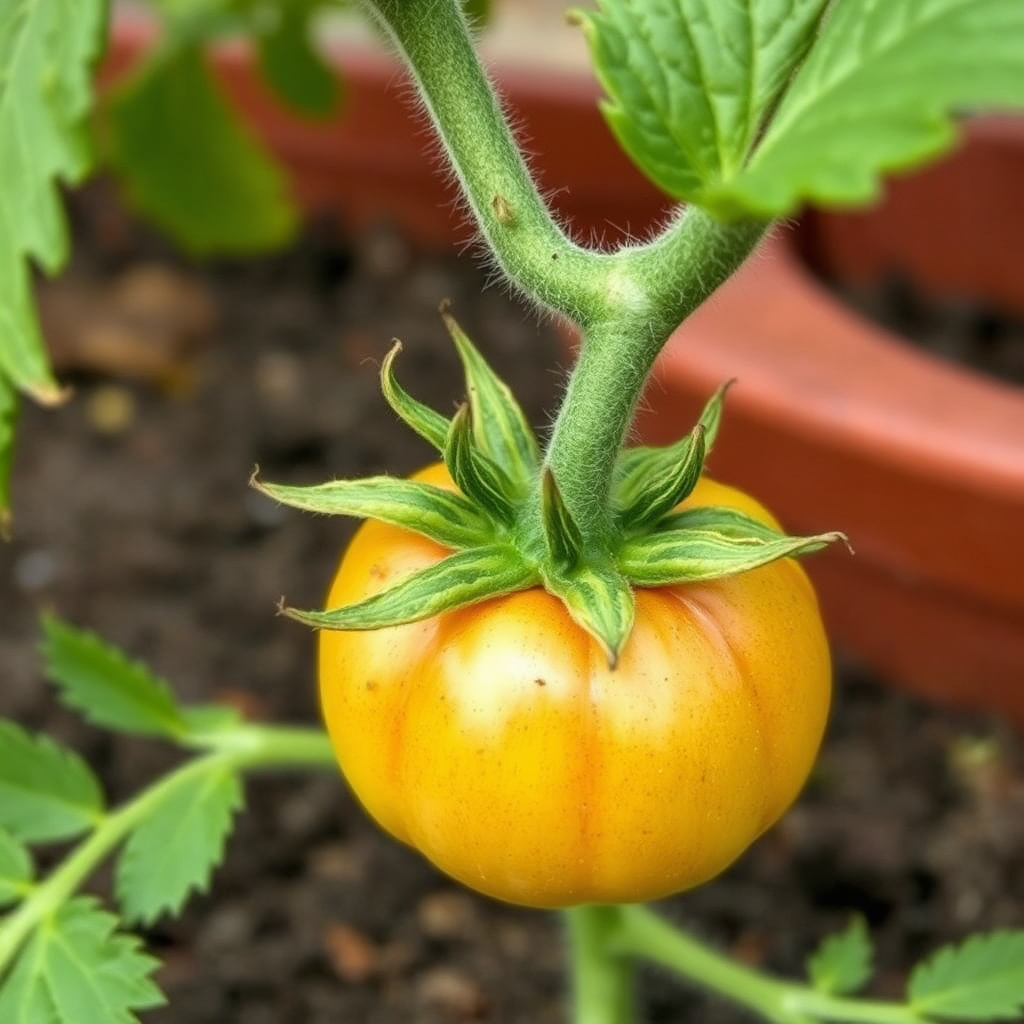
Calcium deficiency typically presents as tip burn on leaves, blossom-end rot on fruits like tomatoes and peppers, and distorted or stunted new growth.
Since calcium moves poorly within the plant after uptake, deficiency symptoms often appear on the youngest tissues first.
- Leaf curling or browning margins
- Poor fruit quality or blackened fruit bottoms
- Slow and weak root growth
For more on this, see our related guide: Best Nutrients for Cannabis Plants: Essential Guides for Thriving Growth.
Testing Soil and Plant Tissues for Calcium Levels
Soil tests can measure available calcium and soil pH, which affects calcium solubility. Plant tissue tests offer a direct look at calcium status within active growing parts.
Regular testing helps predict and prevent deficiency before visible symptoms develop, guiding corrective fertilization strategies.
Supplying Calcium for Healthy Plant Growth
Common Calcium Fertilizers and Amendments
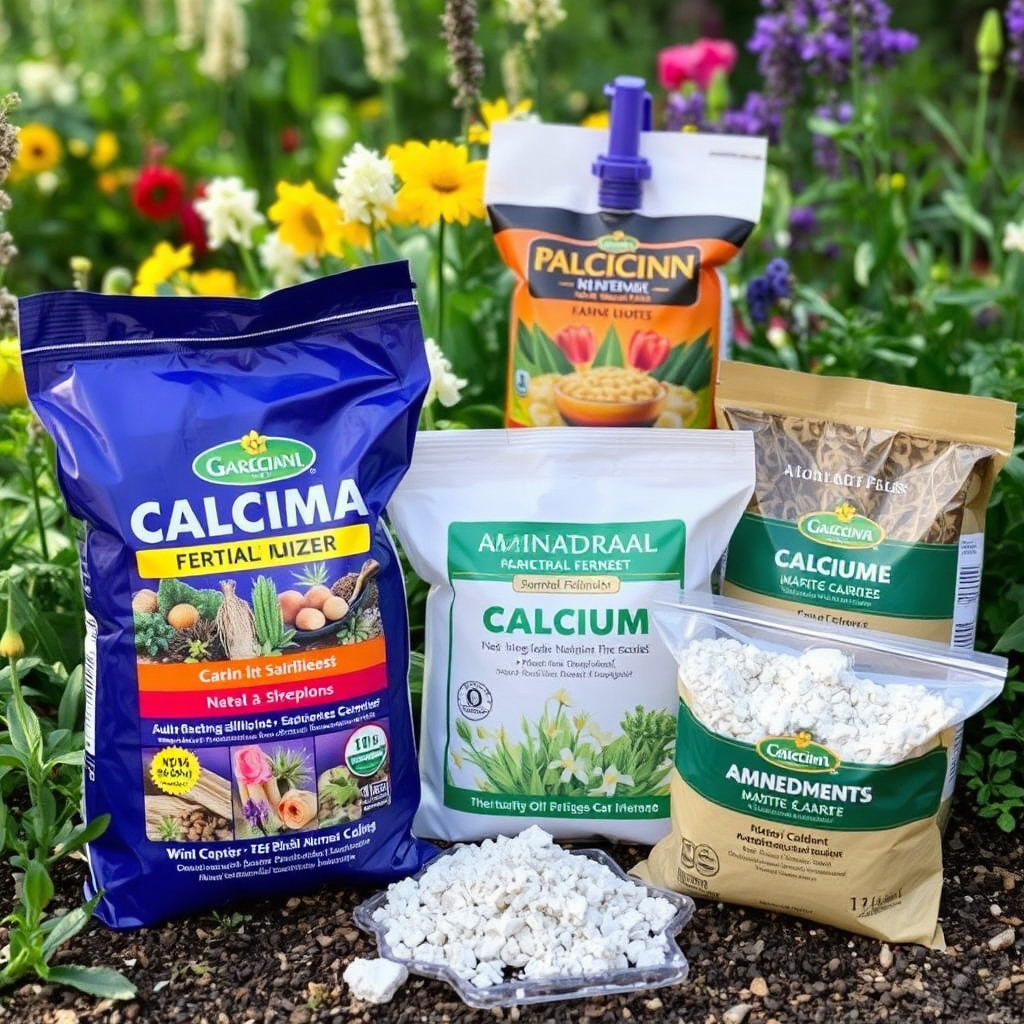
Gardeners often use agricultural lime (calcium carbonate), gypsum (calcium sulfate), and calcium nitrate to supply calcium. Each has specific uses depending on soil pH and crop needs.
Organic sources like crushed eggshells and bone meal provide slower-release calcium, benefiting long-term soil health.
- Agricultural lime adjusts soil pH and adds calcium
- Gypsum provides calcium without altering pH
- Calcium nitrate supplies readily available calcium and nitrogen
Foliar Calcium Applications
Foliar sprays with calcium chloride or calcium chelates can quickly correct deficiencies when uptake from soil is limited.
These sprays are particularly effective during fruit development stages to reduce disorders like blossom-end rot.
Managing Soil Conditions to Optimize Calcium Availability
Soil pH Effects on Calcium Mobility
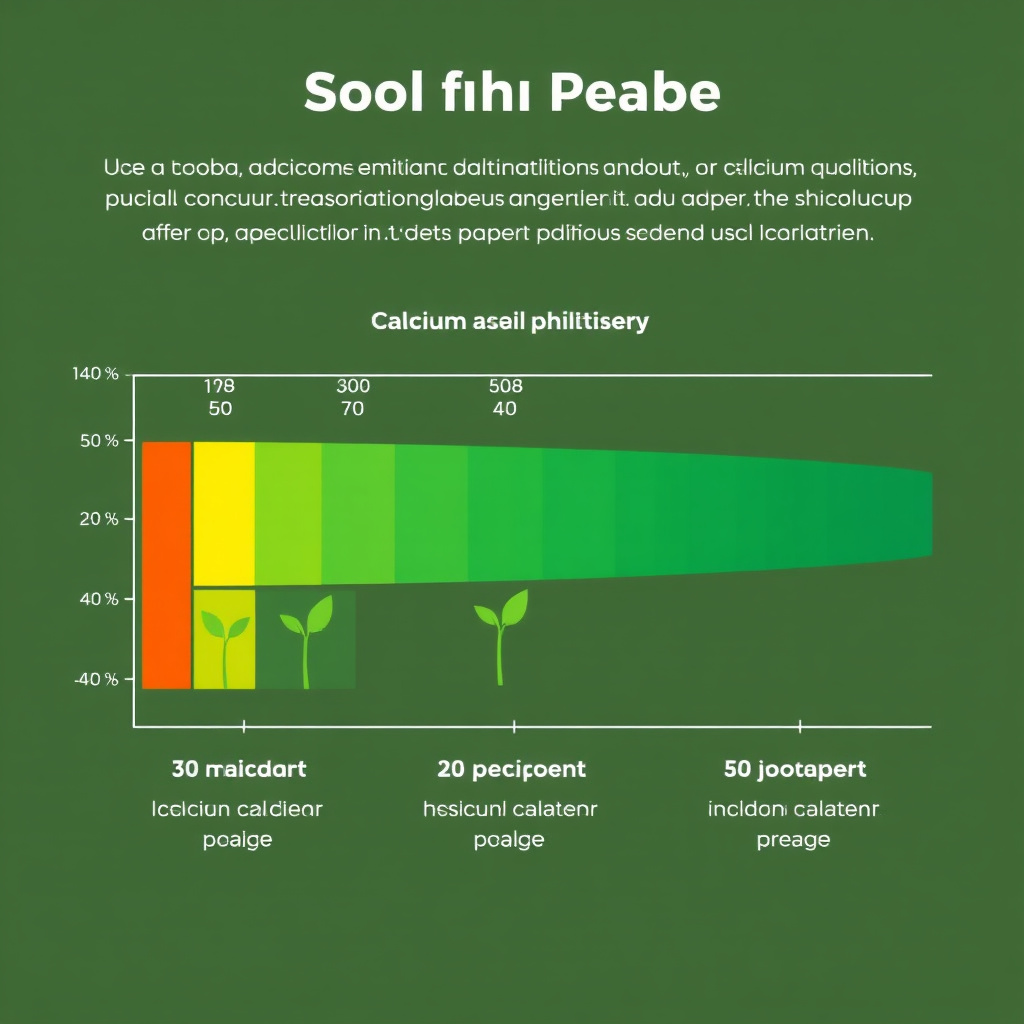
Calcium is less available in very acidic soils where aluminum and manganese toxicity can predominate, and in overly alkaline soils where other nutrients become limited.
Maintaining a soil pH around 6.0 to 7.0 usually promotes optimal calcium availability.
For more on this, see our related guide: How to Choose the Best Soil for Cannabis Plants: A Complete Guide.
Balancing Calcium with Other Nutrients
Excess potassium or magnesium can compete with calcium uptake. Maintaining balanced fertilizer applications helps prevent calcium deficiencies induced by nutrient antagonism.
Choosing fertilizer blends thoughtfully supports proper nutrient ratios critical for plant health.
Avoiding Common Mistakes When Providing Calcium

Over-Application of Lime and Consequences
Applying too much lime rapidly can raise pH excessively, locking out micronutrients like iron and causing chlorosis.
Proper soil testing before lime application prevents these problems and maintains nutrient harmony.
For a scientific overview of how calcium functions in plants, the Calcium in plants Wikipedia article gives detailed explanations. Calcium in plants Wikipedia article.
Ignoring Plant-Specific Calcium Needs
Different crops vary in calcium requirements; for example, tomatoes need more calcium to avoid blossom-end rot than many other vegetables.
Tailoring calcium management by crop type improves growth outcomes and reduces nutrient wastage.
Calcium Sources for Plants: A Comparative Overview
Here’s a comparison of common calcium fertilizers and amendments based on pH effects, calcium content, and application benefits.
| Source | Calcium Content (%) | Effect on Soil pH | Ideal Usage |
|---|---|---|---|
| Agricultural Lime (Calcium Carbonate) | 30-40 | Raises pH | Acidic soils needing pH adjustment |
| Gypsum (Calcium Sulfate) | 23 | No pH change | Improve soil structure, add calcium without altering pH |
| Calcium Nitrate | 19 | Slight increase | Fast calcium supply and nitrogen fertilization |
| Bone Meal | 20-28 | Neutral/slight increase | Organic source, slow release |
| Eggshells (Crushed) | Varies (~27) | Neutral | Organic, very slow release |
Frequently Asked Questions
Why do plants need calcium?
Plants need calcium mainly to build strong cell walls, aiding structural support and disease resistance. It also plays roles in cellular signaling and nutrient uptake.
Can excess calcium harm plants?
Excess calcium itself rarely causes toxicity but can disrupt nutrient balance, especially by reducing magnesium and potassium uptake, harming plant health.
How quickly does calcium deficiency show symptoms?
Symptoms like tip burn or blossom-end rot often appear several weeks after calcium becomes limiting, since it moves slowly within the plant.
Is foliar spray a good way to supply calcium?
Foliar sprays offer a rapid calcium boost when soil uptake is poor, particularly effective during critical growth phases like fruit development.
Does soil pH affect calcium availability?
Yes, calcium is most available at near-neutral pH. Acidic or very alkaline soils reduce its solubility, impacting plant uptake.
Key Takeaways
- Calcium strengthens plant cell walls and supports root growth.
- Deficiency causes disorders like blossom-end rot and tip burn.
- Use soil tests to guide calcium fertilizer and pH management.
- Balance calcium with other nutrients to avoid uptake issues.
Conclusion
Understanding calcium’s role in plant health revolves around recognizing its structural and physiological functions. Successful growth depends on stable cell walls and well-functioning root systems, both heavily reliant on calcium. Monitoring soil and plant tissue calcium content provides critical insight to prevent common disorders and promote vigor in vegetables, fruits, and ornamentals.
Practical calcium management combines proper fertilizer selection, soil pH adjustment, and nutrient balancing. For acidic soils, agricultural lime not only supplies calcium but improves pH, enhancing availability. Gypsum suits neutral soils requiring calcium without pH shifts, while calcium nitrate offers quick correction in active growth stages. Foliar sprays serve as timely fixes when soil calcium is deficient or inaccessible, especially for sensitive crops like tomatoes vulnerable to calcium deficiency.
Home gardeners and commercial growers should start with a soil test to determine inherent calcium levels and pH before making amendments. Following that, choosing the suitable calcium source and application method tailored to the specific crop needs can prevent deficiencies and improve yields. Paying attention to calcium along with other nutrients streamlines plant nutrition, providing a practical route to healthier, more resilient plants.