How to Start a Garden on a Budget: Affordable Tips for Thriving Plants
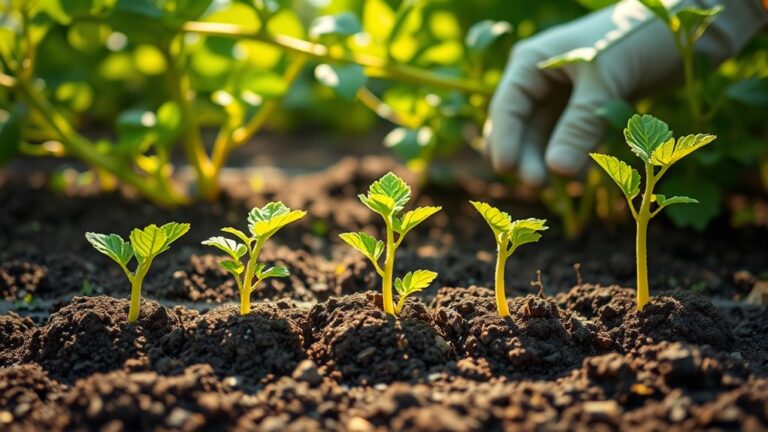
Starting a garden on a budget is entirely possible by focusing on essential resources, using recycled materials, and selecting low-cost plants that thrive in your environment. This approach allows you to enjoy a beautiful, productive garden without spending a fortune upfront. With some planning and creativity, you can establish a flourishing garden space without breaking the bank.
Gardening can quickly become expensive if you purchase premium tools, exotic plants, and fancy garden decor. However, many gardeners save money by opting for seeds rather than starter plants, repurposing containers, and growing native or easy-care varieties that require less maintenance. These choices not only reduce costs but also foster sustainable gardening practices that benefit both your wallet and the environment.
This article covers practical strategies on how to start a garden on a budget, including affordable soil preparation, budget-friendly plants, low-cost gardening tools, and simple container gardening ideas. By following these tips, you can build a vibrant garden space that suits your style and financial limits.
Planning Your Budget Garden
Setting a Realistic Budget
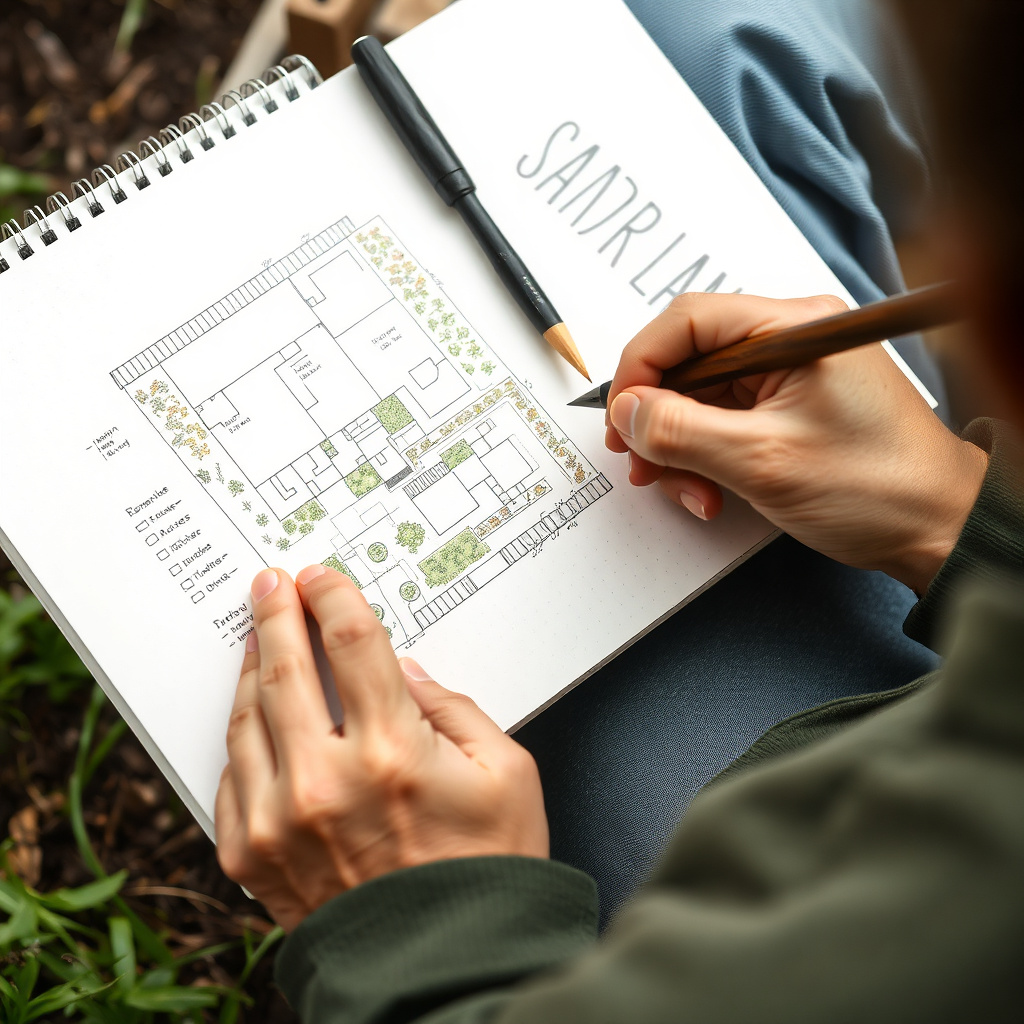
Determine how much money you can reasonably dedicate to your garden without stretching yourself financially. Listing necessary items such as soil, seeds, pots, and tools helps prioritize spending. Starting small and expanding gradually keeps costs manageable and reduces initial financial pressure.
Tracking expenses from the outset will prevent overspending and guide future purchases. Consider allocating funds for unexpected costs like plant replacements or pest control, preventing budget surprises as your garden grows.
Choosing the Right Location
Selecting a suitable spot for your garden within your yard or balcony ensures better growth and reduces costs associated with altering the terrain or installing expensive irrigation. Look for areas with adequate sunlight and good drainage to maximize plant health naturally.
Using an existing space efficiently avoids additional expenditures such as raised beds or soil delivery. Positioning your garden near your home also makes care easier and encourages more frequent attention.
Affordable Soil and Fertilizer Options
Using Compost and Mulch
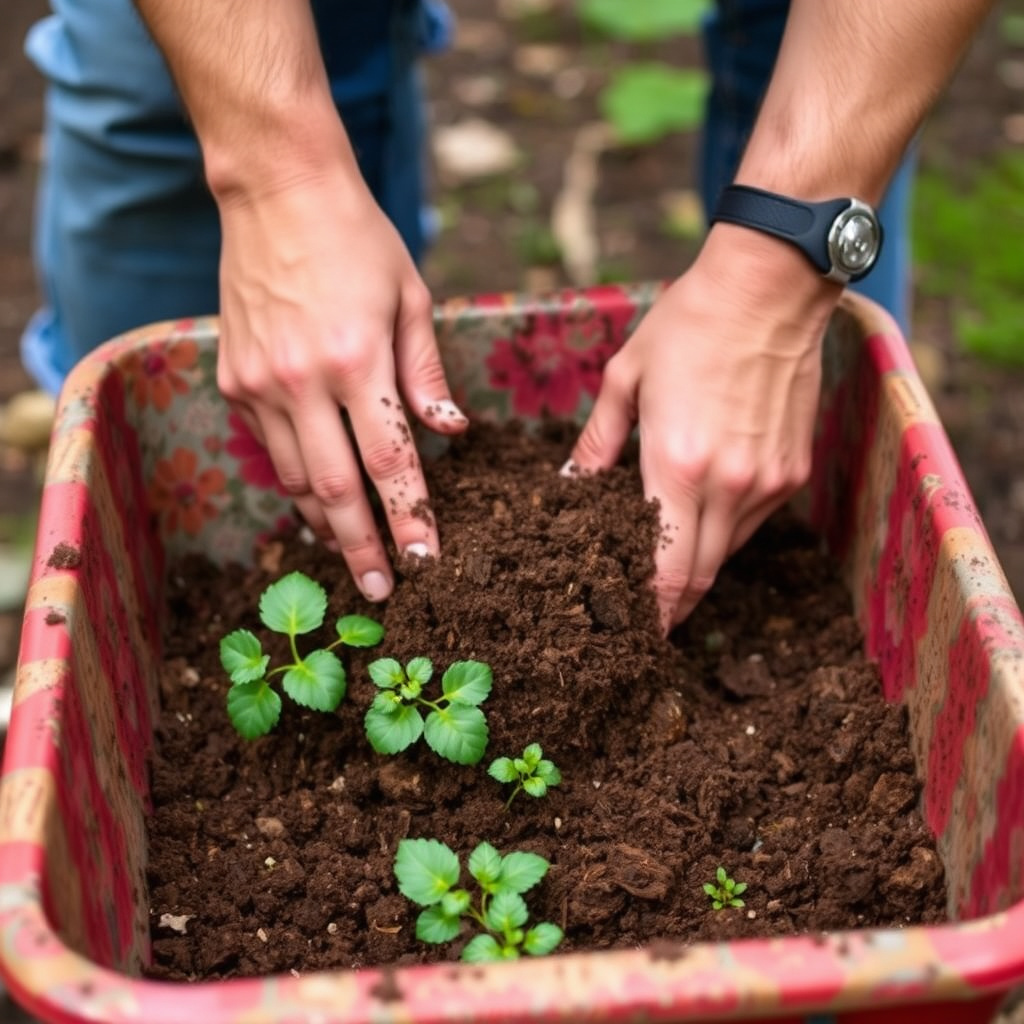
Creating your own compost from kitchen scraps and yard waste is a low-cost way to enrich your soil while reducing household waste. Valuable nutrients from compost enhance plant growth and soil structure without repeatedly purchasing chemical fertilizers.
Applying mulch sourced from lawn trimmings or shredded leaves also conserves moisture, suppresses weeds, and gradually improves soil fertility naturally, keeping gardening costs down throughout the season.
- Collect vegetable peelings and coffee grounds
- Use fallen leaves as mulch
- Avoid buying synthetic fertilizers initially
Buying Bulk Soil or Amending Existing Soil
When additional soil is needed, buying bulk garden soil or topsoil often costs less than small bags. Combining bulk soil with homemade compost creates a nutrient-rich growing medium at a fraction of commercial prices.
Testing your soil’s quality helps identify deficiencies you can correct inexpensively using organic amendments like bone meal or green sand, rather than high-priced commercial mixes.
- Check local garden centers for bulk soil deals
- Amend soil with natural materials over time
Selecting Budget-Friendly Plants

Starting from Seeds
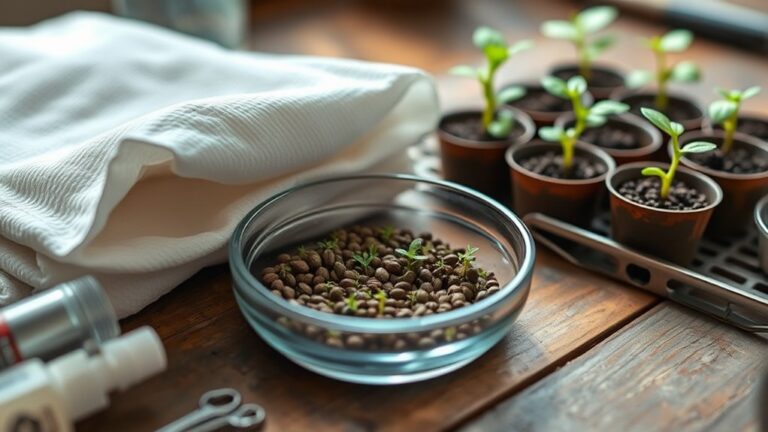
Growing plants from seeds is one of the most economical ways to build a garden. Many seeds are inexpensive and can produce dozens of plants, providing more value than buying mature plants. Seed catalogs and local exchanges offer a variety of options suited to your climate.
Seed starting indoors extends the growing season and increases success rates. Using recycled containers and homemade seed trays supports a sustainable approach while reducing expenses.
- Buy seeds in bulk for discounts
- Save seeds from previous plants
- Use egg cartons or yogurt cups as seed starters
For more on this, see our related guide: How to Compare Seed Varieties for Successful Gardening.
Choosing Native and Low-Maintenance Varieties
Native plants typically require fewer resources because they are adapted to local conditions, meaning lower water, fertilizer, and pest-control costs. Selecting plants that thrive naturally in your area maximizes success and reduces the need for costly maintenance.
Perennials and drought-tolerant species are great low-maintenance options. They come back year after year without needing frequent replacement, saving money over time.
- Research native plants suited to your zone
- Avoid high-maintenance exotic varieties
Cost-Conscious Gardening Tools and Equipment
Essential Tools to Buy
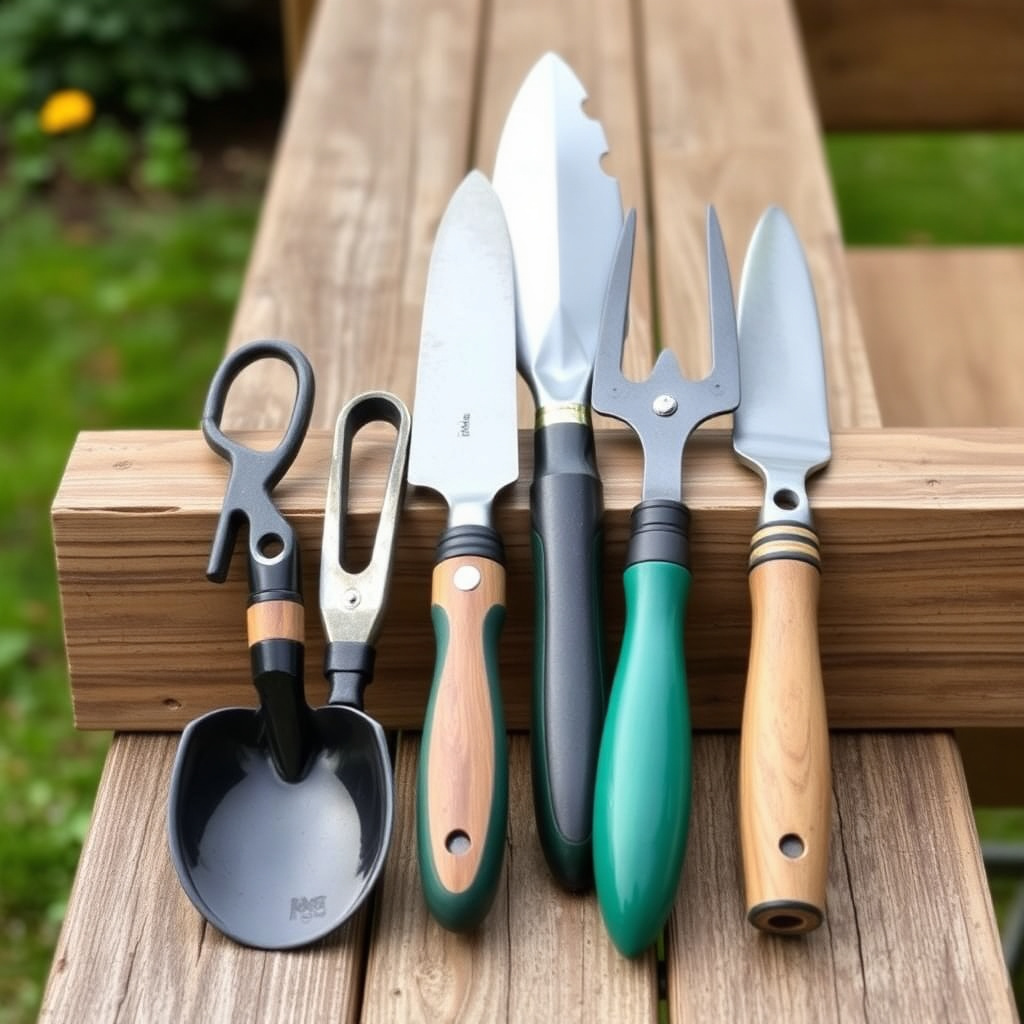
Invest in a few high-quality, multipurpose tools such as a trowel, pruners, and a watering can. This minimal set covers most gardening tasks, reducing the temptation to purchase novelty tools that go unused.
Check thrift stores, garage sales, or online marketplaces for affordable secondhand tools in good condition. Properly maintained, these can perform as well as new tools at a fraction of the price.
- Trowel
- Pruning shears
- Watering can
- Gloves
DIY Containers and Supports
Rather than buying expensive garden pots or trellises, use recycled materials such as old buckets, wooden pallets, or scrap metal for containers and plant supports. These creative options personalize your garden while keeping expenses low.
Repurposed containers should have drainage holes added for healthy root development. DIY supports like bamboo sticks or string trellises fulfill plant needs without costly purchases.
- Recycle household containers with drainage
- Use natural materials for stakes and trellises
Container Gardening on a Budget

Selecting Inexpensive Containers
Containers don’t need to be costly ceramic pots. Plastic bins, wooden crates, or terracotta pots from clearance sales make great affordable options. Choosing containers that fit your space saves money and minimizes waste.
Make sure containers have adequate drainage and are the right size for the plants to avoid costly replacements and ensure healthy growth.
- Use repurposed household items
- Check discount stores or sales for deals
For more on this, see our related guide: Best Grow Lights for Indoor Plants: How to Choose the Right One.
Optimizing Space with Vertical Gardening
Vertical gardening can maximize small spaces while reducing costs by using wall-mounted planters or hanging pots made from recycled materials. This setup increases plant variety without requiring a larger footprint or expensive garden beds.
DIY vertical systems using pallets or mesh grids provide ample growing opportunities for herbs, strawberries, and climbing vegetables on a tight budget.
- Build wall-mounted planters from scrap wood
- Hang containers using sturdy ropes or wires
Watering and Maintenance Strategies

Water-Saving Techniques
Efficient watering methods reduce water bills and keep plants healthy. Use drip irrigation or soaker hoses positioned close to roots to minimize evaporation. Water early in the morning or late in the evening for best results.
Collecting rainwater in barrels offers a free water source that lowers dependence on municipal supplies and supports environmentally friendly gardening habits.
- Employ drip irrigation or soaker hoses
- Use rain barrels to collect and store water
For more detailed insights on how to start a budget-friendly garden, the USDA offers a helpful starting a garden guide. starting a garden guide.
Regular Maintenance to Avoid Extra Costs
Routine tasks like pruning, weeding, and monitoring for pests prevent issues that could demand expensive treatments or replanting. Consistent care maintains plant health and productivity, stretching your garden budget further.
Using natural pest deterrents such as companion planting and homemade sprays avoids costly chemicals while supporting a balanced garden ecosystem.
- Remove weeds promptly
- Inspect plants regularly for pests or diseases
Budget Gardening Methods Comparison
Here’s a side-by-side comparison of popular gardening methods suitable for budget-conscious gardeners, highlighting their costs, space needs, and maintenance levels.
| Gardening Method | Initial Cost | Space Required | Maintenance Level | Ideal For |
|---|---|---|---|---|
| Seed Starting Indoors | $10–$30 | Small indoor space | Medium | Season extension and large plant numbers |
| Container Gardening | $20–$50 | Small to medium | Low to medium | Balconies and patios |
| Raised Beds | $50–$200 | Medium | Medium | Backyards with poor soil |
| Traditional In-ground | $10–$40 | Large yard space | High | Gardeners with ample land |
| Vertical Gardening | $15–$60 | Very small | Low | Space-limited growers |
Frequently Asked Questions
Can I start a garden without buying soil?
Yes, you can use existing garden soil by improving it with homemade compost and organic amendments, reducing the need to purchase new soil.
Is starting plants from seeds more cost-effective than buying seedlings?
Growing from seeds is generally cheaper and offers more plant varieties, though it requires more time and care compared to purchasing ready seedlings.
What’s a simple way to water plants efficiently and save money?
Using drip irrigation or soaker hoses directs water to plant roots, reducing waste and lowering water bills.
How can I prevent pests without spending much?
Companion planting and homemade organic sprays are affordable, natural pest control methods that keep plants healthy.
Are native plants better for budget gardening?
Yes, native plants adapt well to local conditions, needing less water and fertilizer, which cuts down overall gardening expenses.
Key Takeaways
- Start small and plan a clear budget before buying materials.
- Use seeds and native plants to reduce initial costs and maintenance.
- Repurpose containers and tools to avoid unnecessary expenses.
- Adopt water-saving techniques and regular upkeep to sustain your garden affordably.
Conclusion
When thinking about how to start a garden on a budget, the main focus should be on prioritizing essential purchases and maximizing use of existing and recycled materials. By choosing easy-care, local plants and nurturing soil with homemade compost, you set a strong foundation without overextending financially. Establish a plan that grows alongside your budget and space, allowing gradual expansion rather than a costly one-time setup.
For gardeners looking for concrete options, seed starting indoors offers a great balance between cost savings and plant variety, while container gardening suits those with limited space who want quick results. Raised beds provide more control over soil quality but require a higher initial investment. Whichever method you choose, keeping maintenance low and watering efficiently makes a big difference to ongoing expenses and plant health.
The next step is to gather seeds, containers, and compost materials while identifying a suitable garden spot. Start with a manageable project focusing on a few favorite plants and build momentum from there. With patience and creativity, you’ll enjoy a thriving garden that reflects your care and financial prudence.