What Is a LED Grow Light and How It Benefits Indoor Gardening
A LED grow light is a type of lighting system using light-emitting diodes (LEDs) designed specifically to support plant growth indoors. Unlike traditional grow lights, these emit specific light wavelengths that plants need for photosynthesis, promoting healthier, controlled plant development.
Indoor gardening requires supplemental lighting because natural sunlight is often insufficient or unavailable. LED grow lights help replicate sunlight’s spectrum efficiently, allowing plants to thrive regardless of weather or location, making them popular among hobbyists and commercial growers alike.
This article explores what LED grow lights are, how they work, the different types available, factors to consider when purchasing one, and useful comparisons. By understanding this technology, you can choose the right LED grow light for your gardening needs.
How LED Grow Lights Work

Light Spectrum and Plant Growth
LED grow lights emit specific wavelengths of light crucial for photosynthesis, mainly in the blue and red light spectrum. Blue light encourages vegetative leaf growth while red light supports flowering and fruiting phases.
By controlling light quality, intensity, and duration, LED grow lights can simulate natural sunlight patterns, helping plants adapt better to indoor environments without overusing electricity.
Energy Efficiency and Heat Management
Compared to traditional lighting like HPS or fluorescent bulbs, LED grow lights consume less electricity and generate minimal heat. This makes them safer for plants and reduces the need for additional cooling systems.
Efficient energy use leads to lower utility bills and a smaller environmental footprint, which is especially important for large-scale indoor cultivation setups.
Types of LED Grow Lights

Full-Spectrum LED Panels
Full-spectrum LED panels cover a wide range of light wavelengths, closely mimicking natural sunlight. They support all growth stages from seedling to harvest and are widely used by indoor gardeners.
These panels offer even light distribution and adjustable intensity settings, making them versatile for different plant types and growing conditions.
For more on this, see our related guide: What Affects Plant Growth: Key Factors Explained for Healthy Gardens.
Targeted Spectrum LED Bulbs
These LED bulbs focus on specific wavelengths, usually red or blue, designed to enhance certain growth phases like flowering or leafy growth. They tend to be smaller and fit into standard light fixtures.
Targeted bulbs are useful for supplementing natural light or other grow lights but might not support full growth cycles standalone.
Choosing the Right LED Grow Light
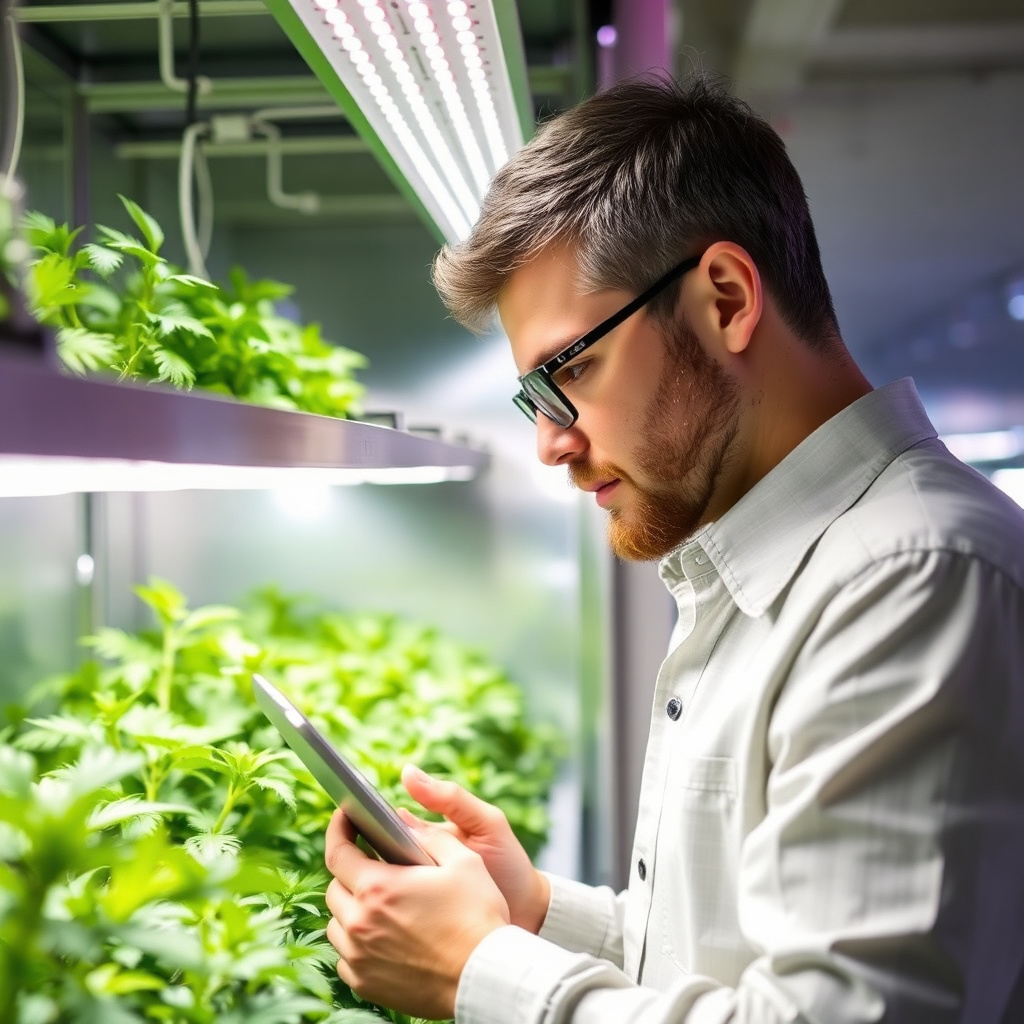
Matching Light Intensity to Plant Needs
Different plants require varying light intensities measured in PPFD (Photosynthetic Photon Flux Density). Seedlings and herbs need lower light levels, while fruiting or flowering plants typically need higher intensity.
Selecting an LED grow light with adjustable output or proper wattage ensures optimal growth without wasting energy or damaging plants with excessive light.
Coverage Area and Fixture Size
LED grow lights vary in their effective coverage area; larger panels cover more space but may cost more. It's essential to match the light size to your grow space for even illumination.
Consider height adjustability and fixture mounting options to position the lights correctly for the best results.
Installation and Maintenance Tips
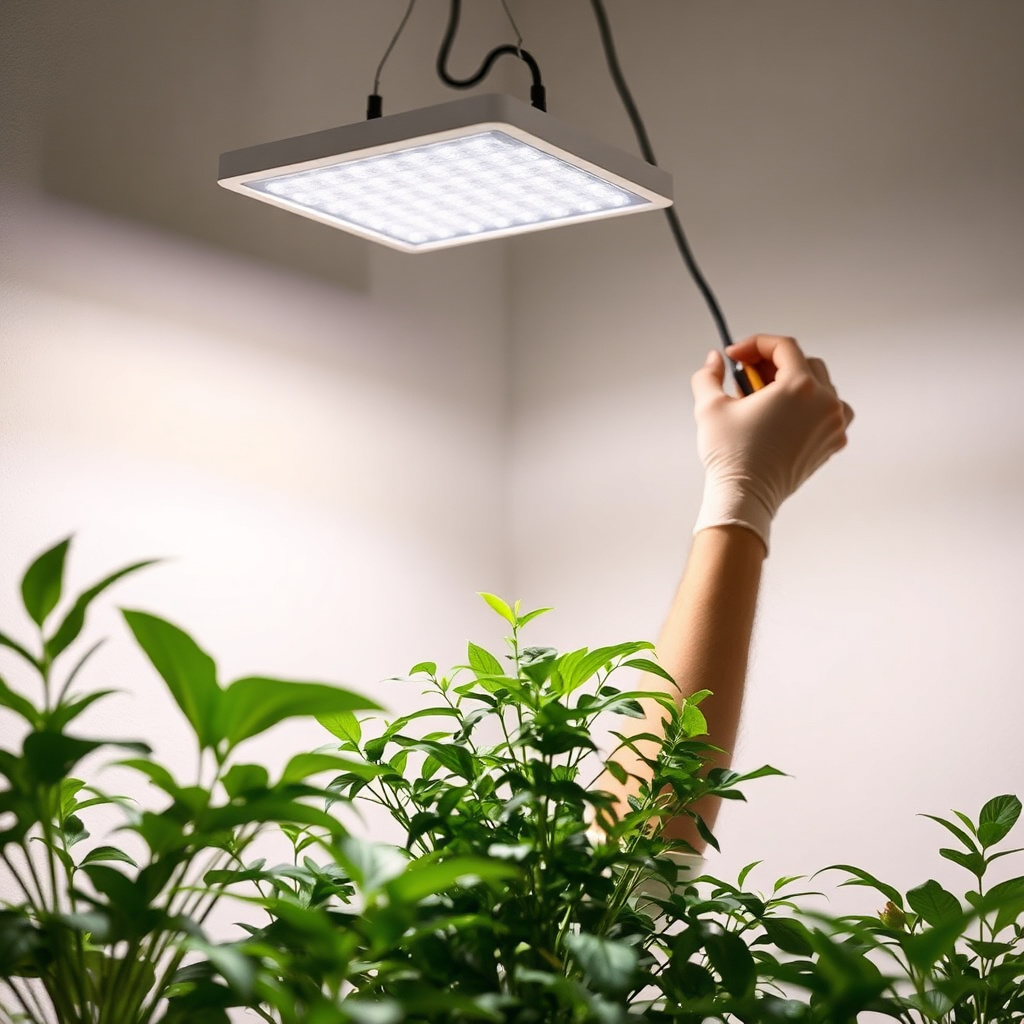
Proper Placement and Timing
Place LED grow lights at appropriate distances from plants to avoid light burn while ensuring sufficient exposure. Commonly, 12-24 inches above the canopy is effective depending on light intensity.
Maintaining consistent daily light cycles, usually 12-18 hours, aligns with natural plant rhythms and helps regulate growth stages.
For more on this, see our related guide: Cannabis Flowering Time Explained: How to Optimize Your Grow Cycle.
Cleaning and Lifespan Considerations
Keeping LED grow lights dust-free improves light output and ensures longevity. Regularly wipe the surface with a soft cloth and avoid moisture exposure to the electrical components.
Most LED grow lights have lifespans of 25,000 to 50,000 hours, but consistent maintenance can extend their effective use.
Benefits of LED Grow Lights for Indoor Gardening

Enhanced Plant Health and Yield
Because LED grow lights deliver light closely matching plant needs, they promote stronger stems, larger leaves, and increased yields compared to conventional lighting.
This precise spectrum control reduces stress on plants and supports year-round cultivation regardless of outdoor conditions.
To explore more technical details about grow lights and their types, you can visit the LED grow light Wikipedia article. LED grow light Wikipedia article.
Environmental and Cost Advantages
LED grow lights consume significantly less electricity and produce less heat, lowering energy costs and minimizing cooling demands. This makes them a more sustainable option especially for commercial growers.
Their durability and long lifespan reduce replacement frequency, offering additional financial savings over time.
LED Grow Light Types Comparison
This table compares common LED grow light types based on key features to help you select the best option for your indoor garden.
| Type | Light Spectrum | Energy Efficiency | Coverage Area | Best Use Case |
|---|---|---|---|---|
| Full-Spectrum LED Panel | Broad spectrum (blue, red, others) | High | Large (4×4 ft or more) | All growth stages |
| Red/Blue Targeted LED Bulbs | Selective wavelengths | Medium | Small (1×1 ft to 2×2 ft) | Specific growth phase |
| LED Strip Lights | Adjusted spectrum strips | Medium | Medium (2×2 ft) | Supplemental lighting |
| COB (Chip on Board) LEDs | Intense focused spectrum | High | Medium to small | High-intensity growth phases |
| Fluence-style LED Bars | Broad spectrum | Very High | Varied modular | Commercial applications |
Frequently Asked Questions
Can LED grow lights replace sunlight completely?
Yes, properly designed LED grow lights can fully substitute sunlight by providing the required light spectrum and intensity for indoor plants throughout their growth cycle.
How far should LED grow lights be from plants?
The ideal distance usually ranges from 12 to 24 inches, depending on the light intensity and plant species. Too close may cause light burn; too far reduces effectiveness.
Are LED grow lights energy efficient compared to other types?
LED grow lights are generally much more energy efficient than traditional HPS or fluorescent grow lights, consuming less power and emitting less heat.
Do all plants require the same LED grow light spectrum?
No, different plants and growth stages require various light spectra. Full-spectrum lights support all phases, while some plants may benefit from targeted red or blue wavelengths.
How long do LED grow lights typically last?
Most LED grow lights have a lifespan between 25,000 and 50,000 hours, depending on use and maintenance practices.
Key Takeaways
- LED grow lights provide specific light wavelengths essential for indoor plant photosynthesis.
- Full-spectrum LED panels support all growth stages with efficient energy use.
- Choosing the right light intensity and coverage is vital for healthy plant development.
- LED grow lights offer long lifespan and cost savings compared to traditional lighting.
Conclusion
When deciding on a LED grow light, balancing light spectrum, intensity, and coverage to your specific plants’ needs is crucial. Understanding how different LED types deliver light helps avoid common mistakes, like under-lighting or over-exposure, ensuring consistent growth indoors. Thoughtful selection minimizes wasted energy and maximizes plant health.
For beginners growing herbs or seedlings, full-spectrum LED panels provide versatile, cost-effective lighting that covers all growth stages. Experienced growers cultivating flowering or fruiting plants might consider combining full-spectrum lights with targeted red or blue LEDs to fine-tune development and boost yields. Large-scale growers benefit from modular LED bars or COB LEDs for customizable, powerful setups.
Start by evaluating your grow space size and plant types, then choose a LED grow light that fits those needs. Look for reliable brands with adjustable settings and positive user reviews. With the right LED grow light, you can enjoy thriving indoor plants year-round with less energy and maintenance headaches.