Do You Grow Cherry Trees From Seeds in 7 Simple Steps?
Growing cherry trees from seeds can seem like a rewarding but daunting task, especially if you’re new to gardening. Many people struggle with getting their trees to thrive or aren’t sure where to start. If you’ve ever wondered if it’s possible to grow cherry trees from seeds, you’re not alone.
Yes, you can grow cherry trees from seeds in 7 simple steps. Start by selecting healthy seeds from a reputable source and preparing them through stratification, refrigerating them in a moist medium for several weeks.
Plant the seeds in well-draining soil and containers, then transplant the seedlings outdoors once they’re strong. Maintain proper watering, protect them from harsh weather, and prune regularly.
If you want detailed guidance on each step, there’s more to learn to guarantee your cherry tree thrives.
Key Takeaways
- Select healthy, high-quality cherry seeds and stratify them in moist conditions for 8-12 weeks before planting.
- Use well-draining, slightly acidic soil in containers or outdoor beds, planting seeds 1-2 inches deep.
- Transplant seedlings outdoors once they are sturdy and after the danger of frost has passed, in a sunny, well-prepared spot.
- Gradually get your seedlings used to outdoor conditions, making sure to water properly, mulch, and protect from harsh weather.
- Keep up with regular care like pruning, pest control, fertilizing, and mulching to help your cherry trees grow healthy and strong.
How to Choose the Right Cherry Seeds for Planting
How do you guarantee you’re starting with high-quality cherry seeds? The key is choosing a reliable seed source. Look for seeds from reputable nurseries or suppliers known for healthy, viable seeds.
Avoid wild or uncertified sources, as these may carry diseases or have poor germination rates. Next, consider the seed variety. Pick one that’s suited to your climate and growing conditions—whether it’s sweet, sour, or a specific cherry cultivar.
Research the parent tree’s health and fruit quality to make sure you’re getting top-quality seeds. Avoid seeds from overripe or damaged cherries, since they might not germinate well.
Choose seeds from healthy, high-quality cherries for better germination and tree growth.
Freshness really matters, so choose seeds that haven’t been stored for too long. By carefully selecting your seed source and variety, you set a strong foundation for successful cherry tree growth.
This thoughtful choice improves your chances of planting healthy, productive cherry trees in the future.
How to Prepare Cherry Seeds for Successful Germination
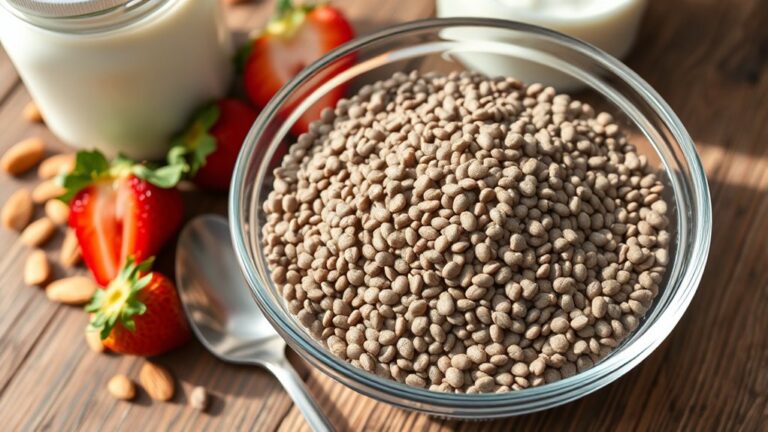
Preparing cherry seeds properly is key to making sure they germinate successfully. First, pick healthy, plump seeds that are free of cracks or mold.
Next, you’ll need to go through stratification, which mimics winter conditions to break dormancy. This means placing the seeds in a moist medium and refrigerating them for 8-12 weeks.
During this time, keep an eye on the seeds to make sure they stay moist and healthy. After stratification, rinse the seeds to remove any mold or debris before planting.
You can also soak the seeds in water for 24 hours before planting to help speed up germination.
Following these steps will give your cherry seeds the best chance to sprout and grow into healthy trees.
What Soil and Containers Are Best for Growing Cherry Trees
To give your cherry tree the best start, choosing the right soil and container is key. Cherry trees do well in well-draining soil with a slightly acidic to neutral pH, ideally between 6.0 and 7.0.
You want soil that holds onto moisture but doesn’t become waterlogged, so the roots stay healthy. For containers, pick a size that gives enough room for root growth—at least 18 to 24 inches across.
Make sure the container has drainage holes to let excess water escape. This helps prevent root rot and keeps your tree healthy. Use a high-quality potting mix designed for fruit trees or add organic matter to regular soil to boost drainage and fertility.
Place your container in a sunny spot because cherry trees need plenty of sunlight to thrive. Proper soil and container choices will give your cherry tree a strong foundation for healthy growth.
How to Plant Cherry Seeds Step-by-Step
Planting cherry seeds properly sets the foundation for healthy growth. First, check seed viability by selecting fresh, firm seeds that feel heavy. If you’re unsure, do a float test: place seeds in water; viable seeds usually sink.
Next, prepare your planting containers with well-draining soil, making sure it’s moist but not waterlogged. To boost germination, cold stratify the seeds by placing them in the refrigerator for 8-12 weeks in a damp paper towel or moist soil.
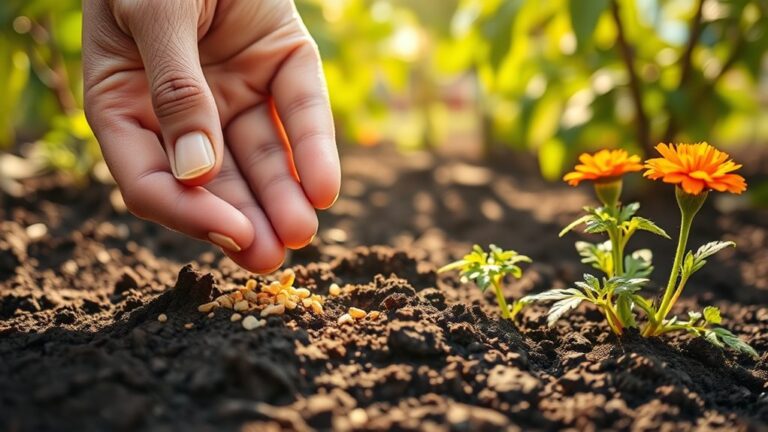
After stratification, plant each seed about 1–2 inches deep and space them evenly. Cover lightly with soil and gently water to settle the soil around the seed. Label the containers if you’re planting multiple varieties.
Keep the soil consistently moist but avoid overwatering. Proper planting technique encourages good germination rates and gives your cherry seeds the best chance to sprout into healthy seedlings.
How to Maintain Optimal Conditions for Cherry Seed Germination
Want to give your cherry seeds the best shot at sprouting? It all comes down to creating the perfect environment. First off, make sure you’re using well-draining soil that’s rich in nutrients—this helps the seeds get the support they need without drowning.
Next, keep the temperature just right—ideally between 65 and 75°F. Too hot or too cold, and your seeds might get confused or just sit there waiting. And don’t forget about watering! Keep the soil consistently moist, but be careful not to overdo it. Too much water can lead to rot, so find that sweet spot.
If you pay attention to these details, your cherry seeds will have the best chance to sprout healthy and strong.
Proper Soil Composition
Choosing the right soil mix is key to successful cherry seed germination. You want soil with a balanced nutrient profile and proper soil pH to support healthy root development.
Aim for a slightly acidic to neutral pH, around 6.0-7.0, to make sure nutrients are easily available to the seeds. Use a well-draining mix that holds moisture but doesn’t stay waterlogged.
Here’s a simple breakdown:
| Soil Component | Purpose | Ideal Range/Amount |
|---|---|---|
| Organic Matter | Nutrients | 40-50% |
| Perlite/ Sand | Drainage | Sufficient to prevent sogginess |
| pH Adjusters | Balance pH | Lime or sulfur as needed |
Maintaining the right soil conditions helps your cherry seeds develop strong roots and grow healthy.
Correct Temperature Range
Maintaining the right temperature is essential for successful cherry seed germination, as seeds are sensitive to temperature fluctuations that can hinder sprouting. Keep the soil consistently warm, ideally between 65°F and 75°F (18°C to 24°C), to promote steady germination timing.
Sudden drops or increases in temperature can delay sprouting or cause seeds to fail altogether. Use a thermometer to monitor conditions regularly and avoid drafts or direct sunlight that might cause temperature swings.
If temperatures fluctuate outside the ideal range, consider using a heating mat or insulation to stabilize the environment. Consistent warmth signals to the seed that it’s time to sprout, ensuring a more predictable and successful germination process.
Proper temperature control is key to giving your cherry seeds the best start.
Adequate Watering Practices
Making sure your cherry seeds get enough water is key to successful germination. Keeping the soil moist helps roots grow strong and healthy.
Be careful not to overwater, which can cause rot, or underwater, which stalls growth. Check the moisture levels regularly to keep the soil consistently damp.
When and How to Transplant Your Cherry Seedlings Outdoors
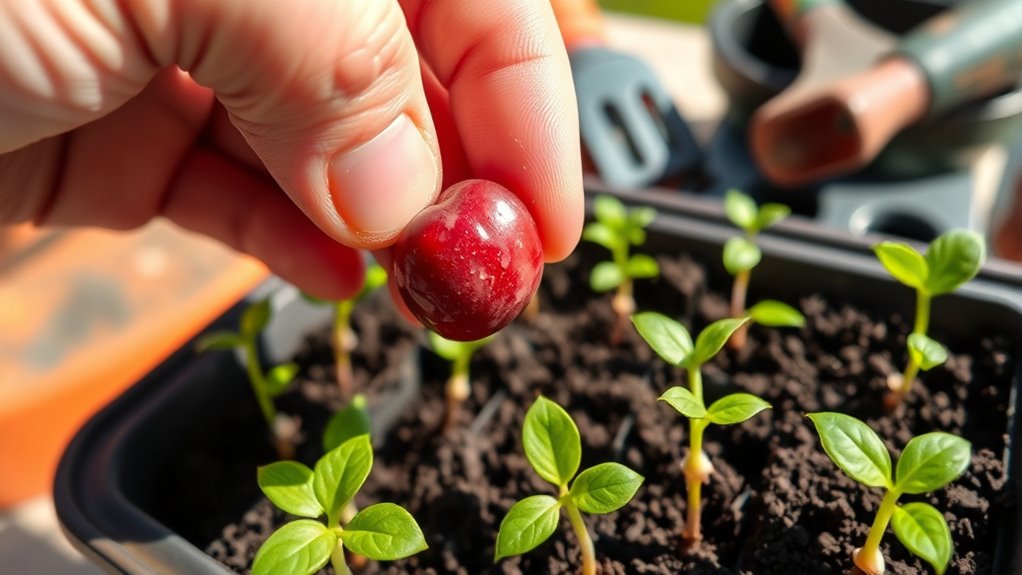
You’ll want to transplant your cherry seedlings outdoors once they’re sturdy enough and the danger of frost has passed. It’s best to pick a spot that gets plenty of sun and drains well. Before you move them, loosen up the soil so their roots can settle in nicely.
When you’re ready to transplant, make sure to keep the seedlings well-watered. And don’t forget to protect them from harsh weather during the transition. That way, they’ll have a smooth start and settle in happily.
Optimal Transplant Timing
Timing is key when transplanting cherry seedlings outdoors to give them the best chance to thrive. You want to avoid transplant shock, which can slow growth or damage your young trees.
The main factors to consider are making sure the seedlings are strong enough and that the weather is right. Ideally, do it in early spring or fall when temperatures are moderate and the soil is workable.
Be sure no extreme heat or cold is forecasted, as sudden temperature swings can stress the plants. Check your local climate and soil conditions before moving them outside.
Choosing the right moment helps reduce stress on your seedlings and encourages healthy establishment. Proper timing makes it easier for your cherry trees to settle in smoothly and grow strong in their new outdoor home.
Preparing Outdoor Site
Before transplanting your cherry seedlings outdoors, choosing and preparing the right site is key for healthy growth.
Pick a spot with well-draining soil to keep roots from rotting and to maintain proper moisture levels.
Cherry trees do best in areas with good drainage, so steer clear of places where water pools after rain.
Make sure the site gets full sun for at least six hours a day, which helps with strong growth and fruit production.
Clear away weeds and debris from the area, and loosen the soil to improve airflow around the roots.
If needed, add organic matter to boost soil fertility and give your seedlings a good start outdoors.
Proper site prep now will help your cherry seedlings thrive once they’re transplanted outside.
Care During Transition
When transplanting cherry seedlings outdoors, handle the shift carefully to reduce stress and ensure they establish well. Proper acclimatization and environmental adjustments are key during this process.
To make it easier, gradually introduce your seedlings to outdoor conditions over a week. Protect them from harsh sun or wind at first, and water consistently to keep the soil moist but not waterlogged.
Mulch around the base to retain moisture and help regulate temperature. These steps help your seedlings adapt, reducing transplant shock and encouraging healthy growth.
Pay attention to temperature changes and sunlight exposure, and adjust as needed. Taking your time during this transition will help your cherry trees develop strong roots and thrive from the start.
Tips for Caring for and Growing a Healthy Cherry Tree From Seed
To guarantee your cherry tree grows strong and healthy, start with proper care from the very beginning. Make sure it gets adequate sunlight, well-draining soil, and consistent watering.
Regular pest management is crucial. Inspect your tree for insects and treat issues promptly to prevent damage. Using effective pruning techniques helps maintain shape, remove dead or diseased branches, and improve air circulation. This reduces the risk of disease.
Regular pest checks and pruning keep your cherry tree healthy and disease-free.
Keep an eye out for common pests like aphids or cherry fruit flies, and address infestations early. Fertilize your tree with balanced nutrients during the growing season to promote healthy growth and fruit development.
Mulching around the base helps retain moisture and suppress weeds. As your tree matures, prune lightly to shape it and encourage new growth.
Consistent care, pest management, and pruning will help you grow a productive, healthy cherry tree from seed.
Frequently Asked Questions
How Long Does It Take for Cherry Seeds to Sprout?
Cherry seeds typically sprout within 7 to 12 weeks, but this depends on the germination process and seed viability. To guarantee successful sprouting, you need to keep the seeds cold for dormancy and then provide warmth and moisture.
If your seeds are viable and conditions are right, you’ll see sprouting in this timeframe. Patience is key, as some seeds may take a little longer to emerge.
Can Cherry Seeds Be Grown Indoors Successfully?
Yes, you can successfully grow cherry seeds indoors through proper indoor gardening. Just focus on germinating the seeds by planting them in well-draining soil and keeping them moist.
Place the container in a sunny spot and keep the temperature steady. Indoor conditions might slow down growth, but with patience and care, you’ll get healthy seedlings.
Make sure to watch the humidity and light levels regularly to support the process. Eventually, you’ll be able to enjoy your own indoor cherry tree.
Do All Cherry Seed Varieties Produce Edible Fruit?
Not all cherry seed varieties produce edible fruit, so don’t get your hopes up if you’re dreaming of a cherry orchard! Some seeds are just for show, like those from ornamental cherries, which aren’t viable for tasty treats.
If you’re after edible cherries, make sure to pick the right species. Expect some trial and error along the way. Otherwise, you might end up with a pretty tree and no cherries worth eating.
What Are Common Pests and Diseases Affecting Young Cherry Trees?
You’ll face common pests like aphids, cherry fruit flies, and caterpillars, which can damage young cherry trees. Diseases such as cherry leaf spot, powdery mildew, and bacterial canker also threaten their health.
To protect your trees, practice pest management by regularly inspecting and using natural or chemical controls. Disease prevention involves proper watering, pruning, and maintaining good airflow.
Staying vigilant is key to keeping your cherry trees healthy and productive.
Is It Necessary to Pre-Treat Cherry Seeds Before Planting?
You should pre-treat cherry seeds before planting because a little preparation really helps.
To improve germination, try seed stratification—simulating winter by chilling seeds in the fridge for a few months.
This process helps break dormancy and boosts your chances of sprouting success.
Without pre-treatment, your seeds might struggle to grow or take longer to germinate.
Conclusion
Growing cherry trees from seeds is a rewarding journey filled with gentle patience and careful nurturing. By following these simple steps, you’ll nurture a delicate promise of spring’s sweetest fruit.
Remember, each seed holds a quiet potential, waiting for your attentive hands to coax it into life. With time and care, you’ll witness nature’s subtle miracle unfold, transforming humble beginnings into a vibrant, flourishing cherry tree.
Growing cherry trees from seeds is truly an enduring gift from your own gentle dedication.