What Health Benefits Do Chia Seeds Offer?
Are you looking for simple ways to boost your health without overhauling your whole routine? Many people struggle with feeling energized, managing weight, or supporting their heart health. If that sounds familiar, you’re not alone.
Chia seeds are packed with nutrients like fiber, omega-3s, and minerals that support your overall health. They boost digestion, help control your appetite, and promote weight management by making you feel full longer.
Plus, they improve heart health, reduce inflammation, and strengthen your bones.
Incorporating them into your diet is easy and beneficial. If you want to find out more ways chia seeds can improve your well-being, keep exploring what they have to offer.
Key Takeaways
- Rich in nutrients like fiber, omega-3s, protein, vitamins, and minerals, supporting overall health.
- Promote digestive health and regularity through soluble fiber and gut bacteria nourishment.
- Help with weight management by increasing feelings of fullness and stabilizing blood sugar levels.
- Improve heart health by reducing inflammation and supporting healthy cholesterol and blood flow.
- Support strong bones with calcium, magnesium, and phosphorus for better bone density and strength.
What Are Chia Seeds and Why Are They a Superfood?
Chia seeds are tiny, nutrient-packed seeds that come from the Salvia hispanica plant, native to Central America. Known as an ancient grain, they’ve been cultivated for thousands of years and are celebrated for their exceptional nutrient density.
These small seeds pack a punch, offering a wealth of fiber, healthy omega-3 fats, protein, vitamins, and minerals in just a small serving. Because of their nutrient-rich profile, chia seeds are considered a superfood—boosting your overall health with minimal effort.
Chia seeds are nutrient-dense superfoods rich in fiber, omega-3s, protein, and essential vitamins.
They’re versatile and easy to incorporate into your diet, whether added to smoothies, yogurt, or baked goods. Their status as an ancient grain highlights their long history of use and enduring health benefits.
With their impressive concentration of nutrients, chia seeds stand out as a simple yet powerful addition to support your wellness goals.
How Do Chia Seeds Boost Your Nutritional Intake?
Including chia seeds in your diet significantly boosts your nutritional intake by providing a concentrated source of essential nutrients in just a small serving. They are known for their high nutrient density, offering a good amount of fiber, protein, vitamins, and minerals in only a tablespoon.
This means you get more nutrients per calorie, making them a smart addition to any meal or snack. Chia seeds are also rich in omega-3 fatty acids, which support heart health and help reduce inflammation.
Their healthy fats are easily absorbed by your body, improving your overall nutritional profile. Plus, chia seeds contain antioxidants that help protect your cells from damage.
How Chia Seeds Improve Digestion and Gut Health
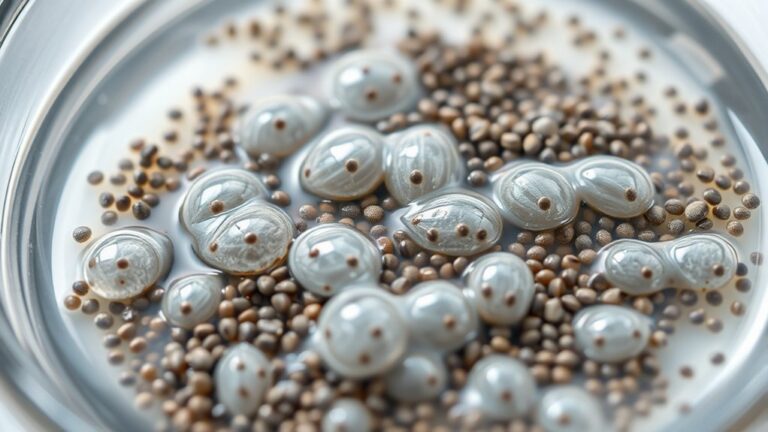
Because they’re rich in soluble fiber, chia seeds can greatly improve your digestion and gut health. When you eat them, the fiber absorbs water and forms a gel-like substance, which helps keep your bowel movements smooth.
Rich in soluble fiber, chia seeds promote smooth digestion and overall gut health.
This fiber also feeds the good bacteria in your gut microbiome, supporting the fermentation process that produces short-chain fatty acids essential for gut health. As these friendly bacteria ferment the fiber, they help strengthen your gut lining and reduce inflammation.
A diverse gut microbiome leads to better digestion and nutrient absorption. Plus, the high fiber content in chia seeds can prevent constipation and bloating, helping your digestive system run more efficiently.
Including chia seeds regularly in your diet helps maintain a healthy balance of gut bacteria, which is key for overall health. By supporting these natural processes, chia seeds contribute to a resilient, well-functioning digestive system.
Can Chia Seeds Help You Manage Your Weight and Feel Full?
Want to know a simple way to curb those pesky hunger pangs? Chia seeds might just be your new best friend. When you eat them, they absorb water and expand in your stomach, helping you feel full longer. That means it’s easier to control your appetite and stick to your weight management goals.
Plus, chia seeds can help keep your blood sugar levels stable. When your blood sugar stays steady, you’re less likely to get those sudden cravings or energy crashes that make you want to snack on unhealthy stuff. And since they’re good for your digestive health, they help keep your system running smoothly, supporting your overall weight management efforts.
Promotes Feeling of Fullness
If you’re looking for a natural way to curb hunger and manage your weight, chia seeds can be a helpful addition to your diet. They promote feelings of fullness by enhancing satiety signals and balancing hunger hormones, which supports better appetite control. When you include chia seeds in your meals, they help you feel satisfied longer, making portion sizes easier to manage.
They also influence meal timing, reducing the likelihood of unnecessary snacking. Incorporating chia seeds encourages mindful eating, helping you make smarter food choices and avoid emotional eating. Their high fiber content absorbs water and expands in your stomach, creating a physical sense of fullness.
This combination makes chia seeds an effective tool for supporting your weight management efforts naturally and sustainably.
Regulates Blood Sugar Levels
Since blood sugar fluctuations can trigger hunger and cravings, keeping levels stable is key to managing your weight and feeling full longer. Chia seeds help regulate blood sugar by slowing carbohydrate absorption, which prevents sharp spikes.
Their high fiber content promotes a steady insulin response, helping your body better control blood sugar levels. When you include chia seeds in your diet, they form a gel-like substance that delays digestion, keeping your blood sugar stable for longer.
This effect reduces sudden hunger and minimizes cravings. As a result, chia seeds can support your weight management goals by promoting consistent energy levels and preventing overeating caused by blood sugar dips.
Incorporating chia seeds into your meals is a simple way to naturally improve blood sugar control.
Supports Digestive Health
Because of their high fiber content, chia seeds support healthy digestion by adding bulk to your stool and promoting regular bowel movements. This fiber feeds your gut microbiome, encouraging the growth of beneficial bacteria that help with digestion and overall gut health.
When you include chia seeds in your diet, you help maintain a balanced gut microbiome, which is key for nutrient absorption and immune function. The soluble fiber forms a gel-like substance in your stomach, helping you feel full longer and supporting weight management.
To get the most benefits, try adding chia seeds to smoothies, yogurt, or oatmeal. Regularly eating them can improve digestion, boost gut health, and give you a feeling of fullness to help control your appetite.
- Supports growth of beneficial gut bacteria
- Helps regulate bowel movements
- Promotes satiety and weight management
- Improves nutrient absorption
How Chia Seeds Support Heart Health and Reduce Inflammation
Chia seeds are a powerful addition to your diet, especially for supporting heart health and reducing inflammation. Their high omega-3 fatty acid content helps improve cholesterol levels and blood flow.
The fiber in chia seeds promotes healthy blood pressure and reduces markers of inflammation in your body. This combination supports overall cardiovascular health and helps fight chronic inflammation, which can damage arteries and tissues.
| Benefit | How It Works | Key Impact |
|---|---|---|
| Heart Benefits | Omega-3s improve cholesterol & blood flow | Reduces risk of heart disease |
| Inflammation Reduction | High fiber & antioxidants combat inflammation | Less swelling & tissue damage |
| Blood Pressure Support | Fiber helps regulate blood pressure | Maintains healthy arteries |
| Overall Cardiovascular Health | Combines heart benefits & inflammation reduction | Promotes long-term health |
Adding chia seeds to your diet can significantly boost your heart health and help fight inflammation naturally.
Do Chia Seeds Increase Energy and Enhance Athletic Performance?
Building on how chia seeds support heart health and reduce inflammation, many athletes and active individuals turn to them as a natural energy booster. These tiny seeds can help improve endurance and promote athletic recovery by providing sustained energy.
Many athletes use chia seeds for sustained energy, improved endurance, and faster recovery.
Their high fiber content stabilizes blood sugar levels, preventing energy crashes during workouts. Plus, chia seeds contain omega-3 fatty acids and antioxidants that reduce muscle soreness and inflammation, helping you recover faster.
To get the most out of chia seeds, add them to your diet before and after physical activity. Their gel-like texture keeps you hydrated longer and fuels your muscles efficiently. Over time, you may notice better stamina and less fatigue.
- Improve endurance with sustained energy release
- Support muscle recovery and reduce soreness
- Enhance hydration during workouts
- Stabilize blood sugar levels for consistent energy
Chia seeds are a simple, natural way to boost energy and improve athletic performance.
Are Chia Seeds Effective for Managing Blood Sugar Levels?
Chia seeds might be a helpful addition if you’re looking to manage your blood sugar levels. That’s mainly because they’re packed with fiber and nutrients. The fiber in chia seeds can actually help improve your insulin sensitivity and slow down how quickly sugar gets into your bloodstream.
Blood Sugar Regulation Potential
Although research is still ongoing, evidence suggests that chia seeds may help regulate blood sugar levels. The benefits come from their high fiber content and ability to slow down carbohydrate digestion.
When you include chia seeds in your diet, they form a gel-like substance that can help prevent sharp blood sugar spikes after meals. This slowing effect may lead to more stable energy levels and better blood sugar control overall.
Keep in mind, everyone responds differently, but adding chia seeds could support your efforts to keep blood sugar in check.
To learn more, consider these factors:
- The role of soluble fiber in managing blood sugar
- How chia seeds influence your glycemic response
- The effect of chia on post-meal blood sugar spikes
- The importance of your overall diet in maximizing chia’s benefits
Impact on Insulin Sensitivity
Research suggests that chia seeds may boost insulin sensitivity, which is essential for effective blood sugar management. When your insulin response becomes more efficient, your body can better regulate blood glucose levels, supporting overall metabolic health.
Chia seeds contain soluble fiber, which slows digestion and helps prevent blood sugar spikes. This stabilization allows your body to respond more effectively to insulin, reducing resistance over time.
Improved insulin sensitivity not only helps manage existing conditions like type 2 diabetes but also promotes overall metabolic balance. Incorporating chia seeds into your diet may strengthen your body’s ability to handle carbohydrate intake, leading to better blood sugar control and long-term health benefits.
Effects on Glycemic Index
Because of their high soluble fiber content, chia seeds can significantly lower the glycemic index of meals, making them effective for managing blood sugar levels. By slowing digestion, they help prevent sharp blood sugar spikes and improve overall glycemic control.
This also benefits insulin response, reducing the risk of insulin resistance over time. Adding chia seeds to your diet may help keep your energy steady and avoid sudden sugar crashes.
Their gel-like consistency can displace high-GI ingredients, further decreasing the meal’s overall impact. Plus, chia seeds can improve satiety, helping you avoid overeating and supporting long-term blood sugar regulation.
They slow carbohydrate absorption, which helps minimize post-meal blood sugar spikes and supports better blood sugar management.
What Role Do Chia Seeds Play in Building Strong Bones?
Chia seeds play a big role in building strong bones because they are packed with essential minerals like calcium, magnesium, and phosphorus. The calcium in chia seeds is especially impressive, helping to support your bone structure and keep your bones dense.
As you add chia seeds to your diet, you’re giving your body important nutrients for bone health. Magnesium works with calcium to make your bones stronger and helps your body absorb these minerals better.
Phosphorus, another key mineral in chia seeds, helps make up the mineral matrix of your bones, making them more resilient. Eating chia seeds regularly can help prevent bone issues like osteoporosis by strengthening your bone tissue.
Their nutrient profile makes chia seeds an excellent natural addition for anyone wanting to boost bone density and overall skeletal health. Including them in your diet ensures your bones get the nutrients they need to stay strong and healthy.
Easy Ways to Add Chia Seeds to Your Diet
Adding chia seeds to your diet is easier than you might think, thanks to their versatility and mild flavor. You can effortlessly incorporate them into your meals to boost nutrition.
Adding chia seeds is simple and versatile, making it easy to boost your meals with their mild flavor and nutrition.
For a quick treat, try making chia pudding or mixing them into your favorite yogurt. These simple swaps turn ordinary snacks into nutrient-dense options.
They also work well as a smoothie booster, adding thickness and omega-3s. Sprinkling chia seeds on oatmeal or salads gives both crunch and health benefits.
You can even fold them into energy bites or add them to your breakfast bowl for sustained energy throughout the day.
For on-the-go options, mix chia seeds into snack bars or prepare a batch of chia-based energy bites to keep handy.
These easy additions make it simple to include chia seeds in your daily routine and enjoy their health benefits effortlessly.
Are There Any Risks or Side Effects of Eating Chia Seeds?
Chia seeds are usually safe to eat, but just like anything, they can have some side effects if you’re not careful. For example, eating too many or not drinking enough water might lead to digestive issues like bloating or constipation. So, it’s a good idea to start with small amounts and see how your body reacts.
Also, some people might be allergic to chia seeds. If that’s the case, you could notice symptoms like itching, swelling, or other allergic reactions. The key is to pay attention to how your body feels and to introduce chia seeds gradually into your diet.
Potential Digestive Issues
Although chia seeds are generally safe for most people, consuming them in excess or without proper preparation can lead to digestive discomfort. Their high fiber content can overwhelm your digestive system, especially if you’re not used to it.
To avoid issues, start with small amounts and hydrate well. Overloading on chia seeds may cause bloating, gas, or constipation. If you experience these symptoms, cut back on your intake and increase fluids gradually.
Be cautious if you have a sensitive stomach or existing digestive conditions. Proper soaking can help reduce the risk of choking or blockages. Remember, moderation and preparation are key to enjoying chia seeds without discomfort.
Avoid consuming too many dry chia seeds without soaking, as they can swell and cause choking or blockages. Sudden increases in fiber intake can also upset your digestion.
Pre-existing digestive sensitivities make it even more important to introduce chia gradually. Also, not drinking enough fluids during consumption can worsen any discomfort you might experience.
Risk of Allergic Reactions
Even though chia seeds are generally safe and nutritious, some people might have allergic reactions. These happen when your immune system mistakenly sees chia seeds as harmful, leading to symptoms like itching, swelling, or trouble breathing.
While allergic reactions are rare, they can be serious, especially if you already have food allergies. If you notice any adverse symptoms after eating chia seeds, stop eating them and consult a healthcare professional.
People who are allergic to other seeds or nuts could be at higher risk. To stay safe, start with small amounts and watch how your body responds. If you have a history of food allergies, it’s a good idea to talk to your doctor before adding chia seeds to your diet.
Frequently Asked Questions
Can Chia Seeds Be Beneficial for Skin Health and Appearance?
Yes, chia seeds can benefit your skin health and appearance. They boost skin hydration thanks to their high omega-3 fatty acids, helping your skin stay moisturized and plump.
Their antioxidant properties fight free radicals, reducing signs of aging like fine lines and wrinkles. Including chia seeds in your diet can give your skin a natural glow, improve elasticity, and protect against environmental damage.
All of this supports healthier, more radiant skin.
Are Chia Seeds Suitable for People With Food Allergies or Sensitivities?
Chia seeds are generally safe for most people, but if you have food allergies or sensitivities, you should be cautious. They can cause allergy symptoms like itching, swelling, or difficulty breathing in sensitive individuals.
If you’re concerned, consider chia alternatives such as flaxseeds or hemp seeds, which might suit your dietary needs better. Always talk to a healthcare professional before adding new seeds to your diet if you have allergies.
How Do Chia Seeds Compare to Other Superfoods in Nutritional Value?
Chia seeds stand out in superfood comparison due to their impressive nutrition profile. They’re packed with omega-3 fatty acids, fiber, and antioxidants, making them a powerful addition to your diet.
Compared to other superfoods, they offer a well-rounded mix of essential nutrients with fewer calories. You’ll find that chia seeds are versatile, easy to add to meals, and provide sustained energy.
All of this makes chia seeds a top choice for overall health among superfoods.
What Is the Best Way to Store Chia Seeds to Maintain Freshness?
To keep chia seeds fresh, store them in airtight containers like glass jars or resealable bags. Keeping them sealed helps prevent moisture and pests from getting in.
Place these containers in a cool, dark spot away from direct sunlight. This simple step helps extend their shelf life and keeps them fresh longer.
When stored properly, chia seeds can last up to two years. This way, you’ll always have a nutritious addition ready for your meals.
Are There Specific Populations That Should Avoid Consuming Chia Seeds?
Certain groups should avoid chia seed contraindications, especially if you have a history of blood clotting issues or are on blood thinners. Chia seeds can thin the blood, so it’s best to be cautious.
If you have digestive sensitivities, be careful, as chia seed digestion may cause bloating or discomfort. It’s always a good idea to check with your healthcare provider before adding chia seeds to your diet.
This is especially important if you’re pregnant, nursing, or have specific health concerns. When in doubt, talking to your doctor can help you make the safest choice.
Conclusion
Incorporating chia seeds into your diet is like planting a tiny health powerhouse in your daily routine. They’re packed with nutrients that boost digestion, support heart health, and help you manage weight.
Just a spoonful can make a big difference, turning your meals into a nourishing experience. So, don’t hesitate—embrace chia seeds and enjoy their many benefits.
Adding chia seeds to your diet can make your health journey smoother and more enjoyable. They truly are a small seed with big health benefits.