5 Easy Steps to Grow Watermelon From Seed
Are you dreaming of juicy, homegrown watermelons but feel overwhelmed about where to start? You’re not alone—many people struggle with growing watermelons successfully. Luckily, with a little guidance, you can enjoy fresh, delicious fruits right from your garden.
Start by preparing well-draining, sandy loam soil in a sunny spot, free from weeds and debris. Choose seeds suitable for your climate, like Jubilee or Sugar Baby, and plant them 1-2 inches deep, keeping soil warm and moist.
Water regularly, apply balanced fertilizer, and use mulch to retain moisture. Watch for pests and harvest when the fruits turn deep green with a yellow spot.
For more tips, keep exploring each step to grow healthy watermelons successfully.
Key Takeaways
- Select warm, well-drained soil like sandy loam and pick a sunny spot with minimal wind.
- Plant watermelon seeds 1-2 inches deep, spacing them 12 inches apart in soil at least 70°F.
- Water thoroughly after planting and keep the soil consistently moist during germination and growth.
- Mulch around the plants to help retain moisture, keep the temperature steady, and stop weeds from taking over.
- Harvest when the fruit is deep green, dull, with a yellow spot, and the tendril near the fruit turns brown.
Getting Your Soil Ready and Picking the Best Spot for Watermelons
Before planting watermelons, you need to prepare the soil and choose the right spot.
Watermelons thrive in well-draining soil types like sandy loam or sandy clay, which let roots grow easily and prevent waterlogging. Avoid heavy clay soils that hold too much moisture, as they can cause root rot.
Watermelons prefer sandy loam or sandy clay soils for healthy roots and preventing waterlogging.
Pick a sunny spot with at least 8 to 10 hours of direct sunlight each day. Proper sun exposure is key for sweet fruit and healthy plants. Also, find a place protected from strong winds that can damage vines and reduce fruit quality.
Clear the area of weeds and debris to give your watermelon plants a clean start. If your soil isn’t ideal, try amending it with organic compost or aged manure to boost fertility and drainage.
Following these steps will give your watermelons the best environment to grow strong and produce juicy, sweet fruit.
Choosing the Right Watermelon Seeds for Your Climate and Garden
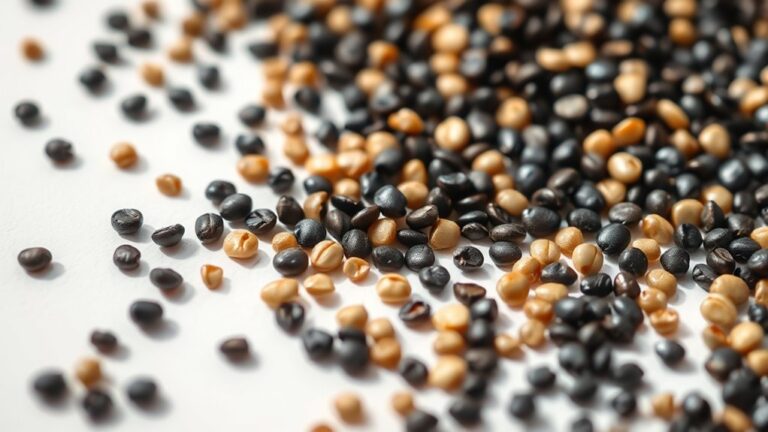
Choosing the right watermelon seeds depends on your local climate and garden conditions. You’ll want to pick varieties that thrive in your specific climate zones.
For warmer areas with long growing seasons, go for varieties like Charleston Gray or Jubilee. They develop quickly and produce large melons.
If you live in cooler or short-season zones, choose early-maturing seeds such as Sugar Baby or Black Diamond. This ensures your watermelons ripen before the cold weather hits.
Also, consider your soil type and water availability. Some seeds are more drought-tolerant or adapt better to sandy or heavy clay soils.
Always check the seed packet for recommendations about the ideal climate zone and growing conditions. Picking the right seeds for your environment boosts your chances of a successful harvest and delicious, ripe watermelons.
Planting Watermelon Seeds: How to Do It Step-by-Step
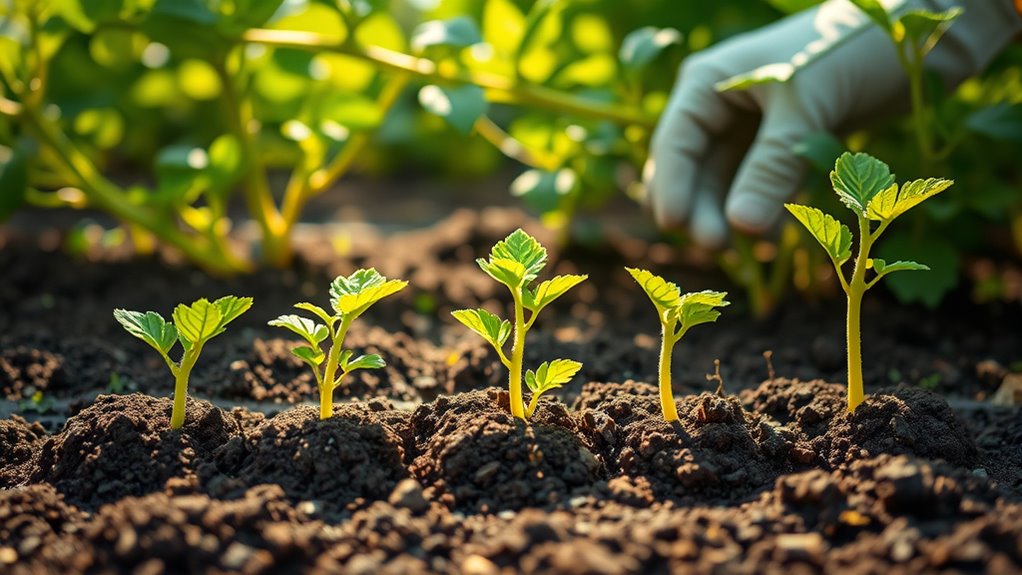
Planting watermelon seeds the right way is key to a good harvest, and timing matters a lot. To get your seeds to germinate well, plant them at the right depth and in good soil.
Usually, you should plant seeds about 1 to 2 inches deep. This gives them a cozy spot to sprout and keeps them safe from pests.
Keep in mind:
- Use well-draining soil that warms up to at least 70°F for the best germination.
- Sow the seeds at a depth of 1-2 inches.
- Space each seed about 12 inches apart so they have room to grow.
- Water the soil thoroughly after planting to keep it moist but not soggy.
Following these steps helps your watermelon seeds sprout quickly and grow strong seedlings, setting you up for a tasty harvest.
Caring for Your Watermelon Plants: Watering, Fertilizing, and Pest Control
To keep your watermelon plants healthy and productive, proper watering, fertilizing, and pest control are key. Water consistently to keep the soil evenly moist, especially during fruit development.
Consistent watering, fertilizing, and pest control ensure healthy, productive watermelon plants.
Mulching helps retain soil moisture, regulate temperature, and cut down on weeds, making watering easier and more efficient. When fertilizing, pick a balanced fertilizer rich in nitrogen, phosphorus, and potassium, and apply it based on your plant’s growth stage.
Try companion planting by growing marigolds or nasturtiums nearby. These plants can naturally help deter pests and keep your garden healthier. Regularly check your plants for pests like aphids or squash bugs, and remove any infestations quickly.
Using organic pest control methods like neem oil is a safe way to protect your crop without harmful chemicals. Additionally, practicing crop rotation and keeping your garden tidy helps prevent pests and diseases.
Consistent care will keep your watermelon plants healthy, productive, and resistant to common problems.
Harvesting and Troubleshooting Common Watermelon Growing Problems
Knowing when your watermelons are ripe and ready to harvest is key to enjoying their sweet flavor at its best. Look for a deep green color, a dull surface, and a creamy yellow spot where the melon rests on the ground. The tendril closest to the fruit turning brown also indicates maturity.
To troubleshoot common problems, focus on pest identification and disease management. Check for beetles, aphids, or worms, and act quickly to prevent damage. If you see spots, mold, or wilting, address potential diseases early.
Here are some harvesting tips and seed-saving advice: Use a sharp knife or shears to cut the stem carefully. Avoid pulling the melon to prevent damage. Save seeds from fully ripe, healthy watermelons for next season.
Regularly inspect your plants for signs of pests and diseases to keep them healthy and productive.
Frequently Asked Questions
How Long Does It Take for Watermelons to Ripen After Planting?
Watermelons typically ripen within 80 to 90 days after planting, though this can vary based on growth stages and climate.
You should plant during the ideal time, usually late spring, when temperatures are warm.
Watch for signs like a dull sheen on the rind and a yellow spot where it rests on the ground, which indicate ripeness.
Proper care speeds up growth, helping you get a tasty harvest sooner.
Can Watermelons Be Grown in Containers or Small Spaces?
Think of growing watermelons in a small space as fitting a big puzzle into a tiny frame—you can do it! Yes, you can grow watermelons in containers or small spaces through container gardening.
Use large pots, guarantee they drain well, and give the vines plenty of sunlight. With careful pruning and regular watering, you’ll enjoy sweet, juicy melons even in limited space.
This proves big flavors can thrive in small areas. So, don’t let space hold you back—watermelons can be a part of your garden, no matter how tiny.
What Are the Best Organic Methods to Prevent Pests on Watermelons?
To prevent pests on your watermelons organically, try using natural repellents like neem oil or insecticidal soap. These help deter insects without relying on chemicals.
You can also practice companion planting by growing marigolds or nasturtiums nearby. They naturally repel pests and keep your watermelons safe.
Make sure to regularly inspect your plants and remove any affected leaves. Catching pests early is key to keeping your watermelons healthy.
Combining these methods creates an effective, eco-friendly way to protect your watermelons from pests.
How Do I Select the Sweetest and Most Flavorful Watermelon Varieties?
To select the sweetest watermelon, start with seed selection. Look for varieties known for their flavor, like Sugar Baby or Crimson Sweet.
Then, if possible, do some taste testing by sampling from local markets or seed catalogs. Trust your senses and choose firm, symmetrical fruits with a dull rind and a sweet aroma.
The thrill of finding that perfect, flavorful watermelon begins with careful selection and a keen palate. Your taste buds will thank you.
What Should I Do if My Watermelon Plants Don’T Produce Fruit?
If your watermelon plants don’t produce fruit, it’s probably because of pollination problems affecting fruit development. Make sure bees or other pollinators can access your plants, or try hand-pollinating the flowers with a brush.
Also, keep watering and fertilizing consistently to help the plants grow healthy. Just avoid giving too much nitrogen since that encourages leafy growth instead of fruit.
With good pollination and proper care, your watermelon plants should start producing sweet, juicy fruit.
Conclusion
By following these simple steps, you’ll be well on your way to a bountiful watermelon harvest. Remember, patience is key—growing watermelons isn’t a race, but a journey.
Stay attentive to your plants’ needs, and don’t be afraid to roll up your sleeves when problems crop up. With a little effort, you’ll soon be reaping sweet rewards.
Growing watermelons from seed shows that good things come to those who wait. Happy gardening!