What Is Mycorrhizae? Understanding the Natural Plant-Fungi Partnership
Mycorrhizae is a type of symbiotic association between fungi and plant roots that fundamentally enhances plant nutrient uptake and soil health. In this relationship, fungal hyphae connect with plant roots, extending their reach and absorbing water and minerals effectively.
This natural partnership plays a critical role in ecosystems by improving plant growth, increasing resistance to drought and disease, and promoting healthier soils. Gardeners and farmers who understand what mycorrhizae is can leverage these benefits to boost crop yields and maintain sustainable practices.
This article will explain the different types of mycorrhizae, explore how they work with plants, discuss the various benefits they provide, and guide you on how to encourage and use mycorrhizal fungi in your garden or farm.
The Biology of Mycorrhizae: How Fungi Connect with Plants

Types of Mycorrhizal Associations
There are several forms of mycorrhizal relationships, with arbuscular mycorrhizae (AM) and ectomycorrhizae being the most common. Arbuscular mycorrhizae penetrate plant root cells, forming tiny tree-like structures that facilitate nutrient exchange. Ectomycorrhizae form a sheath around root tips, mainly associating with forest trees.
Each type varies in how it physically interacts with roots and which plant species it benefits. Recognizing these differences helps gardeners and farmers apply appropriate mycorrhizal fungi for their crops or trees.
- Arbuscular mycorrhizae penetrate root cells
- Ectomycorrhizae form an external network
- Orchid mycorrhizae assist orchid germination
The Fungal Network: Extending Plant Roots
The fungal hyphae extend far beyond the root zone, effectively creating a vast underground network. This allows plants to access water and nutrients like phosphorus and micronutrients that would otherwise be out of reach.
This expanded root surface area benefits the entire plant by improving water absorption and nutrient availability, especially in nutrient-poor or dry soils.
Benefits of Mycorrhizae for Plant Growth and Soil Health

Enhanced Nutrient Uptake
Mycorrhizae significantly improve plants’ ability to absorb phosphorus, nitrogen, and other essential nutrients. The fungal hyphae act as tiny extensions of the root system, increasing nutrient uptake efficiency.
This benefit is particularly valuable in soils with low nutrient availability, where mycorrhizal fungi help plants thrive with otherwise limited resources.
- Improved phosphorus absorption
- Better micronutrient uptake
- Increased nitrogen availability
Soil Structure and Water Retention
Mycorrhizal fungi contribute to soil aggregation by binding soil particles, which improves soil structure and porosity. This enhances water retention and aeration, making soil more hospitable for roots.
Healthier soil with better structure supports plant roots and microbial communities, creating a self-sustaining environment that minimizes erosion and water runoff.
Mycorrhizae in Different Ecosystems and Plants
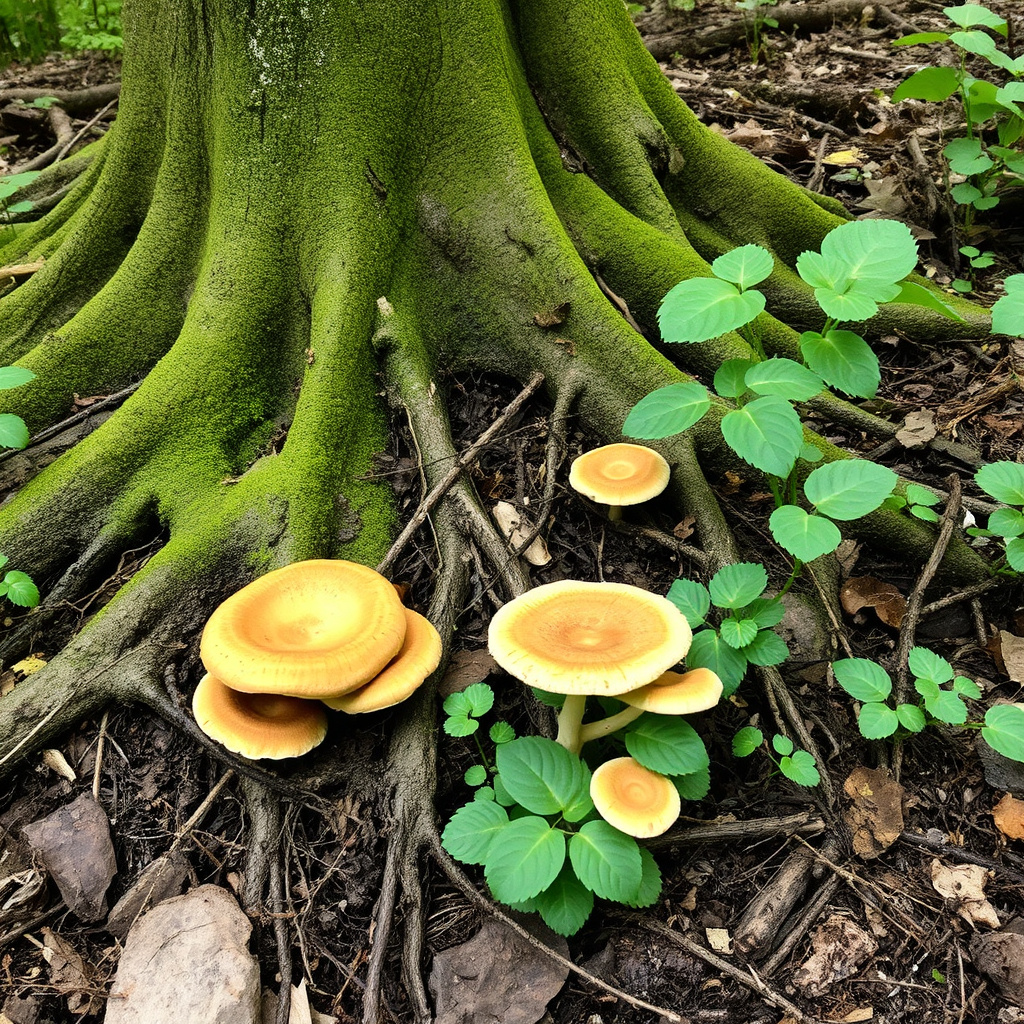
Forests and Mycorrhizal Partnerships
Many forest trees rely on ectomycorrhizal fungi to survive and compete for nutrients in dense soil environments. This partnership helps maintain forest health by supporting nutrient cycling and offering protection against pathogens.
Understanding these relationships is crucial for forest management, reforestation efforts, and conservation of biodiversity.
For more on this, see our related guide: How to Fix Overwatered Cannabis Plants: Effective Recovery Tips.
Mycorrhizae in Agriculture and Gardening
In agricultural systems, arbuscular mycorrhizal fungi are common and beneficial for many crops, including vegetables and grains. Farmers incorporate inoculants with mycorrhizal spores to enhance yields naturally.
Gardeners can also encourage native mycorrhizal fungi by using organic mulches, reducing tillage, and avoiding fungicides that harm beneficial fungi.
- Using mycorrhizal inoculants
- Avoiding harmful soil chemicals
- Maintaining organic matter
How to Encourage Mycorrhizal Growth in Your Soil
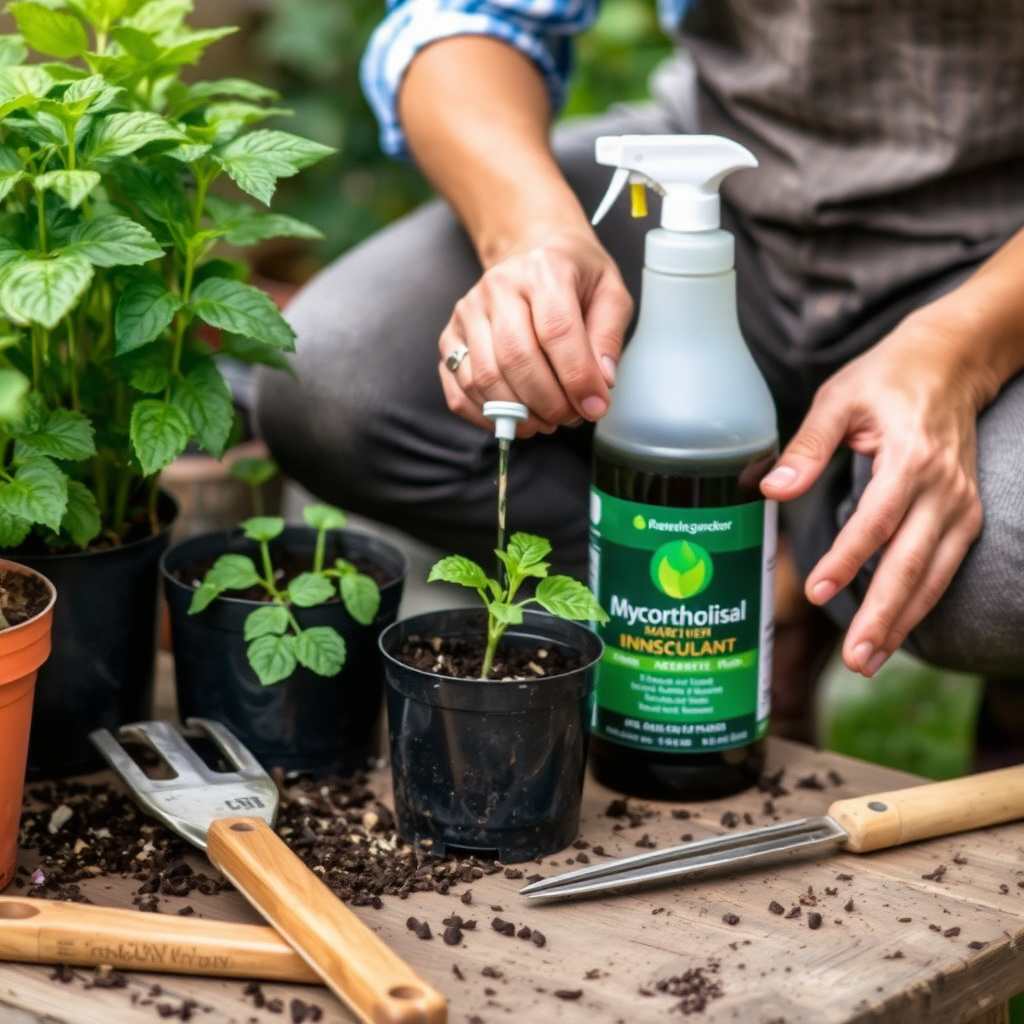
Natural Practices to Promote Mycorrhizae
Maintaining minimal soil disturbance preserves fungal networks, and adding organic mulch or compost supports their growth. Avoiding excessive fertilizer use, especially phosphorus-heavy products, encourages fungi to invest in root symbiosis.
Using cover crops that associate well with mycorrhizae can further build fungal populations season after season.
- Reduce tillage
- Use organic mulches
- Apply compost
- Plant cover crops
Mycorrhizal Inoculants: What to Know
Commercial mycorrhizal inoculants contain spores of beneficial fungi that can be added to soil or seedlings. They are useful in soils where native fungi are depleted, or when introducing plants that depend on mycorrhizae.
Proper application and selection of inoculants suited to your plants and region can dramatically improve establishment and growth.
- Choose species adapted to your plants
- Apply according to instructions
- Combine with good soil practices
Challenges and Limitations of Using Mycorrhizae

Soil Conditions That Limit Mycorrhizal Fungi
Extremely acidic or alkaline soils can hinder fungal survival. Heavy metal contamination or pesticide use may also reduce fungal populations, limiting their effectiveness.
Understanding your soil’s chemistry and history is necessary before investing in mycorrhizal applications.
Not All Plants Form Mycorrhizal Relationships
Some plant species, like members of the Brassicaceae family (mustards and cabbage), generally do not form mycorrhizal associations. Introducing fungi to these plants has little benefit.
Knowing which crops or ornamentals form these relationships helps target efforts and avoid unnecessary treatments.
- Non-mycorrhizal plants include cabbage, mustards
- Mycorrhizae benefit most woody plants and many crops
The Role of Mycorrhizae in Sustainable Agriculture

Reducing Chemical Inputs
Mycorrhizae can reduce the need for synthetic fertilizers by naturally enhancing nutrient uptake. This lowers input costs and lessens chemical runoff into waterways, supporting environmental health.
Farmers incorporating mycorrhizae often see improved crop resilience against drought and pests as well.
For more detailed scientific information about mycorrhizae, reference the comprehensive overview available on Wikipedia. mycorrhiza.
Building Soil Biodiversity and Resilience
Encouraging mycorrhizal fungi supports a diverse soil ecosystem, fostering other beneficial microorganisms. This diversity improves soil resilience to stress and helps maintain long-term productivity.
Integrating mycorrhizae into crop rotations and soil management is a key practice in regenerative agriculture.
- Supports microbial diversity
- Enhances soil ecosystem stability
- Improves long-term soil health
Comparison of Mycorrhizal Types and Their Uses
This table highlights key differences among major mycorrhizal types to help you choose the right fungi for your plants or ecosystem.
| Mycorrhizal Type | Host Plants | Root Interaction | Key Benefits |
|---|---|---|---|
| Arbuscular Mycorrhizae (AM) | Most herbaceous plants, crops | Penetrates root cells forming arbuscules | Enhances nutrient uptake, widely applicable |
| Ectomycorrhizae | Many trees like pine, oak | Forms sheath around root tips | Improves tree nutrient and water absorption |
| Ericoid Mycorrhizae | Heath family plants | Penetrates root cells with unique structures | Supports nutrient uptake in acidic soils |
| Orchid Mycorrhizae | Orchids | Form pelotons inside root cells | Assists orchid seed germination and growth |
Frequently Asked Questions
Can all plants form mycorrhizal relationships?
No, not all plants form mycorrhizal associations. For example, plants in the mustard family often do not develop these fungal partnerships.
How do mycorrhizae help plants during drought?
Mycorrhizae increase water absorption by extending root systems, helping plants access moisture deeper in the soil during dry periods.
Are mycorrhizal inoculants effective in all soil types?
Their effectiveness varies; inoculants work best in soils lacking native mycorrhizal fungi and without extreme pH or contamination issues.
Do mycorrhizal fungi need specific conditions to thrive?
Yes, they prefer healthy soils with good organic matter and minimal chemical disturbances.
Can using mycorrhizae reduce the need for fertilizers?
Yes, by improving nutrient uptake naturally, mycorrhizae can lower reliance on synthetic fertilizers.
Key Takeaways
- Mycorrhizae form beneficial relationships between fungi and plant roots.
- They enhance nutrient and water uptake, improving plant health.
- Different types of mycorrhizae suit different plants and environments.
- Encouraging mycorrhizae supports sustainable soil and crop management.
Conclusion
Understanding what mycorrhizae is offers insight into a vital ecological partnership that can transform plant growth and soil health. Deciding to work with mycorrhizal fungi involves assessing your soil conditions, plant types, and desired outcomes. This fungal association extends root systems for better resource access, helping plants thrive with less external input and supporting sustainable land use.
For gardeners and farmers, practical choices include selecting suitable mycorrhizal inoculants or using practices like reduced tillage, organic mulching, and crop rotation to foster native fungi. For example, arbuscular mycorrhizae inoculants benefit most vegetable crops, while ectomycorrhizae support forest trees effectively. Matching fungal types with your plants ensures good symbiosis and maximized benefits.
Taking steps to encourage mycorrhizae can be a cost-effective way to improve crop productivity, boost drought resistance, and promote healthier soils. Begin by testing your soil and gradually integrating mycorrhizal-friendly practices or products to see noticeable improvements in plant vigor and environmental quality over time.
