Is CBD Legal in All States? A Clear Guide to CBD Laws Across the U.S.
CBD legality varies from state to state in the U.S., so it's not legal in all states. Federally, CBD derived from hemp with less than 0.3% THC is legal, but individual states may have specific laws that restrict or regulate its sale and use.
This matters because consumers and retailers must be aware of local rules before buying or selling CBD products. Some states allow both medical and recreational CBD use, while others have stricter limitations or outright bans for certain types of CBD or uses.
This article will break down the current legal landscape of CBD across U.S. states, explain federal versus state regulations, highlight the main types of CBD products you can find, and offer guidance for safely purchasing CBD where it’s legal.
Understanding Federal CBD Laws
The 2018 Farm Bill and Hemp-Derived CBD
The 2018 Farm Bill legalized hemp as an agricultural commodity, defining hemp as cannabis plants with less than 0.3% THC. This law removed hemp-derived CBD from the federal Controlled Substances Act, making it federally legal to grow, sell, and possess hemp and CBD products derived from it.
However, the Food and Drug Administration (FDA) retains regulatory authority over CBD in food, drugs, and dietary supplements, which complicates the federal picture. FDA-approved CBD medications exist, but other uses face varying levels of regulation and enforcement.
FDA Regulations on CBD and Their Impact
Although the Farm Bill legalized hemp-derived CBD, the FDA has not approved CBD as a food additive or dietary supplement ingredient. Consequently, many CBD edible and wellness products technically violate FDA regulations, which can lead to warnings or product recalls.
The FDA's cautious approach stems from concerns about CBD safety, drug interactions, and inconsistent product quality. This regulatory uncertainty affects manufacturers, retailers, and consumers, requiring careful attention to product sourcing and labeling.
State-by-State CBD Regulations
States Fully Legalizing CBD Use
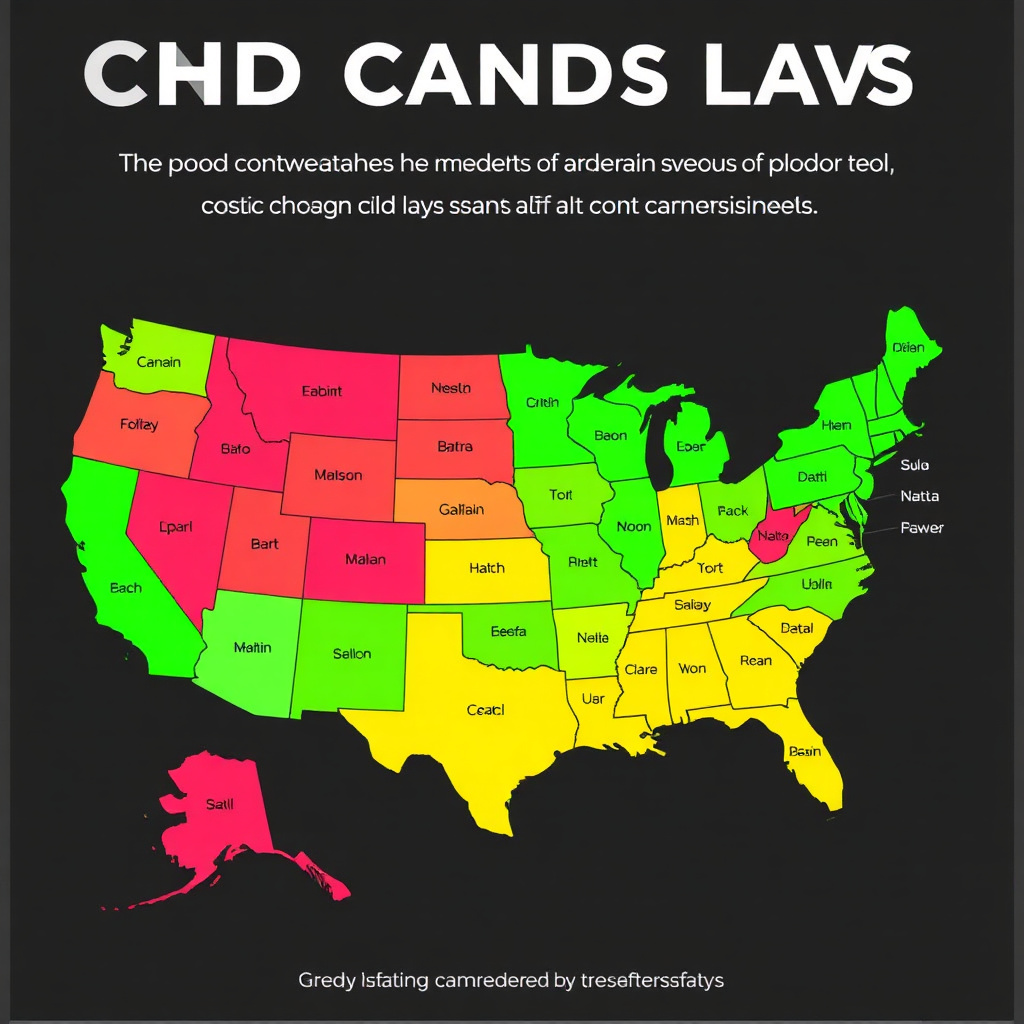
Several states have broadly legalized CBD use derived from hemp, allowing both medical and adult recreational users to possess and buy CBD products. These states often regulate CBD similarly to other hemp-derived products with few restrictions on THC content below federal limits.
Examples include California, Colorado, and Oregon, where CBD can be sold in dispensaries, health stores, and online. States like these have developed comprehensive regulatory frameworks for licensing, testing, and labeling CBD products.
- Allow sale of edible, topical, and tincture CBD products
- Permit online purchases with proper state compliance
- Usually require third-party lab testing and clear labeling
States with Limited or Restricted CBD Access
Other states permit only limited types of CBD or restrict its sale to patients with qualifying medical conditions. Some place strict caps on THC content or mandate prescriptions for any CBD containing trace amounts of THC.
For example, Texas and Georgia allow hemp-derived CBD with low THC but restrict possession and sales of products in certain forms or require doctor oversight. Such states may also prohibit CBD in food or drinks outright.
- Require medical documentation or prescriptions
- Limit CBD products to topicals or capsules
- Ban CBD-infused food and beverages
How to Safely Buy CBD Products
Verifying Product Quality and Source
Check for third-party lab reports that analyze cannabinoid content and test for contaminants like pesticides, heavy metals, and residual solvents. Reliable sellers provide Certificates of Analysis (COA) accessible via QR code or website link.
Choose CBD extracted from U.S.-grown hemp plants to ensure compliance with federal laws and agricultural standards. Avoid products making unverified health claims or sourced from unknown manufacturers.
- Look for lab-tested products with transparent COAs
- Choose reputable brands with clear ingredient lists
- Avoid products with THC levels above 0.3%
For more on this, see our related guide: Are Cannabis Seeds Legal in the USA? Understanding the Legal Landscape.
Understanding Labels and Dosage
Carefully read product labels to confirm the type of CBD (isolate, full-spectrum, broad-spectrum) and total CBD content per serving. Proper dosing varies by individual, but standard increments make starting and adjusting easier.
Be aware of additional ingredients, especially in edibles or topicals, as some may trigger allergies or interact with medications. Start with low doses to evaluate tolerance and effect.
- Check CBD concentration per dose
- Note presence of THC or other cannabinoids
- Follow dosing guidelines on packaging
Common Types of CBD Products Available
Topicals and Edibles
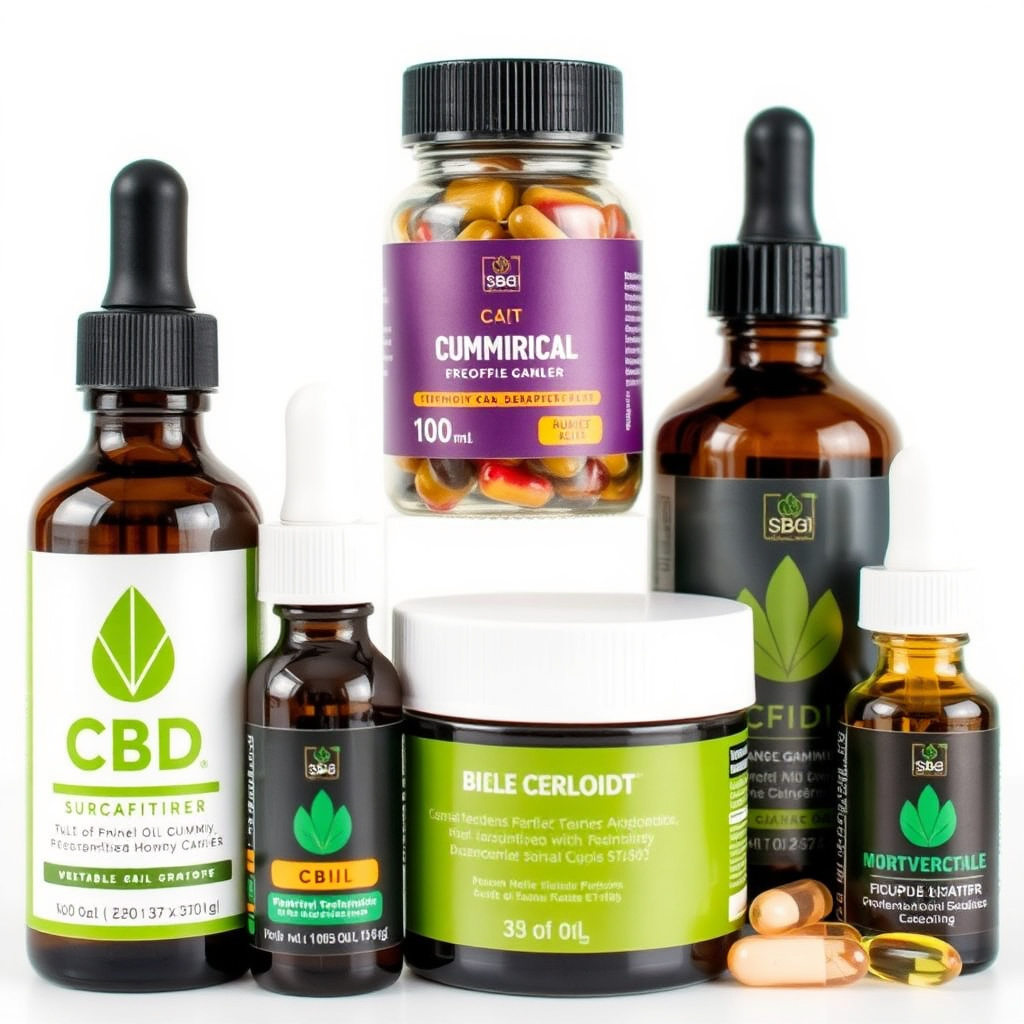
CBD topicals include creams, balms, and lotions applied directly to the skin for localized relief. Edibles such as gummies, capsules, and beverages offer ingestion methods that produce longer-lasting effects but slower onset.
Both forms vary widely in potency and ingredients, so users should check labels closely to select products matching their desired effect and lifestyle.
- Topicals act on skin without entering bloodstream
- Edibles undergo digestion, affecting onset and potency
Tinctures and Vaping Options
Tinctures are liquid extracts usually taken under the tongue for faster absorption into the bloodstream. Vaping CBD using oils or e-liquids provides rapid effects but raises concerns about lung health and device safety.
Both options allow dosage adjustments and quick relief, favored by users needing immediate symptom management.
- Tinctures provide controlled dosage and discreet use
- Vaping offers fast onset but may include respiratory risks
Legal Risks and Enforcement Issues with CBD

Possession and Transport Across State Lines
Transporting CBD across state lines can pose legal issues if the product does not conform to the destination state’s laws. Even federally legal hemp-derived CBD might be seized or cause complications during travel.
Always verify both the source and destination states' regulations before transporting CBD products to avoid fines or legal trouble.
- Check THC content meets federal and state limits
- Carry proof of purchase and lab testing when possible
- Avoid interstate transport where CBD is banned
Workplace Drug Testing and CBD
CBD products can contain trace THC, sometimes enough to trigger positive results on workplace drug tests. Employees should be cautious using unregulated CBD where drug screening is routine.
Selecting broad-spectrum or isolate CBD with zero THC reduces risks. Informing employers and using CBD responsibly helps minimize legal and professional problems.
- Opt for CBD isolate to avoid THC exposure
- Understand employer policies on cannabinoid testing
- Use documented and tested products only
Future Trends in CBD Legalization
States Considering Expanded CBD Laws
Lawmakers in multiple states are proposing bills to broaden CBD accessibility, allowing higher THC levels in CBD products or legalizing new product categories like beverages or pet supplements.
These changes reflect growing public acceptance and consumer demand, but each state’s approach varies significantly in timing and scope.
- Potential legalization of CBD-infused food and drinks
- Increased allowances for recreational CBD use
- More rigorous safety and labeling standards
For a detailed look at CBD legality in different regions, see this CBD legality overview on Wikipedia. CBD legality overview on Wikipedia.
Federal Legislative Prospects
Congress has introduced bills to clarify FDA authority and improve the regulatory framework for CBD products. Calls for standardized national labeling and quality control aim to reduce confusion and enhance consumer protection.
Any changes at the federal level would influence state laws and the overall market, potentially creating a more unified legal environment for CBD.
- Possible FDA approval pathways for new CBD products
- Efforts to harmonize state and federal policies
- Increased funding for CBD research
CBD Legal Status Category Comparison
This table compares different CBD legal status categories and their typical state regulations.
| Category | Product Restrictions | Prescription Required | THC Limits | State Examples |
|---|---|---|---|---|
| Fully Legal | All hemp-derived CBD products | No | <=0.3% THC | California, Colorado, Oregon |
| Medical Only | CBD for qualifying conditions only | Yes | <=0.3% THC | Florida, New York, Minnesota |
| Restricted | Limited product types (topicals, capsules) | Varies | <0.3% or less | Texas, Georgia |
| Banned or No Clear Law | CBD products illegal or unregulated | N/A | N/A | Idaho, Nebraska |
| Pending Legislation | Limited access, laws changing soon | Varies | <=0.3% THC | Virginia, South Dakota |
Frequently Asked Questions
Is it legal to travel with CBD across state lines?
Traveling with CBD can be risky if the destination state restricts or bans it. Even federally legal hemp-derived CBD may be confiscated, so always check both states’ laws before transporting CBD products.
Can CBD products cause a positive drug test?
Yes, CBD products occasionally contain trace THC which can trigger positive drug tests. Using CBD isolates without THC lowers this risk and is safer for people subject to drug screening.
Are all CBD products tested for quality and safety?
No, not all CBD products undergo third-party testing. It’s important to buy from reputable sellers who provide Certificates of Analysis to verify potency and absence of contaminants.
What types of CBD products are legal in states with restrictions?
Restricted states often allow only specific forms like topicals or capsules and may ban edible or beverage products that contain CBD, often requiring medical authorization.
How does federal law affect state CBD regulations?
Federal law legalizes hemp-derived CBD under 0.3% THC but leaves regulation to the FDA and states. This causes varied enforcement where some states have stricter laws despite federal allowances.
Key Takeaways
- CBD legality differs significantly between U.S. states
- Federal law permits hemp-derived CBD with under 0.3% THC
- FDA regulations create uncertainty around CBD product marketing
- Consumers must research local laws and product quality carefully
Conclusion
Deciding whether CBD is legal in your location requires carefully examining both federal and state laws, as they do not always align. The 2018 Farm Bill legalized hemp-derived CBD nationally under 0.3% THC, but states retain authority to impose additional restrictions or bans. Staying informed about your state’s specific CBD regulations and monitoring ongoing legislative changes helps avoid legal issues and ensures safer use.
For those in states with full legal access, the market offers a wide range of high-quality CBD products like tinctures, edibles, and topicals that comply with third-party testing standards. In medical-only or restricted states, patients should consult health professionals and legal advisors to obtain CBD legally, focusing on approved product types and dosing guidelines. If you live in or travel to states with limited or unclear CBD laws, it’s wise to exercise caution when purchasing or transporting CBD to prevent unintended violations.
Ultimately, if you are considering using CBD, start by researching your state’s current laws and FDA guidance to identify trustworthy products. Prioritize transparent brands that offer lab testing results and avoid unregulated or questionable sources. This approach not only reduces legal risks but also supports your health by ensuring higher product quality and accurate labeling.