How to Start a Garden for Beginners: A Simple Guide to Growing Your First Plants
Starting a garden for beginners begins with choosing a manageable space and selecting plants suited to your climate and soil. By picking easy-to-grow vegetables, herbs, or flowers, you can enjoy early success and gain confidence quickly. Good soil preparation and consistent watering are also key.
Gardening matters because it connects you to nature, provides fresh produce, and improves your outdoor space. Many new gardeners feel overwhelmed by where to start or what tools to buy. However, with simple guidance focused on beginner-friendly plants and techniques, anyone can create a thriving garden.
This article covers the main steps for beginners including picking the right location, preparing the soil, selecting suitable plants, basic planting methods, essential garden tools, and tips for ongoing care. You'll also find comparisons of garden styles and answers to common beginner questions.
Choosing the Right Location for Your Garden
Evaluating Sunlight and Space
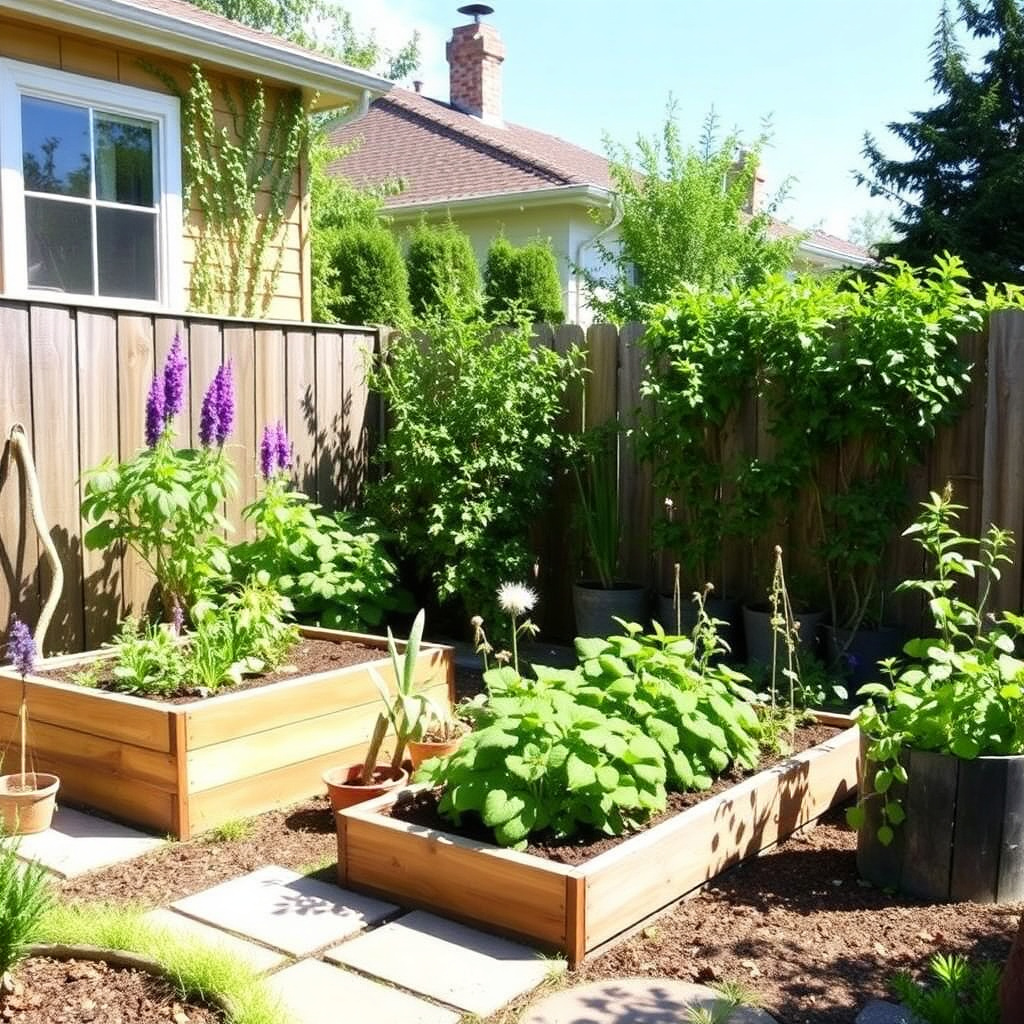
Most vegetables and flowers need at least 6-8 hours of direct sunlight to thrive. When starting your garden, observe different areas in your yard throughout the day to identify sunny spots. Avoid areas shaded by large trees or buildings, as insufficient light slows plant growth.
Space is another consideration. Beginners often benefit from starting small, such as a 4×4 feet plot or a few containers on a balcony. This reduces maintenance effort and allows focused attention on fewer plants, increasing chances of success.
- Aim for full sun exposure if growing vegetables
- Choose flat or gently sloping ground for easier watering
- Consider proximity to a water source
Soil Quality and Drainage Basics
Soil quality greatly impacts how well your garden grows. Start by testing your soil's drainage by digging a small hole and filling it with water; if it drains within a few hours, the spot has good drainage. Soil that stays soggy can cause root diseases.
Most garden plants prefer loamy soil rich in organic matter. If your soil lacks nutrients or is very sandy or clay-heavy, amend it by mixing in compost or aged manure, which improves texture and fertility.
- Test soil drainage before planting
- Incorporate organic matter to enrich poor soil
- Avoid compacted or rocky soil spots
Selecting Plants Suitable for Beginners
Easy Vegetables and Herbs to Start With
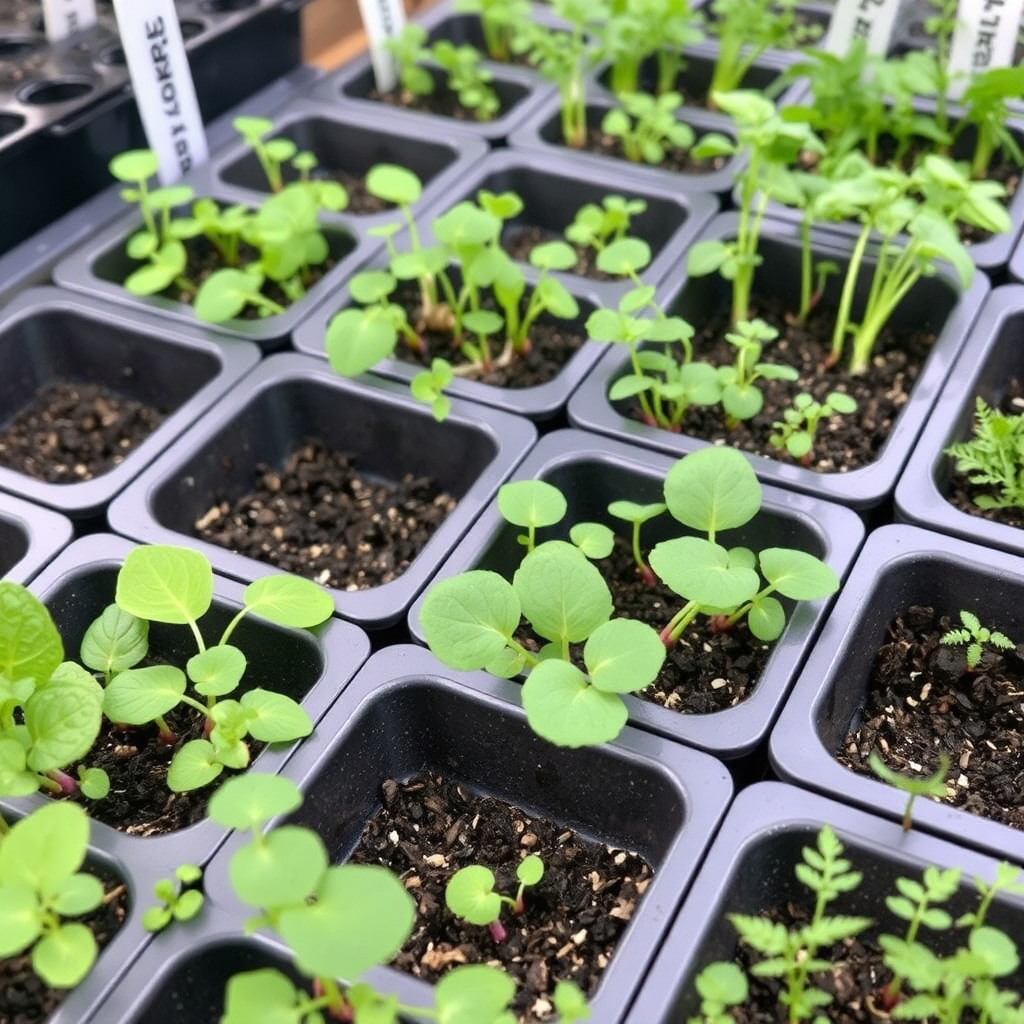
Beginner gardeners have better outcomes when they start with quick-growing, low-maintenance plants. Some popular easy vegetables include radishes, leaf lettuce, green beans, and zucchini, which germinate quickly and tolerate minor care mistakes.
Herbs such as basil, mint, and parsley are forgiving and useful in the kitchen. Growing herbs in pots also reduces risks of pests and gives beginners experience managing container plants.
- Radishes mature in about 4 weeks
- Lettuce grows well in cooler seasons
- Basil thrives in warm and sunny conditions
Flower Varieties for New Gardeners
If you prefer flowers, options like marigolds, sunflowers, and zinnias grow reliably from seed and require minimal care. These flowers tolerate common beginner mistakes such as uneven watering or lesser soil quality.
Starting flowers from seed is affordable and rewarding. Alternatively, buy small starter plants from local nurseries to skip early germination challenges.
- Marigolds repel some garden pests
- Sunflowers add height and color quickly
- Zinnias attract pollinators like bees and butterflies
Preparing the Soil and Planting Techniques
Soil Preparation Steps
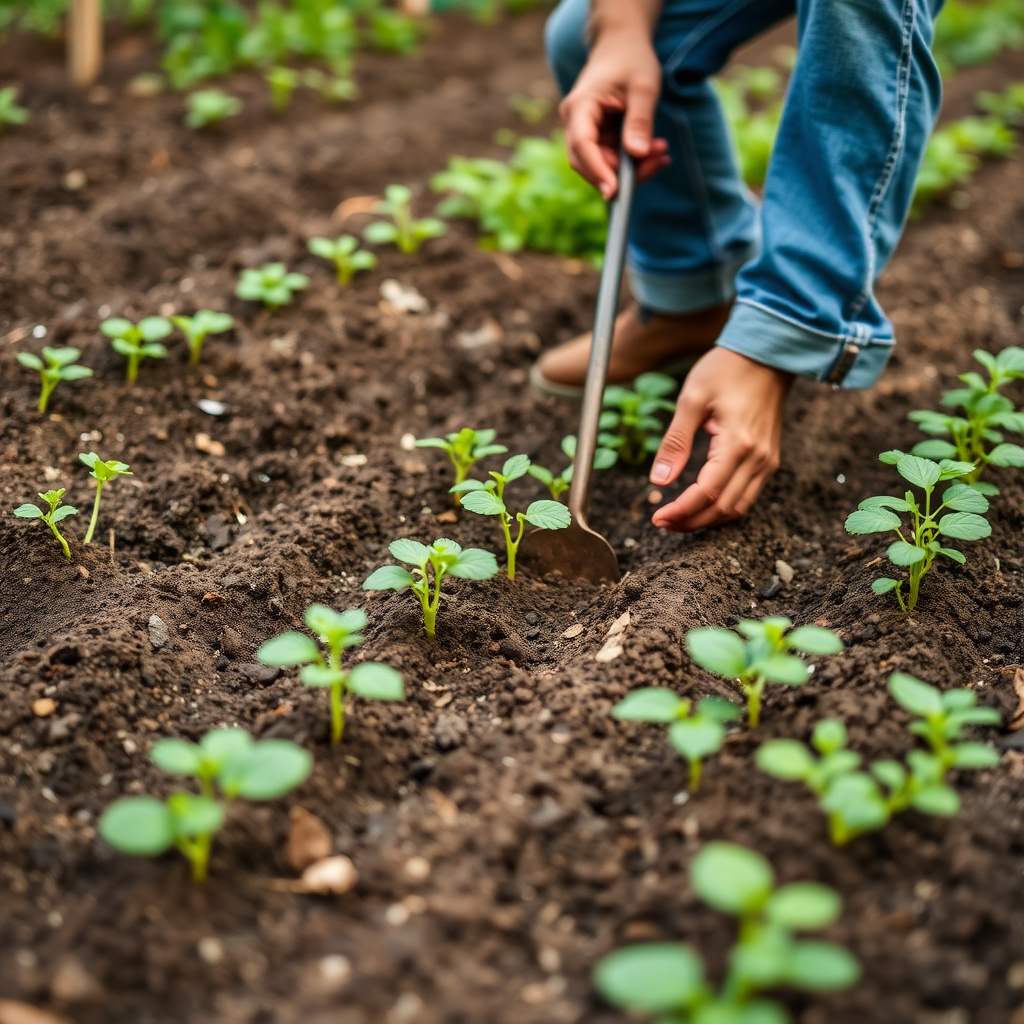
Before planting, loosen the soil by tilling or turning it with a garden fork to aerate. Remove weeds, stones, and debris to create a clean bed. Adding compost enriches the soil and improves texture.
Level the soil surface and create shallow furrows or holes according to seed packet instructions. Proper preparation ensures good seed-to-soil contact, boosting germination rates.
- Remove existing weeds thoroughly
- Incorporate 2-3 inches of compost into topsoil
- Rake soil smooth before planting
For more on this, see our related guide: Plant Genetics Explained for Beginners: Understanding the Basics of Heredity in Plants.
Planting Seeds vs. Transplants
Seeding directly into the garden is economical and works well for many vegetables like carrots and beans. However, some slow-germinating plants benefit from starting indoors or buying transplants.
Transplants provide a head start by giving plants developed roots and leaves before placing them outdoors. This method shortens growing time and improves survival rates in colder or unpredictable climates.
- Follow seed depth guidelines on packets
- Water gently after planting either seeds or transplants
- Space plants properly to avoid overcrowding
Basic Garden Tools and Supplies
Essential Tools for Beginner Gardeners
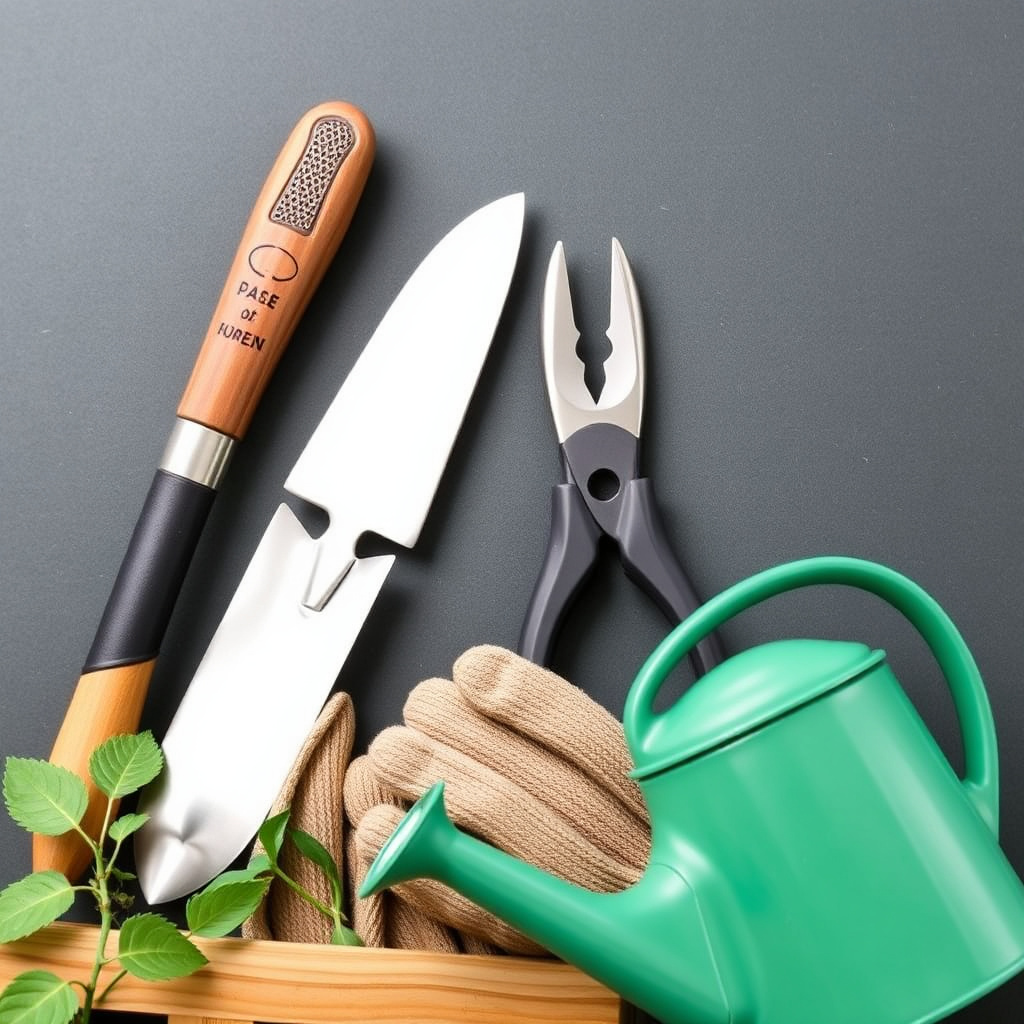
A beginner’s garden needs only a few reliable tools: a trowel for digging, hand fork for loosening soil, pruning shears for trimming, and gloves to protect your hands. These basic tools cover most planting and maintenance tasks.
Selecting ergonomic and durable tools helps reduce fatigue and makes gardening more enjoyable, especially for novices who may take longer on tasks.
- Hand trowel for planting and transplanting
- Hand fork for soil aeration and weeding
- Pruning shears for deadheading and trims
- Gloves to protect against dirt and thorns
Watering Tools and Methods
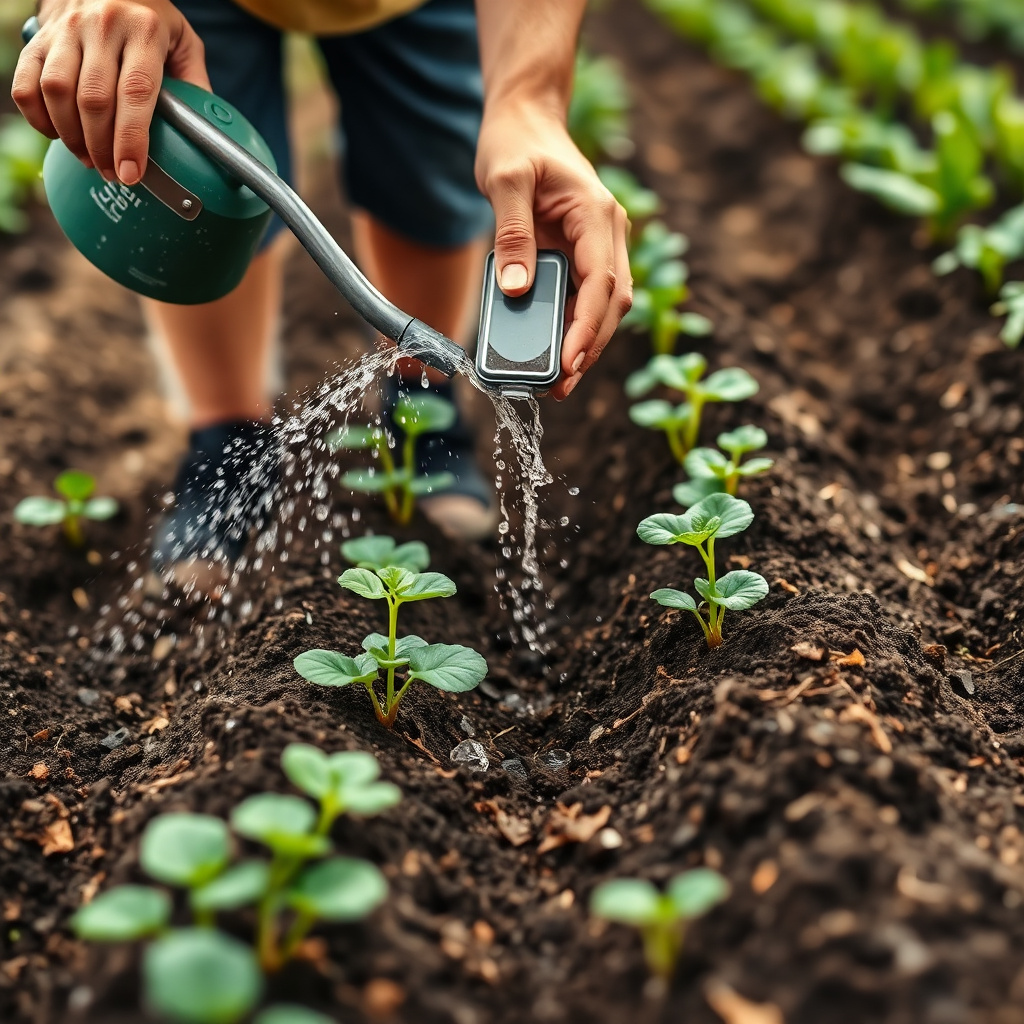
A simple watering can with a spout or a gentle hose nozzle is ideal for controlling water flow without disturbing delicate seedlings. Consistent moisture is vital, especially in the first weeks after planting.
Beginners often benefit from watering in the early morning or late afternoon to reduce water loss through evaporation. Using mulch around plants also helps retain soil moisture.
- Choose watering tools that deliver gentle, even flow
- Water at soil level to avoid leaf diseases
- Apply mulch to conserve soil moisture
Care and Maintenance for Your New Garden
Watering and Fertilizing Basics
Regular watering keeps plants vigorous, but overwatering can cause root rot. Aim for deep watering sessions a few times per week rather than shallow daily sprays. Adjust frequency based on weather and soil moisture.
Fertilize sparingly with balanced organic fertilizers or compost tea. Overfertilizing can burn young roots while underfertilizing slows growth. Always follow product directions for application rates.
- Water deeply to encourage strong root growth
- Use slow-release or liquid organic fertilizers
- Monitor plants for signs of nutrient deficiency
For more on this, see our related guide: What Affects Plant Growth: Key Factors Explained for Healthy Gardens.
Weeding and Pest Control Tips
Weeds compete with your plants for water and nutrients, so remove them regularly by hand or with a hoe. Mulching reduces weed growth as well. Early detection of pests saves crops; inspect plants weekly for bite marks or discoloration.
Natural pest controls like neem oil or insecticidal soap are safe and effective for beginners. Encouraging beneficial insects like ladybugs can also keep harmful pests in check without chemicals.
- Pull weeds gently to remove roots fully
- Use mulch to suppress weed seeds
- Apply organic sprays as needed for pests
- Attract predator insects with flowering plants nearby
Garden Planning Tips for Beginners
Creating a Simple Garden Layout
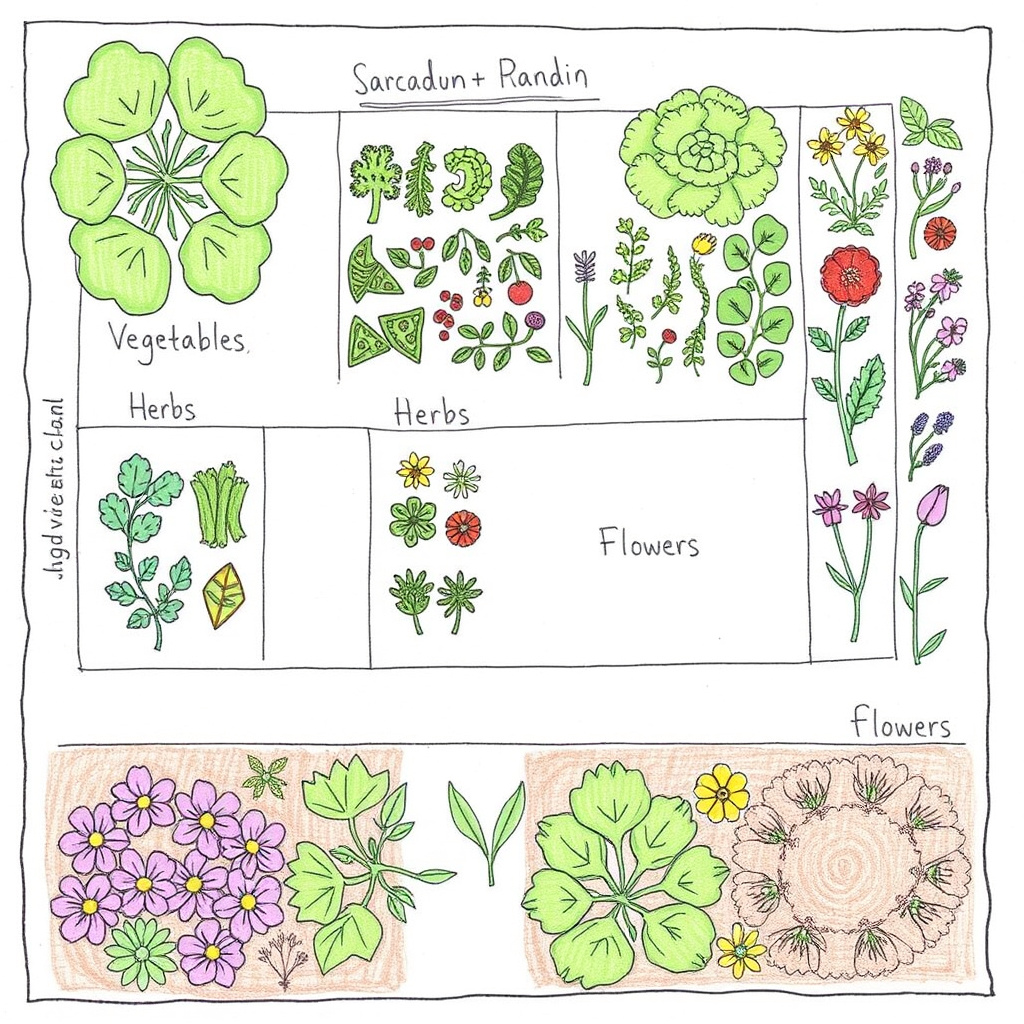
Planning a garden layout before planting helps organize your space efficiently. Create rows or raised beds to separate plant types and simplify maintenance. Leave paths for easy access to water and weed plants.
Consider companion planting by grouping species that benefit each other, such as tomatoes with basil. Thoughtful layouts improve air circulation and can reduce pests.
- Mark gardening zones for different plant groups
- Include clear walking paths
- Use companion planting strategies
For a broader overview of gardening techniques and history, check out this basic gardening guide on Wikipedia. basic gardening guide on Wikipedia.
Seasonal Planning and Crop Rotation
Garden planning involves choosing plants suited to your growing season, whether spring, summer, or fall. Plant quick-growing crops in early seasons and stagger plantings for continual harvest.
Crop rotation prevents soil nutrient depletion and disease buildup by changing plant families in each location yearly. Even beginners can practice simple rotation by shifting vegetable spots annually.
- Select seasonal crops adapted to your climate
- Plan planting times to extend harvest duration
- Rotate crops to maintain soil health
Gardening Method Comparison for Beginners
Here is a comparison of popular gardening methods that beginners can try, highlighting their benefits and challenges.
| Garden Type | Space Required | Maintenance Level | Best For |
|---|---|---|---|
| In-Ground Garden | Moderate to Large | Medium | Vegetables and flowers in yards |
| Raised Beds | Small to Moderate | Low to Medium | Better soil control and drainage |
| Container Gardening | Small | Low | Balconies, patios, limited spaces |
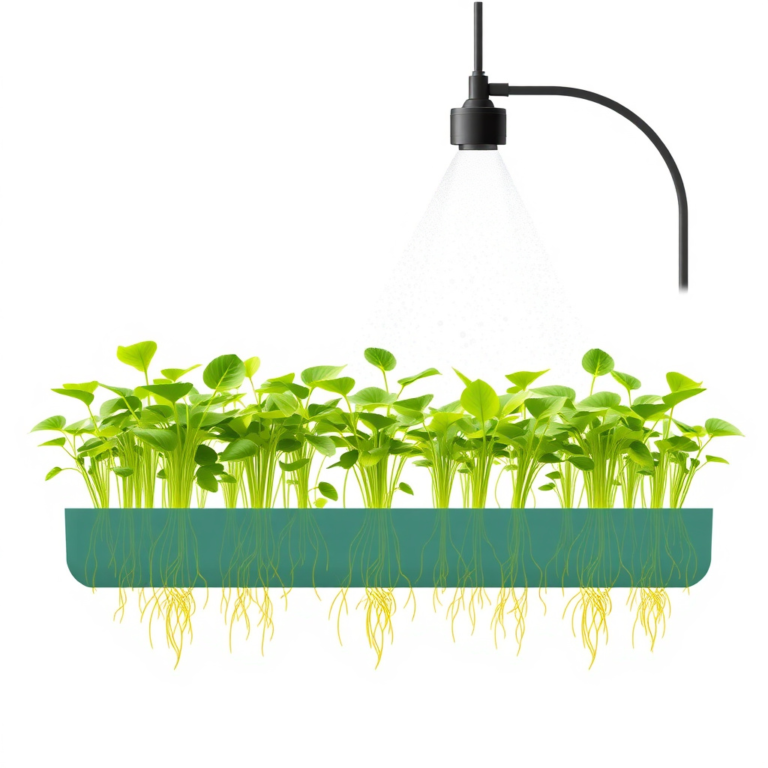
| Indoor Gardening | Very Small | Medium | Herbs and microgreens year-round |
| Square Foot Gardening | Small | Low | Organized space-efficient planting |
Frequently Asked Questions
What are the easiest vegetables to grow for beginners?
Radishes, green beans, lettuce, and zucchini are among the easiest vegetables for beginners due to their quick growth and forgiving nature.
How much sunlight does a beginner’s garden need?
Most vegetable and flower gardens require 6 to 8 hours of direct sunlight daily to grow well.
Can I start a garden without buying seeds?
Yes, you can start with seedlings from a nursery or use kitchen scraps for some herbs, but seeds are generally more economical and offer more variety.
How often should I water my new garden plants?
Water deeply a few times per week rather than lightly every day, adjusting for weather and soil moisture levels.
Do I need special tools to start a garden?
Basic tools like a trowel, hand fork, pruners, and gloves are sufficient for most beginner gardens.
Key Takeaways
- Start small with easy plants like radishes, lettuce, or herbs
- Choose a sunny spot with good drainage for your garden
- Prepare soil by adding compost and removing weeds
- Use basic tools and consistent watering practices for best results
Conclusion
Beginning a garden can feel intimidating, but breaking it down into simple steps makes it accessible to anyone. Focus on choosing a sunny, well-drained spot and starting with beginner-friendly plants to build your confidence. Soil preparation and regular care are key components that influence your garden’s success. By following straightforward advice focused on manageable efforts, even first-time gardeners can experience the joy of growing plants.
For those just starting out, in-ground gardens and raised beds offer solid options; raised beds provide better soil conditions while traditional beds maximize space. Container gardening suits limited spaces like balconies or patios, where ease of care is a priority. Incorporate garden planning tips for beginners such as companion planting and seasonal rotation to improve your harvest and keep your garden healthy year after year.
Take your first step by mapping out a small garden area and selecting several easy plants to grow. Invest in a few quality tools and commit to a regular watering schedule. As you gain experience, you can gradually expand and try different gardening styles or crops. Gardening is a rewarding hobby that grows with your interest and effort, promising fresh produce and a greener space for the future.