How to Buy Hemp Seeds: A Practical Guide for Quality and Purpose
Buying hemp seeds involves selecting seeds that meet your needs, whether for cultivation, nutritional use, or industrial purposes. Start by identifying certified hemp seeds that comply with legal THC limits in your region to avoid legal issues.
Understanding the type of hemp seeds you need—whether for food like hemp hearts or for growing hemp plants—is key to making a good purchase. The quality and origin of the seeds impact germination rates and nutritional content, so find reliable sources that provide transparency about their seeds.
In this guide, we'll explore how to identify reputable seed brands, the differences between seed types and varieties, legal considerations for buyers, and tips on choosing seeds based on your intended use. You'll gain clarity on how to approach the hemp seed market confidently.
Understanding Hemp Seed Varieties and Uses

Types of Hemp Seeds: Food vs. Planting
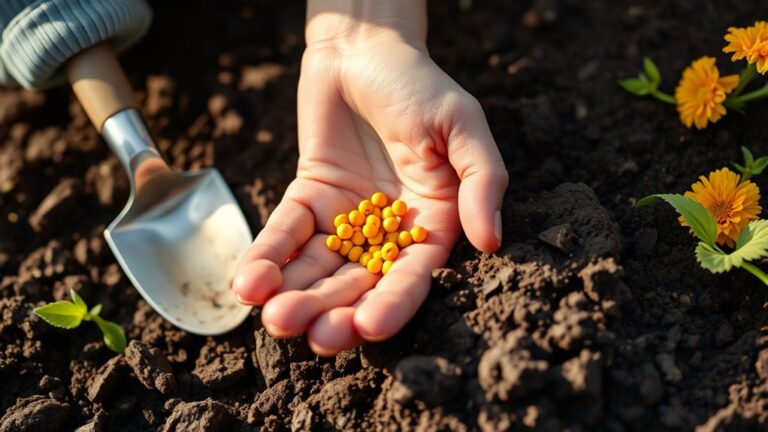
Hemp seeds come in varieties intended either for human consumption or for planting. Food-grade seeds are often hulled and sold as hemp hearts or in oil form, rich in protein and essential fatty acids. Seeds for planting are raw, unprocessed, and sized for optimal germination.
Choosing between these depends on your goal: eating hemp seeds requires dehulled, processed seeds, while growing hemp involves certified seeds bred for traits like low THC content and disease resistance.
Industrial and Nutritional Applications of Hemp Seeds
Hemp seeds are carved out in markets both as a nutritious superfood and as starting material for industrial hemp production. Nutritionally, they supply all essential amino acids and omega fatty acids, making them a popular plant-based supplement.
On the other side, seeds planted cultivate hemp crops whose fibers serve textile and construction needs, while the seeds themselves can feed livestock or extract oil. Understanding these uses helps pinpoint the right seed type when you buy.
Legal Considerations When Buying Hemp Seeds

THC Limits and Certification
Legal hemp seeds must come from plants that have THC concentrations below the legal threshold, commonly 0.3% or less, depending on the country or state. Certified suppliers provide documentation assuring compliance to protect buyers from legal issues.
It's essential to verify seed certifications and ensure that your purchase aligns with local laws governing hemp cultivation and seed possession. Uncertified seeds risk seizures or fines.
- Check government hemp seed registries
- Request certificates of analysis from suppliers
- Avoid uncertified or imported seeds with unclear origins
Import and Export Regulations
Because hemp is regulated differently worldwide, cross-border seed shipments face restrictions. Some countries ban importing live hemp seeds, while others require phytosanitary certificates and permits.
If purchasing hemp seeds internationally, research customs regulations carefully and select vendors experienced in navigating seed export laws.
- Understand your country’s import restrictions
- Prefer domestic suppliers when possible
- Ensure necessary permits or licenses are in place
Quality Indicators for Hemp Seeds

Seed Appearance and Germination Rates
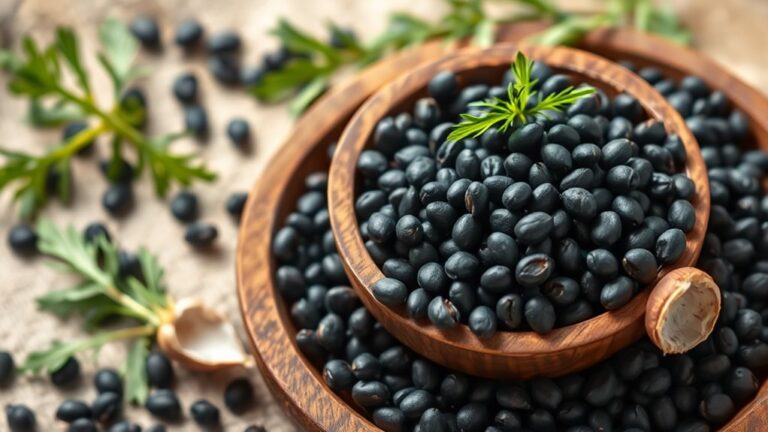
High-quality hemp seeds look uniform, firm, and free from damage or mold. Color consistency and seed size can reflect freshness and seed health. Germination rate is a critical quality indicator, specifying the proportion of seeds expected to sprout.
Buyers should request germination test results or certification from suppliers to estimate planting success.
- Firm, intact seeds
- Consistent coloration
- Germination rates above 85% recommended
For more on this, see our related guide: Are Cannabis Seeds Legal in the USA? Understanding the Legal Landscape.
Storage and Shelf Life Impact on Seed Viability
Improper storage leads to seed degradation through moisture absorption or heat damage, reducing germination likelihood. Seeds sealed in cool, dry conditions retain viability longer—typically up to a year or more depending on packaging.
Reliable sellers detail their storage methods and advise on seed freshness. Avoid seeds with ambiguous production or packaging dates.
- Seeds stored in moisture-proof packaging
- Cool temperature storage indicated
- Freshness date or batch information available
Where to Buy Hemp Seeds

Reputable Online Hemp Seed Stores
Online retailers specializing in hemp seeds offer a wide selection with user reviews and certification info readily accessible. Some focus on seeds for planting, others for food use.
Look for vendors with transparent sourcing, clear product descriptions, and tested germination rates. Customer support availability and flexible shipping options are additional perks.
- Verified customer reviews
- Certification disclosure
- Germination guarantee policies
Local Dispensaries and Seed Banks
Local hemp seed vendors or seed banks provide the advantage of in-person consultation, immediate availability, and less shipping risk. Some agricultural stores stock seeds certified for planting with region-specific genetics.
Visiting local suppliers also allows inspection of seed quality firsthand, and asking detailed questions about suitability for your intended use.
- Readable product labels
- Opportunity to ask experts
- Seed batches matched to local climate
Factors Influencing Price of Hemp Seeds
Seed Quality and Certification Costs
Certified hemp seeds tend to cost more due to lab testing and legal compliance requirements. Premium genetics bred for specific traits or disease resistance can also elevate prices.
Raw, uncertified seeds or bulk purchases lower costs but present legal and quality risks that buyers must weigh during purchase.
- Certification fees included in price
- Specialized seed varieties cost more
- Bulk discounts sometimes available
For more on this, see our related guide: How to Choose High CBD Cannabis Seeds for Maximum Therapeutic Benefits.
Market Demand and Regional Variations
Prices fluctuate with demand spikes for hemp-based products and seasonal planting cycles. Additionally, import costs, taxes, and availability influence regional price differences across marketplaces.
Buyers might time purchases to off-peak seasons or seek local sources to reduce costs while securing quality.
- Higher prices in high-demand seasons
- Regional seed availability impacts cost
- Local sourcing can reduce expenses
Tips for Buying Hemp Seeds for Successful Planting

Selecting the Right Variety for Your Climate
Not all hemp seed varieties perform well everywhere; climate, soil type, and growing season length impact success. Choose varieties suited for your region’s conditions to maximize yield and quality.
Research seed descriptions carefully, judge drought tolerance, flowering time, and local disease resistance.
- Match variety to local climate zone
- Prioritize disease-resistant seeds
- Consider flowering and harvest timing
For additional details about hemp seeds and their uses, consult the comprehensive information available on Hemp seed information on Wikipedia. Hemp seed information on Wikipedia.
Preparing Seeds and Soil for Best Results
Proper soil preparation with good drainage and pH balance enhances hemp development. Seeds benefit from pre-planting treatments like soaking to stimulate germination in some cases.
Follow best agricultural practices to reduce risks from pests and ensure robust seedling establishment.
- Test and adjust soil pH (6–7.5 ideal)
- Use seed soaking to improve germination
- Maintain consistent moisture during growth
Hemp Seed Categories Comparison
This table highlights key differences between common hemp seed categories based on their primary use and characteristics.
| Category | Usage Purpose | THC Content | Typical Price Range | Ease of Availability |
|---|---|---|---|---|
| Food-Grade Hemp Seeds | Human consumption (hemp hearts, oil) | Negligible THC, typically <0.3% | $10–25 per pound | Widely available online and in health stores |
| Certified Planting Seeds | Growing hemp plants for fiber or CBD | <0.3% THC plus certification | $50–150 per pound | Available from licensed seed banks, limited retail |
| Raw Bulk Seeds | Feed or industrial oil extraction | Unverified THC content | $5–15 per pound | Available in bulk industrial markets |
| Specialized Seed Varieties | High-yield or disease-resistant planting | <0.3% THC with breeder certification | $100+ per pound | Limited availability, specialized vendors |
Frequently Asked Questions
Can I plant hemp seeds bought for food use?
Seeds sold as food are usually hulled and treated, making them unsuitable for planting because germination ability is typically destroyed during processing.
How can I verify the quality of hemp seeds before buying?
Request germination test results, certifications for compliance, and seek vendors with transparent practices and clear packaging information regarding seed age and storage.
Are hemp seeds legal to buy everywhere?
Hemp seed legality varies by country and region; it's important to check local laws regarding THC limits, seed importation, and cultivation permissions before purchasing.
What is the typical shelf life of hemp seeds if stored properly?
When kept in cool, dry, and moisture-proof conditions, hemp seeds generally remain viable for up to one to two years, though germination rates may decline over time.
Do hemp seeds contain THC?
Hemp seeds themselves contain only trace or negligible amounts of THC, as THC is predominantly found in flowers and leaves rather than seeds.
Key Takeaways
- Choose certified hemp seeds suited to your specific use—food or planting.
- Verify seed quality through germination rates and supplier certifications.
- Understand and comply with local legal restrictions regarding hemp seeds.
- Consider climate compatibility and seed variety for successful hemp cultivation.
Conclusion
Deciding how to buy hemp seeds begins with clarity about your intended use, whether for nutrition, planting, or industrial purposes. Prioritize certified seeds that meet legal standards for THC content and quality markers like germination rates. Knowledge of seed types and their suitability helps avoid wasted resources and legal problems, allowing you to approach purchases with confidence and purpose.
For those aiming to cultivate hemp, certified planting seeds from licensed seed banks offer reliability and genetic traits matched to your regional climate, supporting strong crop development. Conversely, food enthusiasts should opt for hulled seeds or hemp hearts from reputable suppliers that focus on nutritional value and safety. Bulk raw seeds may serve industrial users but require careful vetting.
The next practical step involves researching suppliers, confirming certifications, and aligning your purchase with local laws. Whether selecting seeds for planting or consumption, informed choices make all the difference. With attention to quality, legality, and source, buying hemp seeds can be straightforward and rewarding.