How to Plan a Raised Bed Garden for Maximum Yield and Ease
Planning a raised bed garden starts with choosing the right location, sizing your beds correctly, and selecting suitable soil and plants. Begin by mapping out where the beds will go, considering sunlight, drainage, and accessibility. Measure space carefully to decide the width and length that fits your garden and allows comfortable reach across the bed.
Raised bed gardening helps optimize growing conditions, especially in areas with poor soil or limited space. By controlling soil quality and bed design, you create an environment that supports healthy plant growth and reduces weeds. This approach is increasingly popular among gardeners who want manageable, productive plots that fit easily into varied yard layouts.
This article covers essential steps in planning a raised bed garden: from choosing materials and bed dimensions to preparing soil and planning crop rotation. You’ll also find tips on irrigation setup, companion planting, and maintenance strategies that boost your garden’s health and productivity.
Choosing the Location and Layout for Your Raised Bed Garden

Evaluating Sunlight and Drainage
Look for a garden spot that receives at least 6-8 hours of direct sunlight daily, as most vegetables and flowers need this to thrive. Avoid shady corners or areas under dense tree canopies where sunlight is limited.
Good drainage is essential because raised beds without proper water flow can cause root rot. Test soil drainage by digging a small hole; if it fills with water after an hour, reconsider the location or incorporate drainage improvements.
- Minimum 6-8 hours of direct sunlight
- Avoid shaded or waterlogged areas
- Consider slope for natural drainage
Planning Bed Size and Arrangement
Standard raised beds are typically 4 feet wide, allowing easy reach to the center from either side without stepping inside. Length varies depending on available space, commonly 8-12 feet.
Leave pathways of at least 2 feet between beds to comfortably move garden tools and wheelbarrows, and to prevent soil compaction around beds. This layout supports efficient garden maintenance and harvesting.
- Bed width: commonly 4 feet
- Pathways: minimum 2 feet wide
- Lengths adjusted to garden space
Selecting Materials for Raised Bed Construction

Wood Options and Their Durability
Cedar and redwood are popular wood choices because they resist decay naturally and last several years without chemical treatment. Untreated pine is less durable and often treated with chemicals unsuitable for edible gardens.
Pressure-treated woods are less recommended for food crops due to potential chemical leaching. When using wood, ensure boards are at least 1 inch thick and securely fastened with rust-resistant screws for stability.
- Cedar and redwood resist rot
- Avoid chemically treated wood for edibles
- Use rust-resistant fasteners
Alternative Materials and Considerations
Metal frames, recycled composite boards, or stone and brick can create raised beds with extended lifespans. Metal beds heat up quickly, which can be beneficial in cooler climates but may stress plants in hot areas.
Stone and brick beds offer excellent durability but require more labor and investment. Composite materials provide a low-maintenance, sustainable option resistant to moisture and insects.
- Metal heats soil faster
- Stone and brick offer longevity
- Composite boards require less upkeep
Preparing Soil and Filling Your Raised Bed
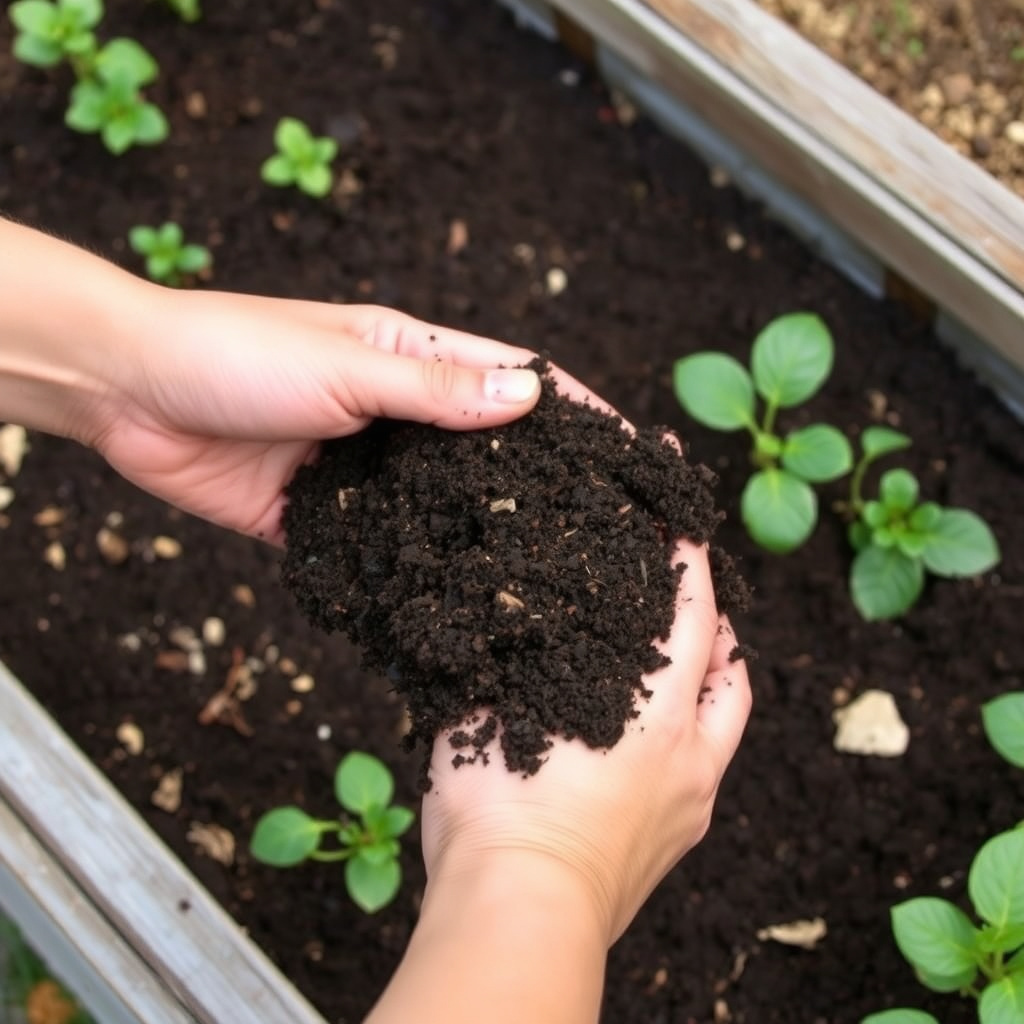
Soil Composition for Raised Garden Bed
A balanced soil mix for raised beds includes topsoil, compost, and aerating materials like peat moss or coconut coir. This blend provides nutrients, moisture retention, and good drainage essential for root health.
Avoid using only garden soil since it may compact quickly or lack organic matter. Building a healthy, loose soil environment enhances water flow and encourages beneficial organisms.
- Use 40% topsoil, 40% compost, 20% aeration material
- Incorporate organic matter for nutrients
- Ensure loose, well-drained soil structure
For more on this, see our related guide: How to Prevent Root Rot in Plants: Effective Strategies for Healthy Growth.
Amending Soil Over Time
Regularly add compost or organic mulch to maintain fertility and moisture. Testing soil pH annually helps you adjust lime or sulfur to maintain the ideal acidity, usually between 6.0 and 7.0 for most vegetables.
Rotating crops each season also prevents nutrient depletion and reduces disease buildup, supporting long-term garden health.
- Add compost yearly
- Monitor and adjust soil pH
- Practice crop rotation every season
Planning Plant Selection and Crop Layout

Choosing Suitable Plants for Raised Beds
Raised beds work well for a wide range of vegetables and herbs, especially those needing well-drained soil. Leafy greens, tomatoes, peppers, carrots, and bush beans are popular choices that thrive in these conditions.
Consider plants’ sunlight and space needs plus compatibility to avoid overcrowding and competition. Starter seedlings often establish more quickly than direct sowing in raised beds.
- Leafy greens and root crops excel
- Select plants matching your climate
- Use seedlings for faster growth
Companion Planting and Crop Rotation
Companion planting promotes beneficial interactions: for example, planting basil near tomatoes can improve flavor and deter pests. Avoid placing heavy feeders like tomatoes back-to-back yearly by rotating families of vegetables within the beds each season.
Intersperse flowers or herbs that attract pollinators and repel insects to foster a balanced ecosystem and reduce pesticide use.
- Pair basil with tomatoes
- Rotate crops annually
- Incorporate pest-repellent plants like marigolds
Watering and Maintenance Strategies for Raised Bed Gardening

Irrigation Methods and Water Efficiency
Drip irrigation or soaker hoses deliver water directly to plant roots, minimizing evaporation and promoting efficient moisture use. Raised beds dry out quicker than in-ground gardens, so consistent watering is vital.
Install timers with irrigation systems for regular watering schedules especially during dry periods, reducing manual labor and ensuring plants get steady moisture.
- Use drip or soaker hoses
- Consider automated timers
- Water early in the morning to reduce evaporation
For more on this, see our related guide: Best Time to Plant Carrot Seeds.
Routine Maintenance and Pest Control
Regularly inspect plants for pests or disease symptoms and remove affected leaves early. Mulching with organic material retains moisture, controls weeds, and improves soil health.
Hand-pick pests or introduce beneficial insects like ladybugs to manage aphid populations naturally instead of relying on chemical pesticides.
- Apply mulch to conserve moisture
- Inspect for pests weekly
- Use natural pest control methods
Maximizing Productivity with Seasonal Planning

Planning Seasonal Crops and Succession Planting
Sequence fast-growing crops like radishes or lettuce between slower maturing plants to use space and time efficiently. This means as soon as one crop is harvested, another is ready to replace it, maintaining continuous production.
Consider your climate’s growing season; plant cold-tolerant species early or extend the season with covers for fall and spring crops.
- Use quick crops between slower ones
- Adapt planting times to local climate
- Extend season with cold frames or row covers
For more detailed information on raised bed gardening basics, you can visit the Wikipedia article covering essential aspects and history. Raised bed gardening basics on Wikipedia.
Using Raised Garden Bed Design to Optimize Harvest
Design beds with paths that allow 360-degree access to minimize soil compaction and make planting or harvesting more efficient. Taller beds improve drainage and reduce back strain during garden work.
Incorporate vertical supports for climbing plants to maximize space and increase yields in small footprint gardens.
- Allow full access to plants
- Use vertical supports for vines
- Consider bed height for ergonomic benefits
Raised Bed Garden Styles Comparison
This table summarizes common raised bed garden styles highlighting materials, durability, cost, and maintenance needs to help you choose the best fit.
| Style | Material | Durability | Cost | Maintenance Level |
|---|---|---|---|---|
| Wooden Raised Beds | Cedar or Redwood | 5-10 years | Moderate | Medium |
| Metal Raised Beds | Galvanized Steel or Aluminum | 10-15 years | High | Low |
| Composite Raised Beds | Recycled Plastic and Wood Fibers | 15+ years | High | Low |
| Stone or Brick Raised Beds | Natural Stone or Brick | 20+ years | Very High | Low |
| Fabric Raised Beds | Durable Landscape Fabric | 2-3 years | Low | High |
Frequently Asked Questions
How deep should a raised bed garden be?
A raised bed should be at least 12-18 inches deep to give roots enough space. Deeper beds allow better root development, especially for root vegetables.
Can I build a raised bed garden on concrete or hard surfaces?
Yes, you can set raised beds on concrete by creating a frame and filling it with soil. Just ensure good drainage and avoid containers that trap water.
What is the best soil mix for raised beds?
A mix of 40% topsoil, 40% compost, and 20% aerating materials like peat moss or coconut coir creates a nutrient-rich, well-draining environment.
How often should I water my raised bed garden?
Watering depends on weather and soil but generally every 2-3 days during the growing season. Drip irrigation can help maintain consistent moisture.
Is crop rotation necessary in raised bed gardens?
Yes, rotating crops yearly helps prevent nutrient depletion and reduces the buildup of pests and diseases in the soil.
Key Takeaways
- Select a sunny, well-drained site for your raised bed garden
- Choose durable materials like cedar or composite for long-lasting beds
- Mix soil with compost and aerating materials for healthy growth
- Plan crop layout and rotation to boost productivity and reduce pests
Conclusion
Planning a raised bed garden involves balancing space, soil quality, plant selection, and maintenance to maximize productive yields while keeping the garden manageable. Focusing on good location, proper bed size, and building with durable materials sets a strong foundation for success. Thoughtful soil preparation and plant choice tailored to your climate reinforce healthy growth over time. This approach helps avoid common pitfalls like poor drainage or soil compaction, providing a healthier growing environment for your vegetables and herbs.
Depending on your budget and garden goals, materials like cedar or composite boards are excellent for raised bed construction due to durability and safety for edible plants. If you want easy upkeep with fewer replacements, metal or composite beds offer longevity and low maintenance, whereas wooden beds provide natural aesthetics but may require more care. In small spaces, vertical supports alongside smart succession planting help maximize your harvest. Equally, regular watering through drip systems and crop rotation maintain soil vitality and plant health season after season.
Start by selecting a site with ample sunlight and mapping bed sizes that fit your garden layout comfortably. Invest time in creating nutrient-rich soil and plan your plantings carefully using companion planting principles and seasonal timing. With consistent attention to watering and pest management, your raised bed garden can thrive, yielding fresh produce for years. For detailed guidelines on raised garden bed design and care, exploring further expert resources will help refine your setup tailored to your unique gardening conditions.