Understanding What Aeroponics Is: A Modern Soil-Free Growing Method
Aeroponics is a method of growing plants without soil, where roots are suspended in the air and nutrients are delivered through a fine mist. This soil-free system allows roots maximum access to oxygen, water, and nutrient solutions, promoting faster and more efficient growth.
This technology matters for agriculture and gardening because it uses significantly less water than traditional soil methods and can lead to higher yields in a controlled environment. Aeroponics can help grow crops almost anywhere, from urban settings to space stations, enabling sustainable production with fewer resources.
In this article, we will explore the basics of what aeroponics is, including how the system works, the advantages and challenges of this technique, detailed setup options, plant types that thrive in aeroponics systems, and comparisons with other soil-less growing methods.
How Does Aeroponics Work?
The Core Components of an Aeroponics System
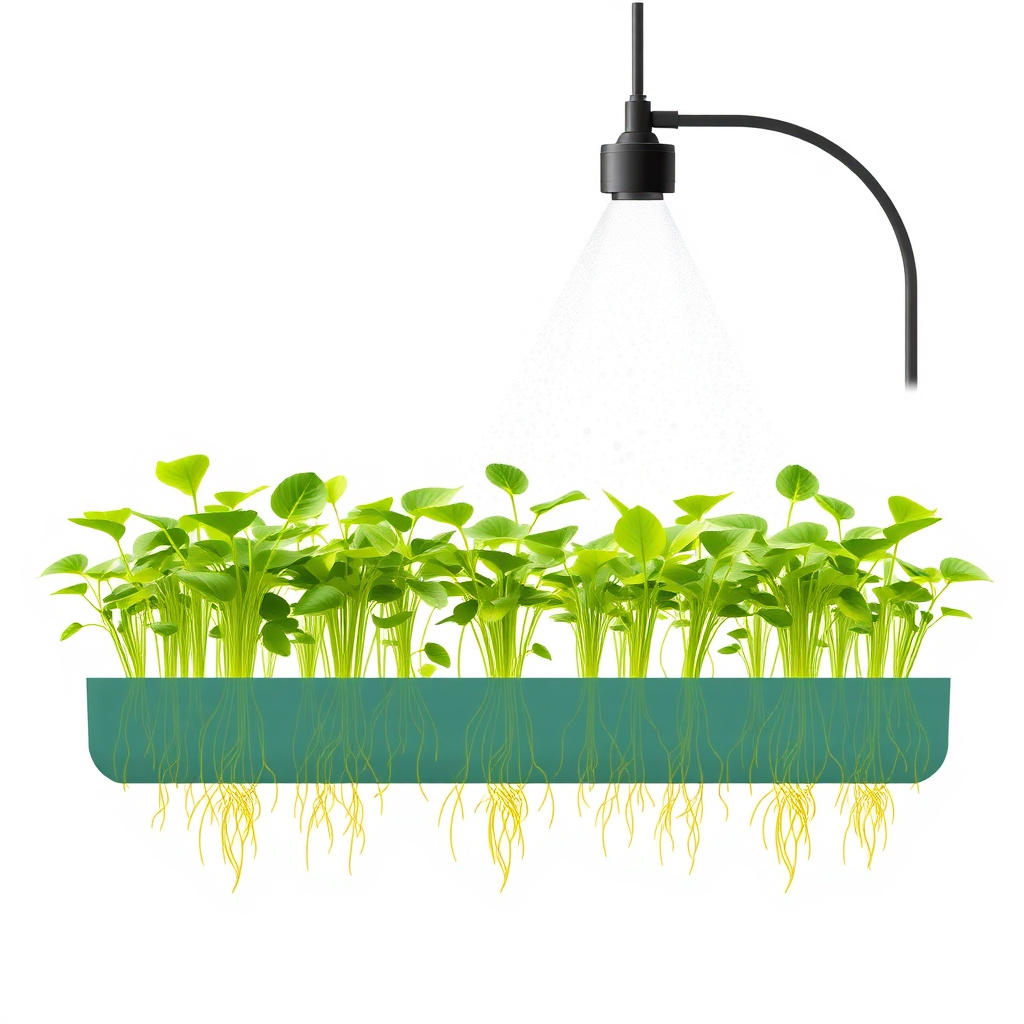
An aeroponics system consists mainly of a growing chamber where plant roots hang exposed to the air, a misting system that sprays nutrient-rich water, and a reservoir tank that holds the nutrient solution. These parts work together to maintain a consistent cycle of misting the roots.
A timer or sensor-controlled pump usually activates the mist at regular intervals, ensuring roots neither dry out nor stay too wet. The enclosure often shields roots from light to prevent algae growth while allowing easy access for monitoring.
- Growing chamber holding exposed roots
- Misting nozzles or sprayers
- Nutrient solution reservoir
- Pump and timer control system
The Science Behind Nutrient Absorption
By suspending roots in air and delivering nutrients in a mist form, aeroponics improves oxygen availability to roots, which can boost nutrient uptake efficiency. This oxygen-rich environment helps stimulate root growth and plant health.
The fine mist ensures nutrients are absorbed quickly without waterlogging roots, unlike hydroponics where roots are submerged. This setup reduces root diseases that arise from excess moisture, making aeroponics a cleaner growing method.
Benefits of Aeroponics Over Traditional Growing Methods
Water Efficiency and Environmental Impact
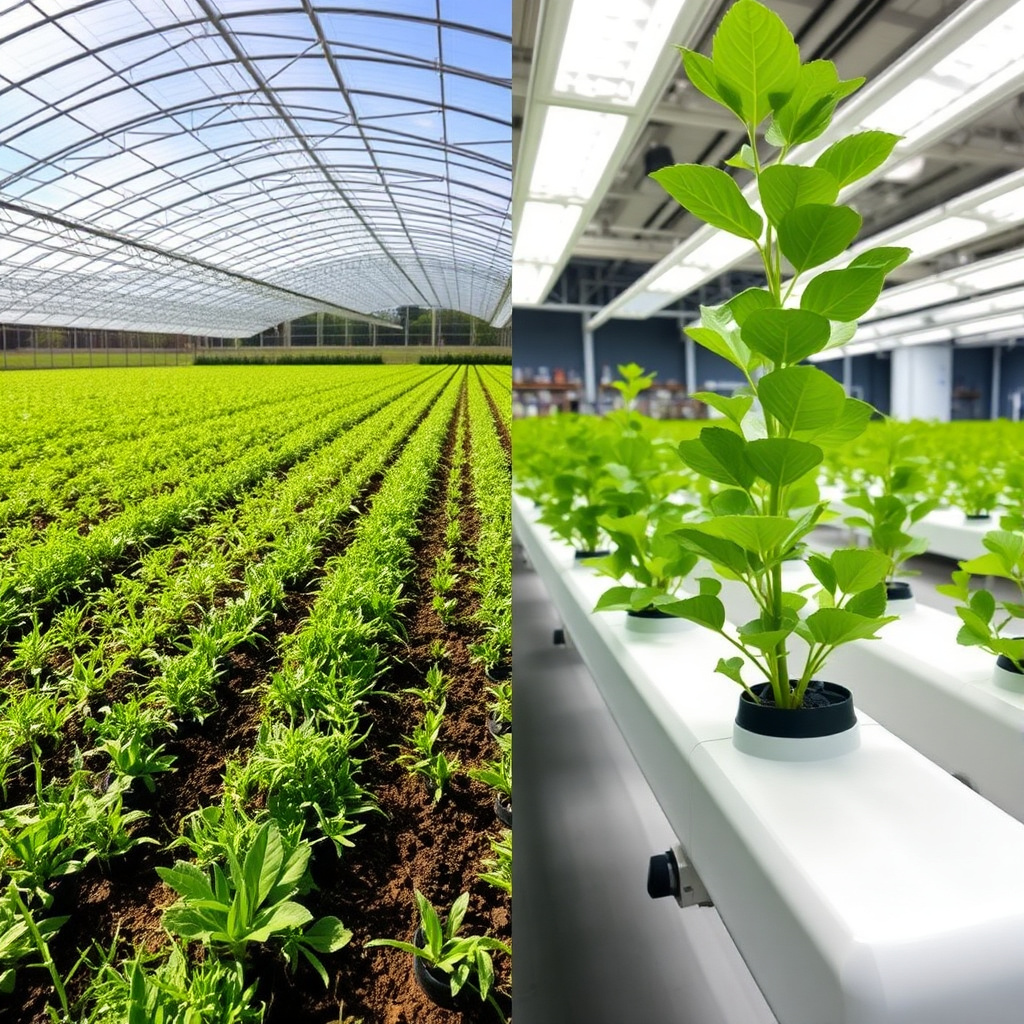
Aeroponics uses up to 90% less water than soil-based agriculture because the nutrient solution is recirculated and misted directly onto roots. This means minimal waste compared to irrigation runoff common in conventional planting.
Because it controls nutrient delivery precisely, aeroponics reduces fertilizer usage and prevents harmful leaching into the environment. Its closed system design helps lower pest risk too, which reduces dependence on pesticides.
- Uses significantly less water
- Recirculates nutrient solutions
- Minimal fertilizer runoff
- Lower pesticide need
Growth Rate and Yield Improvements
Plants grown aeroponically often exhibit faster growth and higher yields due to improved oxygenation and nutrient absorption. Some crops mature 20-30% faster compared to soil cultivation.
The controlled environment allows year-round production unaffected by soil quality or weather. This reliability benefits commercial growers aiming for consistent high-quality harvests.
Setting Up an Aeroponics System
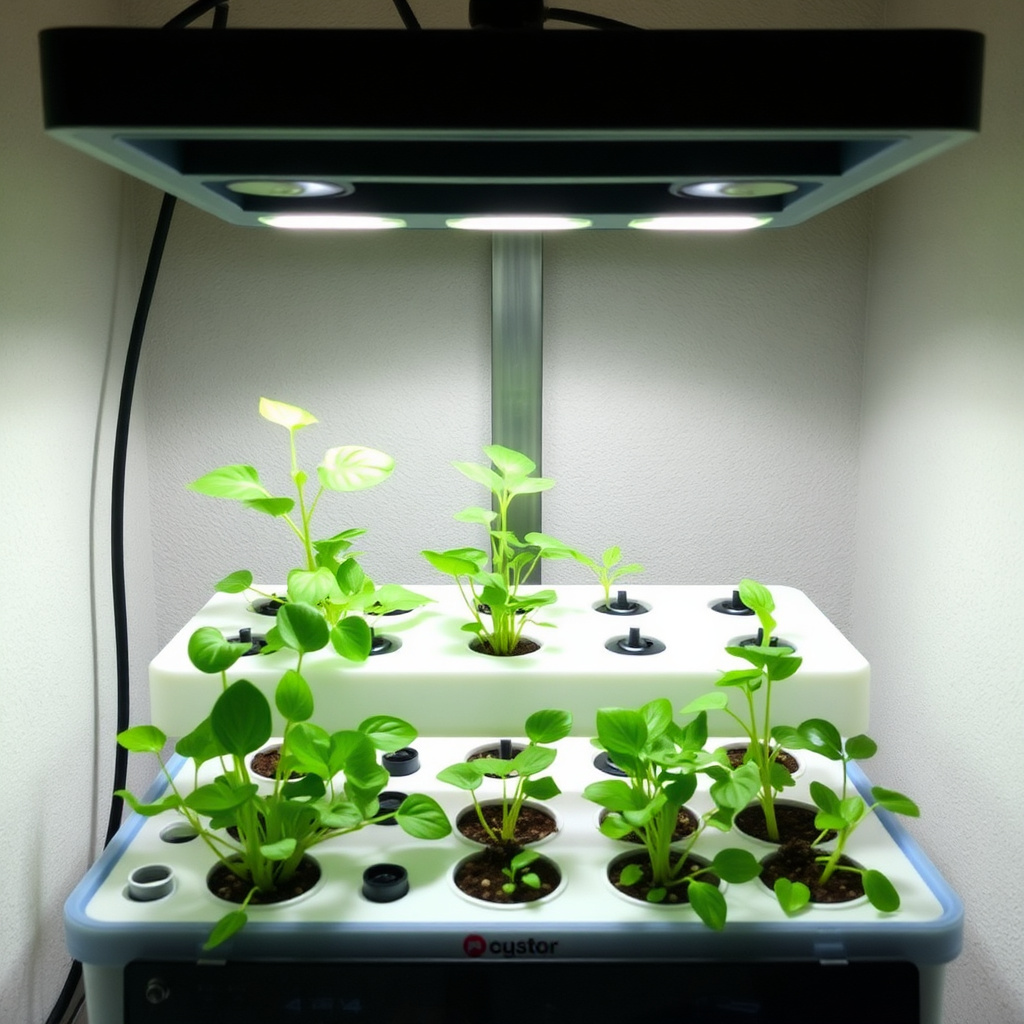
DIY Aeroponics for Beginners
Home gardeners can build small aeroponics units using affordable parts like plastic containers, aquarium pumps, and misting nozzles. These kits allow experimentation with different plants and nutrient mixes.
Key tips include maintaining root chamber humidity, cleaning misting nozzles regularly to prevent clogging, and carefully monitoring nutrient solution concentration to avoid root burn.
- Use opaque containers to block light
- Schedule misting cycles with timers
- Keep nutrient balance steady
- Clean equipment frequently
For more on this, see our related guide: Cannabis Growing Guide for Beginners: How to Start Cultivating Your Own Plants.
Commercial Aeroponics Systems
Large-scale aeroponic farms utilize advanced automation, sensors, and climate control to maximize efficiency. Specialized nutrient formulations and precise mist particle size optimize root exposure.
Design considerations include system scalability, integration with renewable energy, and backup systems for power outages to maintain continuous operation.
Which Plants Thrive in Aeroponic Systems?
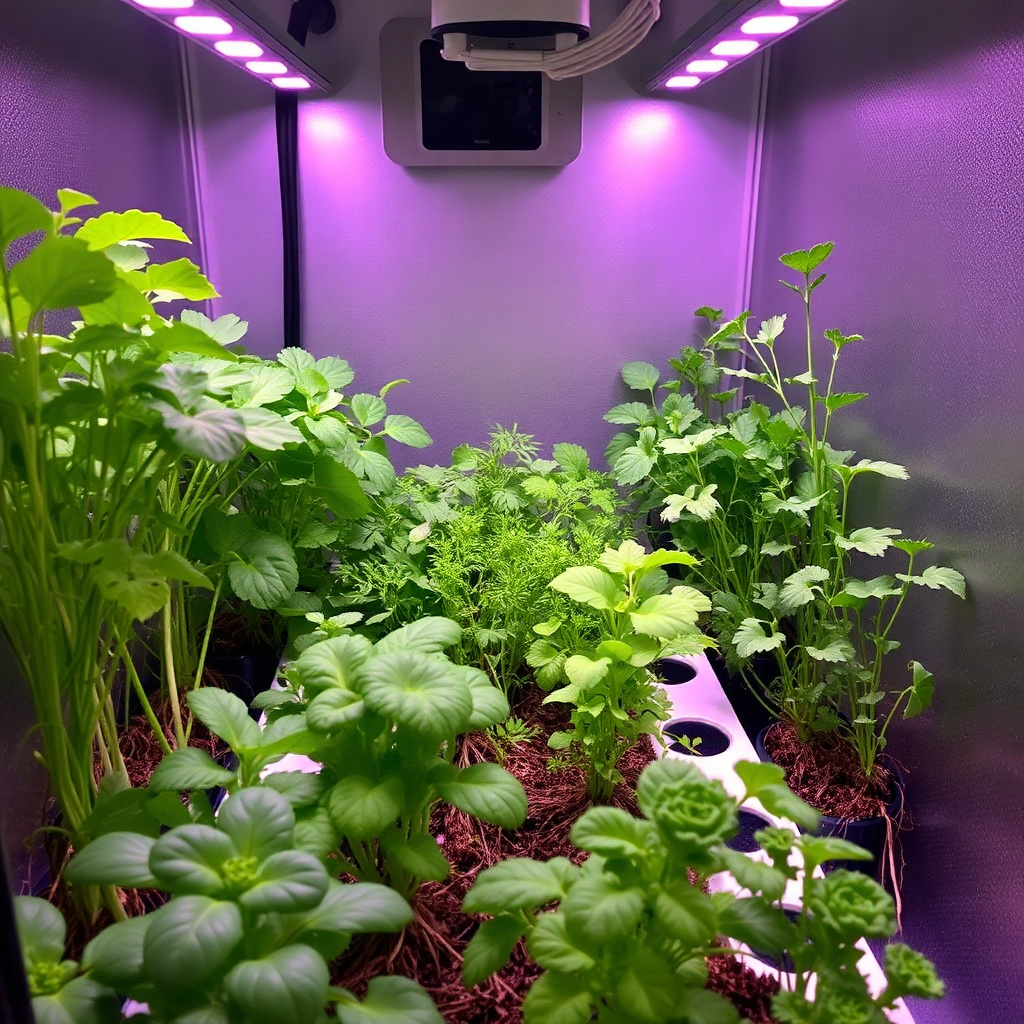
Ideal Crops for Aeroponics
Leafy greens like lettuce, spinach, and kale perform exceptionally well in aeroponics due to their quick growth cycles and moderate root structures. Herbs such as basil, mint, and cilantro also flourish.
Fruits like strawberries and some vine crops can be grown but require careful root support. Ultimately, crops with relatively small root systems are best suited for aeroponic techniques.
- Lettuce
- Spinach
- Kale
- Basil
- Mint
- Cilantro
Plants Challenging to Grow Aeroponically
Deep-rooted vegetables like carrots, potatoes, and beets pose challenges because their roots need extensive space and substrate support, which aeroponics does not offer well.
Trees, shrubs, and large fruit crops are less practical due to size and complexity. Such plants generally require traditional soil-based or hydroponic solutions tailored for their scale.
Comparing Aeroponics to Hydroponics and Aquaponics
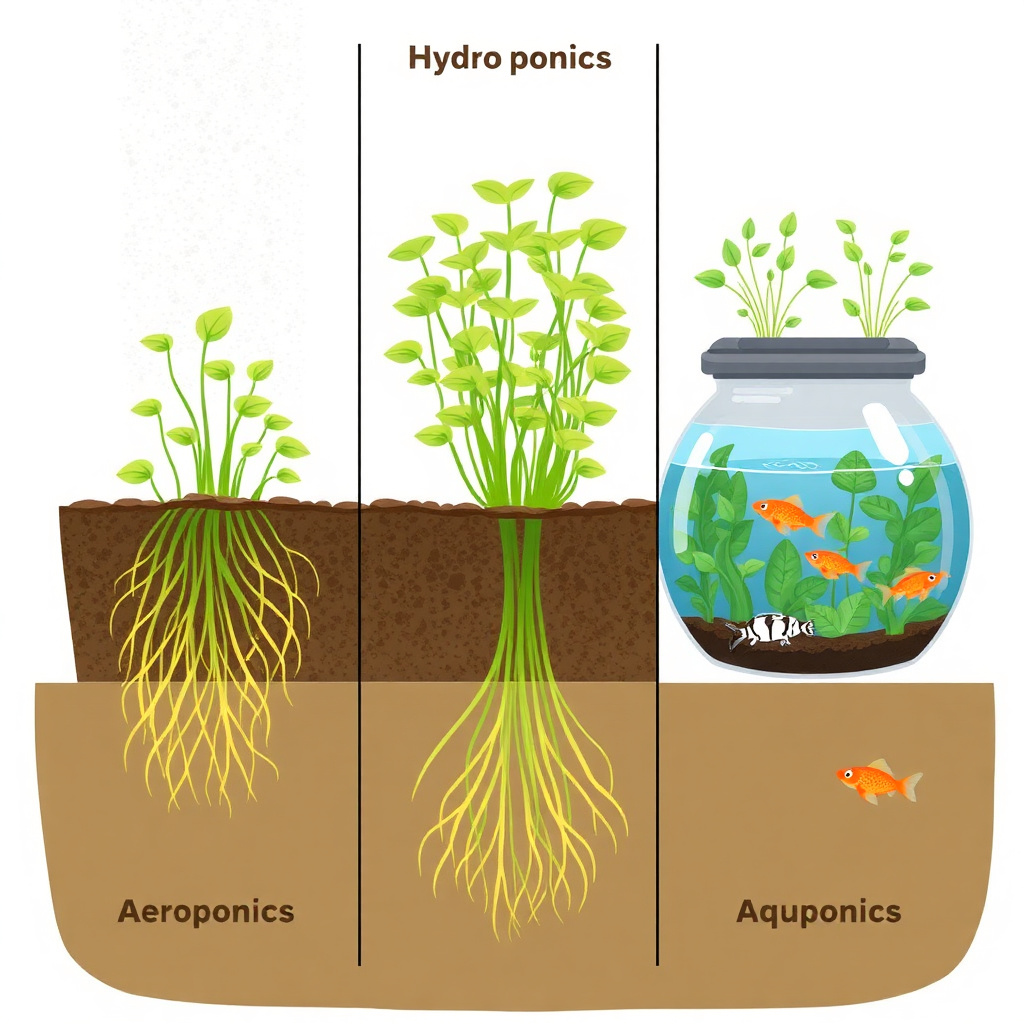
Differences Between Aeroponics and Hydroponics
While hydroponics involves submerging roots in nutrient-rich water or an inert medium, aeroponics suspends roots in air and misting nutrients. This leads to higher oxygen exposure in aeroponics.
Hydroponic systems may require larger volumes of water and tend to have more risk of root rot. Aeroponics supports faster growth but can be technically more complex to maintain mist systems.
Aeroponics versus Aquaponics
Aquaponics combines fish farming with hydroponics, using fish waste to supply nutrients to plants. Aeroponics focuses solely on misting nutrient solutions, offering more control over nutrient composition.
Aquaponics requires balancing aquatic life conditions while aeroponics avoids aquatic dependencies, simplifying system management but losing some sustainability aspects found in aquaponics.
Common Challenges and Maintenance Tips
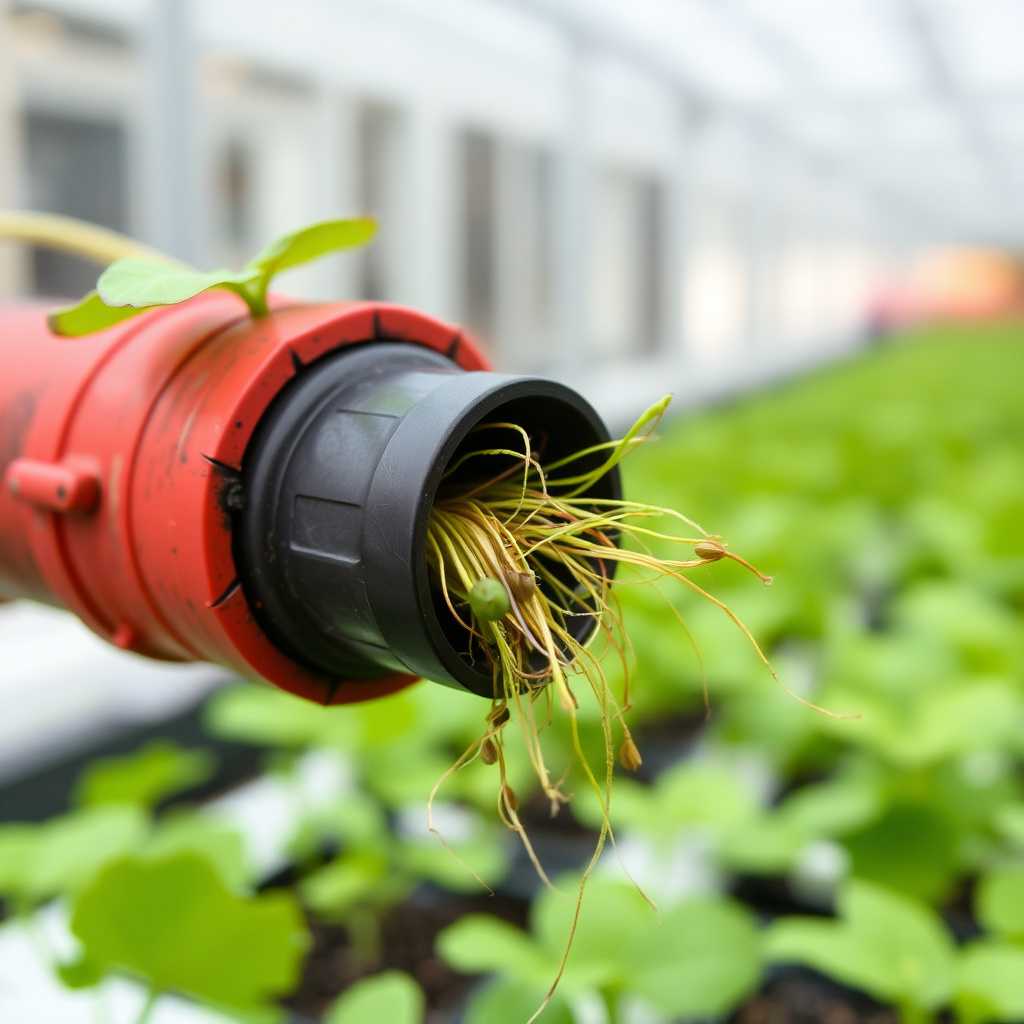
Preventing System Clogs and Failures
Misting nozzles in aeroponics systems are prone to clogging from nutrient residue and algae, which can interrupt nutrient supply. Regular cleaning and using filtered water reduce clogging risks.
Backup power systems are recommended since pump or power failures can cause roots to dry out quickly, impacting plant health. Monitoring system timers and sensors helps maintain steady operation.
- Regular nozzle cleaning
- Use filtered water
- Install backup power
- Monitor timers closely
For additional detailed information and history on aeroponics, see the Aeroponics Wikipedia article. Aeroponics Wikipedia article.
Nutrient Solution Management
Maintaining the correct nutrient balance and pH in the reservoir is critical for plant health. Frequent testing and replenishment prevent deficiencies or toxicities.
Using high-quality hydroponic nutrient mixes made for aeroponics and avoiding buildup of salts ensures optimal nutrient availability.
Aeroponics System Category Comparison
Below is a comparison of different aeroponics system types highlighting their scale, complexity, water use, and typical applications.
| Category | Scale | Water Usage | Technical Complexity | Ideal Use Case |
|---|---|---|---|---|
| DIY Aeroponics Kit | Small-scale | Very low | Low | Home gardening and learning |
| Commercial Aeroponics Farm | Large-scale | Low | High | Mass food production |
| Vertical Aeroponics | Medium to large | Low | Medium | Urban farming in limited spaces |
| Hybrid Aeroponics-Hydroponics | Various | Moderate | Medium to High | Specialized crop cultivation |
Frequently Asked Questions
Is aeroponics better than hydroponics?
Aeroponics provides more oxygen to roots, which can speed growth and reduce disease risk, but it's often more complex and costly. Hydroponics is simpler and well-suited for many crops, so the choice depends on your needs and resources.
What plants grow best in aeroponics?
Leafy greens like lettuce, herbs such as basil, and some fruits like strawberries grow best in aeroponics due to their smaller root systems and fast growth cycles.
How often should roots be misted in an aeroponics system?
Roots typically need misting every 5-15 minutes, depending on plant type and ambient conditions, to remain moist without oversaturation.
Can aeroponics reduce water use compared to traditional farming?
Yes, aeroponics recirculates nutrient solutions and applies water as a mist, reducing overall water consumption by up to 90% compared to soil farming.
What are common problems in aeroponics systems?
Misting nozzle clogging, pump failures, and imbalanced nutrient solutions are common challenges that require regular maintenance and monitoring.
Key Takeaways
- Aeroponics grows plants with roots suspended in air and nutrient mist.
- It uses less water and often increases growth speed compared to soil growth.
- Ideal for leafy greens, herbs, and certain fruits with smaller roots.
- Requires careful system maintenance to prevent clogs and dry roots.
Conclusion
Choosing aeroponics as a growing method involves considering the balance between the benefits of rapid plant growth and water efficiency against the technical challenges of maintaining equipment like misting nozzles and pumps. The decision depends on your scale, crop type, and willingness to manage a sophisticated system. For those interested in sustainable, high-yield agriculture with limited water, aeroponics presents an exciting alternative to traditional soil and even hydroponic methods.
For small-scale gardeners or hobbyists, DIY aeroponics kits with simple timers and pumps offer a hands-on way to explore soil-free growth. Commercial growers aiming for year-round crop production in controlled environments can invest in automated, sensor-driven aeroponics farms optimized for leafy greens and herbs, which thrive best in this setup. Understanding your goals will help select the right aeroponics category and design.
If you're motivated to reduce water use and increase plant growth efficiency, start by researching small systems and experimenting with suitable crops like lettuce or basil. Careful setup and dedicated maintenance can unlock the benefits of aeroponics while avoiding common pitfalls. Continuing to build knowledge and monitoring plant responses will refine your approach and bring you closer to successful aeroponic cultivation.