How to Plan a Garden for Beginners: A Step-by-Step Guide
Planning a garden for beginners starts with selecting the right location, deciding what to grow, and understanding basic garden design principles. The key is to create a simple plan that fits your space, climate, and time commitment.
Many first-time gardeners struggle because they jump into planting without preparing the soil or thinking about plant needs. Taking time to map out your garden will save frustration and help your garden flourish over the season.
This article breaks down the process into clear steps: assessing your site, determining garden style and layout, choosing beginner-friendly plants, preparing your soil, and managing watering and maintenance. By following these guidelines, you'll gain confidence and enjoy the process.
Choosing the Best Location for Your Garden
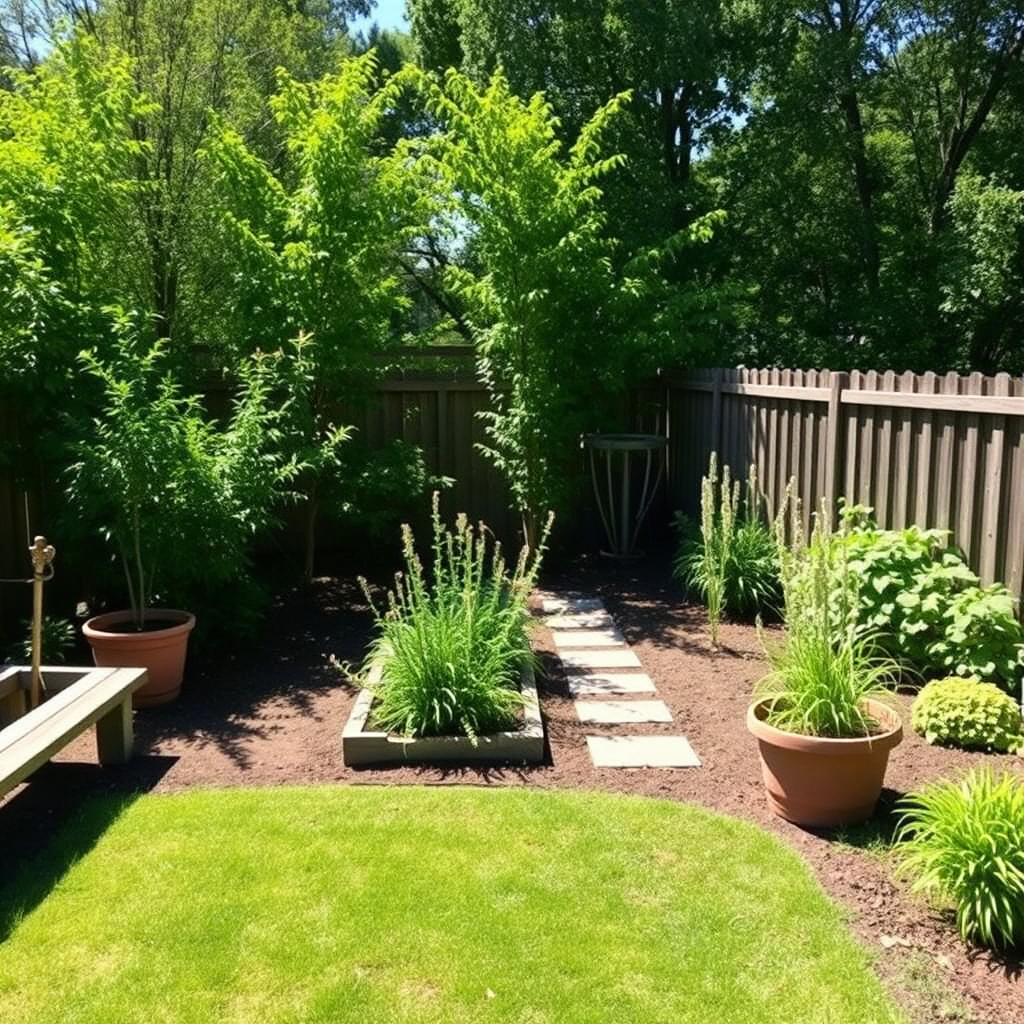
Evaluating Sunlight Exposure
Sunlight is a critical factor for plant growth, with most vegetables and flowers requiring at least six hours of direct sun daily. Start by observing which areas of your yard get morning, midday, and afternoon sun to identify the sunniest spots.
Avoid shaded areas near large trees or buildings that block light. A slightly sloped area can help with drainage, preventing water from pooling around roots.
- Track sunlight duration for 2-3 days
- Prefer locations with morning sun for cooler plants
- Avoid areas shaded more than 4 hours daily
Assessing Soil Quality and Drainage
Soil composition and drainage significantly impact plant health. Test your soil’s texture by feeling it; sandy soil drains quickly, clay holds water, and loam is ideal with balanced texture.
Dig a test hole and fill it with water to check how fast it drains; good drainage means water disappears in 1-2 hours. Poor drainage causes roots to rot and stunts growth.
- Perform a soil pH test to guide fertilizer use
- Amend heavy clay with organic matter
- Consider raised beds if drainage is poor
Designing Your Garden Layout

Selecting a Garden Style
Decide whether you want a vegetable garden, flower garden, herb garden, or a mix. Raised beds suit beginners since they offer control over soil conditions and neat organization.
Container gardening is an alternative for limited space or rentals, while traditional rows work well for larger plots. Pair plants with similar water and sunlight needs for easier care.
- Raised beds improve soil quality
- Containers provide flexibility
- Mixed gardens offer aesthetic appeal
Mapping Your Garden Space
Draw a scaled map of your garden area on graph paper, marking sun exposure, existing trees, and irrigation points. Sketch where you want to place beds or rows and plan paths for access.
Plan spacing according to mature plant sizes to prevent overcrowding. Leave enough room to maneuver your tools without stepping on plants.
- Use grid paper for accuracy
- Include walking paths
- Mark future expansion spots
Choosing Plants Suitable for Beginners
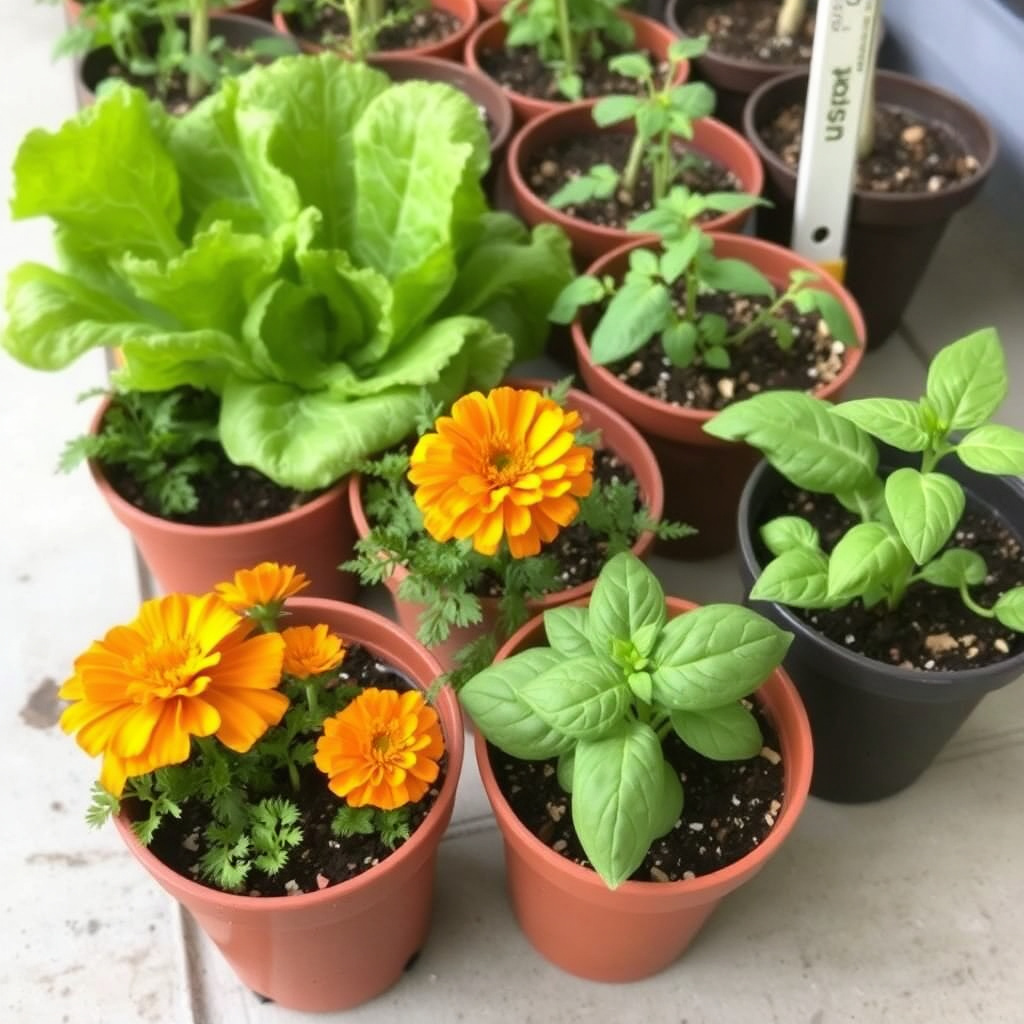
Picking Easy-to-Grow Vegetables and Herbs
Select plants that tolerate beginner errors, such as lettuce, radishes, green beans, basil, and mint. These species grow quickly and don’t require complex care.
Buy seedlings to reduce germination issues, and check seed packets for days to harvest and environmental needs.
- Lettuce and spinach for cool weather
- Tomatoes and peppers for longer seasons
- Herbs like basil and parsley for multi-use
For more on this, see our related guide: Plant Genetics Explained for Beginners: Understanding the Basics of Heredity in Plants.
Including Companion Plants to Boost Growth
Companion planting pairs species that mutually benefit each other, improving pest resistance or nutrient uptake. For example, marigolds repel nematodes and attract pollinators.
Avoid planting species that compete for resources or attract the same pests near each other to maintain garden health.
- Marigolds near tomatoes
- Beans with corn
- Avoid placement of onions near peas
Preparing and Improving Your Soil
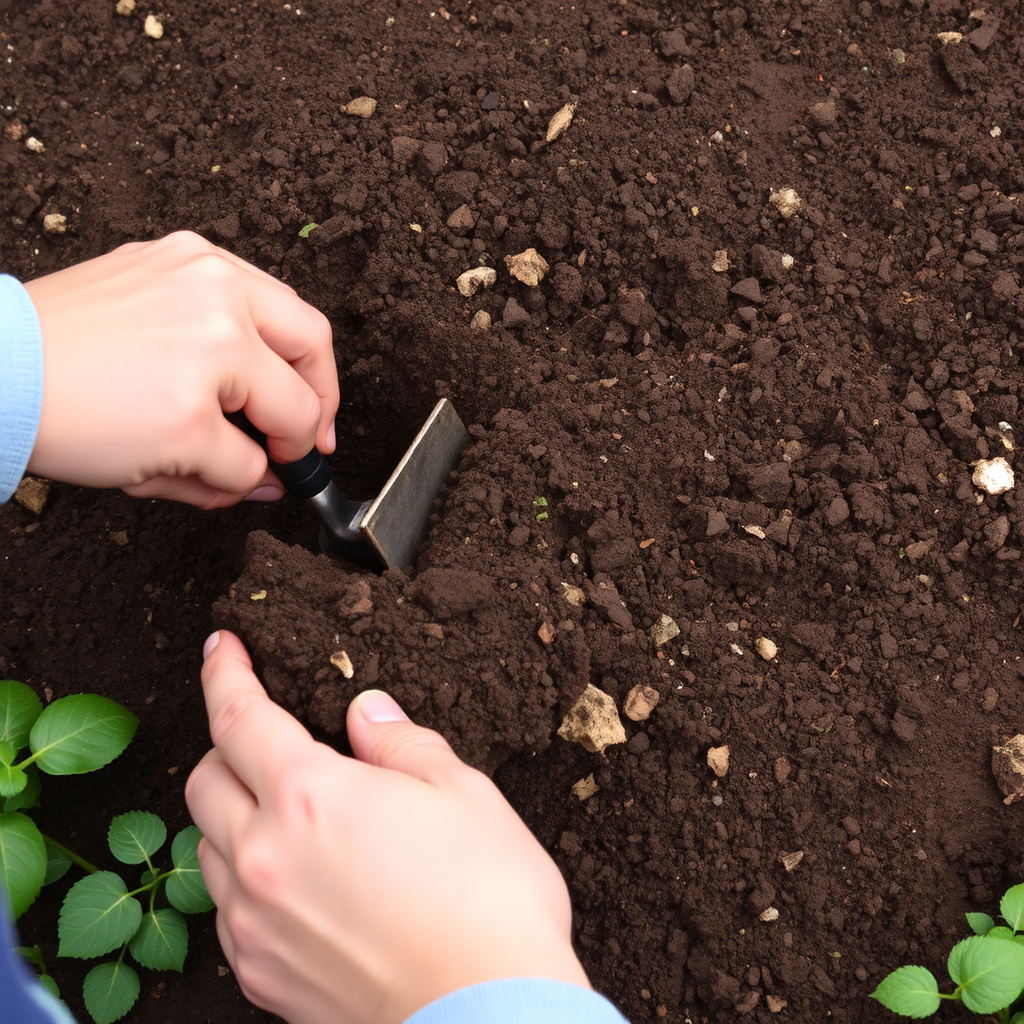
Testing and Amending Soil Nutrients
Conduct a soil test to determine nutrient deficiencies and pH levels. Most garden centers offer simple kits. Most vegetables prefer slightly acidic to neutral soil (pH 6.0-7.0).
Add organic compost or fertilizer based on test results to balance nutrients before planting. Compost improves texture and water retention for sandy or clay soils.
- Add lime to raise pH if soil is too acidic
- Use sulfur to lower pH if soil is too alkaline
- Incorporate well-rotted compost annually
Improving Soil Structure and Drainage
Work coarse organic matter like straw or bark chips into heavy clay soils to improve aeration. For sandy soil, add humus-rich compost to increase moisture retention.
Turn the soil gently 6-8 inches deep with a garden fork or spade to break compact layers. Avoid working wet soil to prevent damage.
- Avoid compacting soil after amendment
- Create raised beds in poorly drained areas
- Mulch to retain moisture and prevent weeds
Watering and Maintenance Strategies
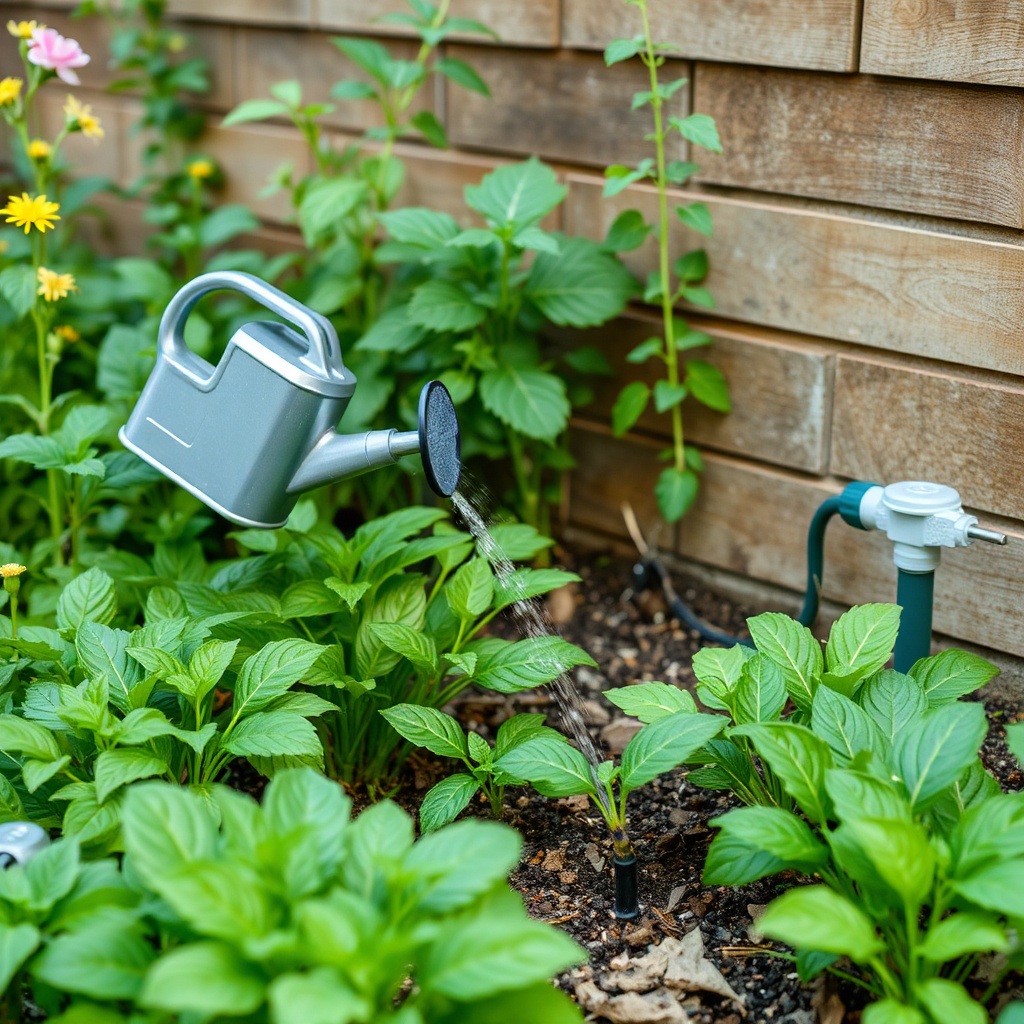
Efficient Watering Techniques for Beginners
Consistent watering is vital, but overwatering can harm roots. Early morning watering reduces evaporation and allows plant leaves to dry during day, lowering disease risk.
Drip irrigation and soaker hoses deliver water directly to roots, saving water and reducing weed growth. Monitor soil moisture regularly to decide when to water.
- Water deeply but infrequently
- Use mulch to slow evaporation
- Avoid overhead watering to minimize diseases
For more on this, see our related guide: What Affects Plant Growth: Key Factors Explained for Healthy Gardens.
Basic Garden Maintenance Tasks
Regular weeding prevents competition for nutrients. Check plants for pests and diseases weekly to catch problems early.
Prune dead or overcrowded growth, harvest mature vegetables promptly, and rotate crops annually to maintain soil health.
- Weekly visual garden inspection
- Use organic pest control methods
- Recycle plant debris through compost
Planning for Seasonal Changes and Expansion
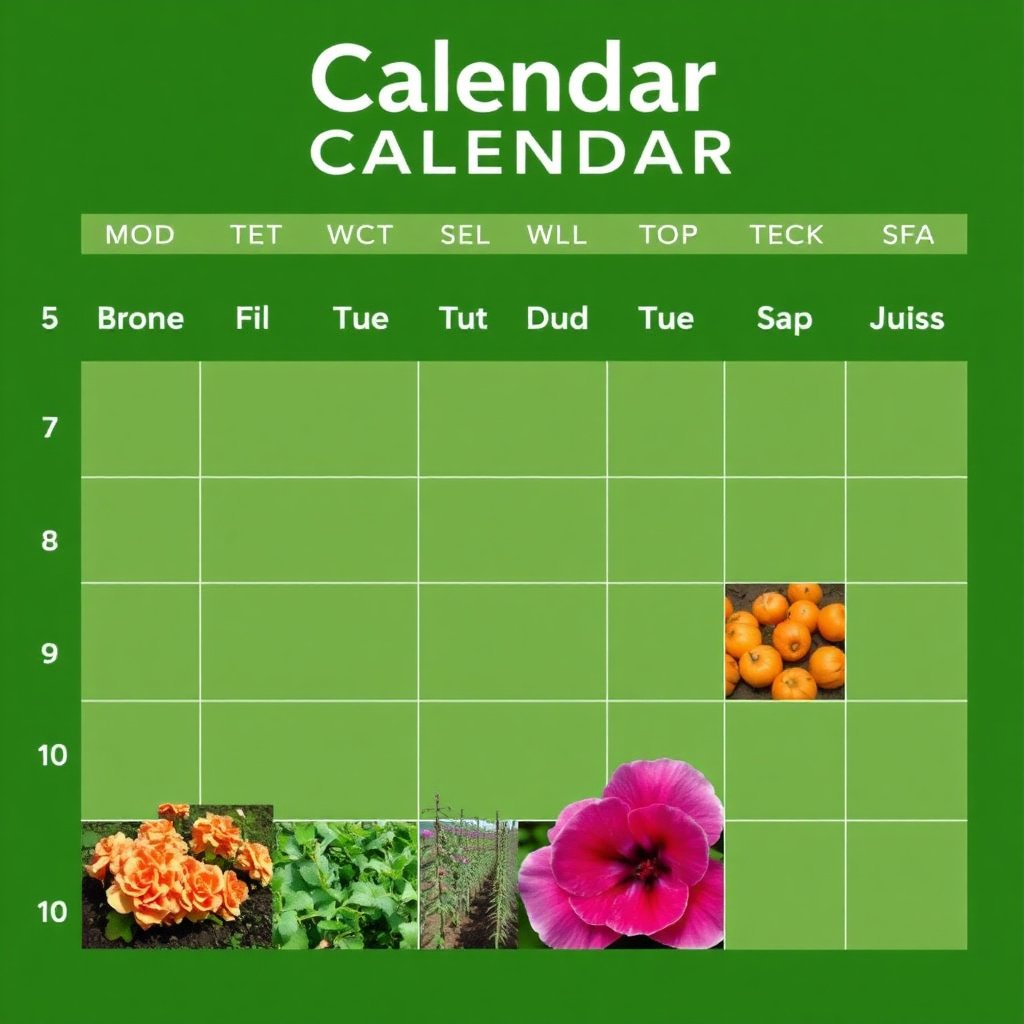
Adjusting Your Garden Plan for Seasons
Understand your local frost dates and plant cool-season crops before the last frost. Switch to heat-tolerant plants during summer, and consider cover crops or mulch in winter.
Seasonal planning helps extend your gardening time and keeps your soil from degrading during off-seasons.
- Use a planting calendar specific to your region
- Grow fall crops like kale or carrots
- Cover bare soil with mulch or cover crops
For more in-depth garden planning tips, you can refer to expert advice from the Royal Horticultural Society. garden planning tips from the Royal Horticultural Society.
Expanding and Improving Your Garden Yearly
After your first successful season, expand by adding new plant varieties or more space. Experiment slowly to avoid overcommitment.
Incorporate elements like compost bins or rainwater harvesting to improve sustainability and reduce ongoing costs.
- Add new plants gradually
- Install compost containers
- Set up rain barrels for irrigation
Garden Planning Methods Category Comparison
Here is a comparison of several garden planning approaches based on ease, cost, and maintenance suitable for beginners.
| Garden Type | Ease of Setup | Initial Cost | Maintenance Level | Best For |
|---|---|---|---|---|
| Raised Bed Garden | Medium | Moderate | Low to Medium | Beginners with moderate space |
| Container Garden | High | Low to Moderate | Low | Small spaces, renters |
| Traditional Row Garden | Low | Low | Medium to High | Larger areas, vegetable focus |
| Square Foot Garden | Medium | Low to Moderate | Low | Highly organized, small spaces |
| No-Dig Garden | Medium | Low | Low | Organic gardeners preferring low labor |
Frequently Asked Questions
How much space do I need to start a beginner garden?
You can start a garden in as little as a few square feet with containers, but a 4×4 foot raised bed is a manageable size to grow a good variety of plants.
What is the easiest vegetable for beginner gardeners?
Lettuce, radishes, and green beans are among the easiest vegetables because they grow quickly and tolerate varying conditions well.
How often should I water my garden?
Most gardens need about one inch of water per week, supplied through deep, infrequent watering. Adjust frequency depending on weather and soil moisture.
Can I garden in poor soil?
Yes, amending poor soil with organic compost or using raised beds can improve soil conditions, enabling successful gardening even in less ideal ground.
When is the best time to plan a garden?
Planning your garden in late winter or early spring gives you time to prepare soil and purchase plants for planting after the last frost date.
Key Takeaways
- Start garden planning by choosing a sunny, well-drained location.
- Design your layout based on space, style, and plant needs.
- Select easy-to-grow plants suited for beginners and local climate.
- Maintain soil health with testing, amendments, and regular care.
Conclusion
Developing a garden plan for beginners requires understanding the basics of site selection, plant choices, and garden layout. Taking these steps methodically helps avoid common pitfalls and sets a foundation for growth. The main keyword directs attention to practical planning, ensuring the approach is manageable and tailored to your unique space and goals.
For new gardeners, raised bed gardens or container gardens often provide the most satisfying results because they offer excellent control of soil and easier maintenance. Choosing beginner-friendly vegetables like lettuce and herbs allows quick successes boosting confidence. Seasonally adapting your plan and maintaining soil vitality with compost will keep your garden productive and enjoyable.
Starting small with a clear plan and gradually expanding as confidence grows is the best route forward. Use a simple garden map, test your soil, and schedule watering to build habits. This step-wise planning not only nurtures plants but also your skills, turning gardening into a rewarding part of your routine.