How to Understand Cannabis Laws: A Clear Guide to Legal Landscape
Understanding cannabis laws starts with recognizing that these regulations vary widely based on location, including federal, state, and local levels. The main cannabis law outlines what is allowed—such as possession limits, usage rights, and cultivation rules—and what remains illegal. Grasping these basics helps avoid legal trouble and informs responsible use or business decisions.
Cannabis laws matter because they impact everything from personal freedoms to public health and commerce. In some areas, cannabis is fully legal for recreational and medical use, while in others it remains prohibited or only partially allowed. Changes in these laws continue to unfold, affecting how individuals and companies comply with rules regarding distribution, age limits, and public consumption.
This article will explain how to understand the complexity of cannabis laws by breaking down key legal concepts, comparing regulations across jurisdictions, and clarifying common misconceptions. We’ll cover types of cannabis laws, enforcement priorities, how to approach compliance, and resources to stay updated on this ever-evolving legal area.
Key Cannabis Laws You Need to Know
Federal vs State Regulations
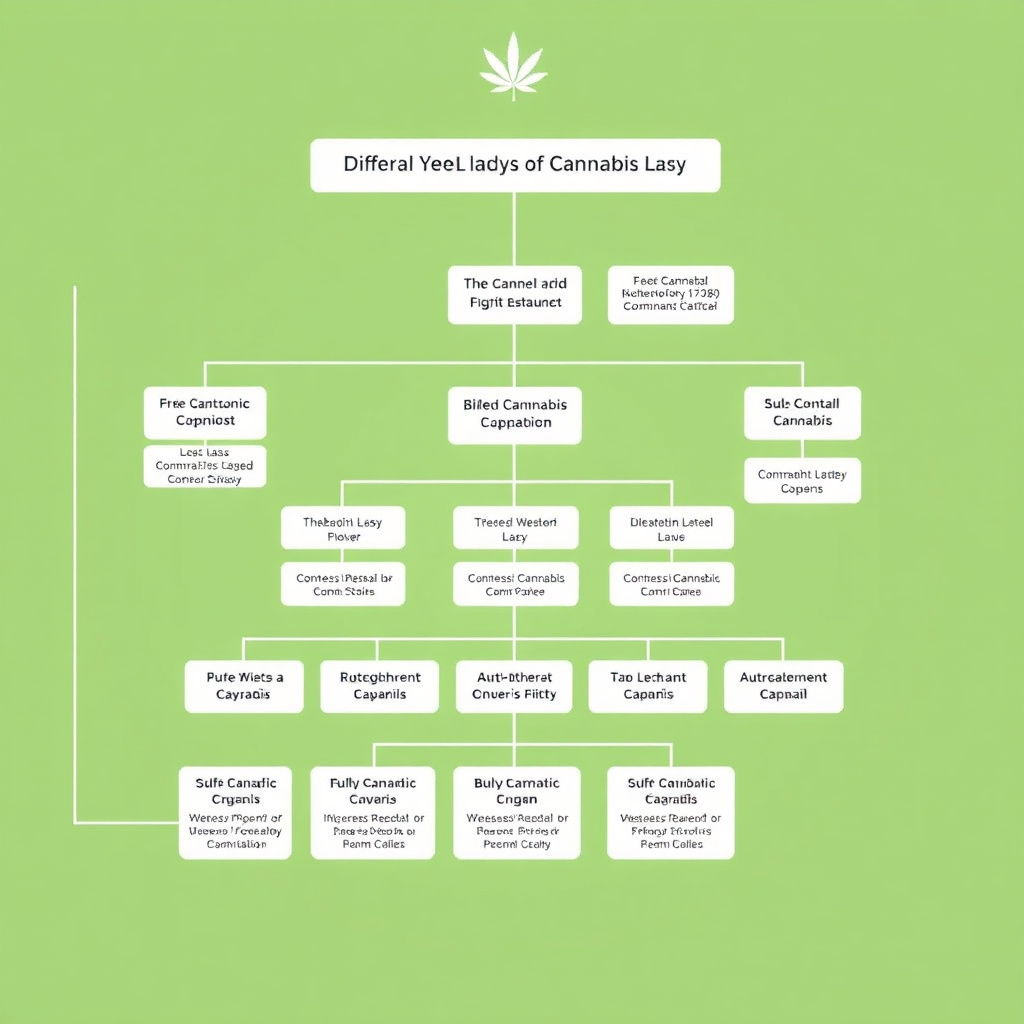
Federal law in the United States continues to classify cannabis as a Schedule I controlled substance, making it illegal at the national level despite many states legalizing it. This dual status creates conflicts in banking, taxation, and interstate commerce for cannabis businesses.
State laws vary greatly: some states permit recreational cannabis use, others allow only medical use, and some maintain complete prohibition. Understanding how state laws contrast with federal statutes is key to operating legally and avoiding federal penalties.
Types of Cannabis Laws
Cannabis laws generally cover aspects like possession limits, age restrictions, cultivation rights, distribution licenses, and public use prohibitions. Some laws focus specifically on medical cannabis programs, requiring patient registries and qualifying conditions.
Others address commercial operations, including licensing systems for growers, processors, and retailers. Knowing which types of laws apply where helps clarify what activities are legal or restricted under cannabis legal regulations.
Understanding Legalization and Decriminalization
What Legalization Means
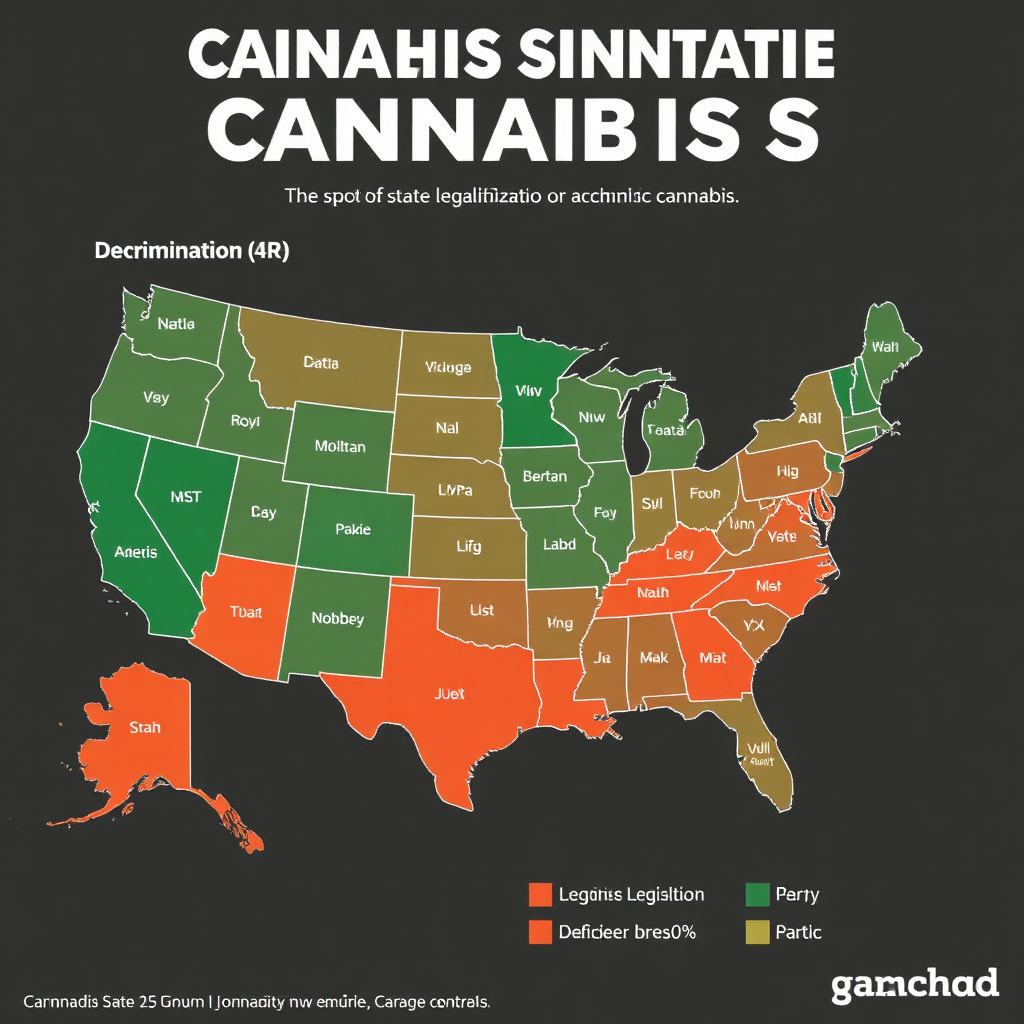
Legalization permits regulated possession, use, and sale of cannabis under specified conditions, often including age limits and licensing requirements. States with legalization typically control quality standards and taxes on cannabis sales to generate revenue.
This approach aims to reduce illegal markets and increase consumer safety but requires clear rules on where and how cannabis can be accessed and consumed.
Difference Between Decriminalization and Legalization
Decriminalization means that possession of small amounts of cannabis may no longer result in criminal charges but could still lead to fines or civil penalties. It stops short of legalizing commercial sales or full recreational use.
Understanding this distinction helps users know if cannabis possession can still carry legal consequences, even in places that have softened penalties without fully legalizing the substance.
Navigating Cannabis Compliance and Enforcement
Common Compliance Requirements
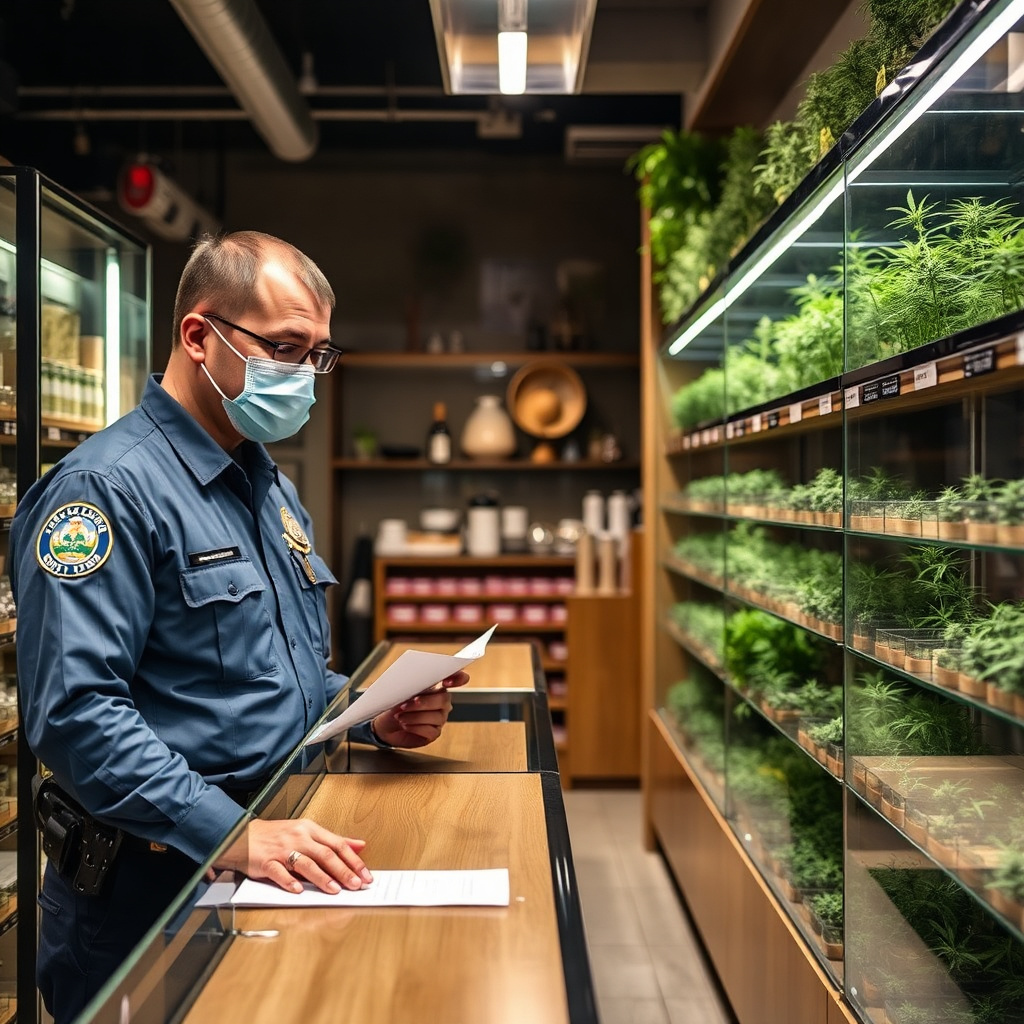
Cannabis businesses must adhere to strict rules, including record-keeping, security protocols, and product testing. Compliance ensures products meet safety standards and helps prevent diversion to illegal markets.
Licensing is often a rigorous process with background checks and zoning restrictions. Meeting these conditions avoids fines, penalties, or license revocation.
- Secure storage of cannabis products
- Mandatory lab testing for contaminants
- Accurate sales reporting and tax remittance
For more on this, see our related guide: Are Cannabis Seeds Legal in the USA? Understanding the Legal Landscape.
Enforcement Priorities for Authorities
Law enforcement typically targets violations such as sales to minors, unlicensed distribution, and public consumption in prohibited areas. Authorities may also focus on large-scale illegal operations that undercut legal markets.
Understanding enforcement priorities helps consumers and businesses comply and reduces risk of legal troubles.
How to Stay Updated on Changing Cannabis Laws
Official Government Resources
Checking state and local government websites regularly ensures access to the latest legislative changes and regulatory updates. These sites often provide guidance documents and contact info for regulatory agencies.
Government portals dedicated to cannabis legal regulations offer authoritative information helpful for consumers and businesses alike.
Industry News and Legal Analysis
Specialized cannabis industry publications and legal experts provide in-depth analysis of how new laws impact the market and legal risks. Joining newsletters or forums can keep you informed on emerging trends.
Balancing official sources with expert commentary helps build a rounded understanding of the complex cannabis legal landscape.
Common Misconceptions About Cannabis Laws
Myth: Cannabis Is Fully Legal Everywhere It’s Decriminalized
Decriminalization reduces criminal penalties but does not legalize cannabis sales or possession without restrictions. Many users mistakenly believe decriminalization means unrestricted legal use, which can lead to penalties.
Keeping cannabis legal regulations in perspective prevents misunderstandings that might cause unintended legal issues.
For more on this, see our related guide: Cannabis Cultivation Laws by State: What You Need to Know in 2024.
Myth: Federal Law Will Never Change
While federal restrictions remain, increasing state legalization and public support suggest potential for reform. Bills proposing federal legalization or rescheduling cannabis have been introduced multiple times.
Monitoring cannabis legal regulations keeps you aware of possible shifts that may reshape the legal environment in the near future.
International Perspectives on Cannabis Laws
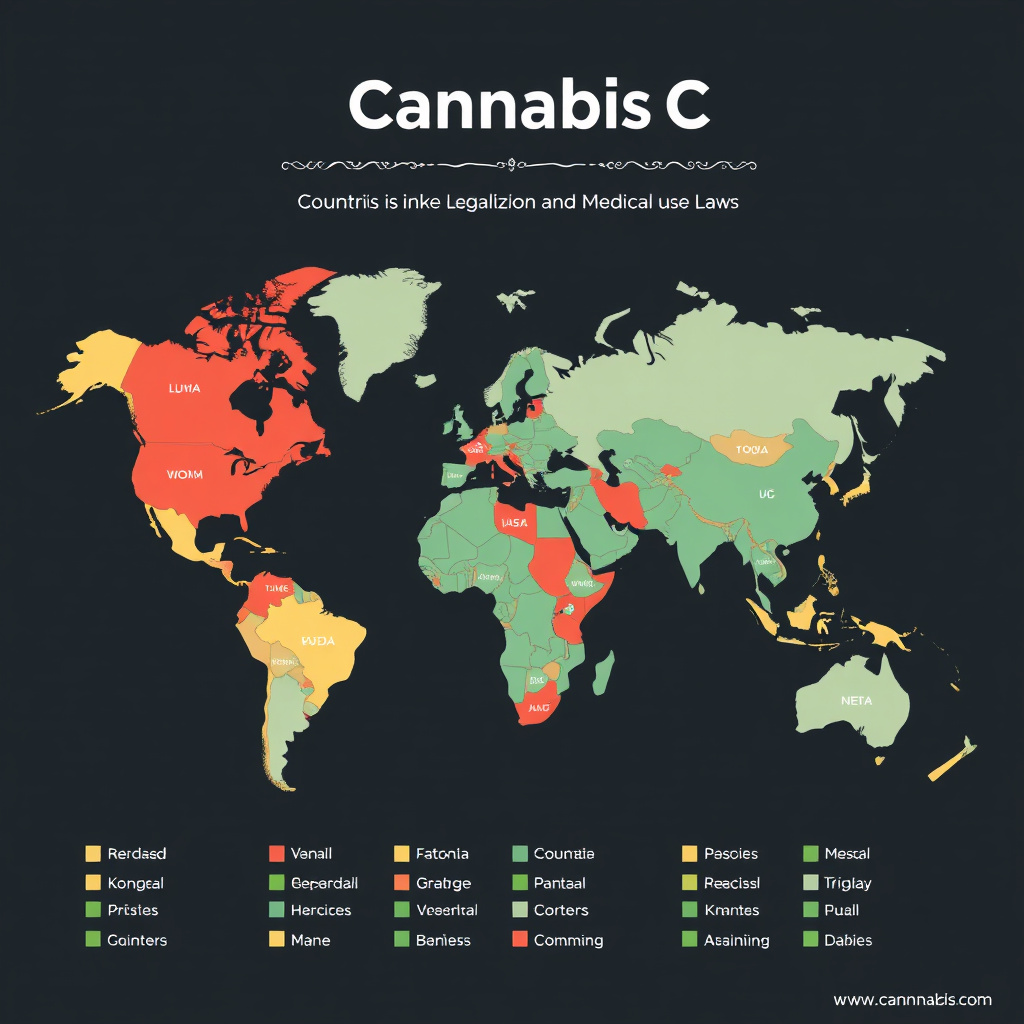
Countries with Legal Recreational Cannabis
Some nations such as Canada and Uruguay have fully legalized recreational cannabis use nationally, creating regulated markets and public health frameworks. Their experiences offer valuable lessons in legalization strategies.
Understanding these models illustrates how cannabis legal regulations differ worldwide and what policies succeed or face challenges.
For a detailed background, see the cannabis laws overview on Wikipedia. Cannabis laws overview on Wikipedia.
Medical Cannabis Laws Globally
Many countries have authorized cannabis strictly for medical purposes, often under strict regulatory control with patient registries and prescription rules. These differing standards complicate international travel with cannabis products.
Recognizing global cannabis legal regulations aids users and businesses in navigating cross-border legalities and supply issues.
Comparing Cannabis Laws: Legalization, Decriminalization, and Prohibition
This table summarizes key distinctions among regions with legalized, decriminalized, and prohibited cannabis laws to clarify their practical differences.
| Category | Possession Allowed | Commercial Sales | Usage Restrictions | Typical Penalties |
|---|---|---|---|---|
| Legalization | Yes, within limits | Yes, licensed shops | Age 21+, regulated consumption places | Fines for violation, usually minor |
| Decriminalization | Yes, small amounts | No commercial sales | No public use allowed | Civil fines, no criminal record |
| Medical Only | Yes, with prescription | Limited, licensed dispensaries | Medical purpose only | Criminal charges without prescription |
| Prohibition | No legal possession | No sales allowed | Strict penalties on use | Criminal charges, possible jail |
| Federal Prohibition (US) | Illegal under federal law | No legal sales federally | Federal law supersedes state | Federal prosecution risk exists |
Frequently Asked Questions
Is cannabis legal federally in the United States?
No, cannabis remains illegal under federal law despite many states legalizing it for medical or recreational use. This conflict creates complex legal challenges.
What is the difference between medical and recreational cannabis?
Medical cannabis requires a prescription and is used for treating specific conditions, while recreational cannabis is for personal enjoyment without medical justification.
Can I travel with cannabis legally within the United States?
Traveling with cannabis between states can lead to legal trouble, especially crossing into states where it is not legal, because federal laws prohibit interstate transport.
How often do cannabis laws change?
Cannabis laws are evolving quickly, with states regularly updating regulations. Staying informed through official channels is essential.
Are there penalties for public cannabis use?
Yes, most jurisdictions with legal cannabis restrict public use and impose fines or other penalties for consumption outside designated areas.
Key Takeaways
- Cannabis laws vary widely between federal, state, and local levels.
- Legalization permits regulated use while decriminalization reduces penalties without full legality.
- Compliance with licensing and safety rules is critical for legal cannabis businesses.
- Staying updated through reliable sources helps navigate ongoing changes in cannabis legal regulations.
Conclusion
Understanding cannabis laws requires examining federal, state, and local statutes that govern possession, sale, and use. The dual nature of legal cannabis—legal under some state law but illegal federally—makes careful attention to jurisdiction essential. This legal framework serves to balance public safety, commerce, and individual freedoms, making knowledge of the specifics important whether you’re a user, entrepreneur, or legal professional.
Deciding how to approach cannabis within the law depends on your situation. If you’re a consumer, knowing if your state has legalized recreational or medical cannabis—or merely decriminalized possession—guides what’s lawful. For business operators, compliance means securing appropriate licenses, adhering to product regulations, and understanding enforcement priorities. Regions with full legalization offer the clearest path to lawful access but require rigorous operational standards and taxes, whereas decriminalized areas still carry some legal risks.
To stay on the right side of cannabis laws, consult official government resources and keep informed about changes through industry news. This approach helps you avoid legal pitfalls and makes it easier to benefit from cannabis legal regulations safely and responsibly. Whether for personal use or business endeavors, knowledge is your best tool for navigating this complex and shifting legal landscape.