How to Keep Seeds Fresh for Successful Gardening
Knowing how to keep seeds fresh is essential for anyone wanting to maintain their viability for planting in future seasons. Fresh seeds will germinate properly, giving you healthy plants and a successful garden. Seed freshness hinges on controlling moisture, temperature, and light exposure during storage.
Maintaining seed viability matters because damp or warm environments rapidly reduce germination rates. Storing seeds incorrectly leads to wasted effort and lower crop yields. Gardeners who save seeds between seasons need reliable seed storage methods to extend shelf life and preserve their best varieties accurately.
This article outlines practical ways to keep seeds fresh, including ideal storage conditions, packaging options, and specific tips for different seed types. Additionally, we'll provide comparisons of common storage containers and answer frequently asked questions to help you safeguard your seeds effectively.
Understanding Seed Freshness and Longevity
Factors Affecting Seed Viability
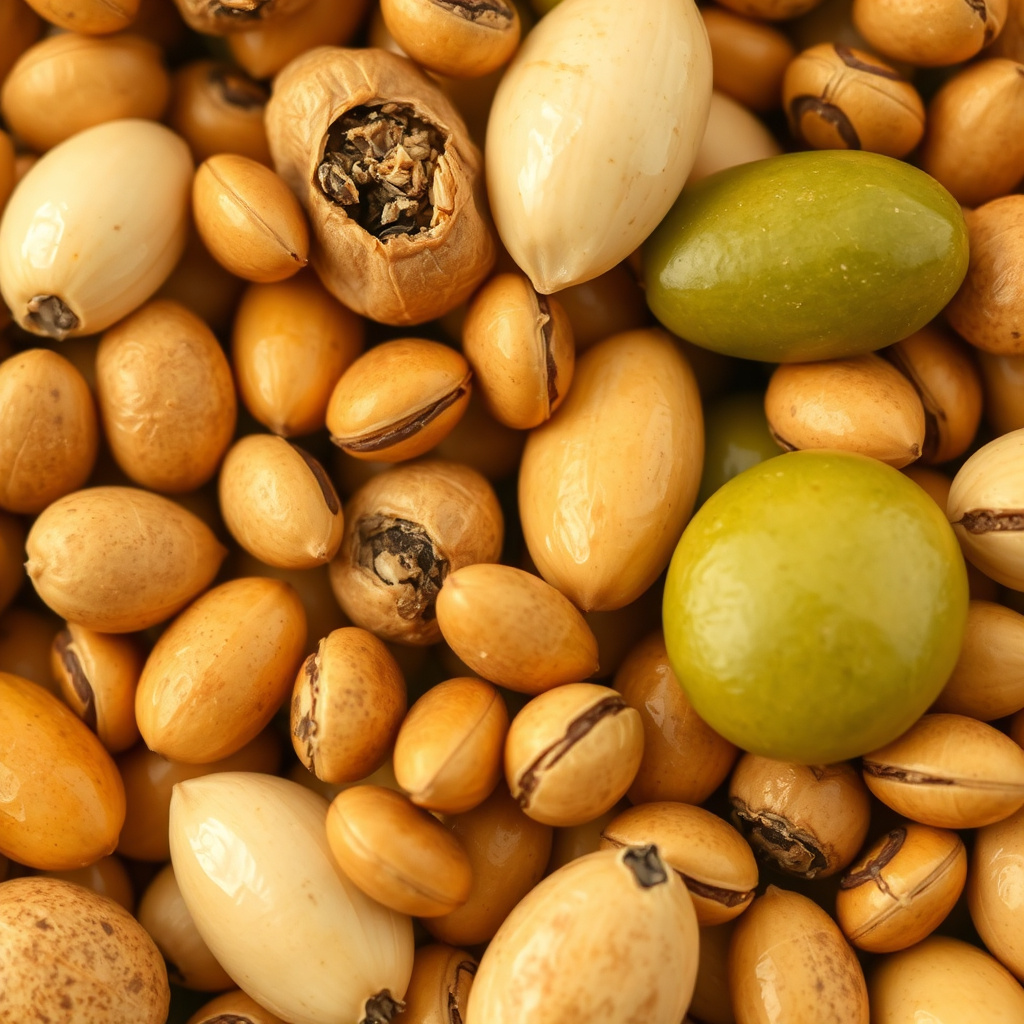
Seed viability naturally decreases over time due to biological aging and environmental factors. Temperature, humidity, light exposure, and seed type influence how long seeds remain viable. High moisture content can trigger mold growth or premature germination, while heat can damage seed tissues.
Identifying seed freshness involves testing germination or visually inspecting seeds for damage. For example, seeds with visibly damaged coats or odd coloration might not sprout well. Understanding these factors helps in maintaining ideal conditions to slow deterioration.
Typical Seed Lifespan by Type
Different seeds have varying lifespans depending on their species. For example, tomato and pepper seeds can remain viable for around 4 to 6 years under good storage, while lettuce or onion seeds often last only 2 to 3 years. Some legume seeds like beans can remain viable up to 10 years in proper conditions.
Knowing these general timelines helps seed savers decide how frequently to refresh their seed stock. Storing seeds beyond their viability period leads to unpredictable germination and can waste garden space.
Best Conditions to Keep Seeds Fresh

Ideal Temperature and Humidity Levels
Seeds maintain freshness longest at low temperatures, typically between 32°F to 50°F (0°C to 10°C). Refrigerators are commonly used for seed storage due to their stable, cool climate. Humidity should be kept between 10% and 20% relative humidity to prevent mold and deterioration.
Using moisture-absorbing materials like silica gel packets alongside seeds can help maintain proper humidity. Avoiding temperature fluctuations reduces condensation risks that can cause seed damage.
- Store seeds in a refrigerator or a cool basement
- Maintain humidity below 20%
- Use desiccants like silica gel packets
Protecting Seeds from Light and Air
Exposure to direct sunlight or fluorescent light accelerates seed aging. Seeds should be stored in opaque containers to block light. Transferring seeds into airtight glass jars, sealed envelopes, or vacuum-sealed packs helps reduce oxygen exposure, which can degrade seeds and encourage mold.
Vacuum sealing is especially effective at extending seed freshness by removing air and moisture. However, care is required to avoid crushing delicate seeds during the process.
- Use opaque or dark storage containers
- Seal seeds airtight to limit oxygen exposure
- Consider vacuum-sealing for long-term storage
Packaging Options for Seed Storage
Using Paper Envelopes and Plastic Bags
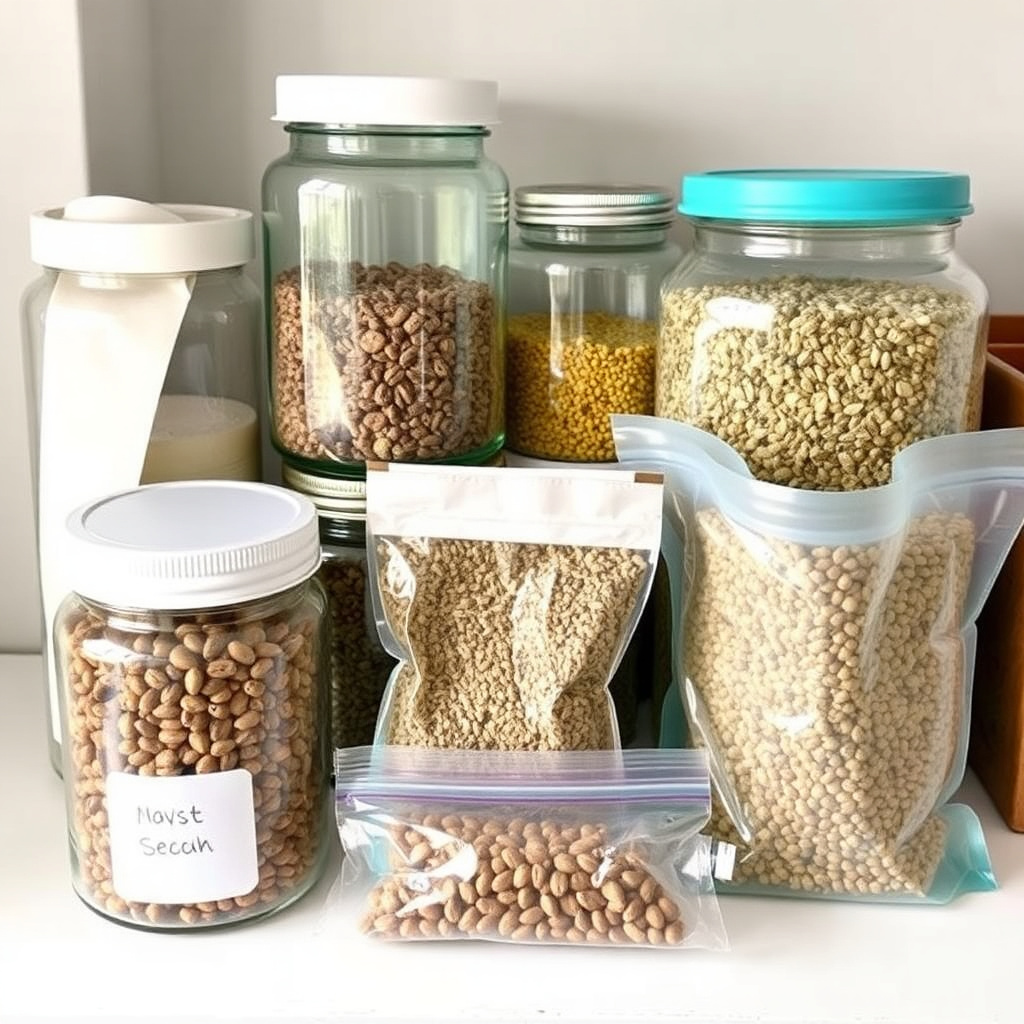
Paper envelopes allow seeds to breathe, which works for short-term storage but may not protect against humidity well. Plastic bags offer water resistance but can trap moisture unless thoroughly dried and paired with desiccants.
For medium-term storage, seed savers often double bag seeds: first in paper to absorb excess moisture, then in a sealed plastic bag to protect from humidity and pests.
- Paper envelopes suitable for short storage
- Plastic bags with desiccants for moderate-term
- Avoid damp plastic bags that trap moisture
For more on this, see our related guide: What Causes Seeds to Lose Viability and How to Prevent It.
Glass Jars and Vacuum-Sealed Bags
Glass jars with tight-sealing lids provide excellent airtight storage, are reusable, and prevent physical damage. Adding silica gel packets enhances moisture control. Vacuum-sealed bags remove air completely, offering superior preservation for decades if done correctly.
While vacuum-sealing requires special equipment, it’s worthwhile for maintaining seed freshness in large quantities or heirloom varieties that you want preserved for years.
- Use glass jars with airtight lids for extended storage
- Vacuum sealing prolongs seed viability significantly
- Add desiccants to prevent moisture buildup
Handling and Preparing Seeds Before Storage
Cleaning and Drying Seeds Properly
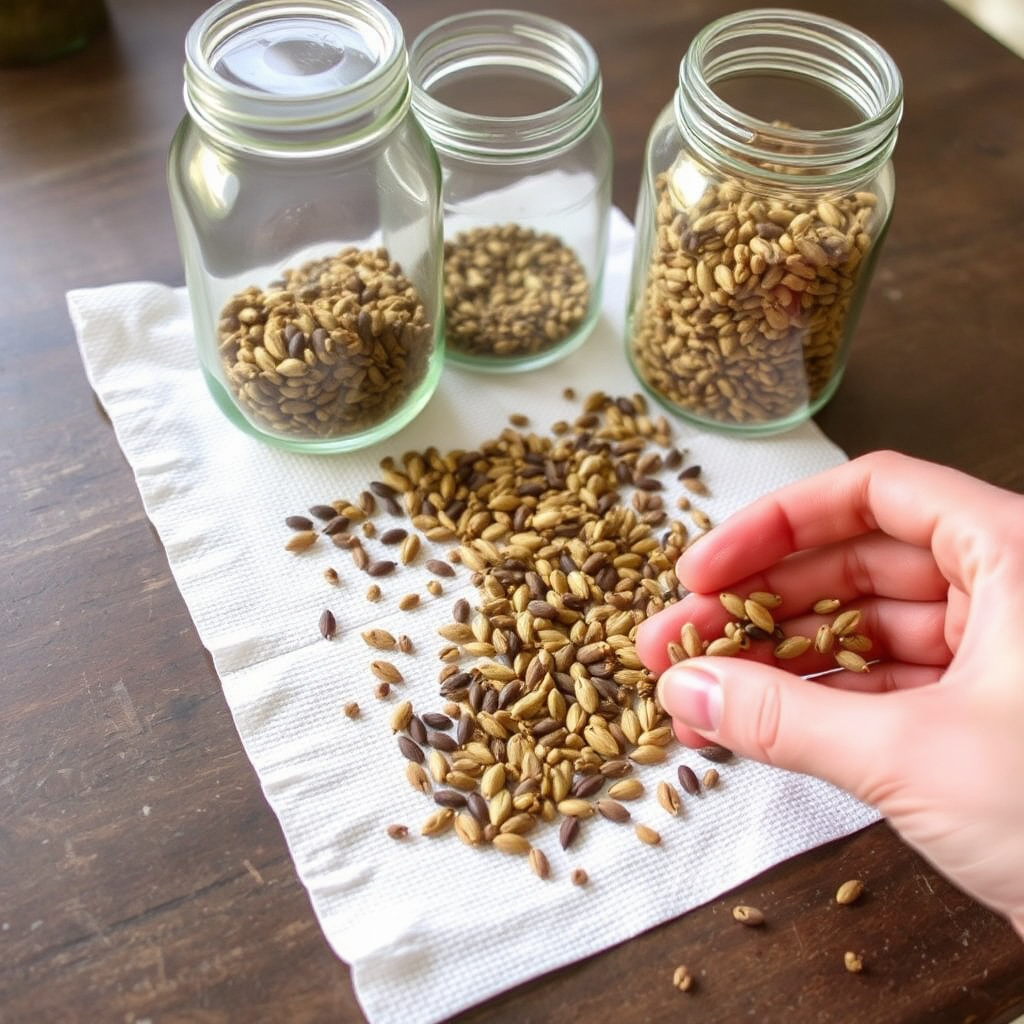
Before storing, remove any plant debris, pulp, or moisture from seeds. Seeds harvested fresh from fruits or pods must be thoroughly dried to prevent mold. Spread seeds evenly on paper towels or mesh screens in a well-ventilated, shaded area until fully dry.
Seeds not dried adequately before storage can develop mold or rot quickly. Testing dryness involves biting a seed—if it cracks crisply, it's dried; if it's soft, further drying is needed.
- Remove debris and pulp carefully
- Dry seeds flat in shade with airflow
- Confirm seeds are crisp before storing
Labeling and Organizing Seed Collections
Labeling your seed packages with species, variety, and date of harvest prevents confusion during planting seasons. Organizing seeds by planting time or type simplifies retrieval and ensures you use older seeds first to avoid wastage.
Detailed records including source and germination test dates help make strategic planting decisions and improve overall garden success.
- Label packets with plant name and date
- Organize by planting season or seed type
- Keep records of germination tests
Maintaining Seed Freshness Over Time

Regular Seed Viability Testing
Every year or two, test stored seeds’ germination rates by planting a small sample. This helps identify if seeds remain fresh or if replacement is necessary. Documenting results aids in adjusting your seed storage methods or refreshing your stock.
Common germination tests involve placing seeds on moist paper towels and monitoring sprouting over days or weeks. This hands-on check assures you won’t waste garden space with poor seeds.
- Test seeds every 1 to 2 years
- Use moist paper towel germination method
- Record germination percentages for reference
For more on this, see our related guide: How to Store Seeds Long Term for Maximum Viability and Freshness.
Avoiding Common Storage Mistakes
Avoid storing seeds in bulky containers that risk crushing or jostling. Don’t keep seeds in attics or garages where temperatures fluctuate dramatically. Refrain from keeping seeds directly on concrete floors which can be damp or cold.
Consistent conditions with good airflow, stable temperature, and dryness best keep seeds fresh over time.
- Avoid temperature extremes and fluctuating humidity
- Store seeds off cold, damp surfaces
- Prevent physical damage through careful packaging
Special Considerations for Different Seed Types
Vegetable and Herb Seeds
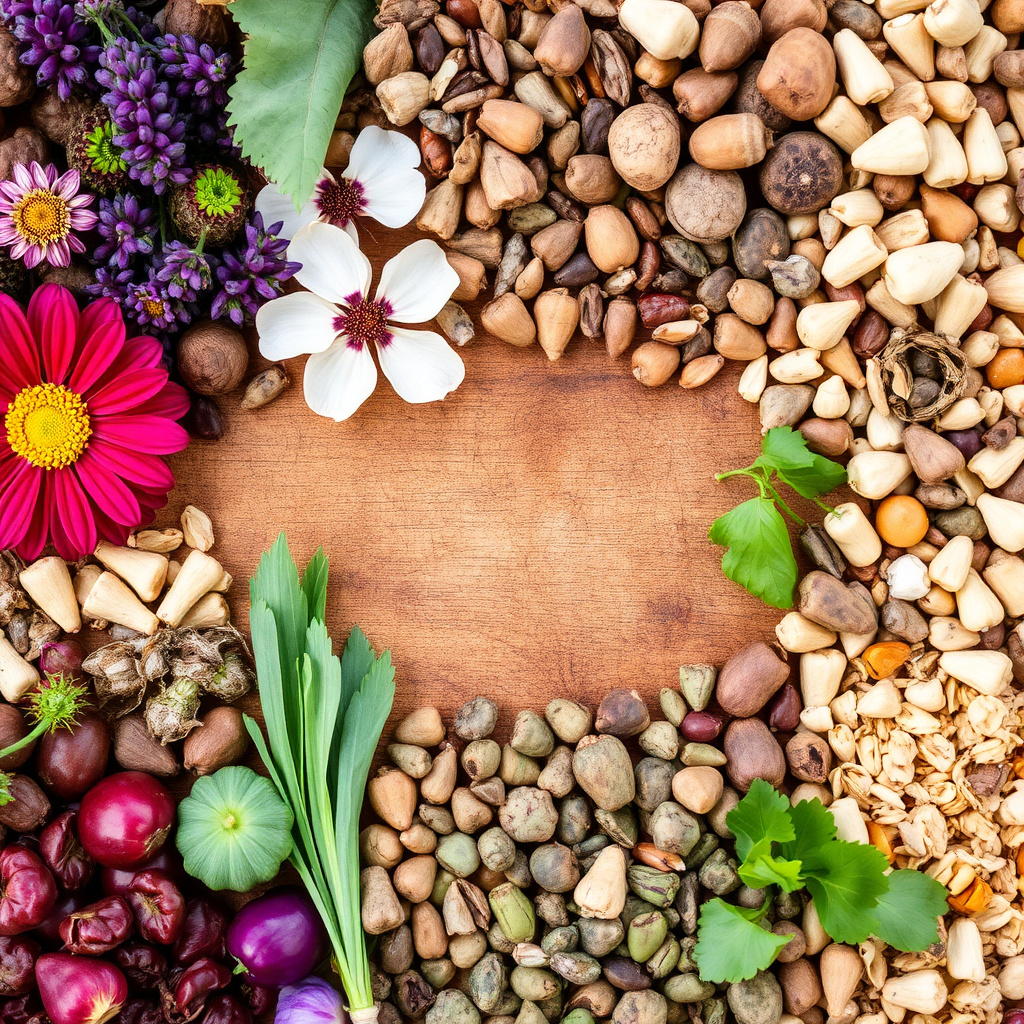
Seeds like tomatoes, peppers, and herbs generally store well with basic drying and cool, dry conditions. Their germination rates typically remain high for several years if stored correctly. Some herbs with tiny seeds require careful moisture regulation to prevent clumping.
For fragile seeds such as caraway or parsley, using seed storage tips like extra desiccants and gentle handling improves longevity markedly.
For more detailed scientific insights on preserving seed viability, you can consult comprehensive seed storage guidelines from authoritative sources. seed storage guidelines.
Flower and Heirloom Seeds
Flower seeds and heirloom varieties often need more attention since preserving genetic diversity is a priority. They might have shorter viability periods and react differently to storage conditions. Labeling and gentle packaging are key to protecting rare seeds.
Some large-flowered seeds require dry but not overly cold environments to avoid damage. Using glass jars with humidity control works well for these.
Seed Storage Container Comparison
Here’s a straightforward comparison of popular seed storage containers considering effectiveness, cost, and convenience.
| Container Type | Moisture Control | Light Protection | Cost | Reusability |
|---|---|---|---|---|
| Paper Envelopes | Low | Low | Very Low | Single Use |
| Plastic Bags | Moderate (with desiccants) | Moderate | Low | Limited |
| Glass Jars | High (with silica gel) | High | Moderate | High |
| Vacuum-Sealed Bags | Very High | Very High | High | High |
| Metal Tins | Moderate | High | Moderate | High |
Frequently Asked Questions
Can I store seeds in the refrigerator?
Yes, storing seeds in the refrigerator is an effective way to keep them fresh due to the cool, stable temperature and low humidity, which slows seed aging and maintains viability.
How long can seeds be stored before they lose viability?
Seed viability varies by species but generally ranges from 2 to 10 years. Proper storage can maximize lifespan, but it's best to test germination periodically.
Is it necessary to dry seeds before storage?
Absolutely. Seeds need to be fully dry before storage, as moisture promotes mold and reduces germination rates.
What is the best way to test seed freshness?
A simple germination test involves placing a sample of seeds on a moist paper towel, keeping it warm, and monitoring sprout rates over one to two weeks.
Can I store seeds in plastic containers?
Plastic containers can be used if seeds are dry and stored with desiccants to control moisture; however, they must be properly sealed to prevent humidity buildup.
Key Takeaways
- Control moisture, temperature, and light to keep seeds fresh
- Store seeds in cool, dry, and dark conditions for longer viability
- Use airtight containers like glass jars or vacuum-sealed bags for best results
- Regularly test seed germination to ensure freshness over time
Conclusion
Keeping seeds fresh is about creating and maintaining the right environment—low humidity, cool temperatures, and darkness—to slow their natural aging process. Understanding the factors that cause seeds to lose viability helps gardeners avoid wasted effort and enjoy reliable plant growth. With proper handling and storage preparation, even home gardeners can preserve seeds for seasons ahead, ensuring vibrant and productive gardens year after year.
Depending on your scale and available resources, different storage options suit different needs. For casual gardeners, paper envelopes stored in a refrigerator with desiccant packs may work fine for a few years. Seed savers and commercial growers might prefer airtight glass jars or vacuum-sealed bags to maximize longevity. Choosing the correct container and maintaining consistent conditions tailored to your seed types results in higher germination rates and robust plants.
Start by drying seeds thoroughly, labeling storage packages clearly, and placing seeds in suitable containers that protect from moisture and light. Regular germination testing provides feedback on seed health, so replace older seeds on time. These practical steps form a straightforward routine that will help you preserve your seeds successfully and increase the chances of garden success with each planting season.