What Is a Mycorrhizal Fungus and Why It Matters for Your Garden
A mycorrhizal fungus is a type of fungus that forms a symbiotic relationship with the roots of most plants. These fungi colonize plant roots and extend far into the soil, creating an extensive network that improves the plant’s access to water and essential nutrients like phosphorus and nitrogen.
This relationship is significant because the fungi enhance nutrient absorption beyond the reach of the roots alone, while the plant provides carbohydrates to the fungus. The partnership boosts plant health, helps plants resist stress, and increases soil quality, which is especially valuable for gardeners and farmers.
In this article, we will explore what exactly mycorrhizal fungi are, the different types that exist, how they function, their benefits to plants, and practical tips for incorporating them into gardening or agriculture.
Understanding Mycorrhizal Fungi: What They Are and How They Work
Definition and Biological Role
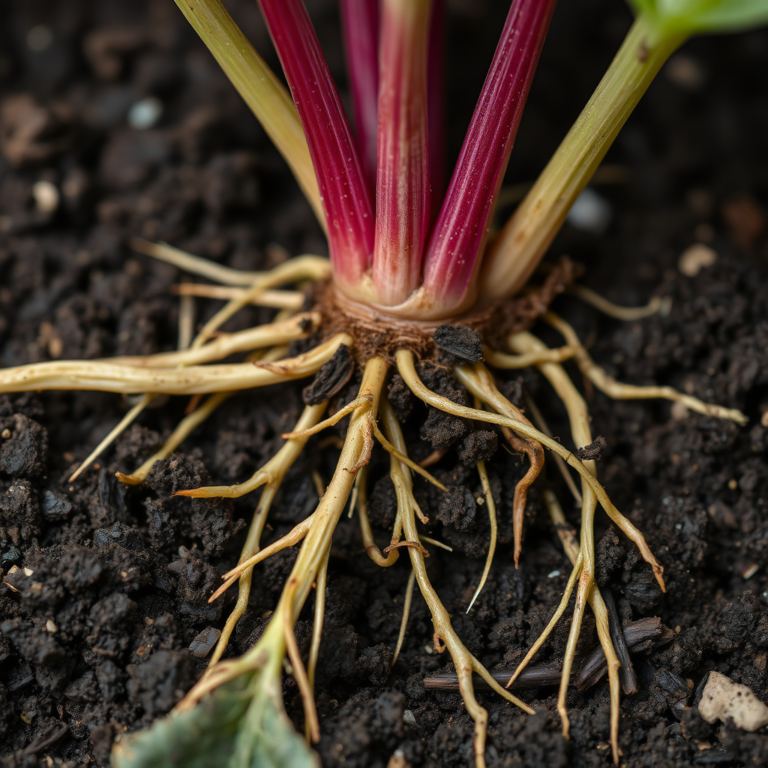
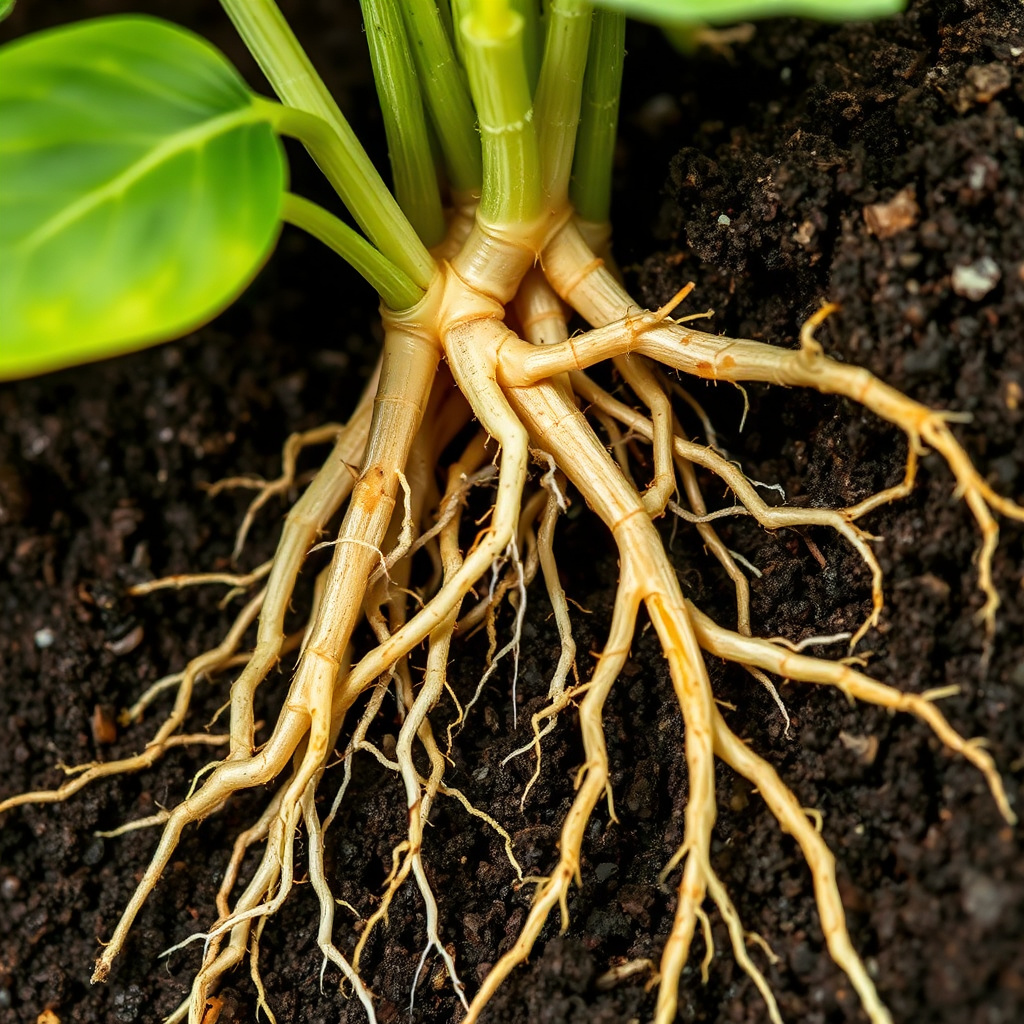
Mycorrhizal fungi are fungi that form mutualistic associations with plant roots. The word ‘mycorrhiza’ means 'fungus root,' which reflects how these fungi colonize the root system. They do not harm plants; instead, they enhance nutrient and water uptake by extending the root’s functional area with their fine fungal filaments called hyphae.
The fungus absorbs nutrients and moisture from soil areas inaccessible to the plant roots, then transfers these to the host plant. In return, the plant supplies the fungus with sugars produced through photosynthesis, establishing a beneficial nutrient exchange.
Types of Mycorrhizal Relationships
There are several types of mycorrhizal associations, mainly arbuscular mycorrhizal (AM) fungi and ectomycorrhizal fungi. Arbuscular mycorrhizal fungi penetrate the root cells and are common in crops and garden plants, while ectomycorrhizal fungi form a sheath around roots, commonly associated with trees like pines and oaks.
The distinction is important because different plants benefit from different types of mycorrhizae. Knowing which type your plants associate with can help optimize plant growth and soil health.
Benefits of Mycorrhizal Fungi for Plants and Soil

Enhanced Nutrient Uptake
Mycorrhizal fungi increase the surface area for nutrient absorption beyond what the roots alone could achieve. This is especially crucial for phosphorus, which is poorly mobile in soil. The fungi make phosphorus more accessible and also help in the uptake of nitrogen and micronutrients.
By improving nutrient access, plants supported by mycorrhizal fungi typically grow faster, resist diseases better, and yield more. The enhanced nutrient availability can reduce the need for chemical fertilizers.
Soil Structure and Water Retention
Fungal hyphae contribute to soil aggregation by binding soil particles together, improving soil structure. Better soil structure enhances aeration and water retention, which supports healthier root development.
In addition, mycorrhizal fungi improve plant drought resistance by increasing water absorption capabilities during dry periods, helping plants survive and thrive in harsher conditions.
Incorporating Mycorrhizal Fungi into Gardening and Farming

How to Use Mycorrhizal Inoculants
Mycorrhizal fungi can be introduced to soil using commercial inoculants, which usually come as powders, granules, or liquid forms. Applying these during planting ensures the fungi can colonize roots early in the plant’s growth cycle.
It’s important to choose an inoculant compatible with the plant species and existing soil conditions. Follow product instructions for application rates and methods to obtain the best results.
- Apply directly to roots or seed furrows
- Combine with potting mix for container plants
- Use with organic soil amendments for better efficacy
Best Practices for Promoting Mycorrhizal Growth Naturally
Maintaining healthy, organic-rich soil encourages native mycorrhizal fungi to flourish. Minimizing soil disturbance, avoiding excess chemical fertilizers, and rotating crops can support fungal populations.
Planting diverse species and including native plants that naturally form mycorrhizal associations also helps strengthen soil fungal communities over time.
- Reduce tilling to protect fungal networks
- Incorporate compost and organic matter regularly
- Avoid fungicides that harm beneficial fungi
Common Mycorrhizal Fungi Species and Their Host Plants

Key Arbuscular Mycorrhizal Fungi Species
Arbuscular mycorrhizal fungi from the Glomeromycota phylum, such as Glomus and Rhizophagus species, are widely studied for their relationship with most agricultural plants. They penetrate root cells and form distinct structures called arbuscules, important for nutrient exchange.
These fungi associate with common crops like corn, wheat, and beans, making them vital in sustainable agriculture.
Ectomycorrhizal Fungi and Tree Associations
Ectomycorrhizal fungi, including genera like Amanita, Boletus, and Pisolithus, typically associate with forest trees such as pine, oak, and birch. Instead of penetrating the root cells, they form a sheath around roots and extend into the soil.
These fungi are critical in forest ecosystems for facilitating nutrient cycling, water uptake, and improving tree resilience to environmental stresses.
Challenges and Limitations of Mycorrhizal Fungi in Horticulture

Factors Restricting Mycorrhizal Colonization
Soil conditions such as high phosphorus levels, excessive tilling, and use of fungicides can inhibit mycorrhizal fungi development. Some plants, like members of the Brassicaceae family, do not form mycorrhizal associations naturally.
Understanding these limitations helps gardeners and farmers avoid practices that damage fungal networks and select suitable plants for mycorrhizal partnerships.
Potential Risks of Commercial Mycorrhizal Products
Not all commercial mycorrhizal inoculants are equally effective. Some products may contain low fungal spore counts or species not adapted to the local environment, reducing their effectiveness.
Purchasing from reputable suppliers and matching inoculant types with plant needs minimizes risks and improves chances of successful colonization.
- Verify spore counts and species
- Check for regionally adapted strains
- Avoid products with contaminants or fillers
Future Research and Innovations in Mycorrhizal Fungi Use
Modern Advances in Mycorrhizal Science
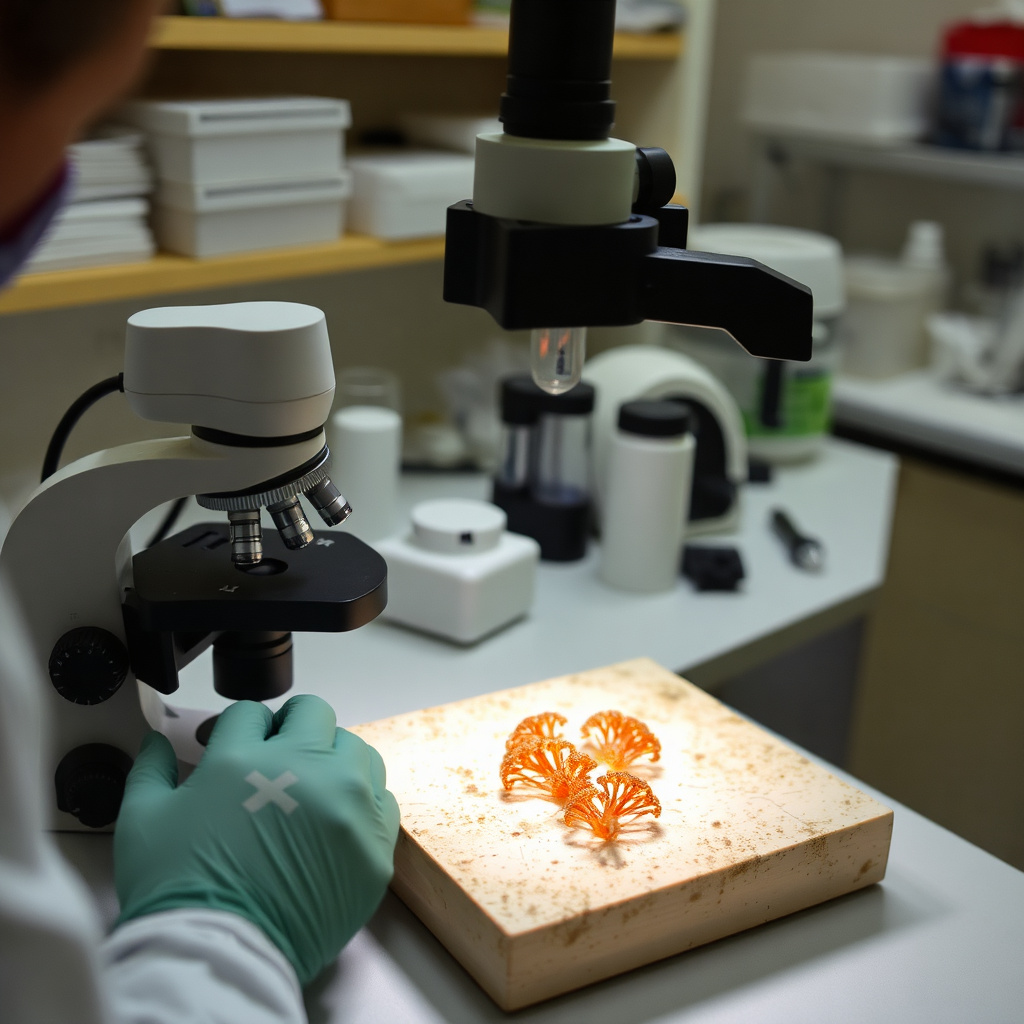
Scientists continue to study genetic identification of fungi species, optimizing inoculant formulations, and understanding fungal roles in carbon cycling. These advances help tailor mycorrhizal use for climate-resilient agriculture.
New methods using molecular markers enable better tracking of fungal species in soil and their impact on plants.
For more detailed scientific information, you can visit the Mycorrhiza Wikipedia page. Mycorrhiza Wikipedia page.
Potential Agricultural Applications
Research is exploring how mycorrhizal fungi can reduce chemical fertilizer use, improve crop yields under stress, and rehabilitate degraded soils. Combining fungi with biochar and other soil amendments shows promising results in sustainable farming systems.
These developments may pave the way for larger-scale, eco-friendly farming solutions based on natural plant-fungus partnerships.
Types of Mycorrhizal Fungi: A Category Comparison
The following table compares major mycorrhizal fungi types, their plant associations, and soil benefits to help identify the right type for your needs.
| Mycorrhizal Type | Fungal Characteristics | Primary Host Plants | Soil Benefits | Common Uses |
|---|---|---|---|---|
| Arbuscular Mycorrhizal (AM) | Penetrates root cells; forms arbuscules | Most crops, garden plants, grasses | Enhances phosphorus uptake; improves drought resistance | Widespread use in agriculture and gardening |
| Ectomycorrhizal (EM) | Forms sheath around roots; does not penetrate cells | Trees like pine, oak, birch | Supports nutrient cycling; improves tree stress resistance | Forestry and reforestation efforts |
| Ericoid Mycorrhizal | Forms loose hyphal coils in epidermis | Ericaceous shrubs like blueberries and rhododendrons | Improves nutrient uptake in acidic soils | Specialized for acid-loving plants |
| Orchid Mycorrhizal | Essential for orchid seed germination | Orchids | Facilitates seed germination and nutrient exchange | Used in orchid propagation |
Frequently Asked Questions
How can I tell if my plants have mycorrhizal fungi?
Healthy, vigorous plant growth with good root development may indicate mycorrhizal presence, but microscopic tests are needed for confirmation. Many plants naturally host these fungi without visible signs.
Can all plants form relationships with mycorrhizal fungi?
Most plants do, but some, like members of the cabbage family, typically do not form mycorrhizal associations. Understanding your plant type helps determine if fungi will be beneficial.
Do I need to purchase mycorrhizal inoculants for my garden?
If your soil is healthy with organic matter and minimal disturbance, native mycorrhizal fungi are likely present. Inoculants can help in poor or disturbed soils to jump-start fungal populations.
Will applying chemical fertilizers harm mycorrhizal fungi?
Excessive or high-phosphorus fertilizers can reduce fungal colonization since plants rely less on fungi for nutrient uptake when nutrients are abundant.
How long does it take for mycorrhizal fungi to colonize plant roots?
Colonization can begin within days but may take several weeks for full establishment, depending on soil conditions, plant species, and fungal type.
Key Takeaways
- Mycorrhizal fungi form beneficial partnerships with plant roots to improve nutrient and water uptake.
- Different types of mycorrhizal fungi associate with different plants, affecting soil and plant health.
- Using mycorrhizal inoculants can boost plant growth in poor soils but native fungi often suffice in healthy soils.
- Avoid soil practices and chemicals that harm mycorrhizal networks to maintain vibrant gardens or farms.
Conclusion
Understanding what a mycorrhizal fungus is and how it functions provides gardeners and farmers a powerful tool to enhance plant health naturally. This symbiotic partner extends root reach, boosts nutrient and water absorption, and contributes to long-term soil vitality. Factoring these relationships into planting and soil management practices can lead to more resilient and productive growing environments by leveraging natural soil ecosystems rather than relying solely on synthetic inputs.
When deciding whether to use mycorrhizal fungi, consider your plant types and soil condition. For annual garden plants and many crops, arbuscular mycorrhizal fungi are the main partners, while ectomycorrhizal fungi suit trees and shrubs. In poor or disturbed soils, adding commercial mycorrhizal inoculants may kick-start these beneficial networks. Meanwhile, maintaining organic matter and reducing chemical fertilizers supports existing populations for ongoing benefits. Integrating these fungi fits well within organic and regenerative agriculture approaches.
If you want to experiment with adding mycorrhizal fungi, start by selecting inoculants matched to your plants and using recommended application methods like root dips or soil incorporation. Observe plant response over seasons and combine this with good soil management habits. With patience, mycorrhizal fungi can become a cornerstone of sustainable plant growth for your garden or farm.