How to Make a Living Soil for Thriving Gardens
Making a living soil means creating a rich, biologically active environment that nurtures plants by supporting beneficial microbes, fungi, and earthworms. This soil has excellent structure, nutrient availability, and water retention, which leads to healthier plants and higher yields without synthetic fertilizers.
Living soil is fundamental for sustainable gardening and farming because it mimics natural ecosystems’ balance. Healthy soil contains a variety of organisms working in synergy to break down organic matter and cycle nutrients efficiently. This dynamic environment reduces the need for chemical inputs, helps manage pests, and improves resilience to drought or disease.
This article will guide you through the essential steps to make living soil, covering soil components, organic amendments, microorganisms, and practical methods to build and maintain fertile soil that supports vigorous plant growth.
Understanding the Basics of Living Soil
What Is Living Soil?
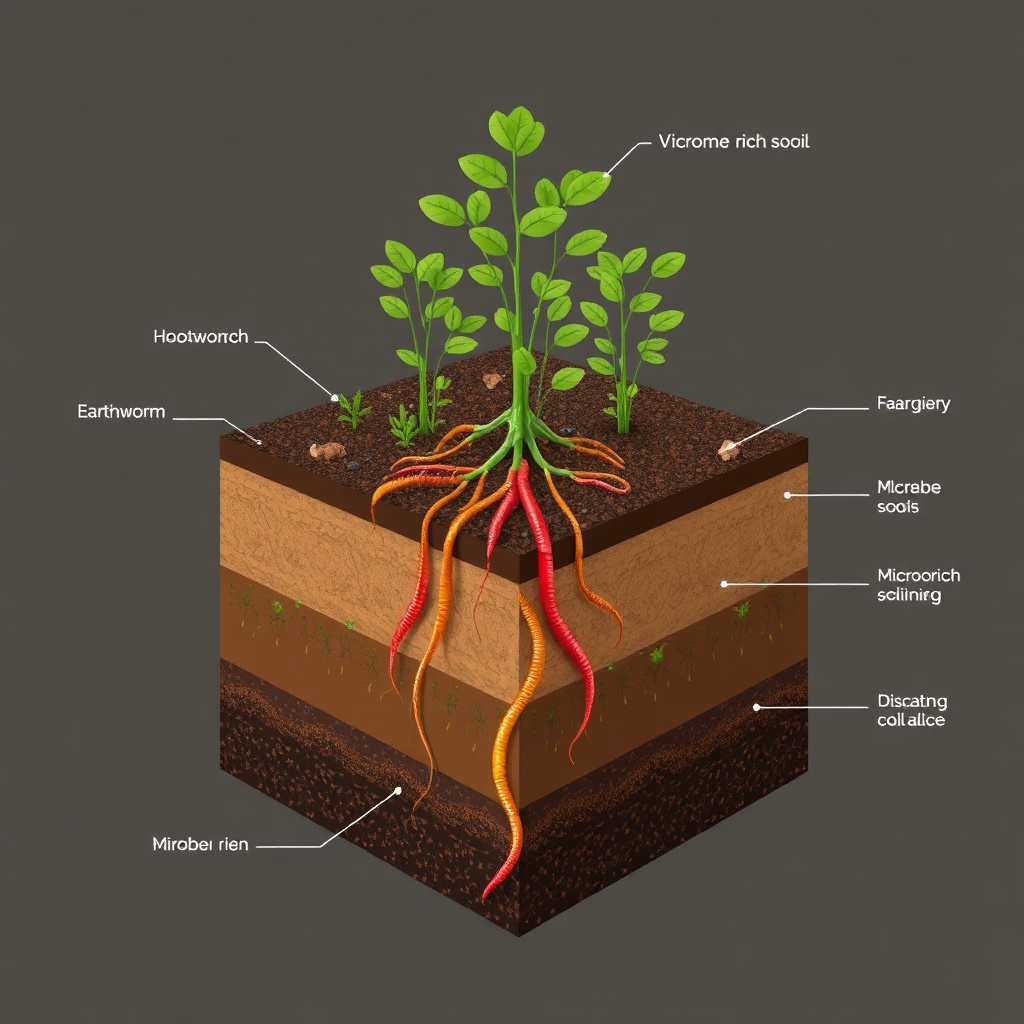
Living soil is an ecosystem teeming with life, consisting of bacteria, fungi, protozoa, nematodes, and earthworms. These organisms break down organic materials and release nutrients in plant-available forms. Unlike sterile or chemically treated soils, living soil promotes natural nutrient cycling and improves soil structure.
The soil’s physical composition includes mineral particles like sand, silt, and clay, combined with organic matter. A well-balanced soil texture enhances root development and water retention, while the organic component feeds the microbial community that makes the soil fertile.
Key Components of Living Soil
The main components of living soil are minerals (the base soil particles), organic matter, water, air, and living organisms. Each plays an important role: minerals provide structure and nutrients, organic matter fuels microbes, air supports respiration, and water enables chemical reactions critical for plant nutrition.
Maintaining a healthy balance of these elements is essential for making living soil that supports sustainable plant growth. Overly compacted or chemically treated soils typically lack sufficient biological activity, making them poor environments for living soil.
Organic Soil Building Techniques for Living Soil
Adding Organic Matter and Compost
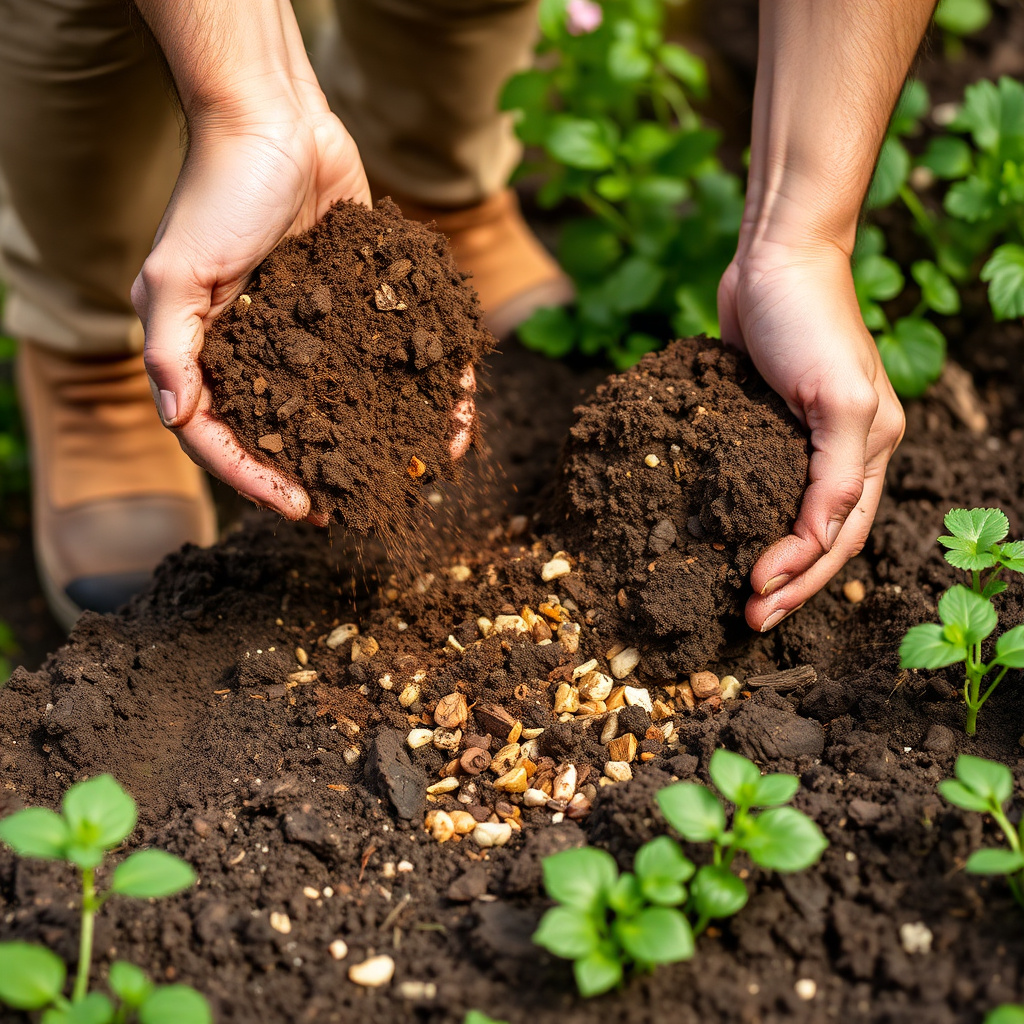
Incorporating well-decomposed compost is a cornerstone of organic soil building techniques. Compost adds humus, improves soil texture, retains moisture, and delivers a wide range of nutrients. It also introduces beneficial microbes that kickstart and sustain biological activity in soil.
Besides compost, materials like aged manure, leaf mold, and cover crop residues enrich soil organic content. Regular additions over time build a thick organic layer, encouraging microbial diversity and nutrient cycling essential to living soil.
- Use fully matured compost to avoid pathogens
- Layer compost 2-4 inches thick around plants
- Mix with native soil without over-tilling
Incorporating Cover Crops and Green Manures
Cover crops such as clover, vetch, and rye help improve soil structure and add nitrogen through biological fixation. When turned into the soil, these green manures boost organic matter and feed soil organisms.
Planting cover crops during fallow periods prevents soil erosion, suppresses weeds, and enhances living soil by feeding microorganisms with fresh root exudates and organic residues that decompose into nutrient-rich humus.
- Select cover crops suited to climate
- Incorporate before flowering for best nutrient release
- Rotate cover crops to maintain soil balance
Enhancing Microbial Life in Living Soil
Beneficial Soil Microorganisms
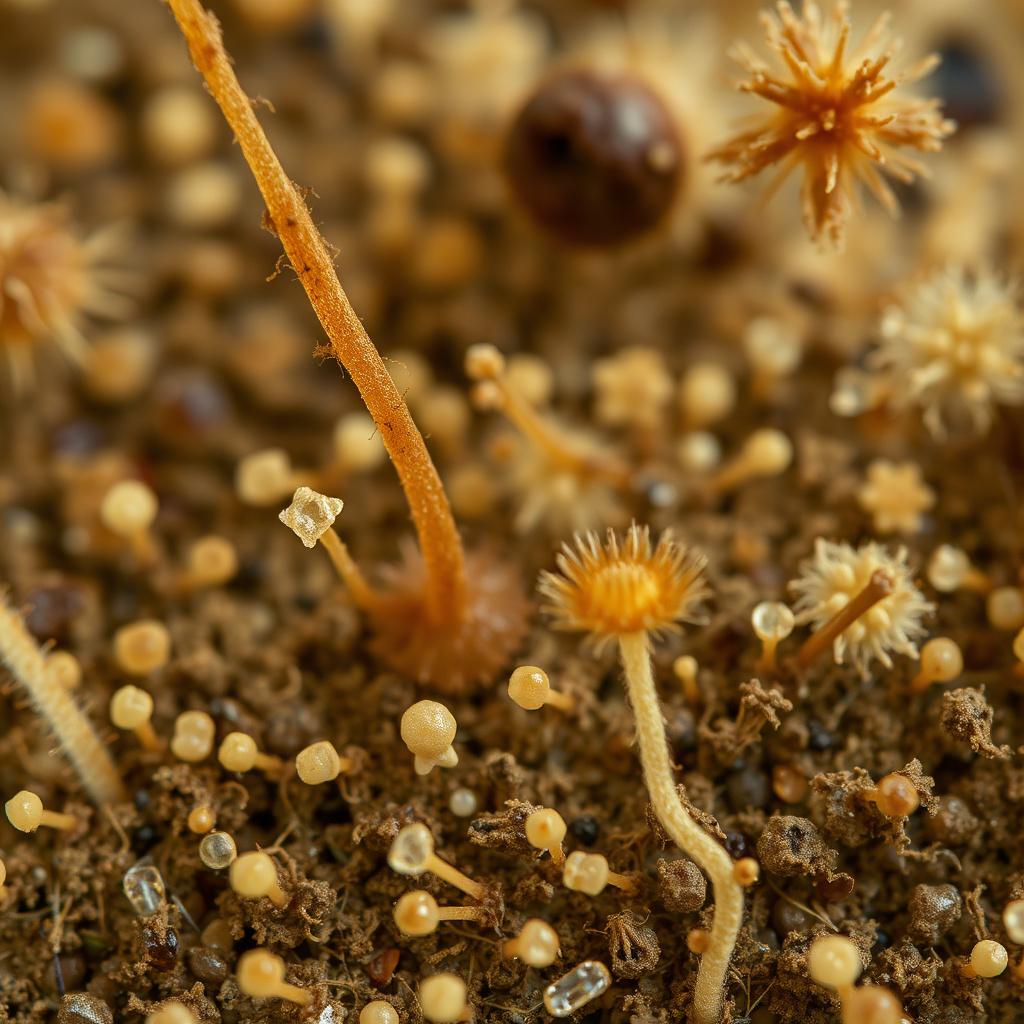
Microorganisms such as mycorrhizal fungi, nitrogen-fixing bacteria, and decomposer bacteria form the foundation of living soil’s fertility. Mycorrhizal fungi extend plant roots’ reach, improving water and nutrient uptake, especially phosphorus.
Nitrogen-fixing bacteria convert atmospheric nitrogen into usable forms for plants, while decomposers break down organic residues. Encouraging this microbial diversity reduces dependency on external fertilizers.
For more on this, see our related guide: What Is a Seed?.
Using Microbial Inoculants
When natural microbial populations are low, inoculants containing beneficial fungi and bacteria can jump-start living soil. Products with mycorrhizal spores or bacteria like Rhizobium and Bacillus species can be applied during planting or as soil drenches.
These inoculants work best in soils already rich in organic matter and free from synthetic chemicals, which can harm microbes. Supporting natural microbial growth with organic amendments enhances the longevity of these inoculants.
- Apply inoculants according to manufacturer instructions
- Combine with compost tea for added nutrients
- Avoid chemical pesticides when using microbial inoculants
Soil Structure and Aeration Techniques
Improving Soil Texture and Porosity
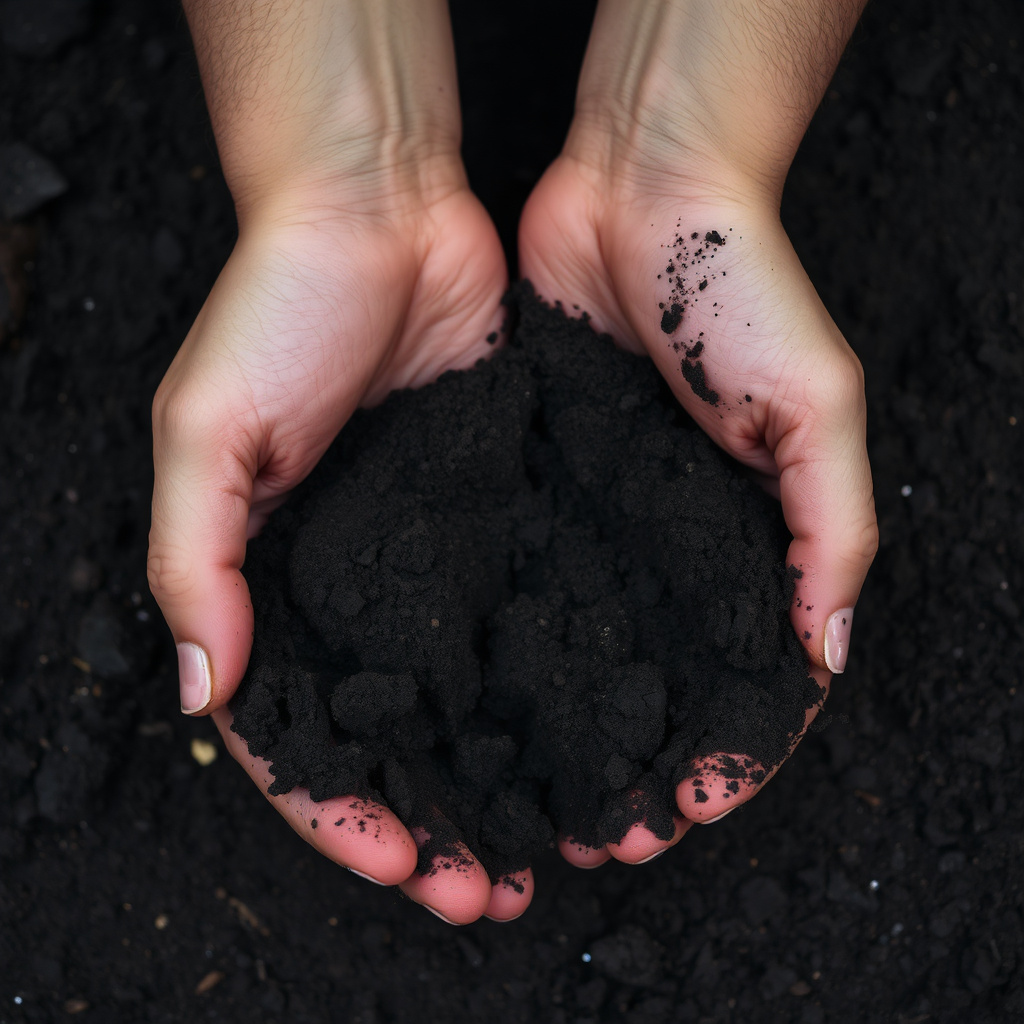
Good soil structure allows air and water movement critical to living soil organisms and plant roots. Techniques to improve structure include adding organic amendments and avoiding compaction from heavy machinery or excessive tilling.
In sandy soils, adding organic matter improves water retention. In clay soils, it improves drainage and porosity. These changes create pores that hold both air and water, fostering an active microbial ecosystem essential for living soil.
Minimal Tillage Practices
Minimal tillage helps preserve fungal networks and microbial habitats while reducing soil erosion. No-till or low-till methods support living soil by maintaining natural soil layers and structure.
Using cover crops and mulch also protects surface soil. Minimal disturbance encourages earthworms and microfauna to thrive, which aerate soil naturally and improve nutrient cycling.
- Use broadforks or hand tools instead of rototillers
- Leave plant residues on soil surface
- Rotate planting beds to reduce soil stress
Maintaining and Monitoring Healthy Living Soil
Regular Soil Testing and Observation
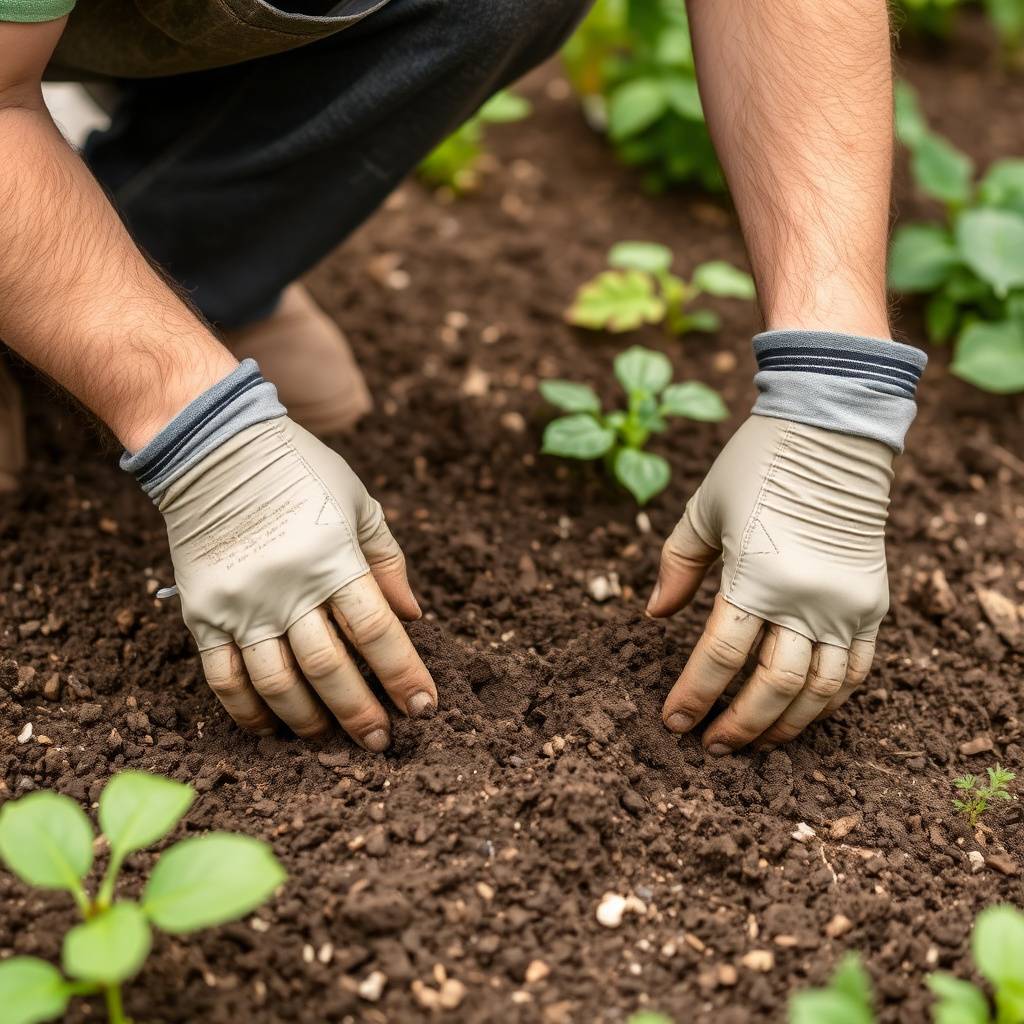
Testing soil pH, nutrient content, and organic matter levels guides amendments for living soil. Simple tests at home, or lab analysis, identify deficiencies or imbalances affecting soil life.
Observing earthworm activity, soil smell, and crumb structure also indicates soil health. Healthy living soil is dark, crumbly, with abundant fauna, and sweet, earthy aroma.
- Test pH every 1-2 years; aim for 6.0-7.0
- Adjust compost and amendments based on test results
- Monitor moisture to avoid waterlogging or drought stress
For more on this, see our related guide: 7 Simple Steps to Successfully Plant Lawn Grass Seed.
Watering and Mulching Practices
Proper watering supports microbial life; overwatering can suffocate roots and microbes, while underwatering limits activity. Deep, infrequent watering encourages healthy root systems compatible with living soil.
Mulching with organic materials like straw or wood chips conserves moisture, moderates temperature, and adds habitat for soil organisms as mulch decomposes. Mulch also suppresses weeds that compete for nutrients.
- Apply 2-4 inch organic mulch layer
- Water early in the day to reduce evaporation
- Avoid synthetic mulch that inhibits microbial growth
Common Mistakes When Making Living Soil
Overuse of Chemical Fertilizers and Pesticides
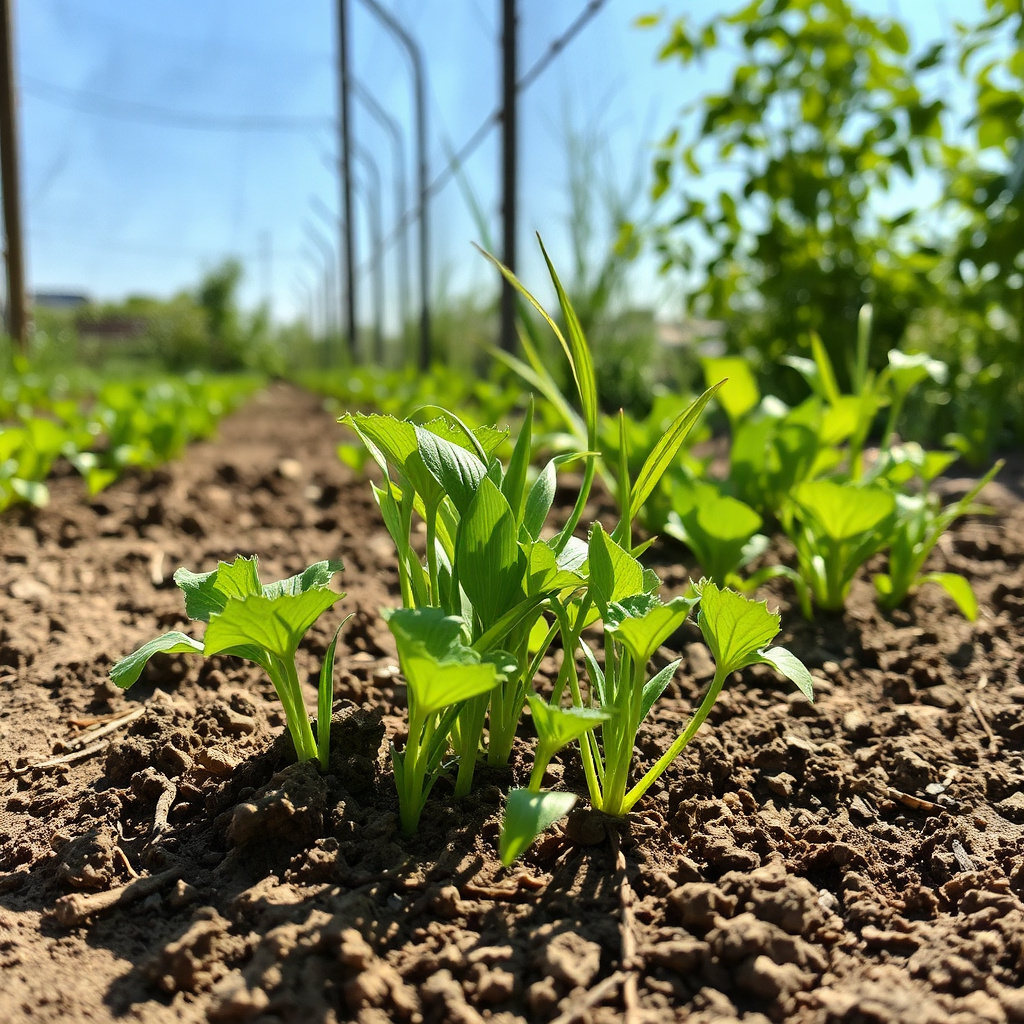
Heavy reliance on synthetic fertilizers and pesticides disrupts the natural microbial balance and kills beneficial organisms. This creates dependency on chemical inputs and degrades soil quality over time.
Avoid chemical residues by prioritizing organic amendments, crop rotations, and integrated pest management. Supporting native biological life is key to restoring living soil.
The USDA provides in-depth guidance on soil health and living soil practices that gardeners and farmers can consult for authoritative information. Living soil information from USDA.
Neglecting Soil Organic Matter
Failing to add or replenish organic matter leads to poor soil structure, reduced microbial activity, and nutrient deficiencies. Organic matter is essential fuel for the living constituents of soil.
Regular additions of compost, cover crops, and mulches maintain a thriving microbial web and balanced nutrients critical for living soil’s health.
Living Soil Construction Methods Comparison
Here is a comparison of common methods used to make living soil, highlighting benefits and suitable applications for varied gardening needs.
| Method | Key Benefits | Best Use Case | Challenges |
|---|---|---|---|
| Compost Incorporation | Boosts organic matter and microbes | Vegetable gardens, flower beds | Requires time to mature, labor-intensive |
| Cover Crops & Green Manures | Adds nitrogen, improves structure | Fallow or crop rotation fields | Needs planning and seasonal timing |
| Microbial Inoculants | Introduces beneficial microbes | Soils depleted or sterilized chemically | Limited effectiveness in poor organic matter soils |
| Minimal Tillage | Preserves soil structure and fungi | Perennial beds, no-till farms | May limit weed control options |
| Mulching | Conserves moisture and adds organic matter | All garden types | Rodent attraction if overapplied |
Frequently Asked Questions
How long does it take to make living soil?
Building living soil is a gradual process that can take several months to a few years, depending on starting soil health, climate, and care practices. Regular addition of organic matter accelerates development.
Can I convert low-quality soil into living soil?
Yes, even degraded soils can recover by adding organic materials, avoiding chemicals, maintaining moisture, and encouraging beneficial microbes with cover crops and compost.
What role do earthworms play in living soil?
Earthworms aerate the soil, break down organic matter, and distribute nutrients, making them vital contributors to living soil ecosystems and healthy plant growth.
Is living soil suitable for all types of plants?
Living soil benefits most plants by improving nutrient availability and resilience but may need specific amendments or pH adjustments for certain crops with specialized requirements.
Should I use chemical fertilizers if I have living soil?
Chemical fertilizers are generally unnecessary and can harm beneficial microbes in living soil. Organic amendments typically supply sufficient nutrients sustainably.
Key Takeaways
- Living soil thrives on balanced organic matter, microbes, air, and moisture.
- Organic soil building techniques enrich soil biology and structure sustainably.
- Supporting beneficial microorganisms is essential for nutrient cycling and plant health.
- Avoid chemicals and excessive tillage to maintain a healthy living soil ecosystem.
Conclusion
Creating living soil involves fostering a diverse, active community of organisms and combining minerals, organic matter, water, and air in a balanced environment. This makes soil a vibrant ecosystem that supports healthy plant growth naturally over time. Understanding how soil biology works and the interactions between components guides decisions about amendments and soil care, making it possible to develop living soil from almost any starting condition.
For gardeners aiming to build living soil, starting with organic soil building techniques such as regular compost additions and planting cover crops establishes a foundation for microbial life and soil structure. Introducing microbial inoculants may help accelerate the process when soils have been chemically treated or depleted. Minimizing disturbance through no-till practices and protecting soil with mulch ensures microbial communities thrive and are sustained season after season, promoting greater plant vigor and resilience.
The best next step is to test your soil and plan amendments based on its current condition and plant needs. Begin investing in organic materials like compost or cover seeds, and observe the gradual changes in soil texture, plant performance, and earthworm activity. Live soil develops progressively but ultimately rewards your effort with a thriving, self-sustaining garden environment.