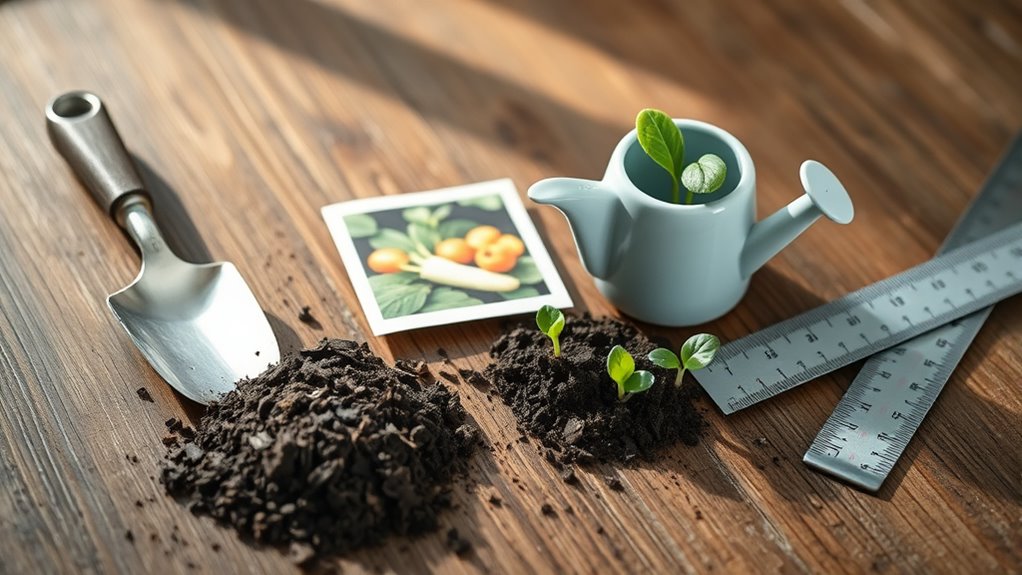
5 Simple Steps for Successful Seed Planting
Starting a garden from seeds can feel overwhelming, especially if you’re new to planting. Many people struggle with getting seeds to sprout and grow strong, healthy plants. But don’t worry—you’re not alone, and with a little guidance, you can set yourself up for success.
To successfully plant seeds, start by preparing your seeds and growing space with proper germination techniques and a suitable container.
Next, choose a light, well-draining soil mix appropriate for seedlings. Plant your seeds at the recommended depth and timing, then water gently to keep the soil moist.
Finally, make certain your seedlings get adequate light and monitor for issues like overwatering or pests. Follow these essential steps, and you’ll set the stage for thriving plants—more tips await if you continue.
Key Takeaways
- Choose high-quality, viable seeds and store them properly before planting.
- Pick well-draining soil and containers that have drainage holes.
- Plant your seeds at the recommended depth and spacing, then water gently.
- Make sure they get plenty of light and keep the soil moist for healthy growth.
- Keep an eye on your seedlings regularly, fix any issues quickly, and adjust your care as needed.
How to Prepare Your Seeds and Set Up Your Growing Space
Before planting your seeds, it’s important to prepare both the seeds and your growing space. Start by understanding seed types, as some need specific germination methods like soaking or cold stratification. Proper seed storage guarantees your seeds stay viable until planting; keep them in a cool, dry place.
When it’s time to plant, use appropriate techniques—depth and spacing vary depending on the seed type. Pay attention to environmental factors like light, temperature, and moisture, as they all influence germination. Using the right fertilization basics, such as a balanced, slow-release fertilizer, can help your seedlings grow stronger later on.
To improve germination rates, consider pre-soaking small or hard seeds and keeping moisture levels consistent. Set up your growing space with good airflow and enough light, and prepare your containers or beds beforehand. Properly preparing your seeds and environment now will give you a strong start for healthy sprouting and successful growth.
Choosing the Best Soil and Containers for Seedlings
Selecting the right soil and containers is key to healthy seedling development because they lay the foundation for root growth and nutrient uptake. When choosing soil types, go for a well-draining, lightweight mix like seed-starting soil or a blend of peat moss, vermiculite, and perlite.
These mixes provide good aeration and moisture retention without becoming waterlogged. Avoid heavy garden soils, as they can block root growth and cause damping-off disease.
Container materials matter too. Plastic containers are lightweight and hold moisture well, making them popular. Terracotta or clay pots are porous, which promotes airflow but they tend to dry out faster.
Think about size—small containers work well for starter seedlings. Just make sure they have drainage holes to prevent excess water buildup.
Choosing the right soil and containers sets the stage for strong, healthy seedlings that are ready to transplant.
When and How to Plant Your Seeds for Best Results
Timing is key when planting your seeds to give them the best shot at thriving. Check the seed packet’s recommended planting time because some seeds need to go in early in the season, while others prefer warmer weather.
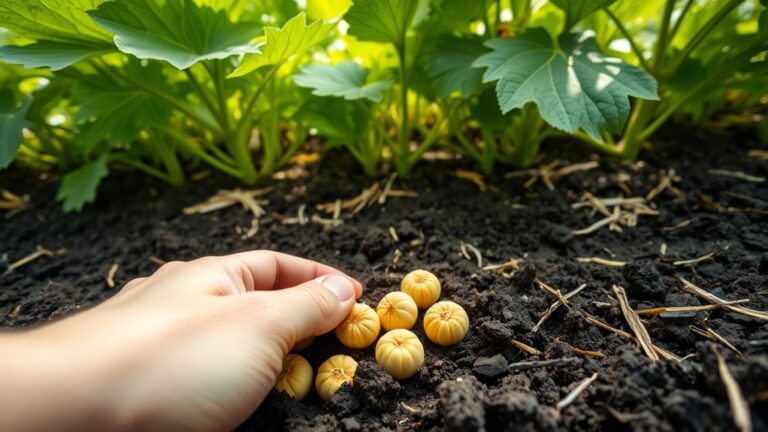
Once you’ve figured out the right timing, focus on planting at the correct depths. Different seeds have specific depth needs to sprout successfully. Planting too deep can stop them from emerging, and planting too shallow might dry them out.
Follow the instructions on the seed packet or look up gardening guides to find the ideal depth for each type. Gently press the seeds into the soil at that depth, then lightly cover them with soil.
Keep the soil temperature steady and try not to disturb the seeds once they’re in the ground. Moving or fussing with them too much can slow down germination.
Getting the timing right and planting at the right depth are the first steps to healthy, strong seedlings.
Watering and Lighting Tips for Healthy Seedlings
Once your seeds are planted at the right depth and soil temperature, the next step is ensuring proper watering and lighting for healthy growth. Keep the soil evenly moist but avoid waterlogging. Water gently to prevent displacing seeds or causing soil erosion.
Check your seedlings daily and adjust watering based on soil condition, especially as they grow. For lighting, make sure your seedlings get enough bright, indirect sunlight. If natural light is limited, use grow lights to supplement.
Position grow lights about 2-3 inches above the seedlings. Keep them on for 12 to 16 hours each day to encourage strong, healthy growth. Proper watering and lighting are key to preventing issues like damping-off or leggy growth.
Troubleshooting Common Seed Planting Problems
Even with careful planting, issues can come up that slow down seedling growth. Common problems include poor seed viability, pests, or too much water. First, check if your seeds are viable by looking for mold or damage. Fresh, healthy seeds tend to germinate better.
Pests like aphids or fungi can attack young seedlings. Treat the problem quickly with organic insecticides or natural predators. Overwatering can cause damping-off, which rots roots. Make sure your soil drains well and don’t water too much.
If your seedlings are leggy or weak, they probably need more light. Try adjusting your lighting setup or giving them more exposure. To help identify issues, review the table below:
| Problem | Solution |
|---|---|
| Poor seed viability | Use fresh, high-quality seeds |
| Pest infestation | Apply pest control methods |
| Overwatering | Improve drainage, reduce watering |
| Insufficient light | Increase light exposure |
| Damping-off (fungus) | Verify good airflow and avoid excess moisture |
Frequently Asked Questions
Which Seeds Are Easiest for Beginners to Grow Successfully?
You’ll find herb seeds, like basil and chives, easiest for beginners because they’re forgiving and grow quickly.
Vegetable varieties such as radishes and lettuce are also simple to start with, requiring minimal care.
Flower options like marigolds and sunflowers are great choices too.
When selecting seeds, pick easy-to-grow options, follow proper seed selection tips, and keep your soil moist and warm for the best chance of success.
How Can I Prevent Pests From Damaging My Seedlings?
To prevent pests from damaging your seedlings, try companion planting by placing pest-repelling plants like marigolds or basil nearby. These natural repellents help keep pests away without the need for chemicals.
Make sure to regularly inspect your seedlings for signs of pests. If you notice any affected leaves, remove them promptly. This helps stop pests from spreading.
Encourage beneficial insects like ladybugs, which naturally control pests. Combining these strategies creates a healthy, pest-resistant environment for your seedlings to thrive.
What Are the Signs of Overwatering or Underwatering Seedlings?
Think of your seedlings as delicate dancers needing just the right rhythm. When overwatering, their leaves droop, and the soil feels soggy, like a squeezed-out sponge.
Underwatering, on the other hand, makes them look wilted and brittle, with soil that’s dry to the touch. Keep an eye on seedling drooping and soil moisture levels.
These signs tell you whether to water more or cut back. This way, your plants will thrive instead of drowning or wilting.
Can I Start Seeds Indoors and Transplant Outdoors Later?
Yes, you can start seeds indoors and transplant them outdoors later. Use seed trays placed under indoor lighting to give your seedlings enough light.
Keep the trays warm and moist, and make sure they get plenty of sunlight or grow lights. When your seedlings have strong roots and the outdoor weather is right, start hardening them off gradually before transplanting.
This method helps their growth and boosts your chances of a successful garden.
How Long Does It Typically Take for Seeds to Sprout?
Think of seed sprouting as a gentle surprise. Most seeds take about 7 to 14 days to sprout, depending on the type.
During this germination timeline, you’ll want to give your tiny seedlings proper care. Keep the soil moist, warm, and in a bright spot.
Patience is key. With consistent seedling care, you’ll soon watch your garden come alive with vibrant new growth.
Conclusion
By following these five simple steps, you’ll set yourself up for successful seed planting and healthy growth. Remember, about 85% of home gardeners report increased satisfaction when they carefully prepare and nurture their seedlings.
Stay attentive to watering, lighting, and troubleshooting issues early on. With patience and practice, you’ll enjoy lush, thriving plants that make your gardening journey both rewarding and enjoyable.
Keep experimenting, and watch your garden flourish with successful seed planting!