How Many States Allow Home Growing of Cannabis: A State-by-State Guide
As of 2024, 24 U.S. states permit some form of home growing of cannabis, either for medical or recreational use, with each state imposing its own limits and conditions. Home cultivation typically includes restrictions on the number of plants and who can legally grow them. This main keyword—the allowance of home growing across states—reflects shifting laws toward personal cannabis cultivation rights nationwide.
The ability to grow cannabis at home matters because it provides patients and recreational users with direct access to their own supply, reducing reliance on dispensaries and sometimes lowering costs. However, the varied regulations—from total bans to generous personal grows—create a complex mosaic that residents should understand to stay within the law.
This article covers which states allow home growing of cannabis, highlighting differences in legislation, plant limits, and qualifying conditions. Readers will also find a detailed comparison across regions, essential factors to consider before growing, and answers to commonly asked questions about home cultivation.
States That Allow Recreational Home Growing

Key States with Recreational Home Growing
States such as California, Oregon, Colorado, and Illinois have laws permitting adults 21 and older to cultivate cannabis plants at home. These states usually limit the number of plants—commonly 4 to 6 per household—and often require that plants be grown in a secure, private location out of public view.
Recreational home growing rights empower users with more autonomy, but compliance with state laws on plant counts and visibility is essential. For instance, Massachusetts allows up to 6 plants per person but with maximum limits per household, balancing personal freedom with community safety.
- California: 6 plants per adult, 12 max per residence
- Colorado: 6 plants per adult, 12 per household
- Oregon: 4 plants per adult, 8 per household
- Illinois: 5 plants per adult, but only for medical cardholders
Conditions and Restrictions on Recreational Growing
Most recreational states require plants to be grown out of public view, often indoors or in enclosed backyards. Additionally, landlords can prohibit cultivation on rental properties, complicating home growing for some residents.
While home cultivation benefits many users, states sometimes impose penalties for exceeding plant limits or for sharing with those not legally allowed to possess cannabis. Home growers must therefore understand local ordinances to remain compliant.
Medical Cannabis Home Growing Laws
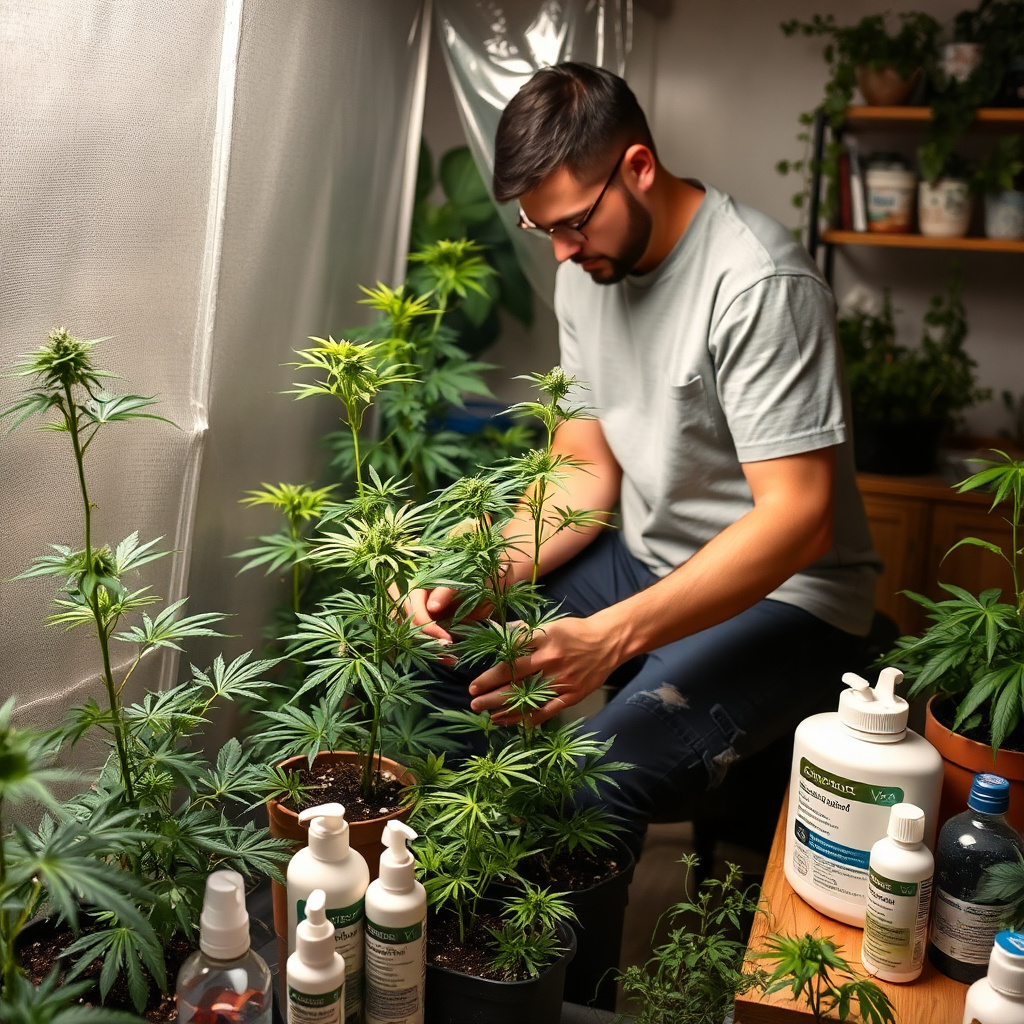
States Permitting Medical Home Cultivation
A larger number of states allow medical cannabis patients to grow their own plants at home. Some states restrict growing exclusively to registered patients or caregivers, with allowances varying between 6 and 12 plants.
For example, Arizona permits medical patients to grow up to 12 plants at home, while Florida does not allow home cultivation for medical users, reflecting a patchwork of medical home cultivation laws across the U.S.
- Arizona: Up to 12 plants for medical patients
- Massachusetts: Up to 6 plants for medical patients
- Maine: Up to 6 mature and 12 immature plants
- Florida: No home cultivation allowed for medical users
Medical Cultivation Regulations and Patient Compliance
Medical home growers generally need to register with the state’s program, carry identification, and ensure cultivation space is secure. States may require locking mechanisms or limited access to minors.
Patients growing at home should be informed about the exact plant limits and whether both mature and immature plants count toward the maximum. Violations can lead to penalties ranging from fines to loss of medical privileges.
States That Prohibit Home Growing
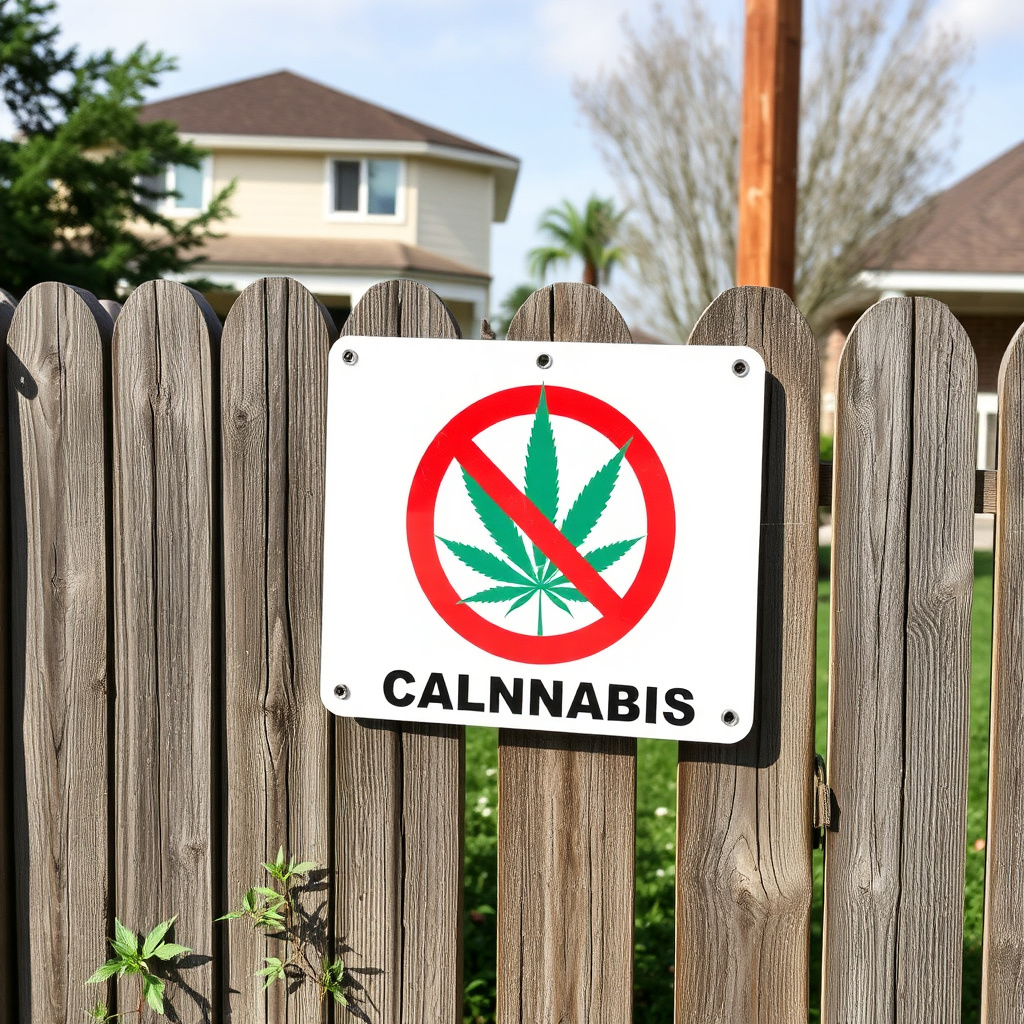
Regions with No Home Growing Allowed
Several states, especially in the South and Midwest, still prohibit any form of home cannabis cultivation. This includes both recreational and medical users, with the strictest laws often applying felony charges for growing plants at home.
For example, Texas and Georgia ban cultivation except for very limited medical extract use, while states like Idaho and Nebraska maintain outright prohibitions on all cannabis growing.
- Texas: No home cultivation allowed
- Georgia: Limited medical use, no home grows
- Idaho: Total ban on growing
- Nebraska: No home cultivation permitted
For more on this, see our related guide: A Step-By-Step Guide for Growing Lavender From Seed.
Legal Risks and Penalties in No-Grow States
In states banning home growing, possession of plants can lead to criminal charges including fines, imprisonment, or both. Legal representation is often necessary if home cultivation is suspected or charged.
Understanding state laws is critical, as some states increase penalties based on the number of plants grown, even if for personal use. Avoiding any form of cultivation remains the safest legal course in these regions.
Factors Influencing Home Growing Laws

Political and Social Influences on Legislation
States that allow home growing often have progressive cannabis policies shaped by voter initiatives, public health perspectives, and economic interests such as tax revenue or promoting small-scale agriculture.
Conversely, states with stricter policies frequently cite concerns over public safety, youth access, and federal prohibition conflicts as reasons to restrict home cultivation.
Impact of Federal Law on Home Growing
Despite increasing state-level legalization, cannabis remains a Schedule I controlled substance federally, making any home growing technically illegal under federal law.
However, federal enforcement prioritizes large-scale illegal operations over legal home growers, especially in states with mature legal frameworks. Still, growers should remain vigilant about potential legal risks.
Comparing Home Growing Limits Across States

Plant Limits for Recreational vs. Medical Users
Plant limits vary widely, with recreational users commonly allowed 4 to 6 plants, whereas medical patients may grow more, sometimes up to 12. States differentiate between mature and immature plants, counting them differently in some cases.
For example, Maine counts 6 mature and 12 immature plants for medical patients, while Oregon’s total cap for recreational cultivation is 4 plants per person, capped at 8 per household.
For more on this, see our related guide: Are Cannabis Seeds Legal in the USA? Understanding the Legal Landscape.
State-Specific Exceptions and Unique Rules
Certain states impose unique rules such as mandatory plant tagging for medical cultivators or specific licensing for caregivers growing on behalf of patients.
Other states allow communal growing for multiple patients or clarify rules distinguishing indoor and outdoor cultivation. Understanding these nuances is vital to prevent inadvertent legal violations.
- Mandatory plant tagging in Nevada for medical users
- Community grows allowed in Rhode Island
- Outdoor cultivation prohibited in Illinois
Secondary Keyword Use: Cannabis Home Cultivation Laws in Practice

Implementing State Cannabis Home Cultivation Laws
Home growers must carefully follow state cannabis home cultivation laws, including maintaining plant counts, securing grow spaces, and avoiding sales outside regulated channels.
Regularly reviewing updates to the laws is advisable, as many states actively revise home growing rules to respond to evolving social and political pressures.
For a detailed state-by-state overview of cannabis cultivation laws, see this comprehensive resource on Cannabis cultivation laws by state. Cannabis cultivation laws by state.
Tips for Compliance and Practical Growing
Beyond legal compliance, practical advice such as using odor control, proper lighting, and pest management helps maintain a safe home grow.
For medical patients especially, consultation with healthcare providers about cannabis cultivation can optimize therapeutic outcomes while staying within legal limits.
- Use secure, locked grow rooms
- Avoid exceeding plant limits
- Stay informed on local ordinances
State Categories Comparing Home Growing Laws
The following table compares U.S. states by category based on their home growing allowances, plant limits, and whether growing for medical or recreational use is permitted.
| Category | States | Home Grow Allowed? | Max Plants Allowed |
|---|---|---|---|
| Recreational & Medical Allowed | California, Oregon, Colorado, Massachusetts | Yes | 4-6 plants per adult, 8-12 per household |
| Medical Only Allowed | Arizona, Maine, New Mexico | Yes, medical patients only | 6-12 plants per patient |
| No Home Growing Allowed | Texas, Florida, Idaho | No | 0 |
| Restrictive Medical Growing | Illinois, New York | Yes with restrictions | 5-12 plants, often indoor only |
| Emerging Programs | Connecticut, New Jersey | Limited home growing allowed recently | 4-6 plants depending on patient status |
Frequently Asked Questions
How many cannabis plants can I legally grow at home?
The number of plants you can grow depends on your state and whether you have a medical card. Limits typically range from 4 to 12 plants per person or household.
Can anyone grow cannabis at home if they live in a legal state?
Not always. Some states restrict home cultivation to medical patients or caregivers only, while others allow all adults 21+ to grow recreationally.
Are there penalties for growing more plants than allowed?
Yes. Exceeding legal plant limits can result in fines, confiscation of plants, or criminal charges depending on the state’s laws.
Is home cannabis growing legal under federal law?
No. Cannabis is still illegal federally, so home growing remains a federal violation, though enforcement focuses mainly on large illegal operations.
Can I grow cannabis outdoors at home?
It depends on your state. Some allow outdoor cultivation with privacy restrictions, while others require indoor growing only.
Key Takeaways
- 24 states permit some form of home growing, with varying plant limits and conditions.
- Recreational home growing is allowed in about half of these states with typical limits between 4 and 6 plants.
- Medical patients often have higher plant allowances but must follow specific registration and security rules.
- Many states still prohibit home growing, carrying significant penalties for violations.
Conclusion
Determining how many states allow home growing requires understanding a complex landscape of evolving cannabis laws that depend heavily on whether the use is recreational or medical. Legal home cultivation is growing more common, with nearly half the U.S. states permitting it under certain conditions. Yet, rules vary widely in plant counts, location restrictions, and qualifying criteria. Navigating these differences requires thorough awareness of your state's specific statutes to avoid legal complications and make informed decisions about home cultivation.
For individuals living in states like California, Oregon, or Colorado, recreational home growing offers a straightforward and generous framework, often favoring personal cultivation with few hurdles. Medical patients in states including Arizona and Maine benefit from expanded plant limits but must comply with additional oversight. Conversely, residents of states such as Texas or Idaho face strict prohibitions, making home growing legally unfeasible. Evaluating your state's laws, your status as a medical user or adult consumer, and the specifics of local ordinances will guide the best path forward.
Ultimately, if you’re interested in home cultivation, begin by reviewing your state's official cannabis regulations to confirm legal allowances and restrictions. Consulting reliable resources and possibly legal counsel can clarify grey areas. Start small, maintain compliance with limits, and keep your grow environment secure and private. Staying informed will help you enjoy the benefits of home growing responsibly and sustainably.