How to Consume Alsi Seeds in Your Diet
Many people want to boost their health with simple, natural foods but aren’t sure how to include nutritious options like Alsi seeds in their daily routine. If you’re looking for easy ways to add more fiber, omega-3s, and nutrients, you’re not alone.
Incorporating Alsi seeds into your diet can be a game-changer, and it’s easier than you might think.
To incorporate Alsi seeds into your diet, start by grinding them to boost nutrient absorption. Add one to two tablespoons to your oatmeal, yogurt, smoothies, or baked goods for a simple boost.
You can sprinkle whole seeds as a topping or make flaxseed pudding and crackers. Remember to store them properly and drink plenty of water.
If you want to uncover more creative ways, keep exploring for easy tips and recipes.
Key Takeaways
- Grind flaxseeds before adding them to smoothies, yogurt, or baked goods for better nutrient absorption. It’s a simple way to boost your health benefits.
- Sprinkle ground flaxseeds over oatmeal, cereals, or salads as a nutritious topping. It adds a nice crunch and extra fiber.
- Incorporate flaxseeds into recipes like muffins, pancakes, or energy bars for easy and tasty consumption.
- Store ground flaxseeds in airtight containers in a cool, dark place and consume them shortly after grinding to keep them fresh.
- Start with 1-2 tablespoons daily, drink plenty of water, and gradually increase your intake to enjoy the health benefits.
What Are the Health Benefits of Alsi Seeds?
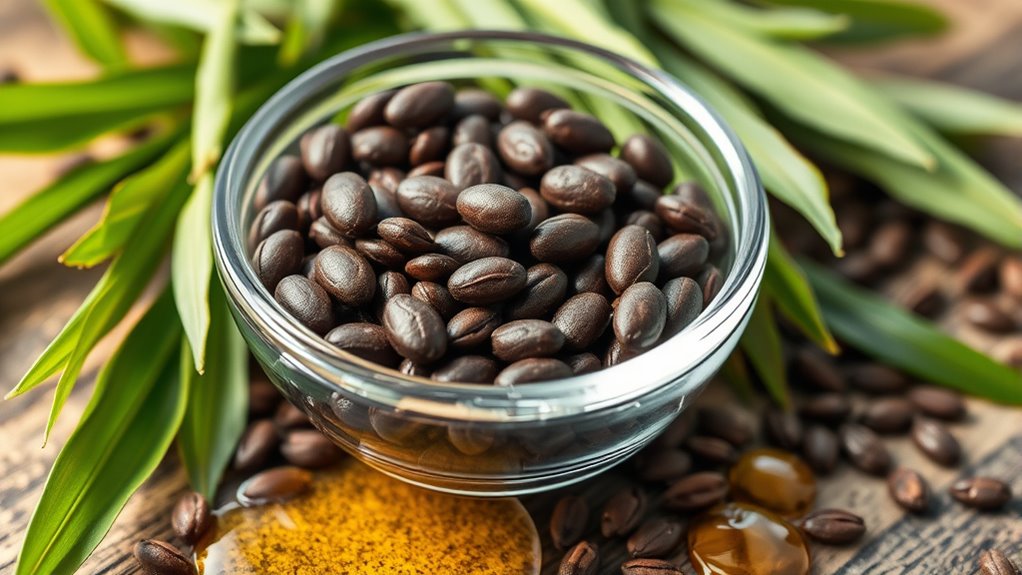
Alsi seeds, also known as flaxseeds, are packed with nutrients that offer a lot of health benefits. These seeds are rich in omega-3 fatty acids, fiber, and lignans, which make them quite powerful for your health.
Eating flaxseed can help your heart by lowering cholesterol levels and reducing inflammation, which lowers the risk of heart problems. The high fiber content supports digestion and helps keep your bowels regular, preventing constipation.
Flaxseeds are also known for their antioxidant properties, which help fight free radicals and may lower the risk of chronic diseases. Plus, the lignans in these seeds might help balance hormones, supporting hormonal health.
Regularly including flaxseeds in your diet can boost your immune system and improve overall well-being. They’re versatile and easy to add to your meals, making it simple to enjoy their many health benefits.
Should You Consume Whole or Ground Flaxseeds? Pros and Cons
When you’re trying to decide between whole or ground flaxseeds, think about how your body absorbs the nutrients. Usually, ground flaxseeds are easier for your digestive system to access, so you might get more benefits that way.
Plus, convenience is a big factor. Ground flaxseeds can be easily tossed into smoothies or baked into recipes without any extra prep. On the other hand, whole seeds might need to be ground up first if you want to get the most out of them.
Nutrient Absorption Differences
Consuming flaxseeds in their ground form allows your body to absorb more nutrients efficiently, whereas whole seeds often pass through your digestive system undigested, limiting nutrient uptake. Ground flaxseeds boost nutrient bioavailability and absorption, making sure you get the most health benefits.
When you grind flaxseeds, you reveal crucial omega-3 fatty acids, lignans, and fiber that might otherwise go to waste. Whole seeds can be a nice visual addition, but they may only provide limited nutritional value if not chewed thoroughly.
Feel empowered by maximizing your health potential through better nutrient absorption. Experience vibrant energy from more effective nutrient bioavailability.
Avoid missing out on essential nutrients hidden inside unbroken seeds. Take control of your diet, knowing you’re optimizing every bite.
Ease of Use
Deciding whether to eat flaxseeds whole or ground depends on what’s more convenient for you and your priorities. Whole flaxseeds are easy to toss on top of meals or snack on, but they might pass through your digestive system without releasing their nutrients.
Ground flaxseeds are more versatile—they blend easily into smoothies, baked goods, or yogurt, making it simpler to enjoy their benefits. Grinding takes a bit of extra effort and storage care, but it ensures you get the most nutrients out of them.
If you want quick, simple ways to add flaxseeds to your diet, whole seeds work well as toppings or snacks. But for maximum health benefits and easier digestion, ground flaxseeds are the better choice, especially when mixed into recipes or sprinkled over meals.
How to Prepare Flaxseeds for Maximum Nutrition
If you want to get the most nutrition out of flaxseeds, the key is in how you prepare them. Grinding them properly is really important because it helps unlock their nutrients and makes them easier for your body to absorb. Just make sure not to overdo it—grind them until they’re a fine meal, but avoid turning them into too much powder which can sometimes affect their freshness.
Once you’ve ground your flaxseeds, store them in an airtight container in a cool, dark place. This helps keep them fresh and prevents them from going rancid. It’s best to consume the ground seeds shortly after grinding so you can enjoy all their health benefits at their peak. Timing your intake—like adding them to your smoothies or yogurt soon after grinding—can really maximize their nutritional impact.
Optimal Grinding Techniques
Grinding flaxseeds just before you use them guarantees you’re getting the most nutrition from their healthy fats and nutrients. Using the right grinding methods helps maximize benefits while letting you customize the texture to your liking.
A quick, effective way is to use a coffee grinder or mortar and pestle, which helps preserve the delicate oils. Just avoid over-grinding, as this can turn the seeds into a paste and cause some nutrients to be lost.
Feel free to experiment with coarser or finer textures—coarse for a crunch or fine for smooth blends—to suit your recipes. Enjoy the satisfying crunch of freshly ground flax and the rich aroma that signals freshness.
This way, you can enjoy the perfect balance of taste and nutrition, transforming simple dishes into health-boosting delights.
Best Storage Practices
Storing flaxseeds properly is essential to preserve their nutritional potency and prevent spoilage. Use airtight storage containers to protect them from moisture and air, which can degrade their quality.
Keep the seeds in a cool, dark place to extend their shelf life because light exposure speeds up rancidity. Temperature regulation is critical—avoid storing them near heat sources or in warm areas.
Moisture control is fundamental; make sure containers are dry before sealing. For long-term storage, vacuum sealing helps eliminate oxygen exposure, which keeps them fresher longer.
Regularly check your seeds for any signs of spoilage, like off odors or discoloration. Proper storage practices ensure your flaxseeds stay nutritious and flavorful, making them a reliable addition to your diet.
Timing for Consumption
For maximum nutrition, it’s important to prepare flaxseeds at the right time and in the right way before eating. Timing can really impact your digestion and how well you absorb nutrients.
To get the most benefits, try soaking or grinding flaxseeds right before you eat. This helps with digestion and makes nutrients more available.
Here are some helpful tips:
- Grind flaxseeds fresh to prevent omega-3s from breaking down
- Soak seeds overnight to make them easier to digest and release more nutrients
- Eat them within 24 hours of grinding to keep them fresh
- Add seeds to your meals immediately after preparation to preserve their nutrients
Using these timing tips makes sure you get the full health benefits from flaxseeds and enjoy their nutritional power.
Easy Ways to Add Flaxseeds to Your Breakfast
Starting your day with flaxseeds is simple and quick. You can sprinkle ground flaxseed over your breakfast oatmeal or mix it into your yogurt for added fiber and nutrients.
Flaxseed smoothies are another great option—you just blend a tablespoon into your favorite fruit mix. For a hearty start, try incorporating flaxseed into your pancakes or muffins; they add both texture and health benefits.
Blend a tablespoon of flaxseed into your favorite fruit smoothies for added fiber and nutrition.
Flaxseed chia puddings or parfaits are also delicious, combining flaxseed with fruits and yogurt for a nutritious treat. If you prefer crunchy cereals, add flaxseed granola to your morning bowl.
These small adjustments make it easy to include flaxseeds without extra effort, boosting your intake effortlessly. Whether you prefer liquids, baked goods, or layered parfaits, flaxseeds seamlessly fit into your breakfast routine, helping you start the day with a nutritious boost.
Delicious Flaxseed Recipes You Can Make at Home
Once you’ve added flaxseeds to your breakfast, you can start exploring tasty recipes at home that showcase their nutty flavor and health perks. Try making a creamy flaxseed pudding for a nutritious treat or enjoy savory flaxseed crackers as a healthy snack.
These recipes are easy, flavorful, and versatile, turning flaxseeds into delicious dishes. You’ll find it simple to boost your intake of omega-3s and fiber with these homemade creations.
Here are some ideas to get you inspired:
- Creamy flaxseed pudding topped with fresh fruits and nuts for a satisfying breakfast or dessert
- Savory flaxseed crackers with herbs and spices to pair with cheese or dips
- Flaxseed-infused energy bars perfect for on-the-go snacking
- Flaxseed bread or muffins for a hearty, wholesome treat
Get creative and enjoy the many ways flaxseeds can elevate your home-cooked meals!
Tips for Incorporating Flaxseeds Into Smoothies and Juices
If you want to get the most out of flaxseeds in your smoothies and juices, it’s best to grind them up first. That way, all their nutrients are released and easier for your body to absorb.
When you’re blending, adding liquid like water, milk, or juice helps everything come together smoothly. It prevents the seeds from clumping and gives you a nice, consistent texture. Plus, it makes your drink more enjoyable and keeps those health benefits coming!
Ground Flaxseeds Before Blending
Grinding flaxseeds before blending them into smoothies or juices guarantees your body can absorb their nutrients more effectively. This simple step reveals the full flaxseed benefits, making it easier for your system to access omega-3 fatty acids, fiber, and lignans.
When choosing grinding methods, use a spice grinder, coffee grinder, or mortar and pestle for consistent results. Properly ground flaxseeds blend smoothly and prevent clumping. Remember, whole flaxseeds may pass through your digestive system unused, so grinding is essential.
Feel energized as your body maximizes flaxseed benefits. Enjoy smoother, creamier smoothies with better nutrient absorption. Save time by blending evenly and avoiding gritty textures. Empower your health with simple, effective grinding techniques.
Use Liquid for Better Mix
Using liquid is key to achieving a smooth, well-blended consistency when incorporating flaxseeds into your smoothies and juices. To improve mixing, choose the right liquids like water, milk, or plant-based options such as almond or soy milk. These help break down the flaxseeds and prevent clumping.
When adding flaxseeds, try blending on high speed for at least 30 seconds or stirring thoroughly if you prefer a less blended texture. If you’re using ground flaxseeds, adding a bit more liquid can help them disperse evenly.
Stir or blend until the mixture is smooth and consistent. The right liquids and mixing techniques make it easier to enjoy the nutritious benefits of flaxseeds without any gritty texture.
Baking With Flaxseeds: Simple Snack and Bread Ideas
Baking with flaxseeds is a simple way to boost the nutritional value of your snacks and bread. You can easily incorporate them into your baking techniques to add texture and a nutty flavor.
To make your baked goods more appealing, try pairing flaxseeds with flavors like honey, cinnamon, or berries. These combinations bring out the best in your treats.
You can grind flaxseeds and mix them into dough or sprinkle them on top for extra crunch. They also work well in muffins, bread, and crackers, giving your baked items a subtle richness.
Add flaxseeds early in the mixing process to ensure they are evenly distributed. Roasting flaxseeds beforehand can deepen their flavor and improve digestibility.
With a little creativity, your baking can become both healthier and more delicious. Simple ideas like these can help you enjoy the benefits of flaxseeds in your daily diet.
Transform ordinary bread into a wholesome, crunchy delight. Delight in the warm aroma of cinnamon and flaxseed muffins.
Surprise your taste buds with berry-infused flax crackers. Savor the nutty flavor that enhances every bite.
Are Flaxseeds Safe to Eat Daily? Precautions You Should Know
Is it safe to include flaxseeds in your daily diet? Generally, yes, but it’s important to consider your personal safety and daily intake limits.
Flaxseeds are packed with nutrients and can offer health benefits, but eating too much might cause digestive discomfort or interact with some medications.
To stay safe, start with small amounts—about one to two tablespoons per day—and increase gradually as your body gets used to them.
Begin with one to two tablespoons daily and gradually increase as your body adjusts.
Make sure to grind the seeds before eating because whole flaxseeds might pass through your system without giving you all their benefits.
Also, drink plenty of water to help the fiber do its job smoothly.
If you’re pregnant, breastfeeding, or on medication, it’s a good idea to check with your healthcare provider before adding large amounts to your diet.
Remember, moderation is key to enjoying the health perks of flaxseeds without any risks.
Always pay attention to how your body reacts and adjust your intake as needed.
Creative Ideas for Using Flaxseeds in Salads and Dishes
Adding flaxseeds to your salads and dishes is a simple way to boost their nutritional value while enhancing flavor and texture. You can sprinkle ground flaxseeds as salad toppings to add a subtle nutty taste and a crunchy texture.
Use them as a dressing alternative by blending with olive oil, lemon juice, or yogurt for a nutritious, fiber-rich dressing. Incorporate flaxseeds into grain bowls or pasta salads for added health benefits and a slight crunch.
Experiment with roasted flaxseed crumbles on roasted vegetables or grilled meats for extra flavor. These creative ideas make your meals more satisfying and nourishing.
Sprinkle flaxseeds over vibrant salads for a satisfying crunch and visual appeal. Mix ground flaxseeds into homemade dressings for added thickness and nutrients.
Add flaxseeds into grain bowls or pasta salads for a wholesome twist. Top roasted vegetables or grilled meats with flaxseed crumbles for extra flavor and texture.
How to Store Flaxseeds to Keep Them Fresh and Nutritious
To keep flaxseeds fresh and nutritious, proper storage is key. Using the right techniques helps preserve their omega-3s and prevent them from going rancid.
Start with airtight containers made of glass or metal — these materials block light and air, which can damage the seeds. Avoid plastic containers unless they are food-grade and opaque, as plastic might let in air or moisture.
Store your flaxseeds in a cool, dark place like a pantry or cupboard, away from heat and sunlight. For a longer shelf life, consider refrigerating or freezing them.
If you refrigerate, use a sealed container to keep out moisture. When freezing, ensure the seeds are in a tightly sealed container or freezer bag.
Proper storage keeps flaxseeds fresh, retains their nutrients, and extends their shelf life so you can enjoy their benefits whenever you want.
Frequently Asked Questions
Can Flaxseeds Be Used as a Vegan Egg Substitute?
Yes, flaxseeds can be used as a vegan egg substitute. When ground and mixed with water, they create a gel similar to eggs, making them perfect for vegan baking.
The flaxseed benefits include added fiber and omega-3 fatty acids, boosting your recipes’ nutrition. Use about one tablespoon of ground flaxseed mixed with three tablespoons of water to replace one egg.
This simple swap can enhance your baked goods with plant-based goodness while providing extra health benefits.
How Much Flaxseed Should I Consume Daily?
You should aim for about one to two tablespoons of flaxseed daily. Some worry about consuming too much, but moderate intake offers great flaxseed benefits like fiber and omega-3s without risks.
This daily intake supports digestion, heart health, and inflammation reduction. Just make sure to grind your flaxseeds for better absorption, and gradually increase your intake to see the full benefits without any digestive discomfort.
Are There Any Side Effects of Eating Too Many Flaxseeds?
Eating too many flaxseeds can cause side effects like bloating, gas, or digestive discomfort, even though flaxseed benefits include improved digestion and heart health.
Excessive intake may also interfere with thyroid function or cause allergic reactions in some people. To avoid these issues, consume flaxseeds in moderation and make sure they’re ground for better digestion.
Listening to your body helps you enjoy their benefits without adverse effects.
Can Flaxseeds Interfere With Medication Absorption?
Yes, flaxseed interactions can interfere with medication absorption. Flaxseeds are high in fiber, which may slow down or reduce how your body absorbs certain medications.
To avoid this, follow your medication guidelines carefully and take flaxseeds at different times from your medicines. It’s best to check with your healthcare provider to make sure flaxseeds won’t affect your medication’s effectiveness or cause any unwanted interactions.
Are There Different Types of Flaxseeds Besides Alsi Seeds?
Yes, there are different flaxseed varieties, each offering unique nutritional benefits. You might come across brown flaxseeds and golden flaxseeds, both rich in omega-3 fatty acids, fiber, and lignans.
While they differ slightly in color and taste, their nutritional benefits are mostly similar. You can choose based on your preferences or recipes, knowing all varieties support your health goals.
They provide essential nutrients and help promote digestion.
Conclusion
Incorporating flaxseeds into your diet can boost your health with their rich omega-3s and fiber.
Some believe ground flaxseeds are better for nutrient absorption, but recent research suggests whole seeds may keep more nutrients until you eat them.
So, whether you decide to grind or eat them whole, enjoy the many ways you can incorporate flaxseeds into your meals.
Just remember to store them properly and consume flaxseeds in moderation—your body will thank you for it.