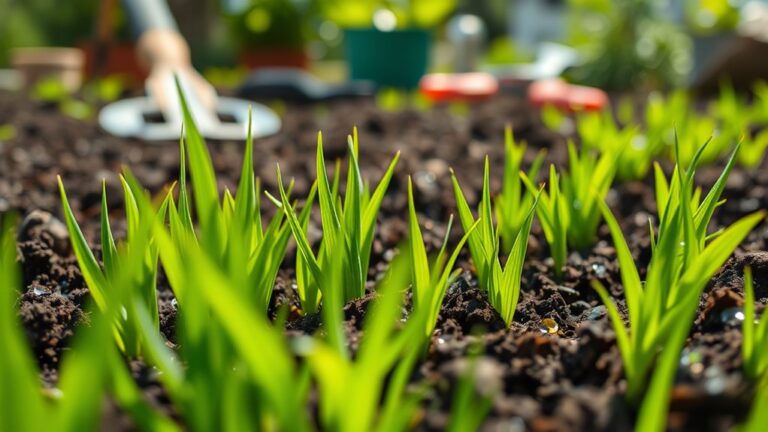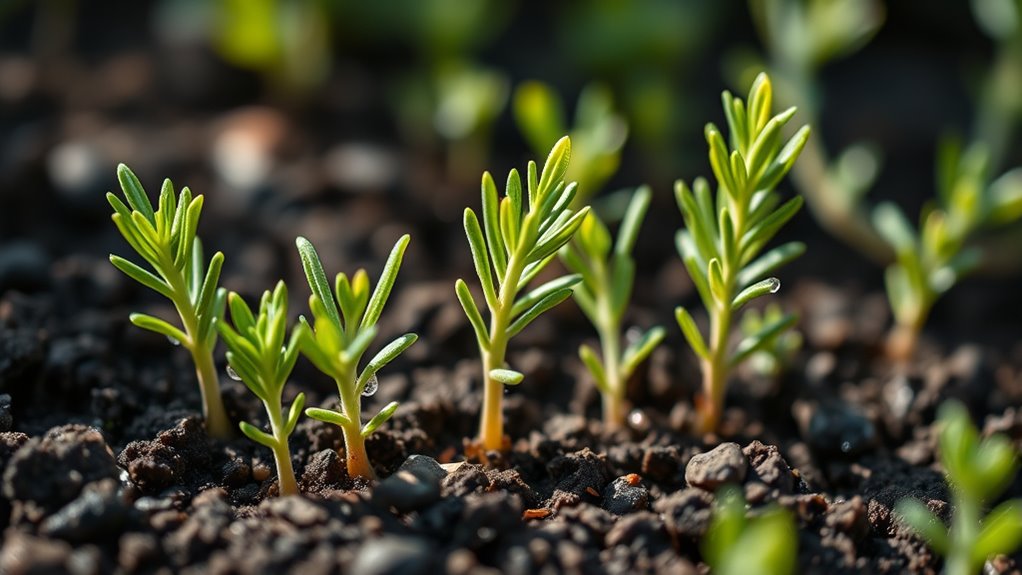
How Quickly Does Rosemary Grow From Seed?
Growing rosemary from seed can feel like a slow process, and many people struggle with getting their herbs to sprout quickly enough. If you’ve been impatient waiting for your rosemary to grow, you’re not alone.
But don’t worry, with the right tips, you can speed up the process and enjoy fresh herbs sooner.
Rosemary seeds typically take about 2 to 3 weeks to germinate, with plants reaching a harvest-ready size in 3 to 4 months under ideal conditions.
To speed up growth, make sure they get plenty of sunlight, proper watering, and well-draining soil.
Transplant seedlings at the right time and maintain regular pruning.
Want to find tips for faster growth and when to harvest? Keep exploring to grow your rosemary successfully.
Key Takeaways
- Rosemary seeds usually sprout within 2 to 3 weeks if you give them the right conditions.
- Once they’ve germinated, the seedlings can grow about 6 to 8 inches tall in just 3 to 4 months.
- After they’re established, they tend to grow around 2 to 6 inches each year.
- Providing proper care and good environmental conditions can help speed up their early growth.
- It’s best to transplant them after they develop two true leaves for healthier growth and quicker development.
How Long Does It Take for Rosemary Seeds to Germinate?
Have you ever wondered how long it takes for rosemary seeds to sprout? The time varies, but usually, germination happens within 2 to 3 weeks.
To give your seeds the best chance, make sure they’re fresh and high quality. Not all seeds are equally ready to grow, so starting with good ones helps.
Use fresh, high-quality seeds for better germination and healthy rosemary growth.
You can boost germination by soaking the seeds in warm water for 12-24 hours before planting. Keep the soil moist and warm, around 70°F (21°C), to encourage sprouting.
Covering the container with plastic wrap can help keep humidity high, but be sure to remove it once seedlings appear to prevent mold.
Patience is key because some seeds might take longer. With the right seeds and technique, you’ll see rosemary seedlings in a couple of weeks, ready to grow healthy.
What Factors Affect How Quickly Rosemary Grows?
Several factors directly influence how quickly rosemary grows, and understanding these can help you optimize its development. Plant nutrition plays a vital role; rosemary needs enough nutrients like nitrogen, phosphorus, and potassium to grow vigorously. If these nutrients are lacking, growth will slow down.
Environmental factors are also important—roses prefer full sun, well-drained soil, and moderate temperatures. Too much shade or extreme cold can stunt growth. Watering habits matter too; overwatering can cause root rot, while underwatering can hinder growth.
Good airflow helps prevent disease and supports healthy development. Regular pruning encourages new growth, making the plant bushier and faster-growing. By paying attention to nutrition, environment, watering, and pruning, you can create ideal conditions for your rosemary to grow quickly and healthily.
Best Soil and Growing Conditions for Fast Rosemary Growth
To promote rapid rosemary growth, selecting the right soil and creating ideal growing conditions are key. Rosemary prefers well-draining soil types like sandy or loamy soil that prevent water from pooling around the roots.
Heavy clay soils hold moisture and can cause root rot, so amending such soil with sand or organic matter improves drainage. The soil should be slightly alkaline, with a pH between 6.0 and 7.5, to support healthy growth.
Make sure the planting site gets plenty of sunlight—at least six hours daily—and is protected from strong winds. Proper drainage is essential because standing water stunts growth and increases disease risk.
You can also improve soil aeration by avoiding compaction. Regularly check soil moisture and keep it moist but not soggy. Creating these ideal conditions helps rosemary grow faster and healthier, giving you a more vigorous plant in less time.
A Step-by-Step Timeline: From Seed to Healthy Plant
Let’s walk through the journey from seed to a healthy plant. First, you’ll want to get familiar with the germination process and what happens at each stage. As your rosemary seed starts to sprout, you’ll see some important growth milestones that show it’s making progress. Keeping track of this timeline is really helpful—it guides you on how to care for your plant and helps it grow into a strong, thriving herb.
Germination Process Overview
The germination process begins when rosemary seeds are placed in a warm, moist environment, which triggers their awakening. To guarantee successful germination, check seed viability and maintain the right germination temperature, typically around 20-25°C.
As the seeds absorb water, they swell, and tiny roots start to emerge. Here’s what happens next:
- The seed coat cracks open, revealing the sprouting root.
- A small shoot pushes upward, seeking light.
- The seedling develops its first set of leaves.
- Roots grow deeper, anchoring the plant and absorbing nutrients.
During this stage, consistent moisture and warm conditions are crucial. Proper temperature improves germination speed and success, giving your rosemary the best start.
Growth Milestones Timeline
Once your rosemary seeds have successfully germinated, they go through a series of quick growth stages that lead to a healthy, mature plant. During the seedling stage, tiny leaves will appear within 2 to 3 weeks.
As the plant grows, it will develop more leaves and thicker stems over the next few months. The timeline can vary depending on the seed variety, with some growing faster than others.
Usually, you can expect your rosemary to reach about 6 to 8 inches within 3 to 4 months. During this time, consistent watering and plenty of sunlight are really important.
How Can You Speed up Rosemary Growth From Seed?
If you want your rosemary to grow faster from seed, the first thing to do is give it plenty of warm, bright light every day. Rosemary loves sunlight, so placing it near a sunny window or under grow lights can make a big difference.
Also, keep the soil consistently moist but not waterlogged. Overwatering can cause problems, so just make sure the soil stays evenly damp. This helps the roots develop strong and healthy, which speeds up growth.
Use Warm, Bright Light
Providing your rosemary seeds with warm, bright light is essential for speeding up their growth. Good light affects how strong the seedlings are and how quickly they develop.
Make sure your plants get at least 6-8 hours of direct sunlight each day. If natural light is limited, you can use grow lights placed just above the seedlings to mimic the sun’s rays.
Bright, focused light encourages lush, healthy foliage. Keep the light consistent to ensure steady growth and vibrant plants.
Maintain Consistent Moisture
Keeping the soil consistently moist helps your rosemary seeds grow faster and healthier. To do this, focus on moisture retention by using well-draining soil that holds enough water without becoming soggy.
Regular watering is essential, but avoid overwatering, which can cause root rot. Check the soil daily and water when the top inch feels dry. Using a spray bottle or gentle watering can help keep the moisture level even.
Covering the seed tray with plastic wrap or a clear lid can trap humidity, reducing evaporation and maintaining consistent moisture. This guarantees your seeds stay moist enough for germination, encouraging quicker sprouting and stronger growth.
Common Problems That Delay Rosemary Germination and Growth
One common reason rosemary seeds struggle to germinate or grow is poor soil conditions. Bad soil can make it hard for seeds to sprout and slow down growth.
First, if the soil temperature isn’t warm enough—around 65-70°F—you’ll see slow or no germination. Second, using low-quality seeds can reduce your chances of success; old or damaged seeds often won’t sprout.
Third, pests like soil-dwelling insects can attack young seedlings, stopping healthy growth. Fourth, incorrect humidity levels—either too dry or too damp—can cause seeds to rot or stay dormant.
To avoid these problems, make sure your soil is well-draining and kept at the right temperature. Use fresh, high-quality seeds and keep pests under control by maintaining a clean soil environment.
Finally, monitor humidity levels carefully, keeping moisture steady without overwatering. Fixing these issues helps create the perfect environment for rosemary seeds to sprout quickly and grow strong.
When and How to Transplant Rosemary Seedlings for Better Growth
You’ll want to transplant your rosemary seedlings once they’ve developed a solid root system—that’s when they look healthy and are starting to fill out. It’s also best to do this when the weather is warm enough; rosemary loves the sun and warmth to really get going.
When you’re ready, be gentle. Carefully lift the seedlings, making sure not to damage those delicate roots. Try to plant them at the same depth they were growing before, so they don’t get stressed or confused. If you do it at the right time and handle them carefully, your rosemary plants will settle in quickly and start growing strong.
Optimal Transplant Timing
Transplanting rosemary seedlings at the right time is key for healthy growth and strong establishment. Wait until the seedlings have at least two true leaves and the danger of frost is gone.
Timing properly helps your plant develop a strong root system and avoids stress from sudden temperature drops. Keep these transplanting tips in mind:
- Pick a cloudy day or late afternoon to reduce shock.
- Gradually expose seedlings to outdoor conditions over a few days to harden them off.
- Keep the soil moist but well-drained during transplanting.
- Handle seedlings gently by their leaves, avoiding the roots.
Proper Transplanting Techniques
Timing and technique are key to successfully transplanting rosemary seedlings and ensuring they stay healthy. When you’re ready, pick a spot with well-draining soil and plenty of sun.
Dig a hole that’s a bit deeper than the seedling’s current depth to prevent air pockets around the roots. Gently lift the seedling, supporting the root ball to avoid damage.
Place it in the hole so the top of the root ball is level with the soil surface. Fill the hole with soil and gently firm it around the roots.
Water thoroughly after transplanting to settle the soil and help the roots establish. Proper transplanting reduces stress and sets your rosemary up for healthy growth.
How Fast Does Rosemary Grow Once Established?
Once rosemary plants are established, they tend to grow relatively slowly but steadily. During this stage, your plant’s growth depends on consistent care, like watering, sunlight, and pruning.
Typically, you’ll see the plant gain about 2 to 6 inches per year, but this can vary depending on conditions. To picture this growth, imagine a sprig reaching upward toward the sun.
Typically growing 2 to 6 inches annually, rosemary steadily reaches toward the sun with fragrant, bushy foliage.
New leaves will emerge along the woody stems, and the plant will fill out with bushy, fragrant foliage. Roots will also expand deeper into the soil, anchoring the plant more firmly.
Your main focus should be on maintaining ideal conditions for steady growth. Proper care means regular watering without waterlogging, plenty of direct sunlight, and occasional pruning to keep it bushy.
With patience and consistent attention, your rosemary will continue to grow at a manageable, reliable pace. Over time, this will ensure a healthy, productive plant.
Tips for Maintaining Healthy and Rapidly Growing Rosemary
To keep your rosemary growing healthily and at a faster pace, focus on providing ideal conditions and consistent care. Proper pruning techniques are essential. Regularly trim back leggy stems and remove dead or diseased leaves to promote bushy growth and airflow. Use sharp, clean tools to avoid damage and encourage healthy new growth.
Furthermore, meeting nutrient requirements is vital. Use a balanced, well-draining soil rich in organic matter, and fertilize sparingly with a low-nitrogen, high-phosphorus fertilizer during the growing season. Keep the plant in full sun, ensuring it receives at least six hours daily.
Water deeply but infrequently to prevent root rot. Mulching around the base helps retain soil moisture and temperature. Consistent care, combined with proper pruning and nutrient management, boosts your rosemary’s growth rate and keeps it healthy and vigorous.
How Do You Know When Your Rosemary Is Ready to Harvest?
How can you tell when your rosemary is ready to harvest? The key is watching for signs that show it’s the right time. When the leaves are a vibrant green and smell strong, your rosemary is usually ready to pick. Here are four signs to look for:
- The plant has grown to about 6-8 inches tall with several branches.
- The leaves are full, lush, and fragrant, which means it’s mature.
- Tiny flowers blooming indicate your rosemary is at its peak.
- The stems feel sturdy and slightly woody, showing it’s matured.
Harvesting when these signs appear ensures the best flavor and aroma. Don’t wait too long, or the growth can become woody and less tasty. Paying attention to these clues helps you pick at the perfect moment for maximum freshness and potency.
Frequently Asked Questions
Can Rosemary Seeds Be Grown Indoors Successfully?
Yes, you can grow rosemary seeds indoors successfully. Just make sure to give them plenty of indoor light—like a sunny windowsill or some grow lights—to help them germinate well.
Keep the soil moist but not waterlogged, and keep the temperature warm. With regular care and good lighting, your rosemary seeds should sprout in a few weeks.
Soon, you’ll be able to enjoy fresh, fragrant herbs right from your indoor garden.
What Are Common Pests That Affect Young Rosemary Plants?
Coincidentally, pests like aphids, spider mites, and whiteflies often target young rosemary plants. You need to stay vigilant with pest control to protect your herbs.
Regularly inspect your plant for signs of pests or disease. Use natural remedies or insecticidal soap when needed.
Preventative measures are essential for disease prevention, ensuring your rosemary stays healthy and vigorous as it grows.
How Often Should I Water Rosemary Seedlings?
For healthy seedling care, you should water rosemary seedlings when the top inch of soil feels dry.
Usually, this means watering about once every 2-3 days, but you should adjust based on your environment’s humidity and temperature.
Avoid overwatering because it can cause root rot. Keep the soil moist but not soggy, and find the right watering schedule to help your seedlings grow strong and resilient.
Does Rosemary Require Additional Fertilization During Growth?
Rosemary benefits from extra fertilization during its growth stages. You should use a balanced fertilizer like a 10-10-10 or a liquid seaweed or fish emulsion every 4-6 weeks to help it grow healthy.
During early stages, try not to over-fertilize. But once the plant is established, regular feeding helps it develop strong, aromatic leaves. Adjust the type and frequency based on your plant’s needs and growth progress.
Can Rosemary Seeds Be Started Outdoors Year-Round?
You can start rosemary seeds outdoors year-round if you have the right growing conditions, like well-drained soil and plenty of sunlight.
To improve seed germination, try soaking the seeds overnight and keeping the soil consistently moist.
Keep in mind, rosemary prefers warm temperatures, so in cooler climates, it’s better to start seeds indoors and transplant later.
This way, you’ll get healthy growth no matter what season it is.
Conclusion
Just like a phoenix rising from the ashes, your rosemary will flourish with patience and care.
Understanding its growth timeline and providing ideal conditions will help it thrive faster than you’d expect.
Typically, rosemary seeds sprout in about 1 to 3 weeks, but it can take longer depending on factors like temperature and soil.
Once sprouted, it may take several months to develop into a bushy, fragrant herb.
Remember, even the slowest sprout has the potential to become a lush, aromatic rosemary plant.
Keep nurturing your green sanctuary, and soon you’ll be harvesting rosemary that’s as vibrant as spring’s first bloom.
Patience and persistence are your best garden allies when growing rosemary from seed.