How to Get a Medical Cannabis Card: A Step-by-Step Guide
Getting a medical cannabis card requires verifying that you have a qualifying medical condition and completing a state-specific application process. The process typically starts with consulting a licensed healthcare provider who will evaluate your health and determine if you qualify. Once approved, you submit your application to the state's medical marijuana program along with any required fees. After processing, you'll receive your medical cannabis card, granting legal access to medical marijuana within your state.
Medical cannabis cards are essential because they allow patients to legally purchase and use cannabis for therapeutic purposes, offering protections that recreational use does not. Since laws vary widely between states, knowing the particular rules in your jurisdiction matters significantly. Having the card can also reduce costs and provide access to specialized dispensaries and product types tailored for medical needs.
This article explains key qualifying conditions, how to navigate the medical marijuana card application, documentation requirements, and what to expect once you receive your card. We will also cover common questions and compare the types of cards available in different states to help you approach this process confidently.
Understanding Eligibility for a Medical Cannabis Card
Qualifying Medical Conditions
Each state specifies which medical conditions qualify for a medical cannabis card. Common qualifying conditions include chronic pain, cancer, epilepsy, multiple sclerosis, glaucoma, PTSD, HIV/AIDS, and severe nausea from chemotherapy. These conditions have been shown to be alleviated partially through cannabis treatment in clinical studies or patient reports.
Some states allow more flexible conditions such as anxiety or insomnia, while others maintain strict lists. It's important to review your state's list closely or consult a medical professional who is experienced in medical marijuana evaluations to confirm if your condition qualifies.
Who Can Qualify?
Patients of all ages can apply for a medical cannabis card, but minors usually require parental consent and additional documentation like a caregiver designation. Additionally, most states require applicants to be residents with proof of address.
Healthcare providers who recommend cannabis treatment must have the appropriate license or certification to conduct medical marijuana evaluations. Not all doctors are willing or trained to certify patients, so finding the right provider is a key step in the process.
How to Apply for Your Medical Marijuana Card
Gathering Documentation
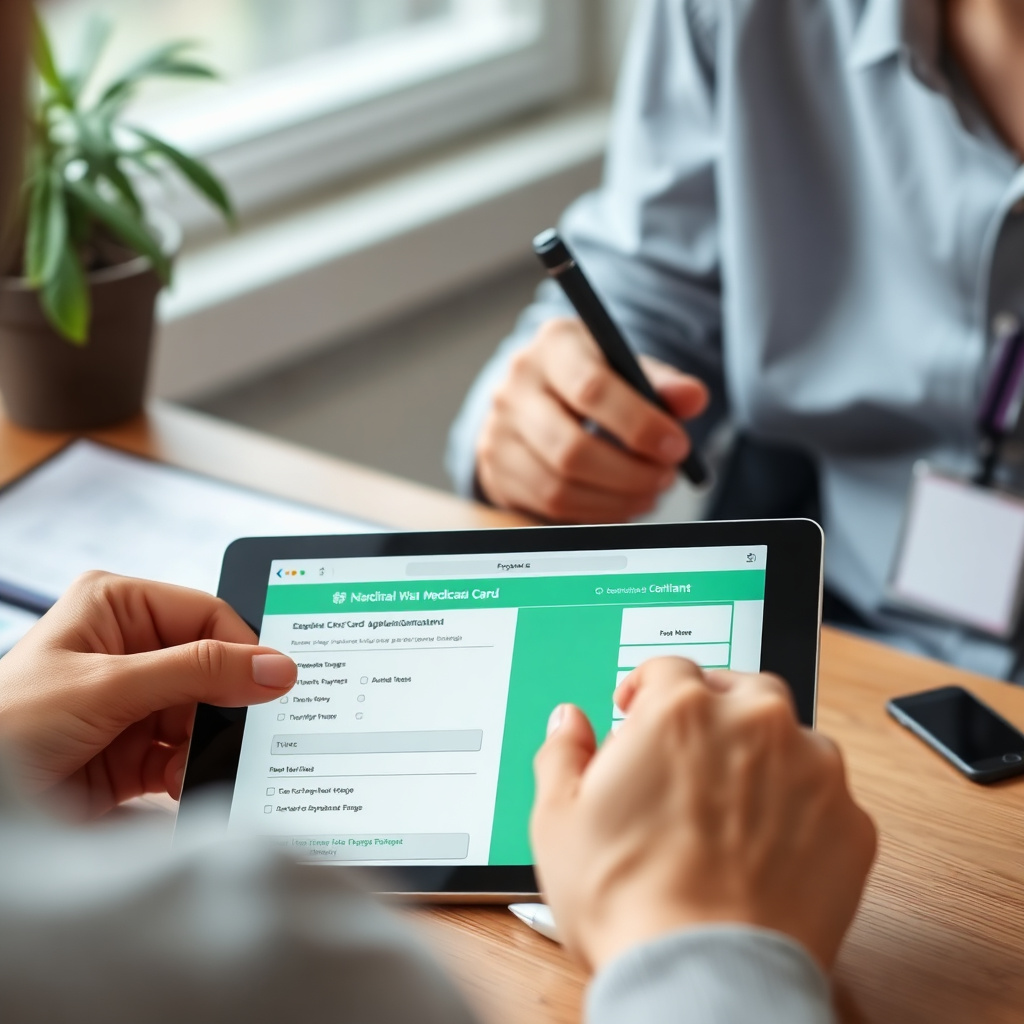
Before applying, make sure you have all necessary documents: a valid government-issued ID proving residency, medical records or documentation verifying your diagnosis, and sometimes a passport-style photo. These support your application and speed processing.
Some states require proof of prior doctor visits or treatments, while others are satisfied with a current certification letter from a qualified medical professional. Double-check your state's medical marijuana program requirements to avoid rejection due to missing paperwork.
- State-issued ID or driver's license
- Proof of residency (utility bill, lease agreement)
- Medical records or diagnosis documentation
- Physician certification letter
- Passport photo (for some states)
Submitting the Application
Many states offer online portals for submitting applications electronically, allowing you to upload your documents and pay fees online. Other states accept mail-in applications or in-person visits to medical marijuana offices or dispensaries.
Application fees vary widely depending on your state and may include separate payments for patient ID cards, caregiver registration, or renewal processing. Fees typically range from $50 to $200, sometimes with reduced rates for low-income applicants or veterans.
Consulting a Healthcare Provider for Medical Cannabis Certification
Finding Qualified Medical Professionals
Not all doctors offer medical cannabis certification, so start by searching for physicians licensed to evaluate patients for medical marijuana. Some states maintain lists of certified providers online. Alternatively, specialized clinics or telehealth services focus exclusively on medical cannabis evaluations.
Choosing a provider experienced in cannabis therapy ensures a better understanding of your needs and the ability to answer your questions about strains, dosages, and state regulations.
For more on this, see our related guide: Are Cannabis Seeds Legal in the USA? Understanding the Legal Landscape.
What to Expect During the Medical Evaluation
The evaluation typically involves reviewing your medical history, symptoms, and previous treatments to assess if cannabis is appropriate. The healthcare provider may ask specific questions about your condition's severity and how current treatments are working.
Expect the consultation to last 15-30 minutes; if approved, you will receive a written certification or recommendation that you can use when applying for your medical marijuana card.
Medical Cannabis Card Renewal and Maintenance
When and How to Renew Your Card
Medical cannabis cards expire, typically annually or biannually, requiring renewal to maintain legal status. Renewal involves submitting updated medical documentation and often a new doctor's evaluation. States usually notify patients in advance of expiration.
Renewal procedures mirror the initial application and may be completed online or by mail. Staying ahead of renewal deadlines avoids lapses that could limit your access to medical marijuana.
Maintaining Compliance with State Laws
Cardholders must follow all state regulations, including purchase limits, possession limits, and restrictions on public consumption. Violating these rules can result in fines or revocation of card privileges.
Keep your personal details current with the state program, such as address changes or caretaker updates. Compliance helps prevent legal issues and supports ongoing access to medical cannabis treatment.
Comparing Medical Cannabis Card Programs Across States
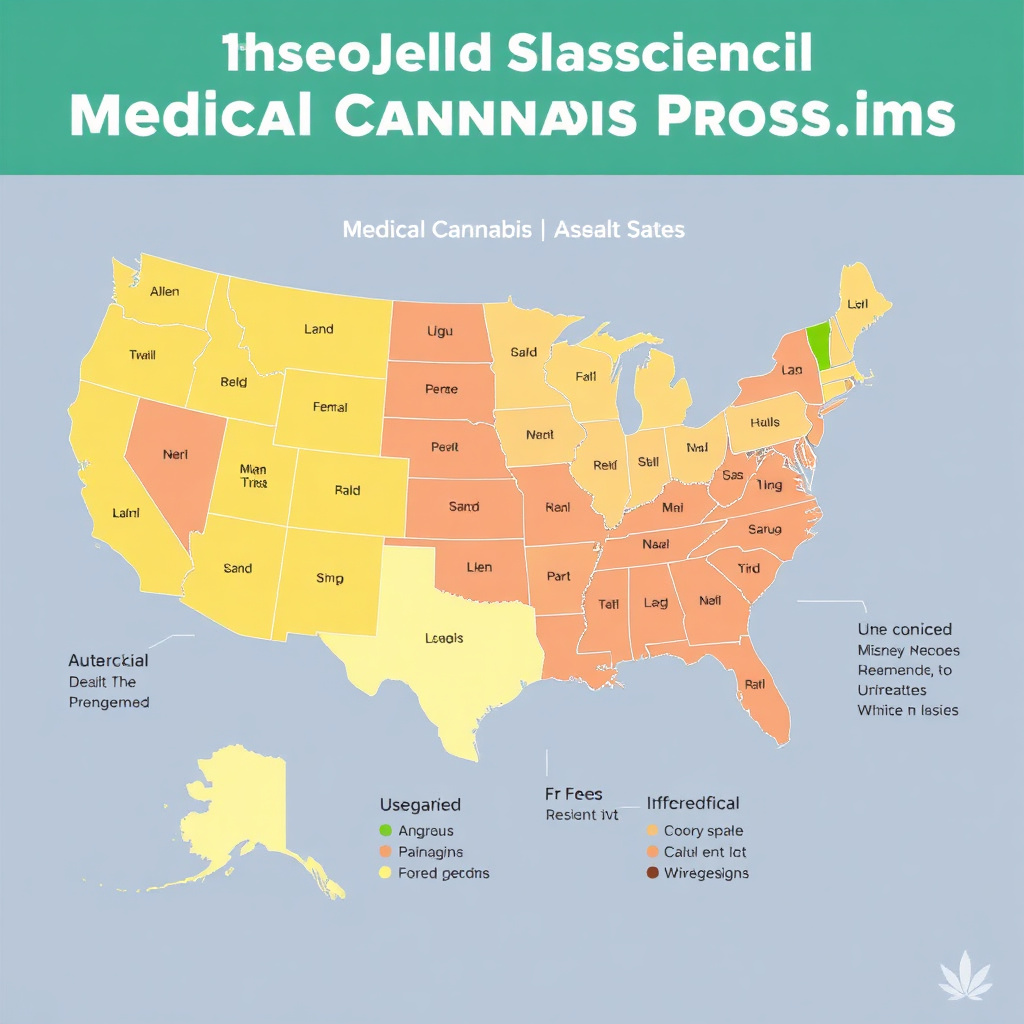
Variations in Qualifying Conditions and Fees
States differ widely in which medical conditions qualify for a cannabis card. For example, California includes anxiety and chronic pain, while others like New York focus on more severe illnesses such as cancer and HIV.
Application fees, renewal fees, and caregiver designations can also vary, influencing how accessible medical cannabis programs are in different areas. Some states offer discount programs for veterans or low-income patients.
For more on this, see our related guide: What Are Hemp Seeds and Why Are They Popular?.
Differences in Card Validity and Reciprocity
Card validity periods range from six months to two years depending on the state. Some programs allow out-of-state patients under certain conditions, while most do not recognize cards issued outside their jurisdiction.
Understanding your state's reciprocity is critical if you travel frequently and rely on medical cannabis for your treatment.
Using Your Medical Cannabis Card Responsibly

Accessing Medical-Grade Cannabis Products
Having a medical cannabis card grants access to dispensaries offering products formulated for therapeutic use, including higher potency or specialized strains. These products often come with detailed labeling on cannabinoid content and dosing guidance.
Medical dispensaries may also provide patient education on consumption methods such as vaping, tinctures, or topical applications tailored to specific symptoms.
For more detailed background on medical cannabis, you can refer to the comprehensive Medical cannabis article on Wikipedia. Medical cannabis on Wikipedia.
Understanding Legal Protections and Restrictions
Cardholders have legal protections that recreational users do not, such as protection from certain criminal charges related to possession. However, federal law still lists cannabis as illegal, affecting employment and housing in some situations.
Be aware of local restrictions on transport, storage, and use of medical cannabis to avoid unintended legal consequences.
Medical Cannabis Card Program Comparison by State
Here's a comparison of key aspects of medical cannabis card programs across various states to highlight differences in fees, qualifying conditions, and card validity.
| State | Qualifying Conditions | Application Fee | Card Validity | Reciprocity |
|---|---|---|---|---|
| California | Chronic pain, anxiety, cancer, etc. | $100 | 1 year | Limited reciprocity |
| New York | Cancer, HIV/AIDS, PTSD | $50 | 2 years | No reciprocity |
| Florida | Cancer, epilepsy, chronic pain | $75 | 1 year | No reciprocity |
| Oregon | Chronic pain, PTSD, multiple sclerosis | $200 | 1 year | Limited reciprocity |
| Arizona | Cancer, glaucoma, HIV/AIDS | $150 | 1 year | No reciprocity |
Frequently Asked Questions
How long does it take to get a medical cannabis card?
The approval process varies by state but typically takes 2 to 4 weeks after submitting your application and medical certification.
Can I get a medical cannabis card if I’m under 18?
Minors can apply in many states but usually require parental consent and a designated caregiver to manage the card and purchases.
Do I need a new card if I move to a different state?
Yes, medical cannabis cards are state-specific, so relocating usually requires applying for a card in your new state.
Can a regular doctor certify me for a medical cannabis card?
Not always. Many states require certification by a physician or provider specifically licensed or registered for medical marijuana evaluations.
Is my medical information shared with law enforcement?
Patient confidentiality is typically protected by state laws, and medical cannabis registries are secure, but sharing occurs only under specific legal circumstances.
Key Takeaways
- Medical cannabis cards require state-specific qualifications and certified medical approval.
- The application process involves documentation, fees, and typically online or mail submission.
- Renew your card before expiry to maintain uninterrupted legal access to cannabis.
- Laws vary widely by state; check your local program’s rules on qualifying conditions, fees, and reciprocity.
Conclusion
Selecting the right path to obtain your medical cannabis card means understanding both your medical eligibility and your state's unique program requirements. Carefully preparing your documentation, consulting with a knowledgeable healthcare provider, and keeping track of renewal deadlines will ensure a smooth process and uninterrupted access to therapeutic cannabis.
For individuals with chronic pain or conditions such as epilepsy, cancer, or PTSD, medical cannabis cards open the door to treatment options not available recreationally. States like California and Oregon offer diverse qualifying conditions and longer card validity, while others like New York have stricter lists but lower fees. Matching your health needs with the state program can guide your application approach effectively.
Your next step should be to research your specific state’s medical marijuana program website, contact certified medical evaluators, and gather your medical records. Start the application early to accommodate processing times and make sure to keep your card renewed regularly to maintain compliance. With proper preparation, receiving your medical cannabis card becomes a straightforward process that enhances your treatment options legally.